
Brand
Timex
Est. 1854 · Waterbury, Connecticut, USA
Dependable American timekeeping since 1854.
Half cost less than £118, and a quarter less than £104.
Learn more about TimexShow less
The Waterbury Clock Company was founded in Connecticut in 1854, part of the brass industry that made the region the centre of American clockmaking. Its descendants became Timex, and the company's history is one of making timekeeping cheap enough that everyone could have it.
The first breakthrough was the Yankee, a pocket watch sold from 1896 for one dollar — roughly a day's wage — which sold in the tens of millions and was marketed as the watch that made the dollar famous. Mark Twain and Theodore Roosevelt both carried one.
The company supplied enormous quantities of military timing equipment during both world wars, and its wartime work with Ingersoll and on fuse mechanisms shaped its post-war manufacturing.
The modern brand was defined by advertising. From 1956 Timex ran televised torture tests — watches strapped to outboard motors, dropped from cliffs, fired from crossbows — under the slogan it takes a licking and keeps on ticking. The watches used hardened Armalloy bearings instead of jewels, which made them cheap and, crucially, genuinely durable.
Indiglo, the electroluminescent dial lighting introduced in 1992, became the company's best-known technology after a Timex wearer used one to guide people down a stairwell during the 1993 World Trade Center bombing.
Timex remains privately held and produces the Weekender, Expedition, and archival Marlin lines.
Timex holds 16 models, from £75 to £260. Half cost less than £118, and a quarter less than £104. 2 of 16 are automatic. Prices are checked nightly against the retailers’ own feeds.
- 1854
- The Waterbury Clock Company is founded in Connecticut.
- 1896
- The one-dollar Yankee pocket watch goes on sale.
- 1956
- The torture test advertising campaign begins.
- 1992
- Indiglo electroluminescent lighting is introduced.
49 watches
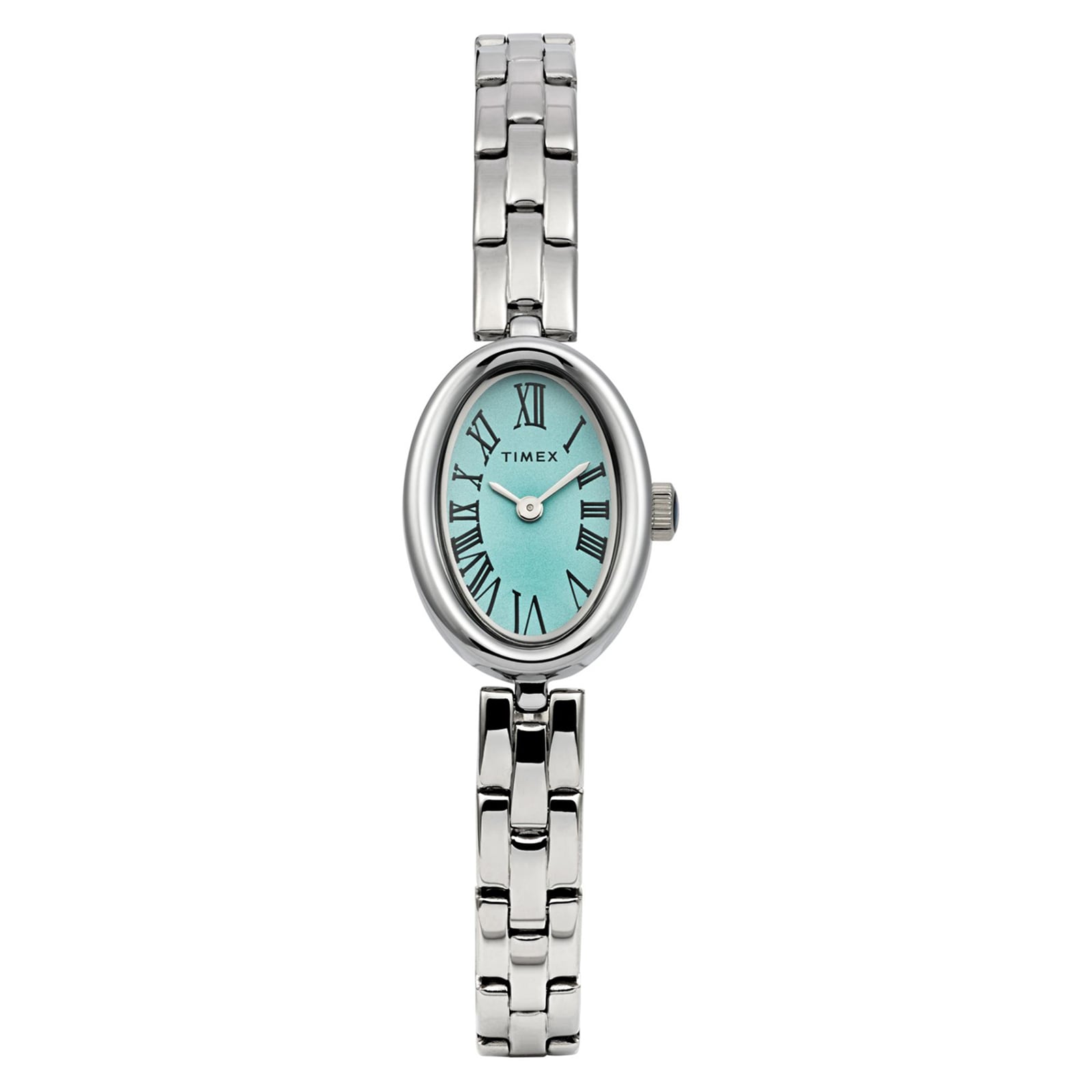
Timex
Cavatina 19mm Ladies Watch Blue
£100
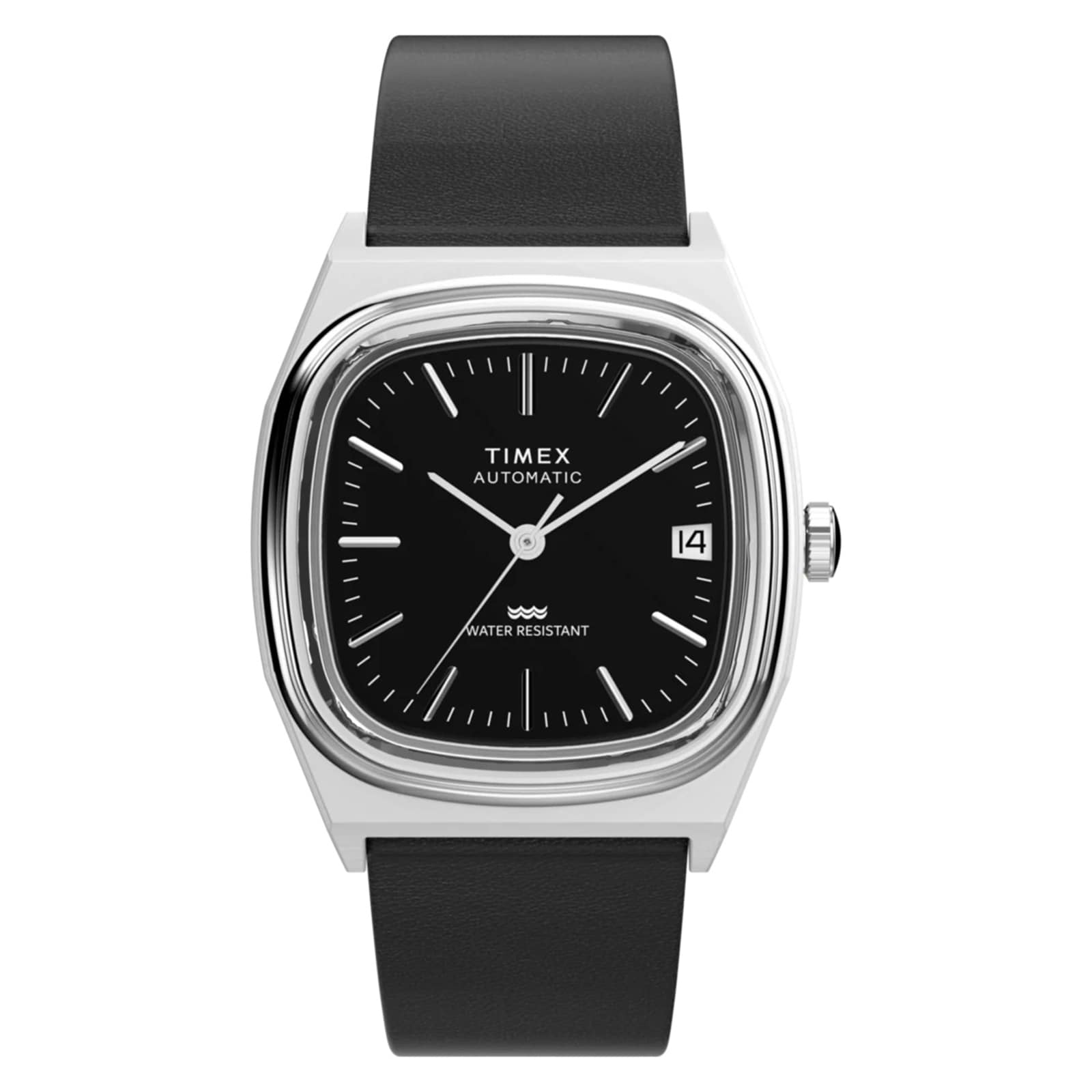
Timex
E Line Automatic 1983 34mm Mens Watch Black
£190
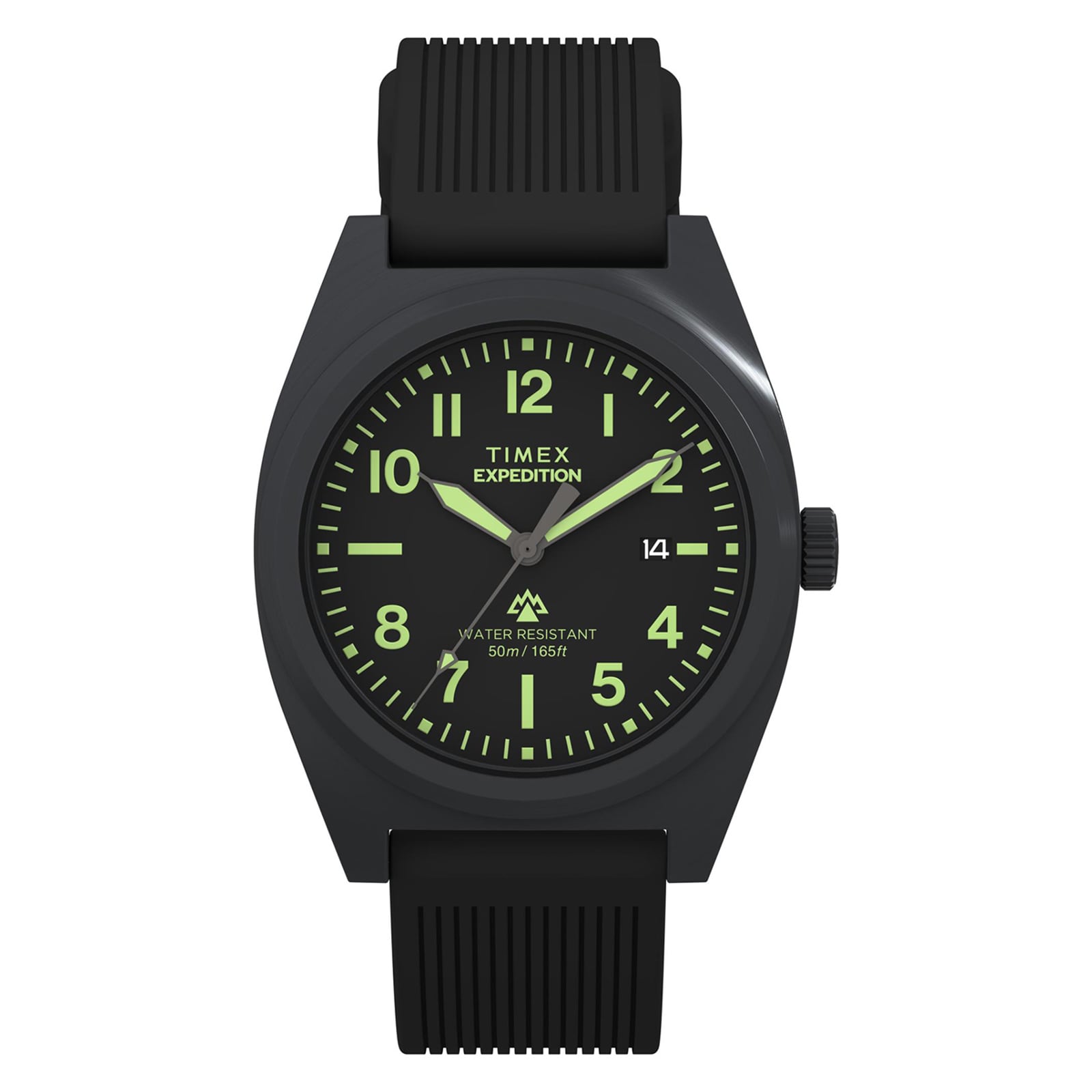
Timex
Expedition Capstone 39mm Mens Watch Black
£105
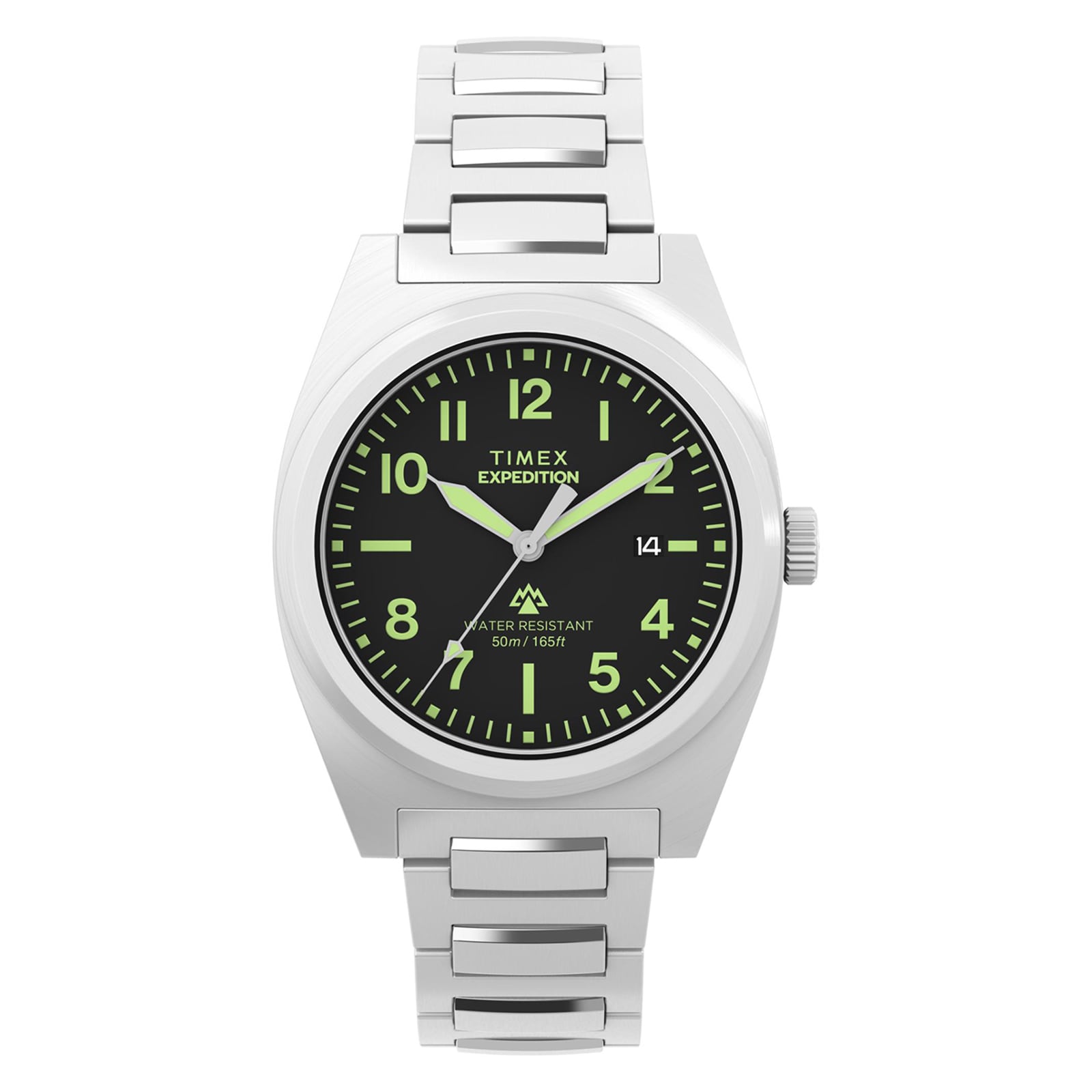
Timex
Expedition Capstone 39mm Mens Watch Black
£125
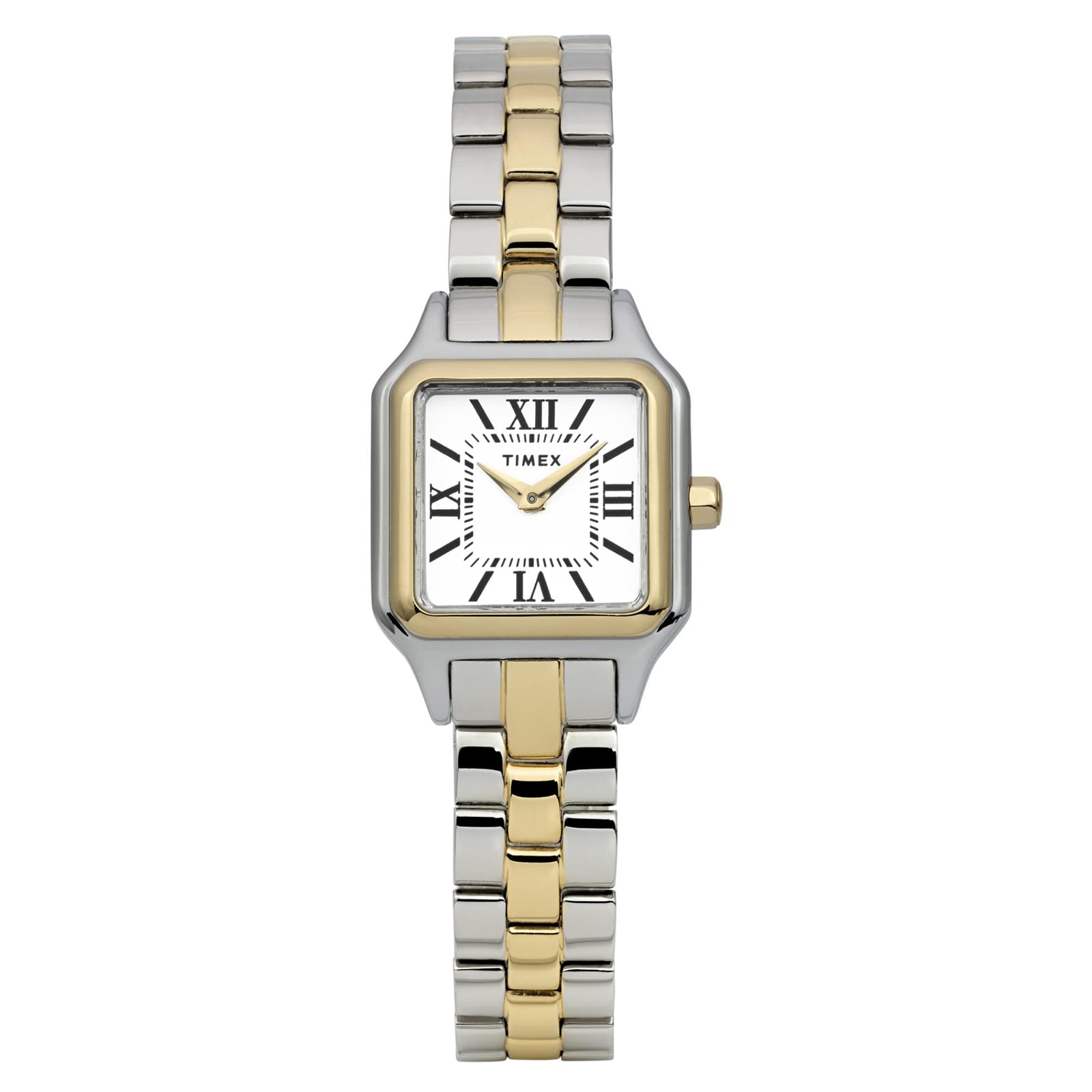
Timex
Legacy 23mm Ladies Watch White
£110
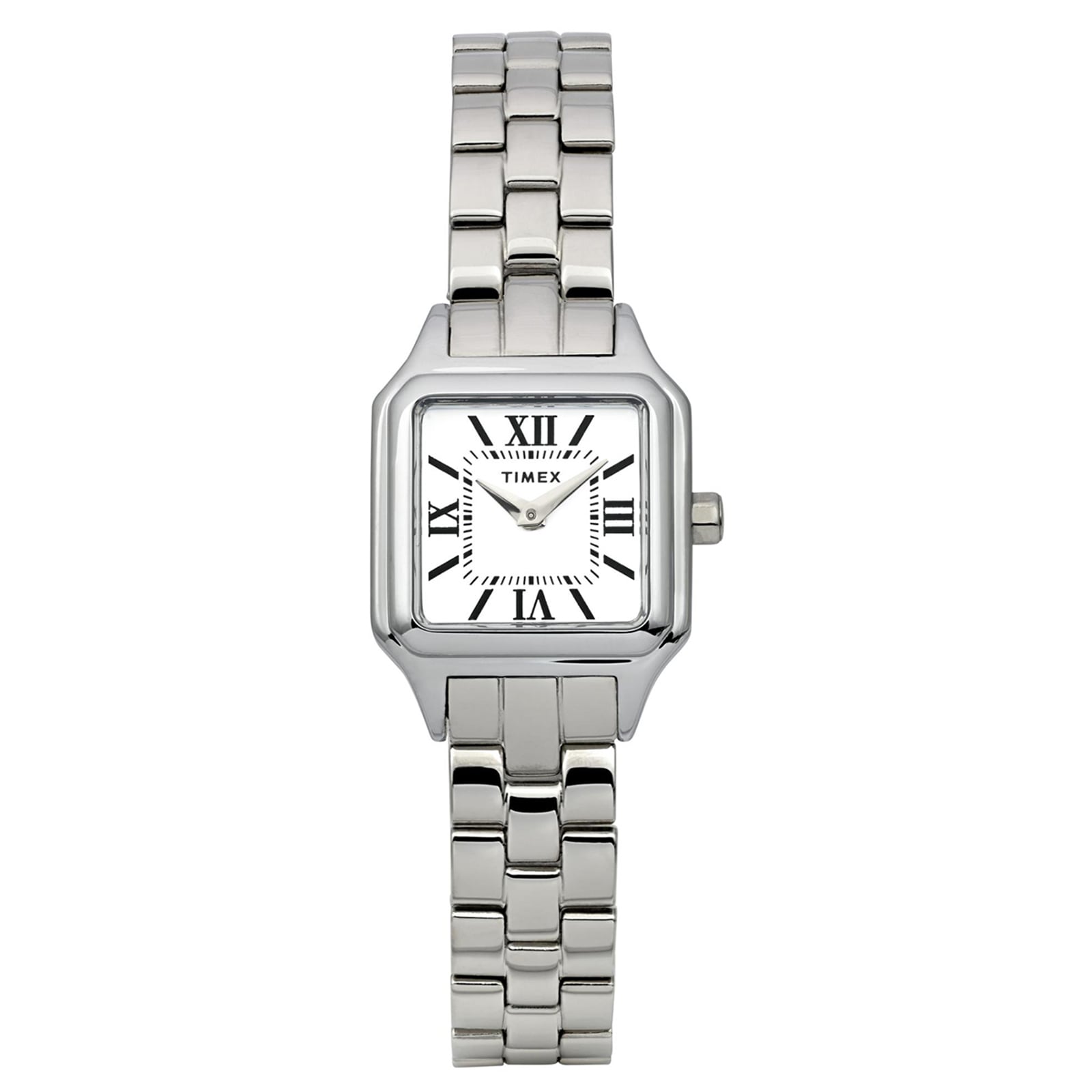
Timex
Legacy 23mm Ladies Watch White
£110

Timex
Legacy 41mm Mens Watch Black
£125

Timex
Marlin Jet Quartz Chronograph 40mm Mens Watch Brown
£260
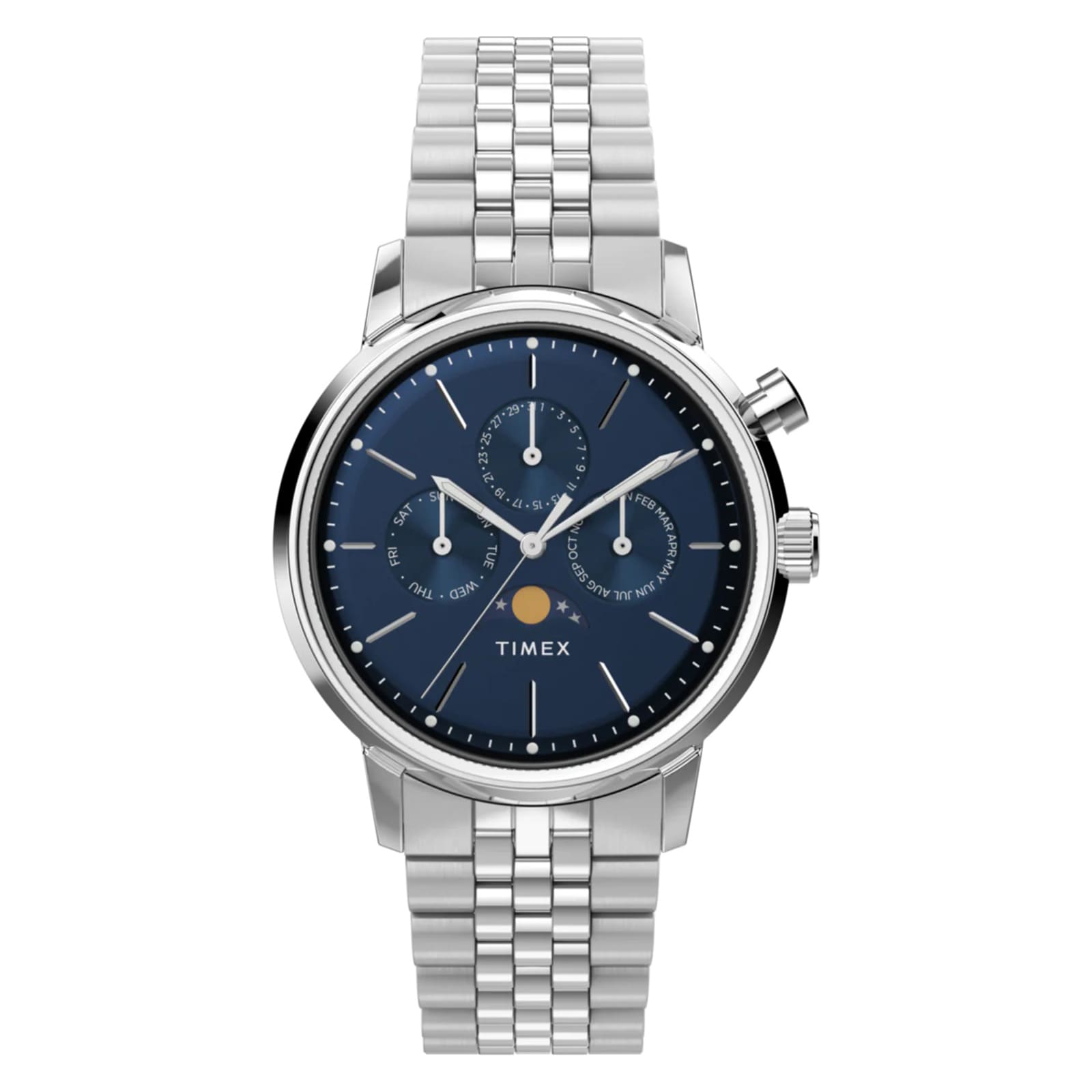
Timex
Marlin Moon Phase 40mm Mens Watch Blue
£175
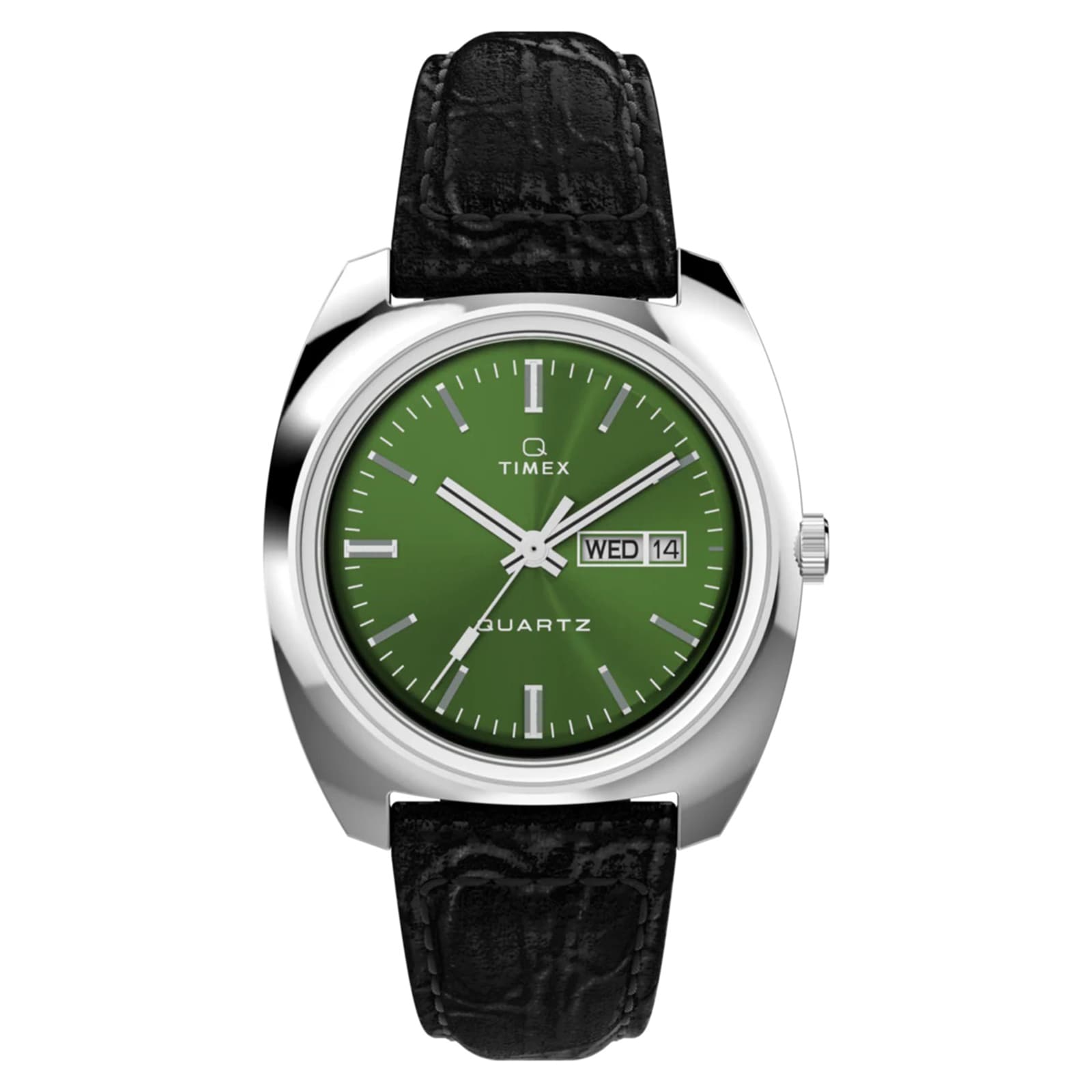
Timex
Q Timex 1978 Day/Date 37.5mm Mens Watch Green
£170
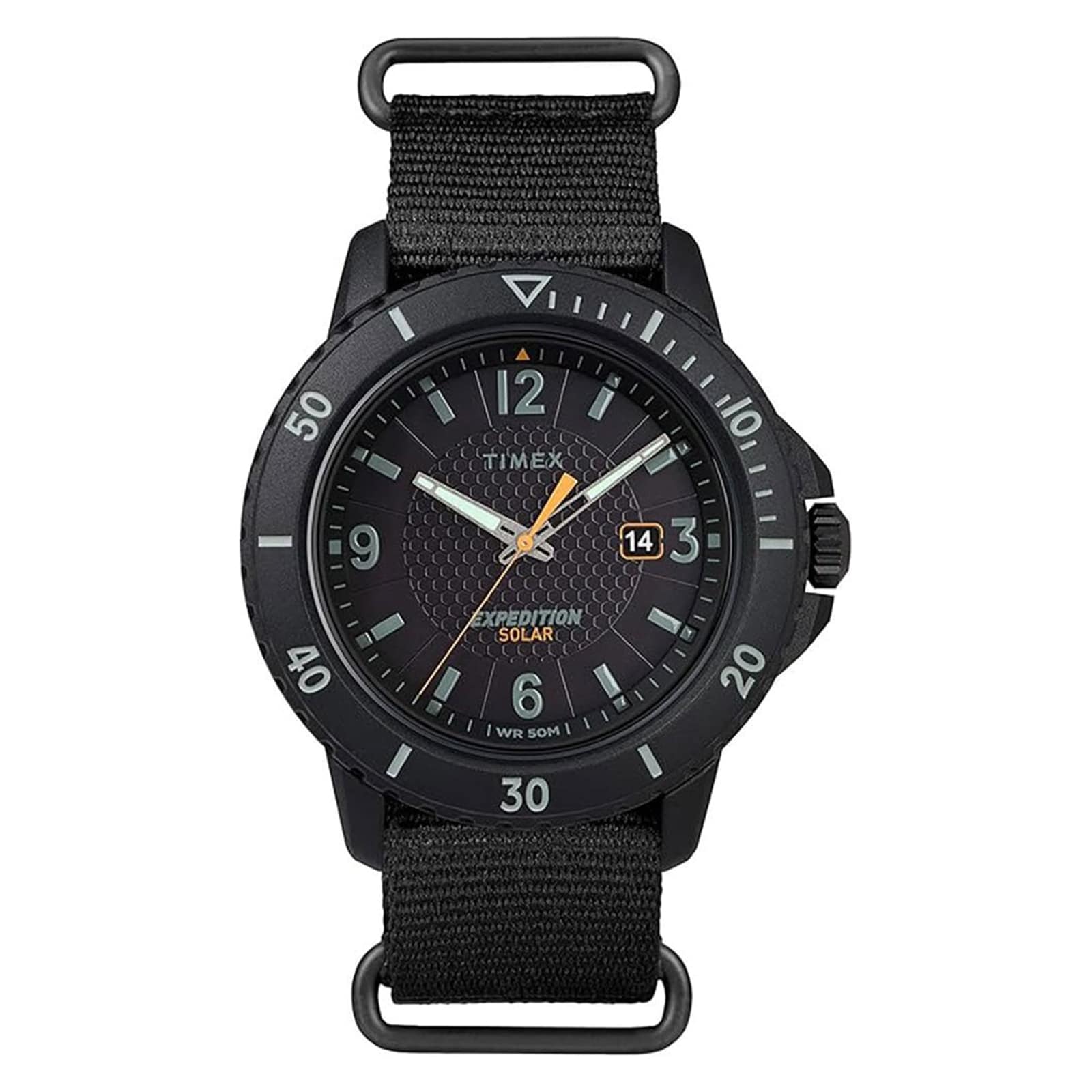
Timex
Solar Expedition 44mm Mens Watch Black
£75
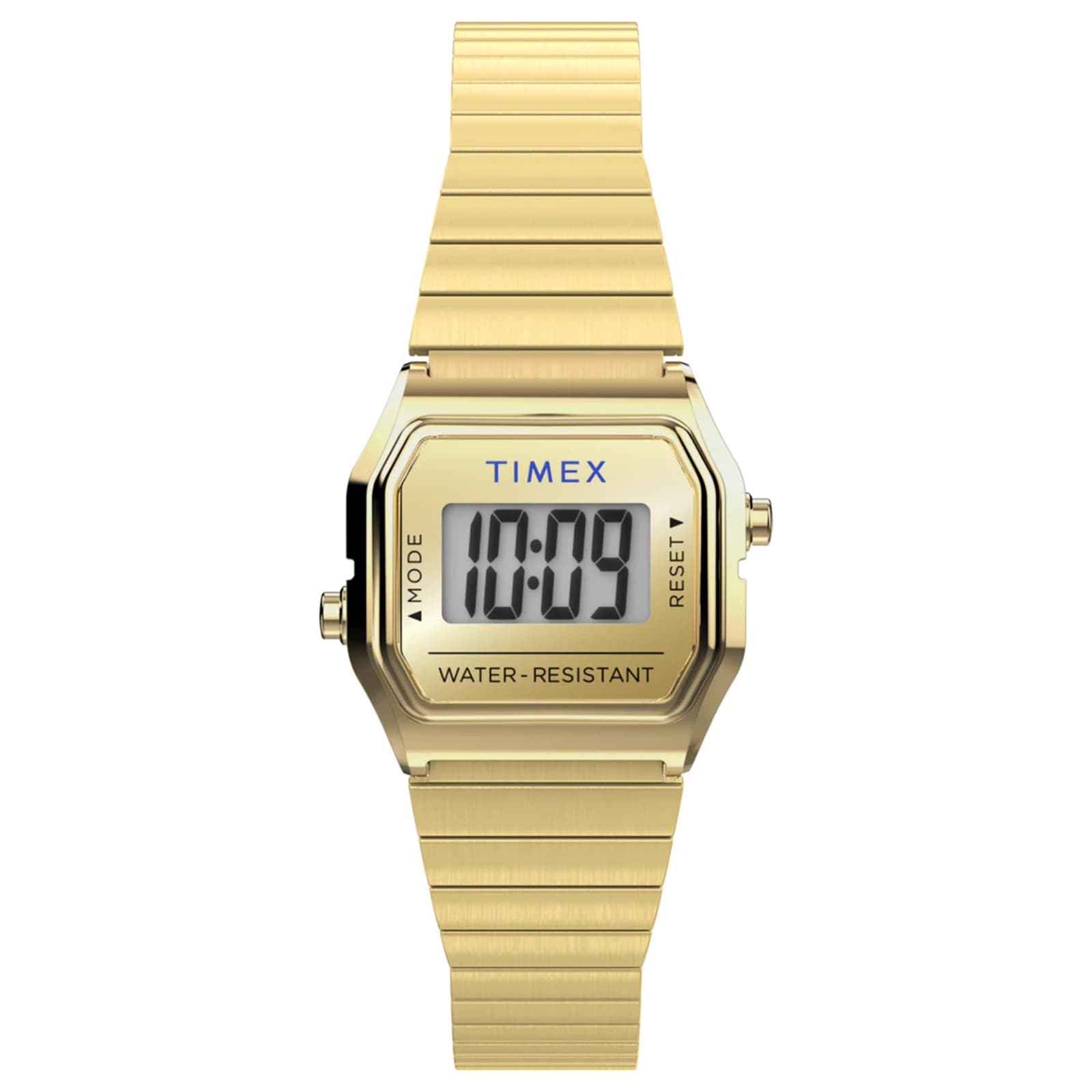
Timex
Teeny Tiny Timex Endorsed by Dimepiece 20mm Ladies Watch
£130
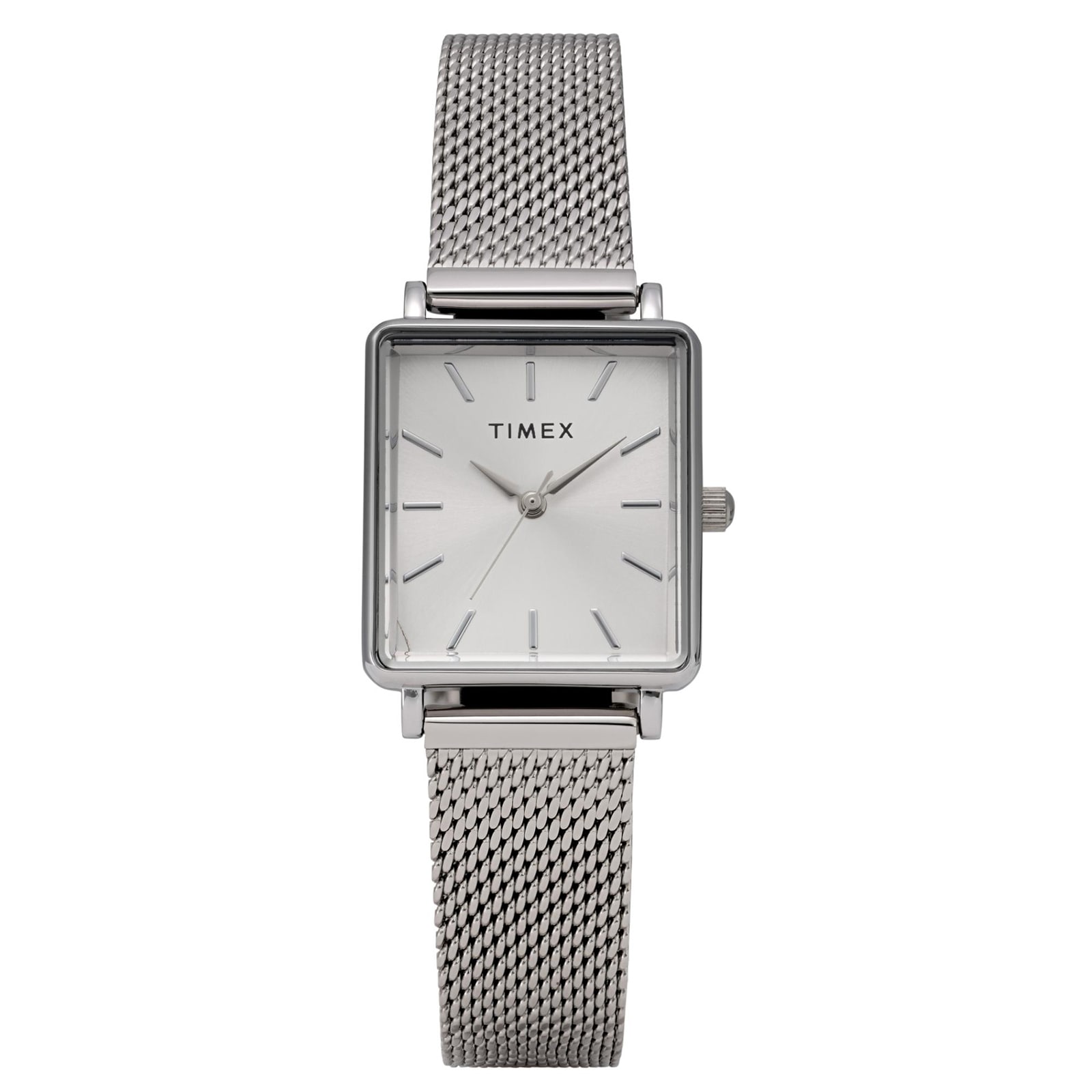
Timex
Transcend 22mm Ladies Watch Silver
£110
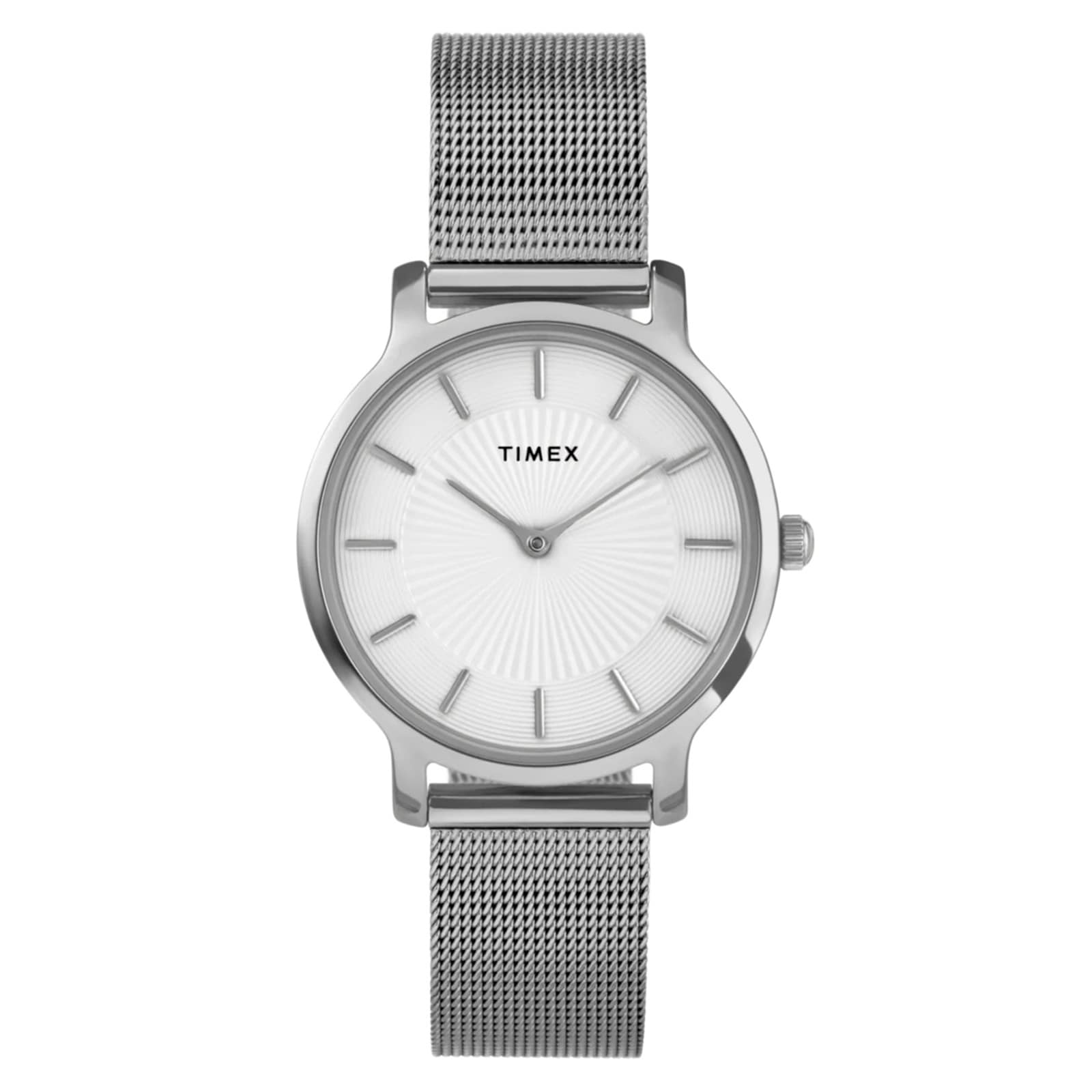
Timex
Transcend 34mm Ladies Watch Silver
£85
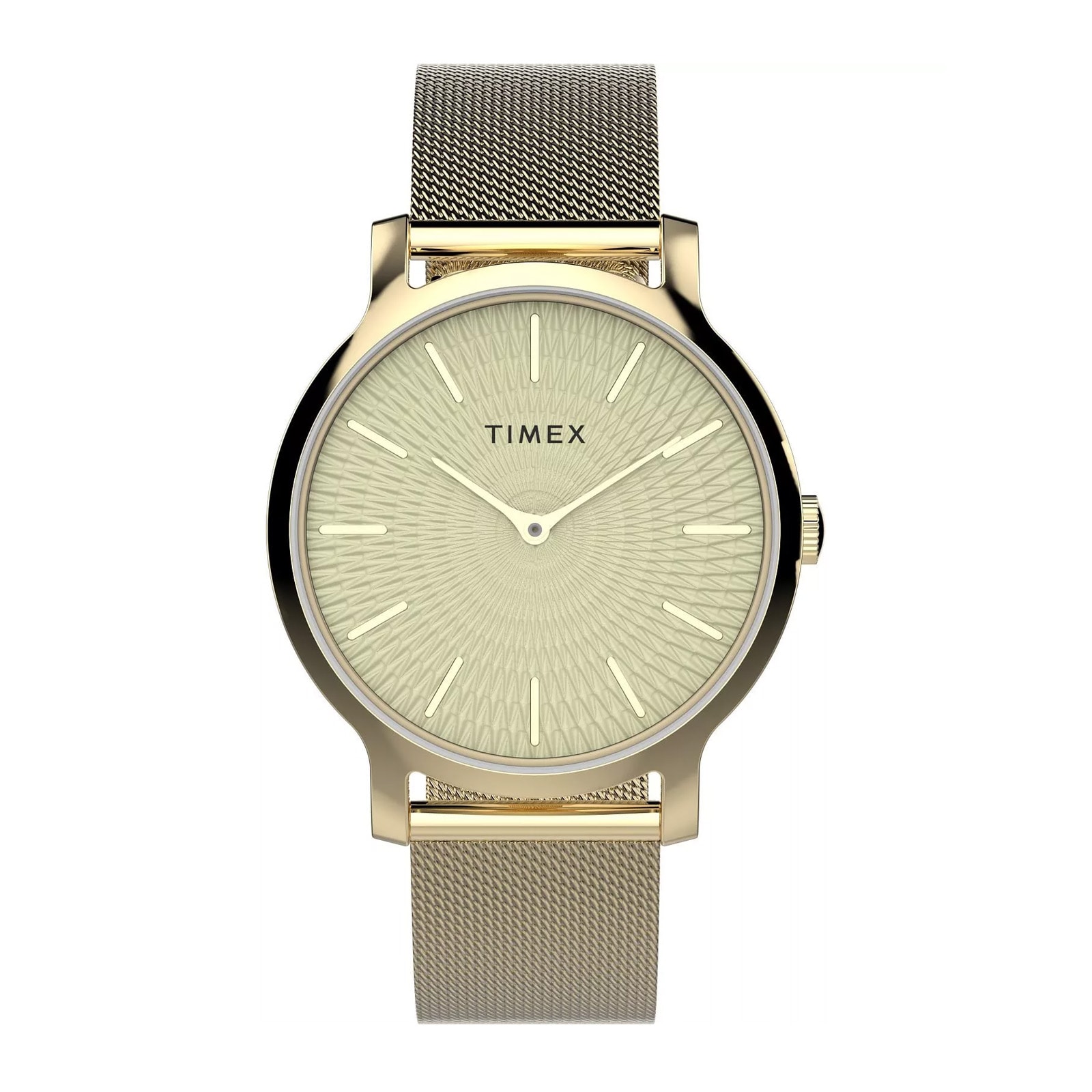
Timex
Trend Transcend 34mm Gold Ladies Watch
£90
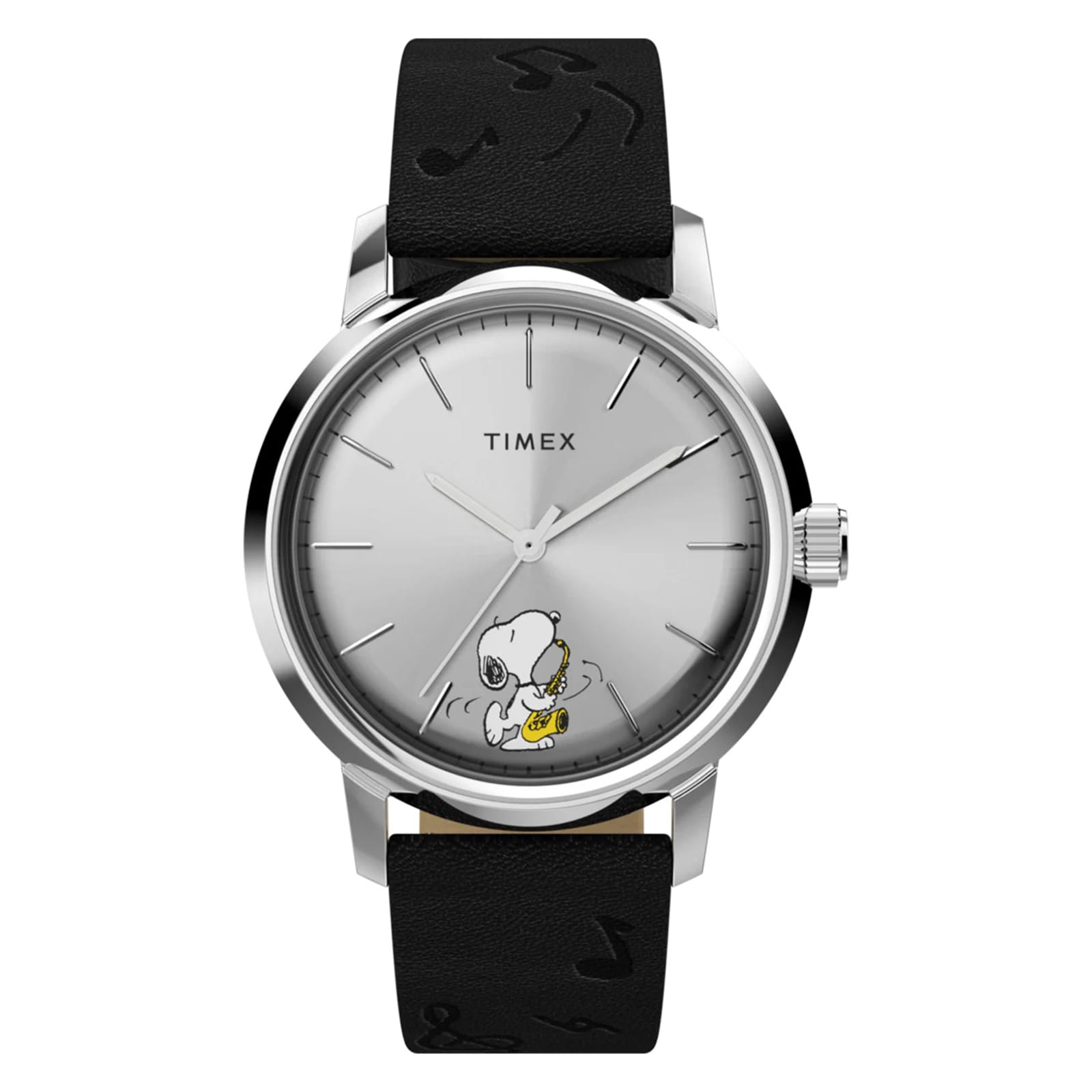
Timex
x Peanuts Marlin Automatic Saxophonist 40mm Mens Watch Silver
£225
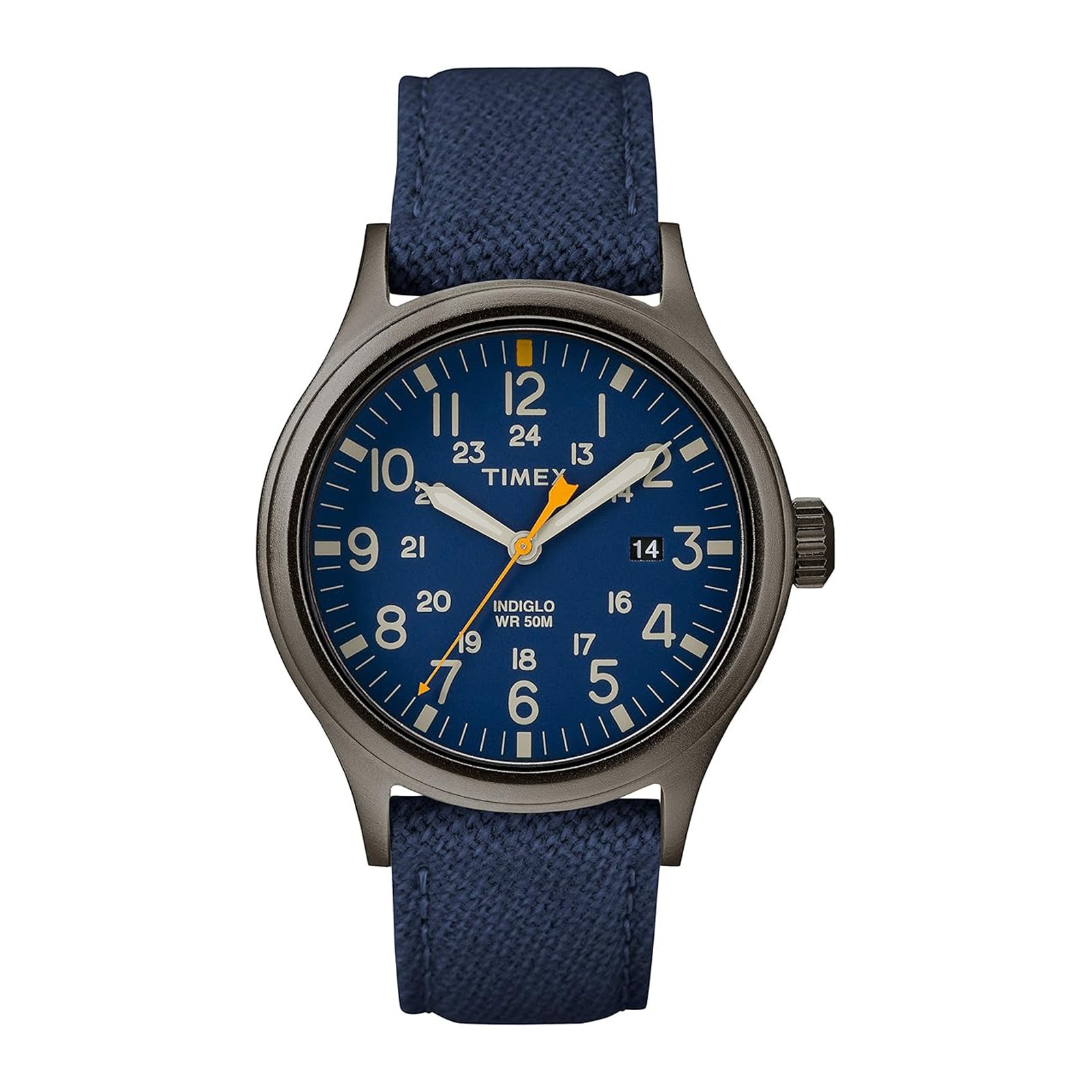
Timex
Allied Quartz Blue Dial 38mm Mens Watch
£80
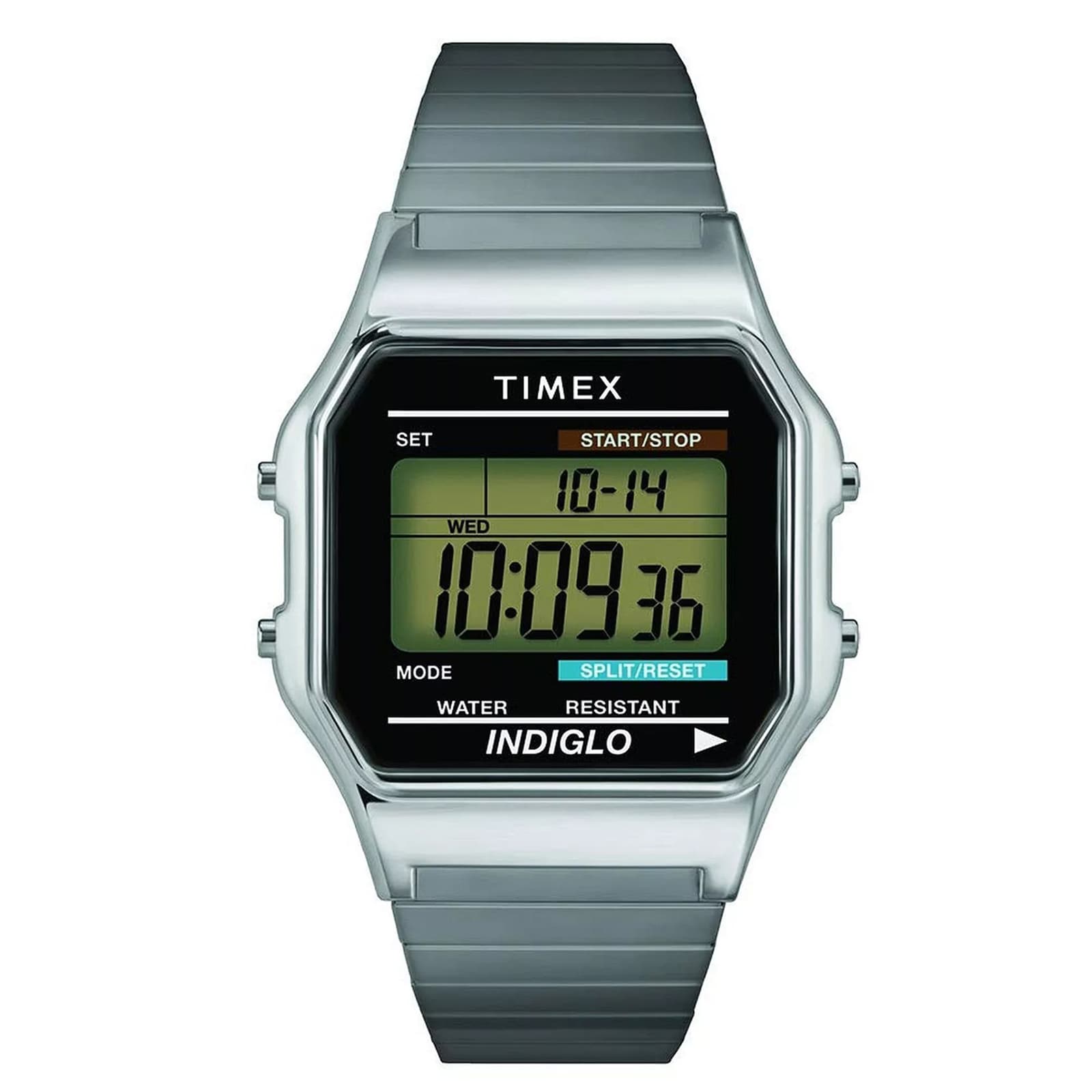
Timex
Classic Digital 34mm Unisex Watch Black
£55
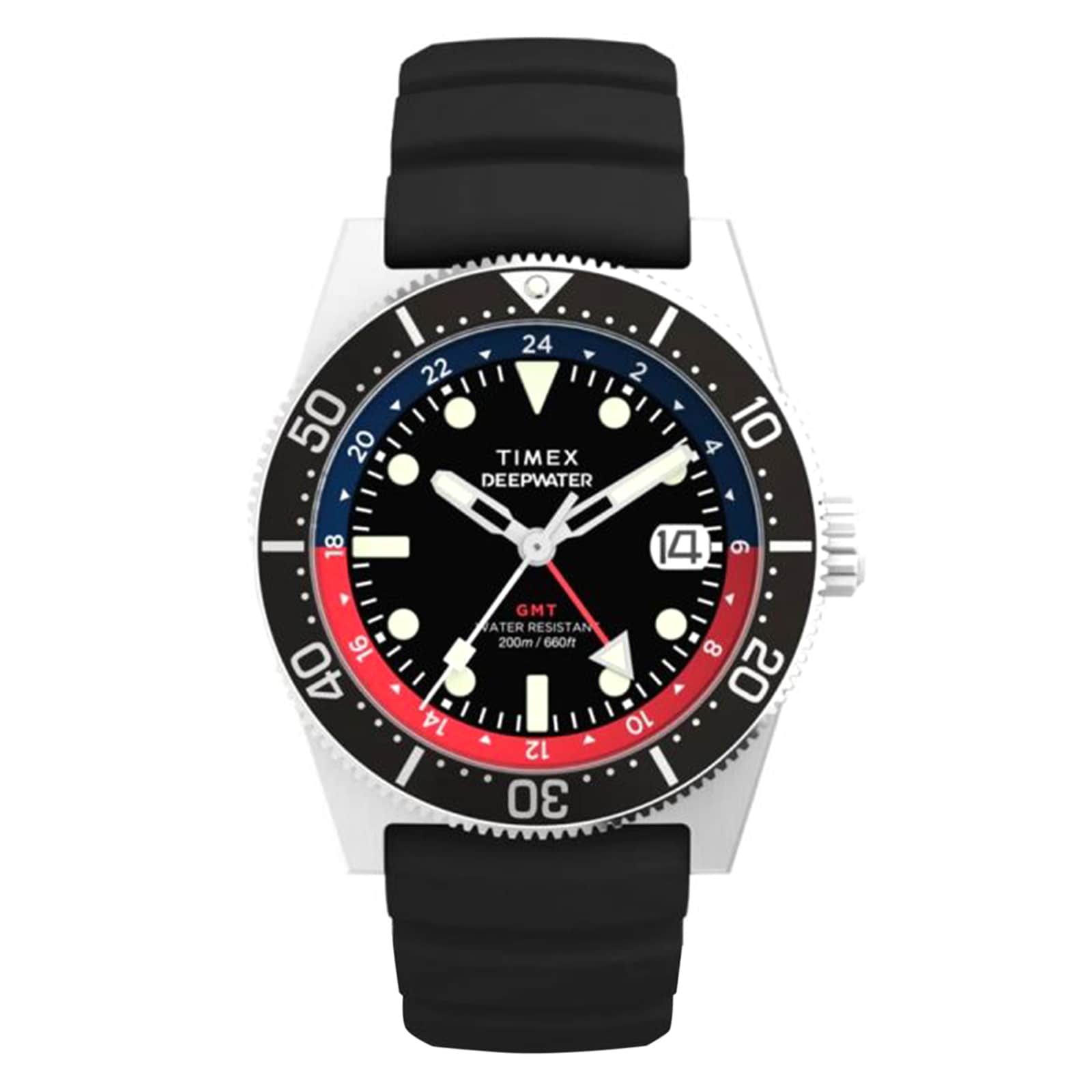
Timex
Deepwater Reef GMT 41mm Mens Watch Black
£220
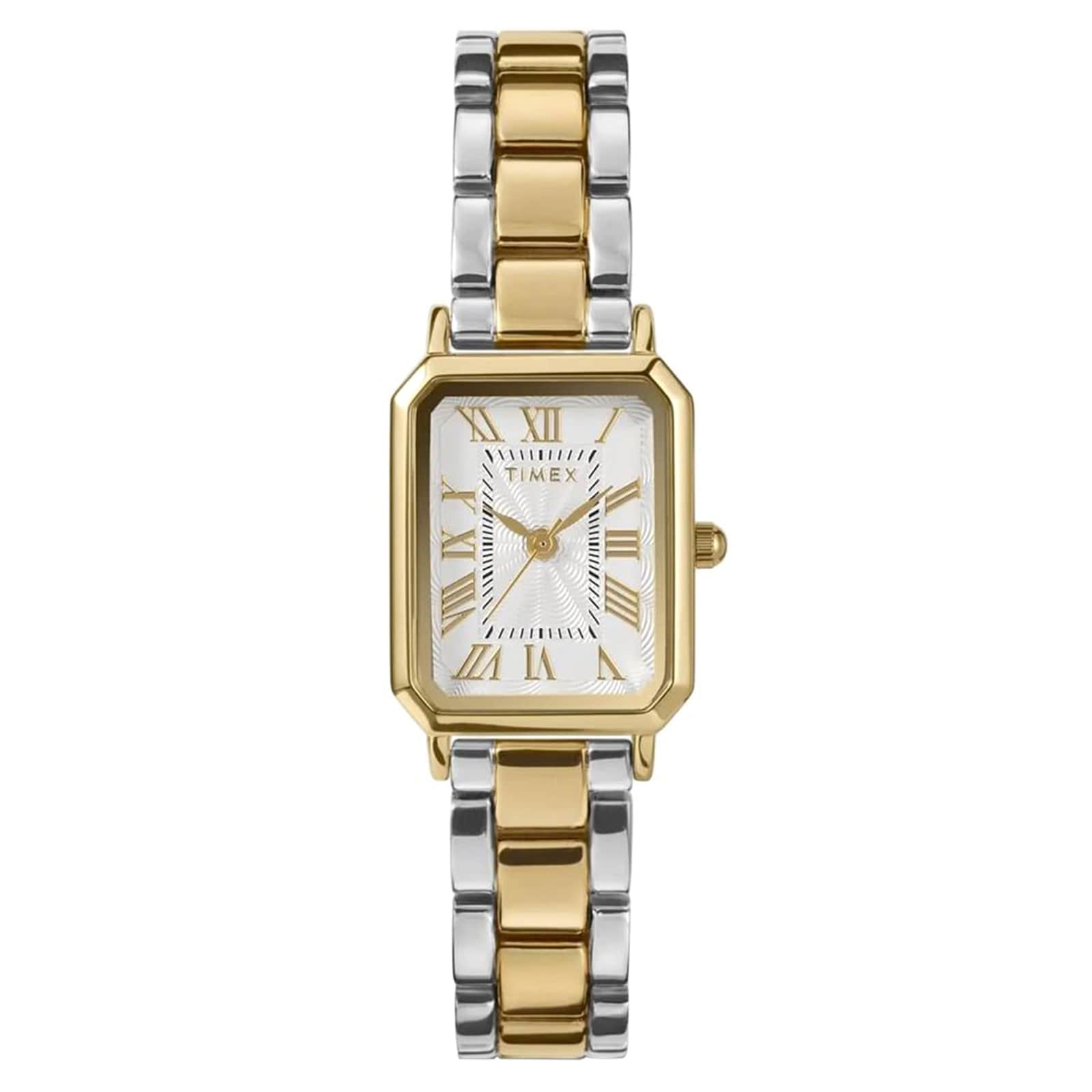


Timex
Expedition Acadia 40mm Mens Watch Green
£50
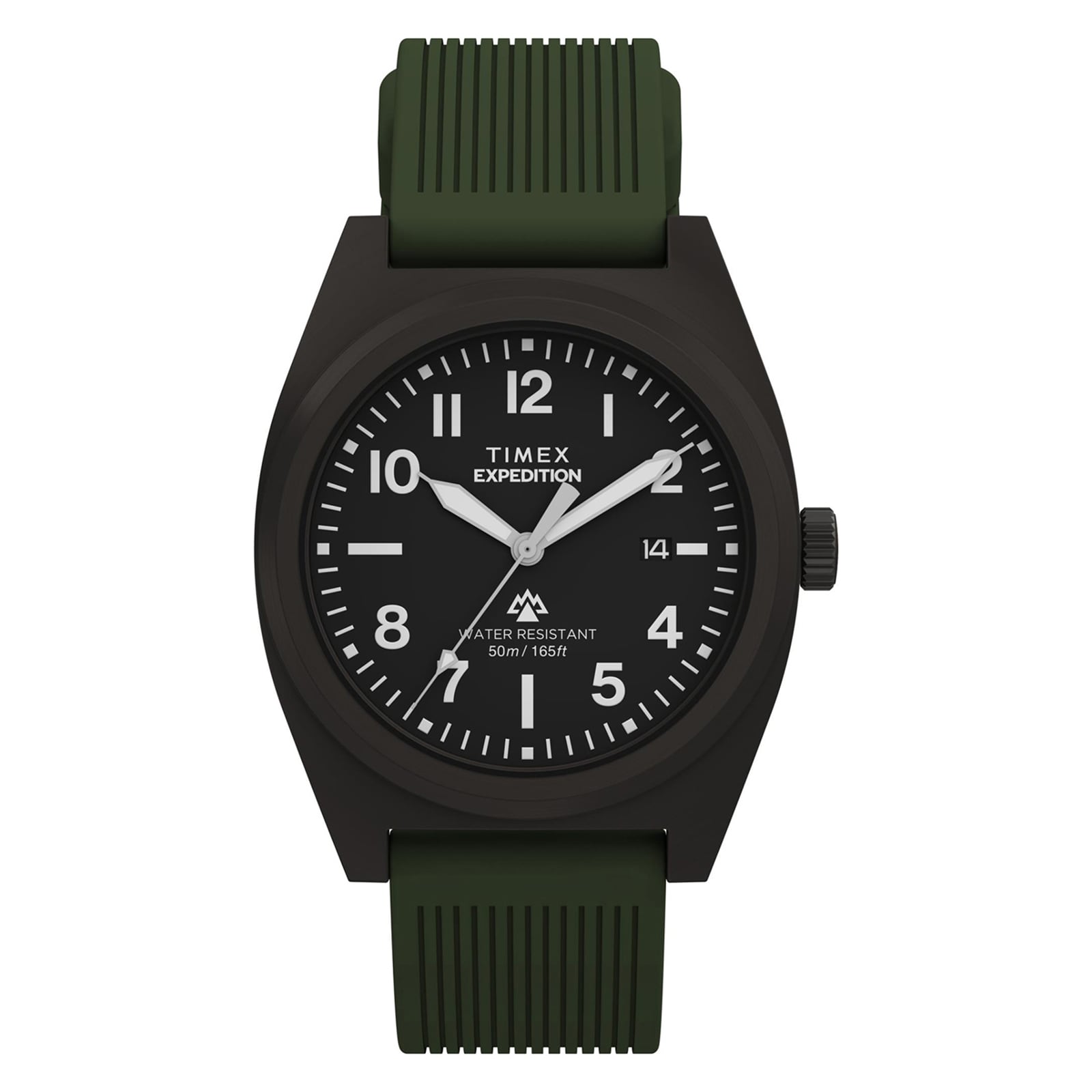
Timex
Expedition Capstone 39mm Mens Watch Black
£105
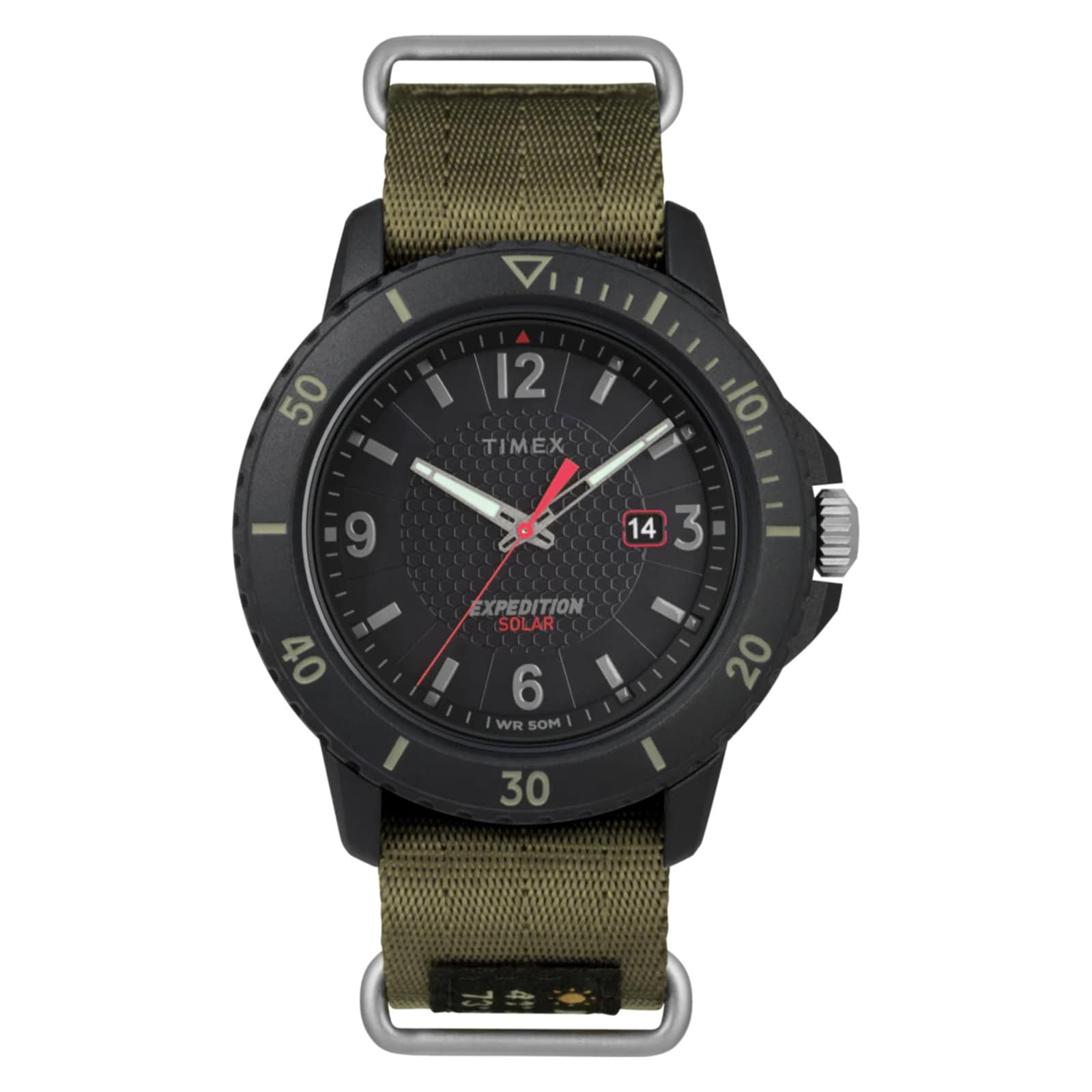
Timex
Expedition Gallatin Solar 44mm Mens Watch Black
£75
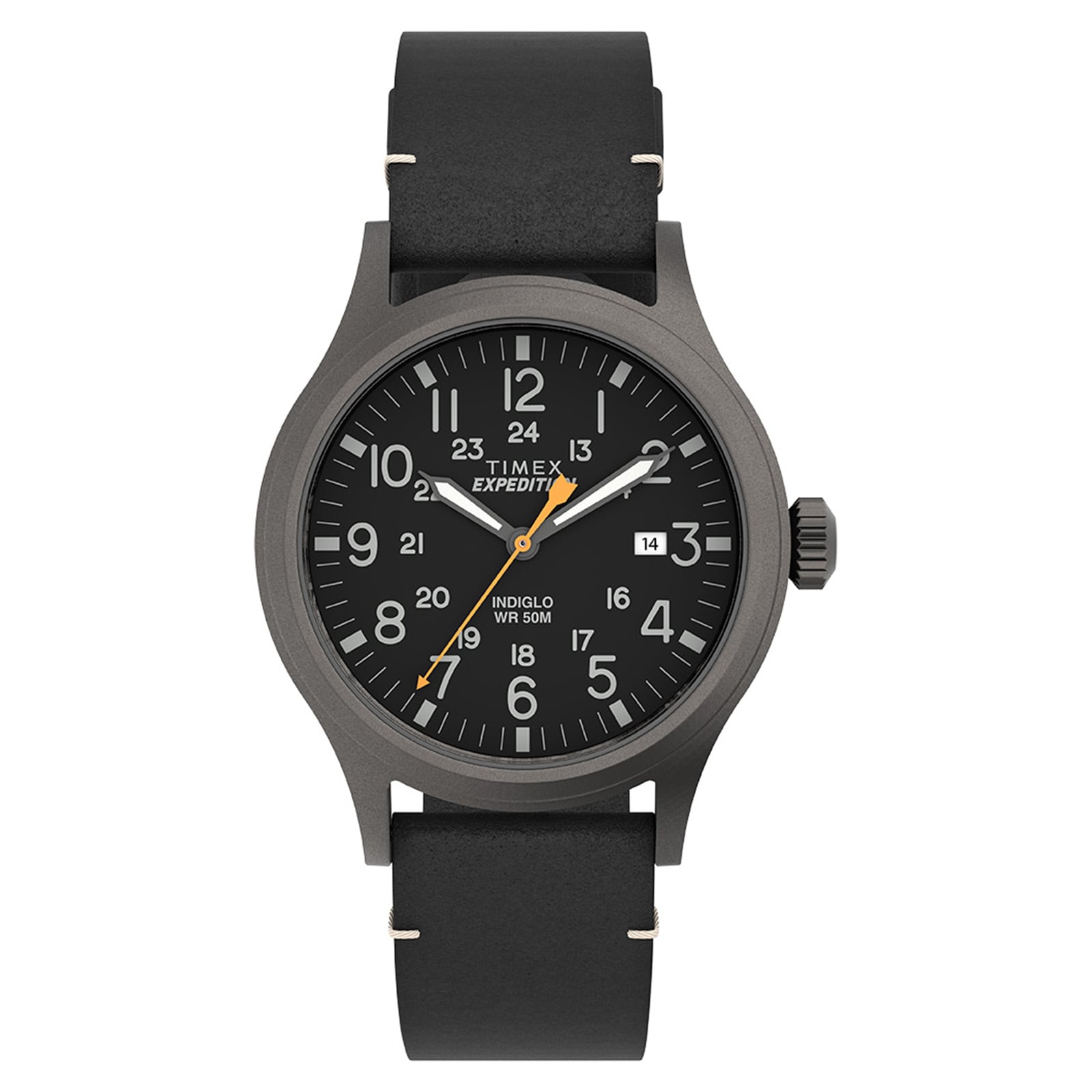
Timex
Expedition Scout 40mm Mens Watch Black
£70
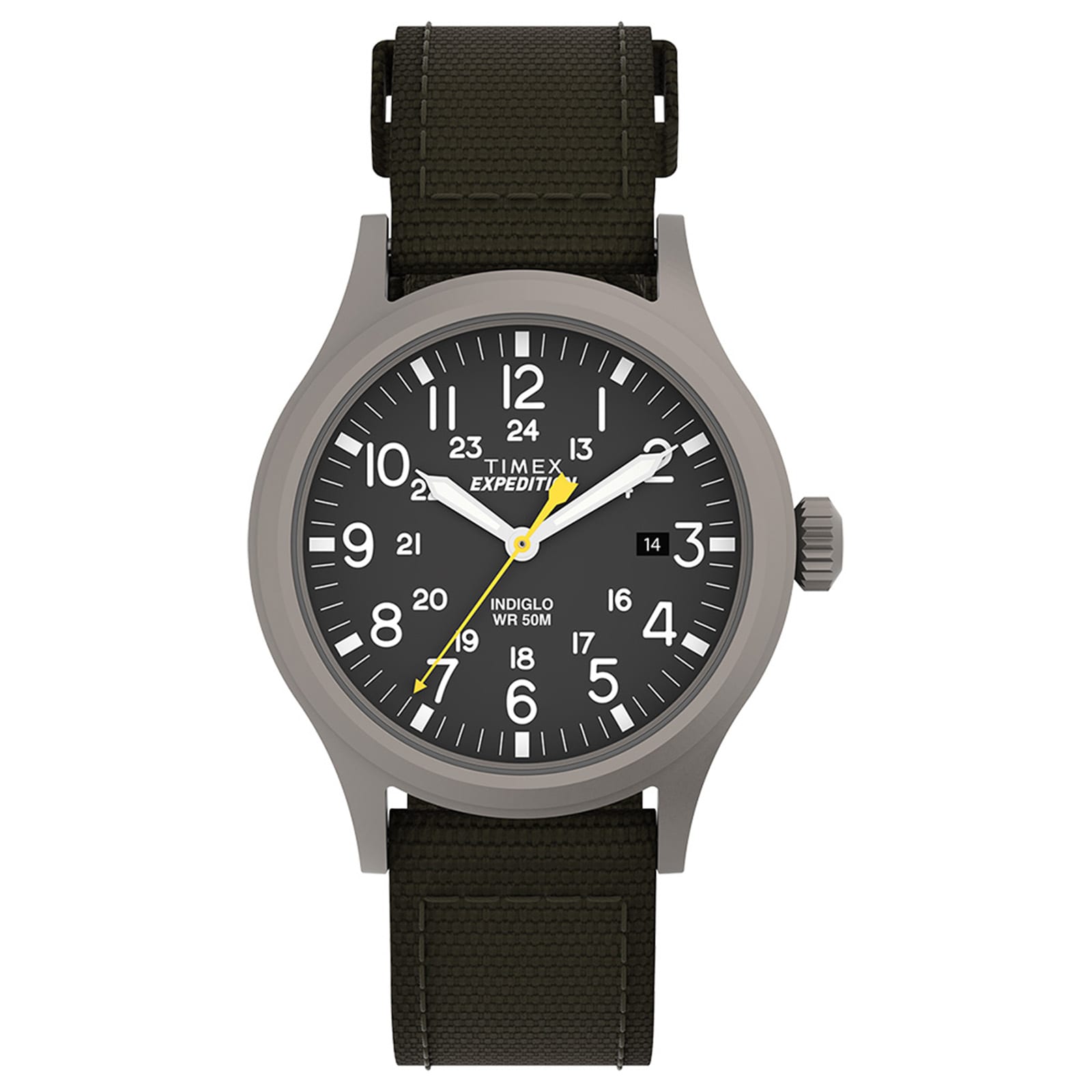
Timex
Expedition Scout 40mm Mens Watch Black
£70
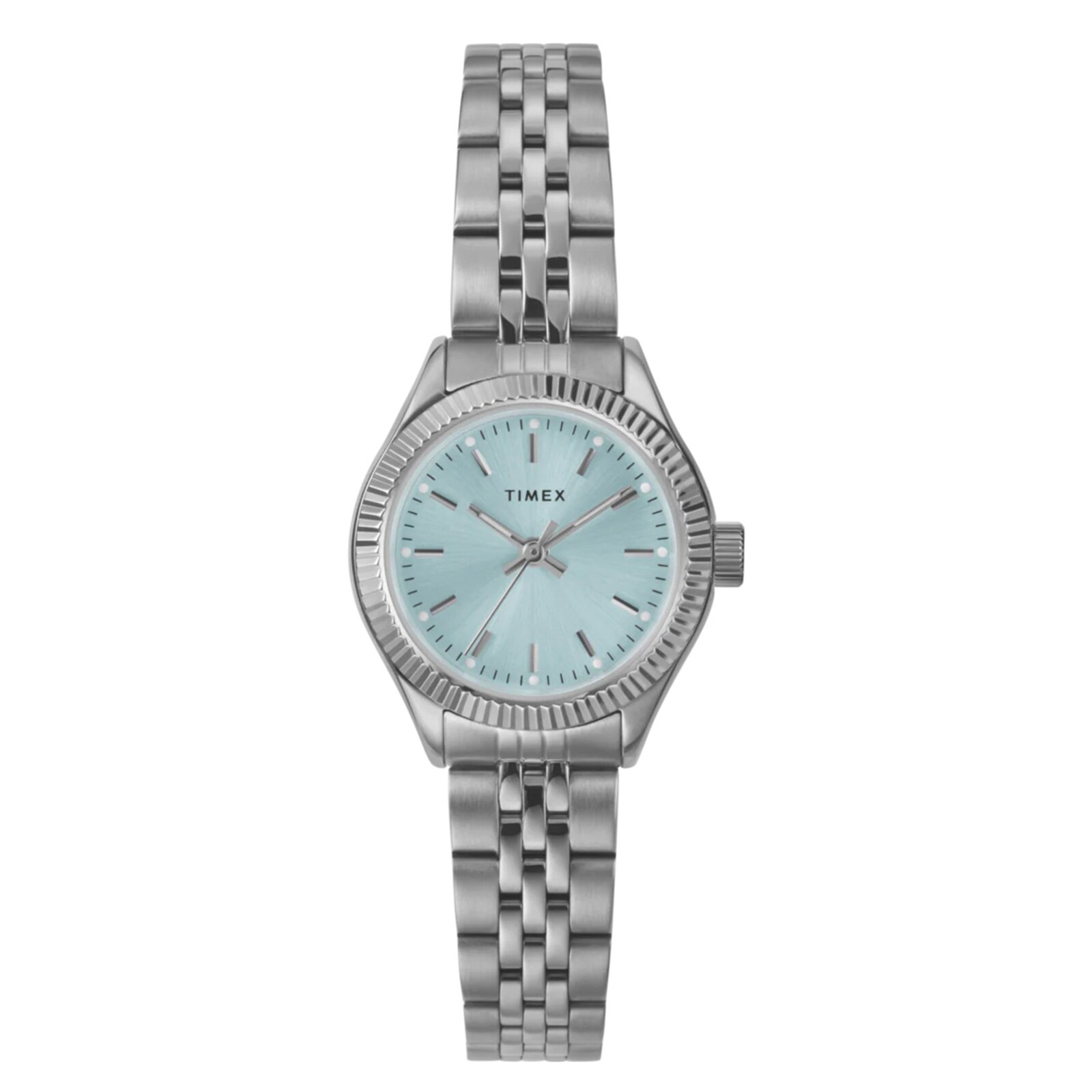

Timex
M79 Automatic x Peanuts 40mm Mens Watch Blue
£265

Timex
Marlin Automatic x Peanuts Snoopy Flying Ace 40mm Mens Watch Silver
£250
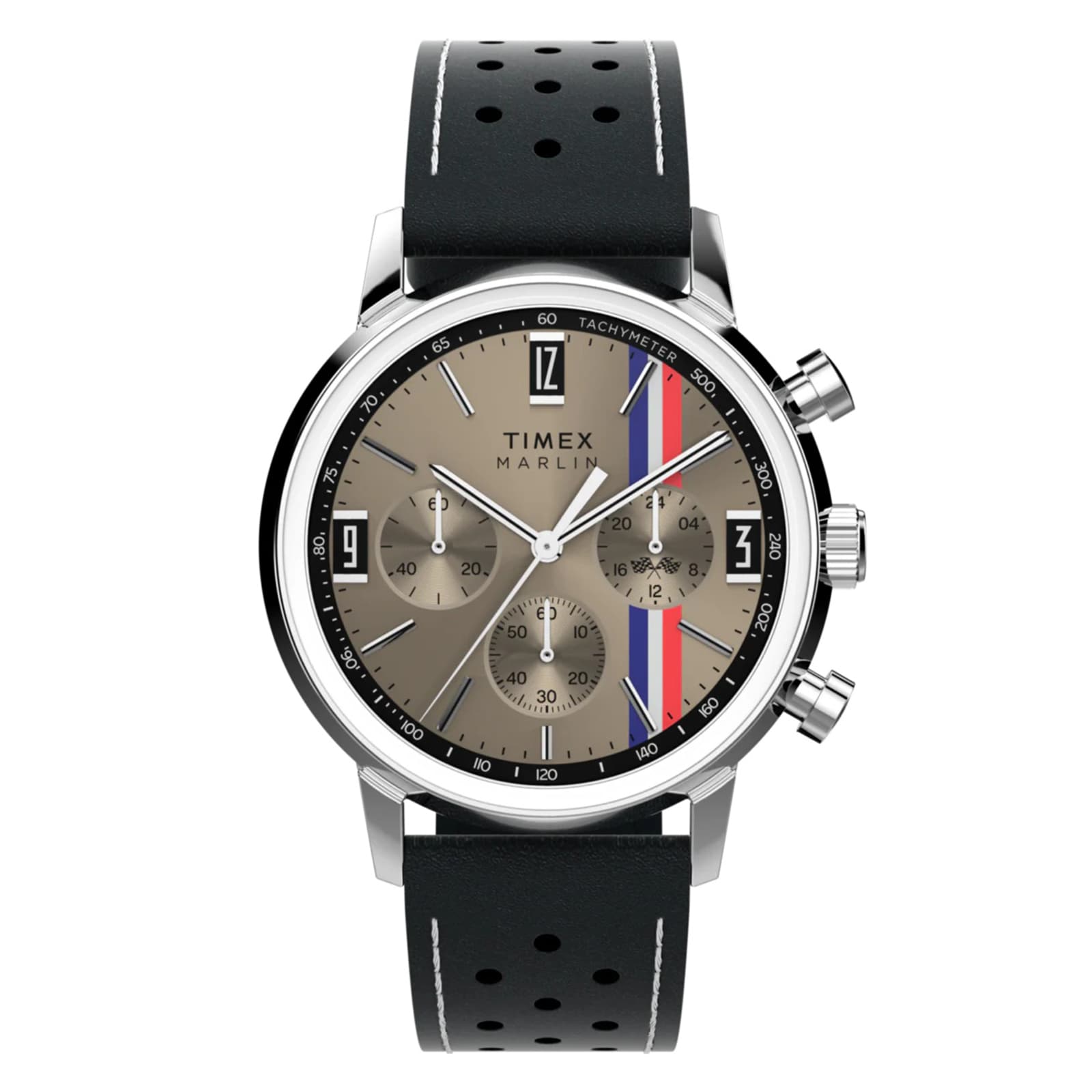
Timex
Marlin Chronograph Tachymeter 40mm Mens Watch Champagne
£170
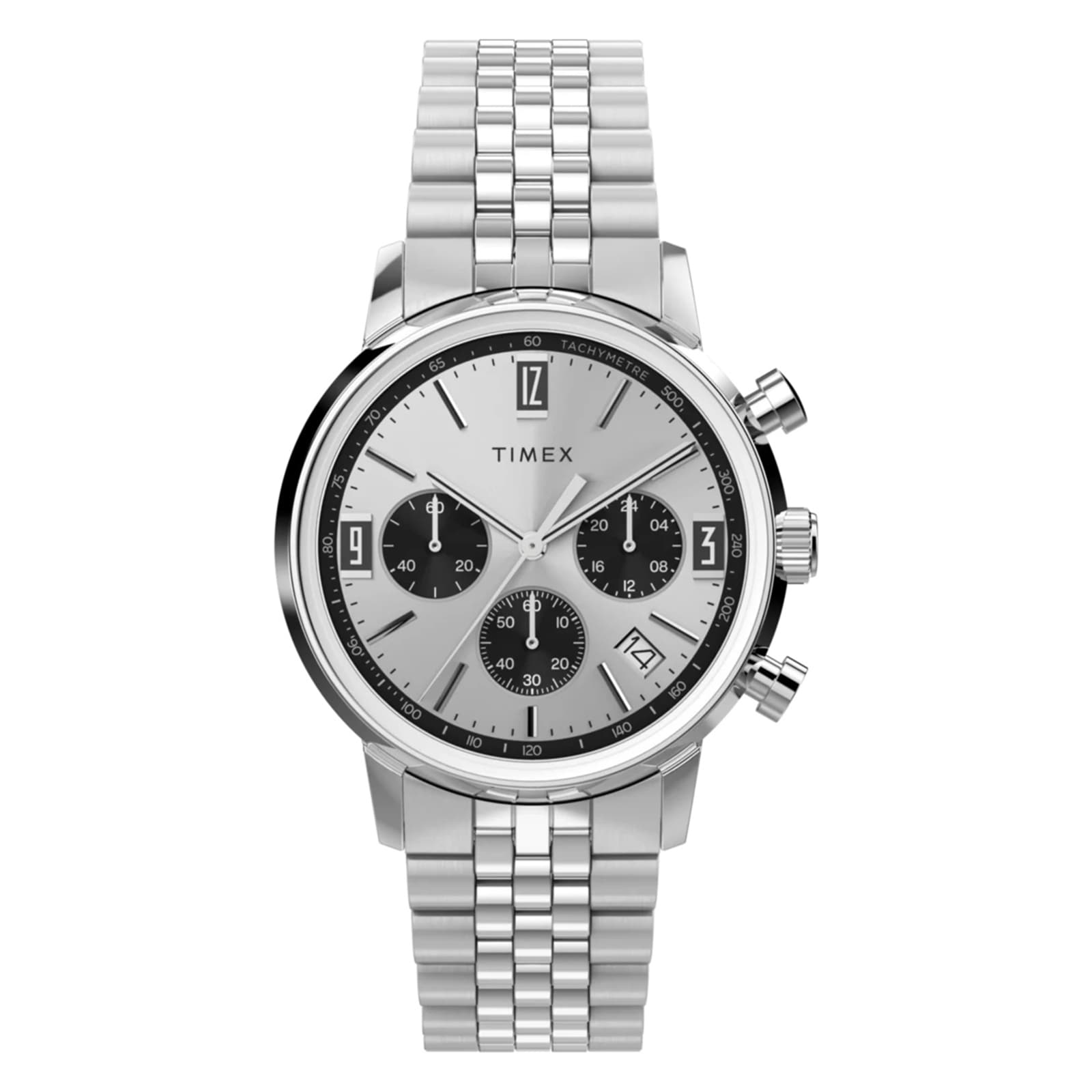
Timex
Marlin Chronograph Tachymeter 40mm Mens Watch Silver
£190
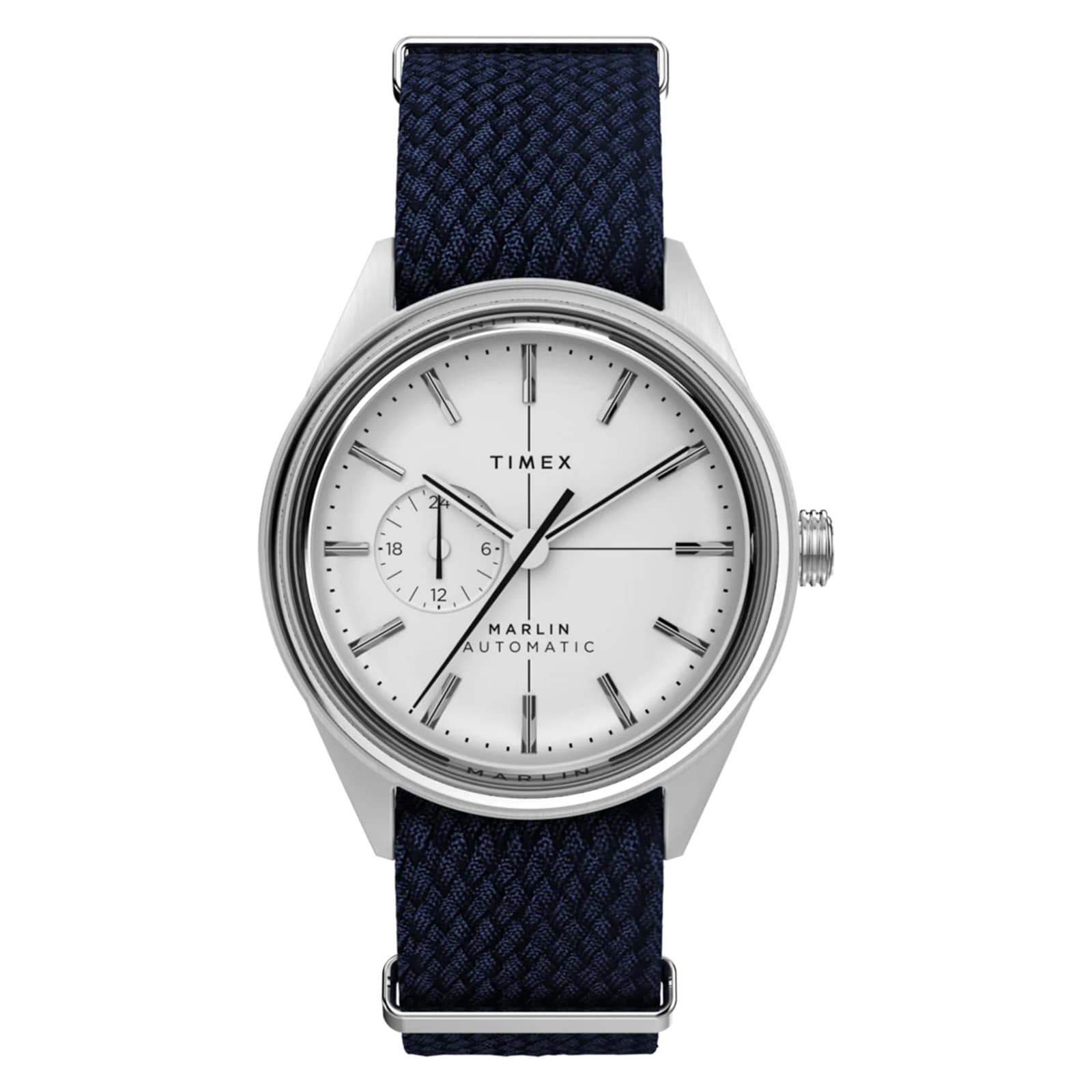
Timex
Marlin Jet Automatic Chronograph 38mm Mens Watch White
£280
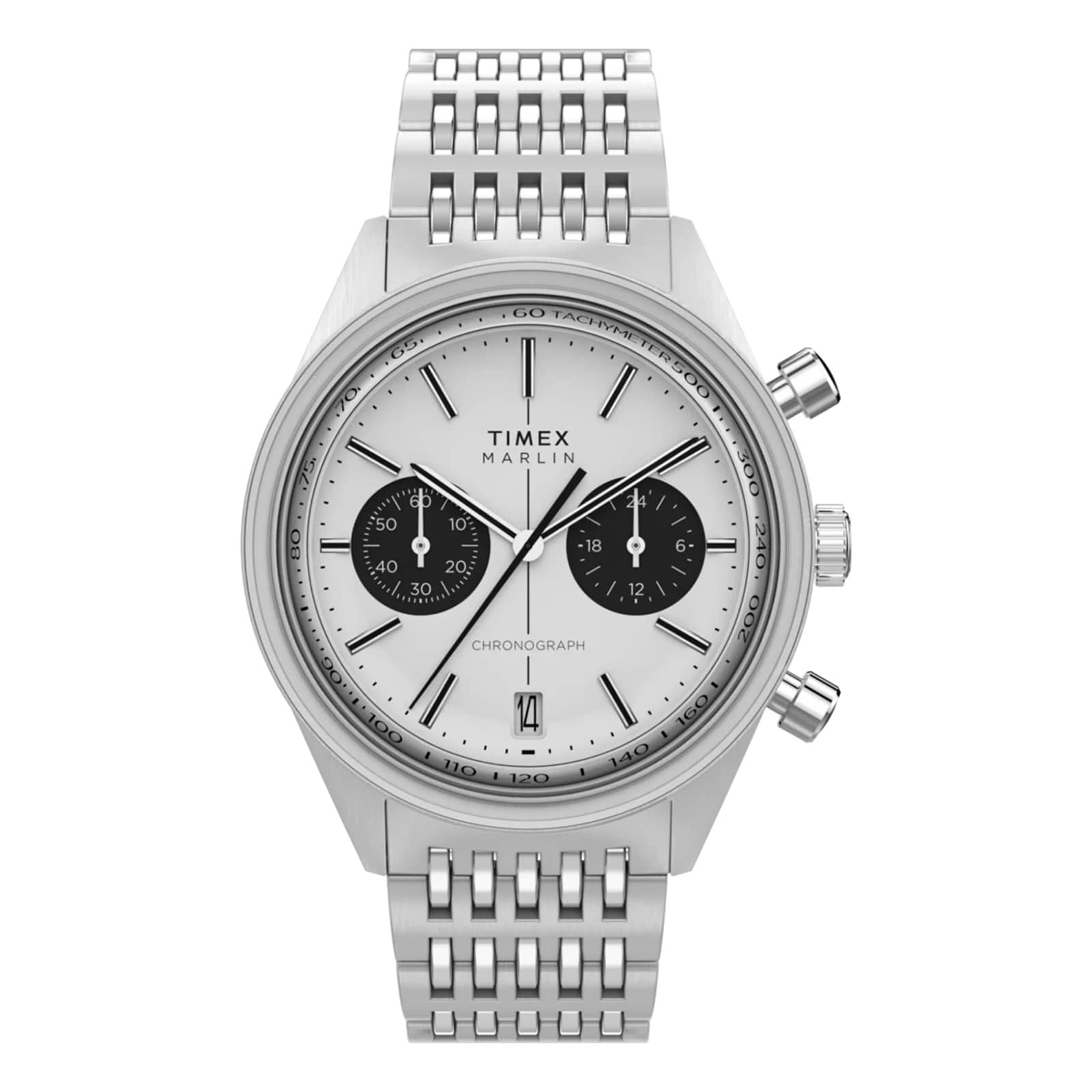
Timex
Marlin Jet Quartz Chronograph 40mm Mens Watch Silver
£280
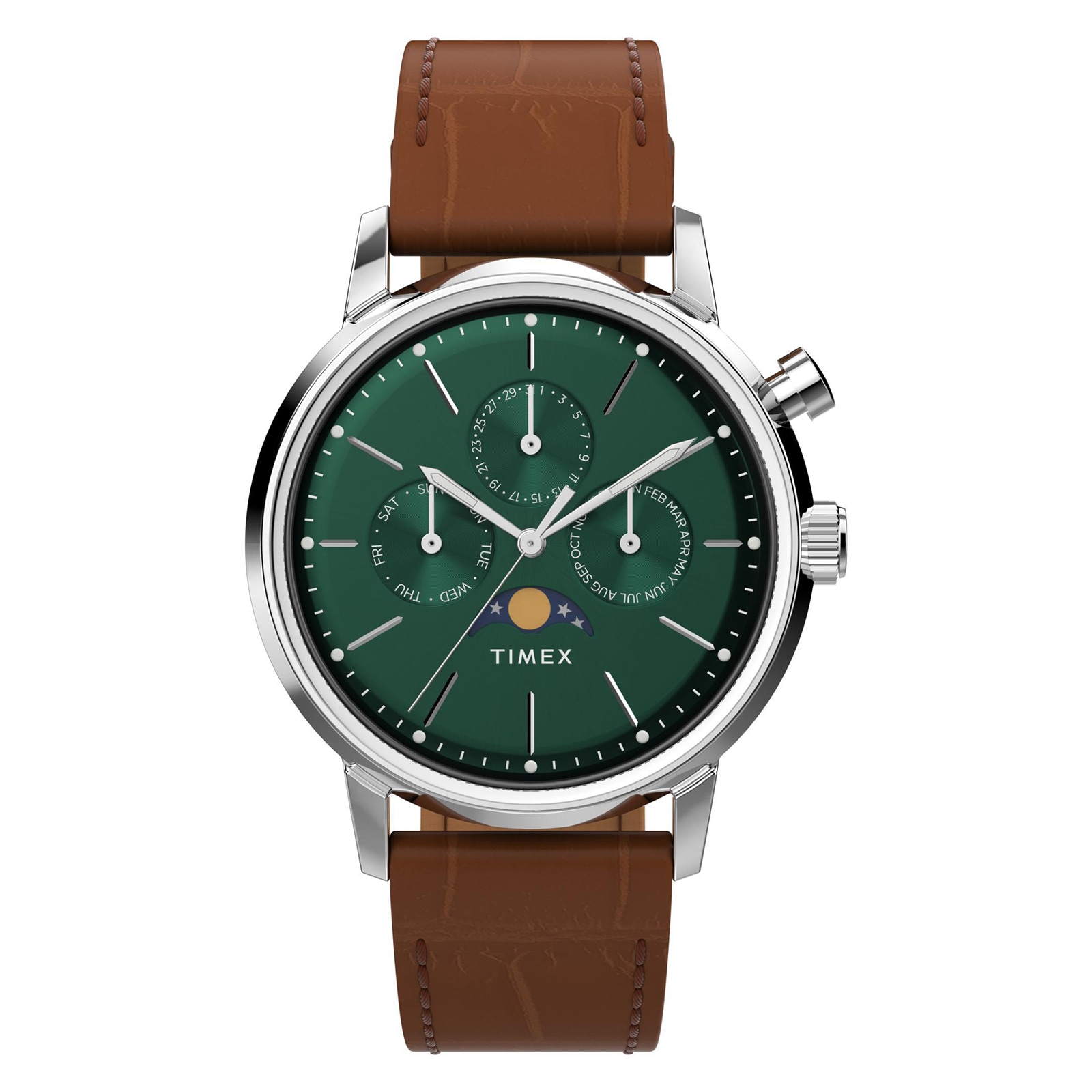
Timex
Marlin Moon Phase 40mm Mens Watch Green
£155
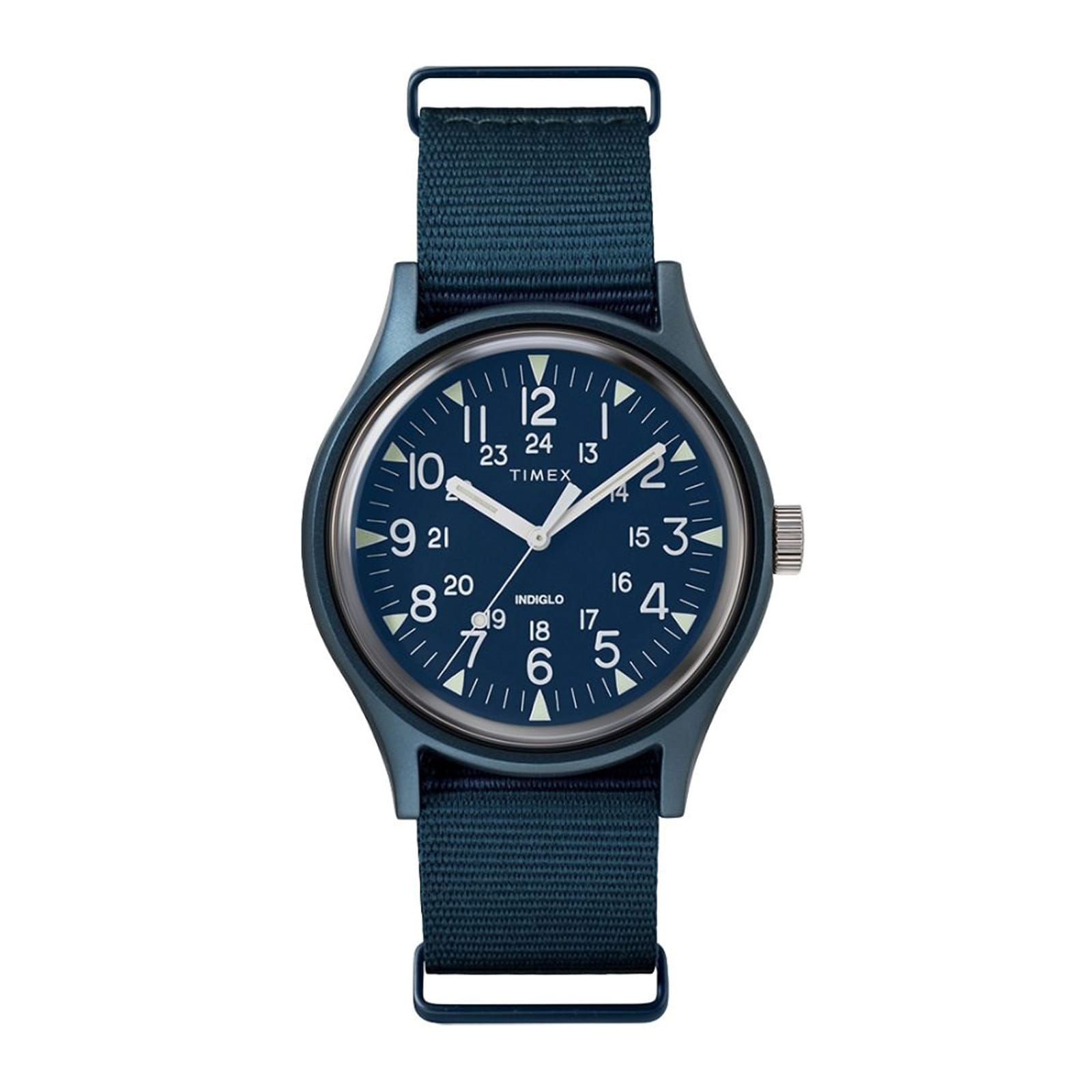
Timex
Military Indigo Blue IP Fabric 38mm Mens Watch
£80
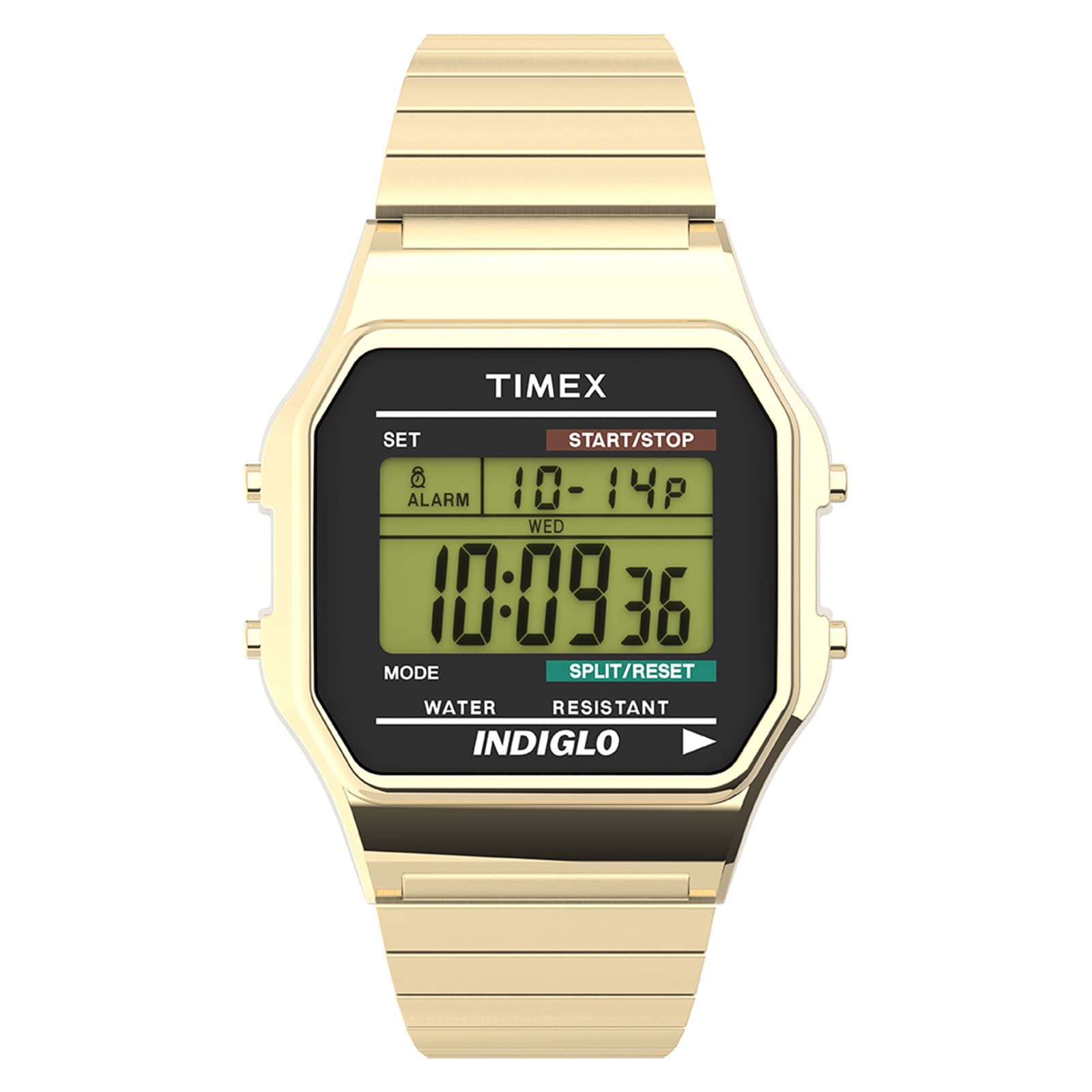

Timex
Q Timex Chronograph 40mm Mens Watch Black
£190
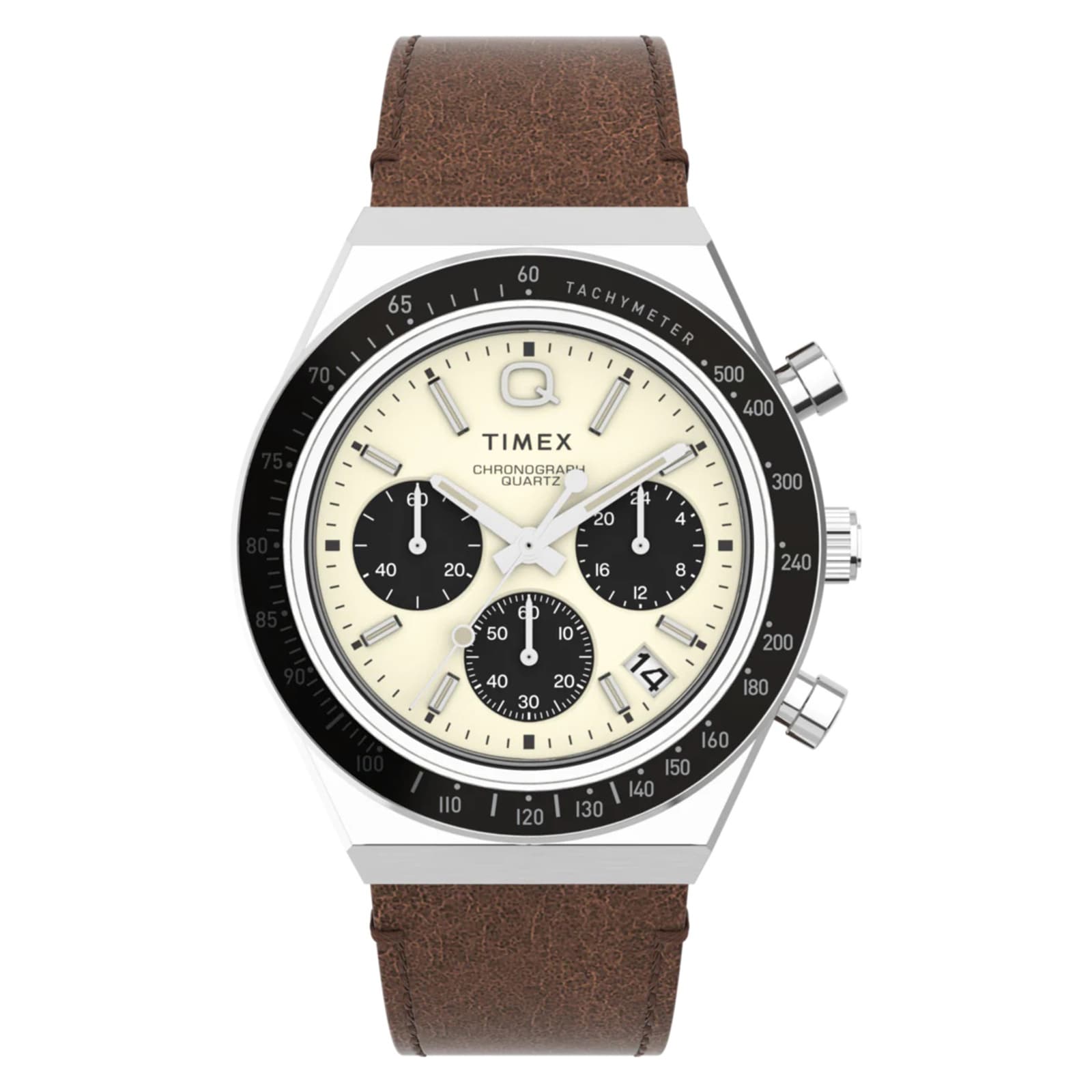
Timex
Q Timex Chronograph 40mm Mens Watch Cream
£190
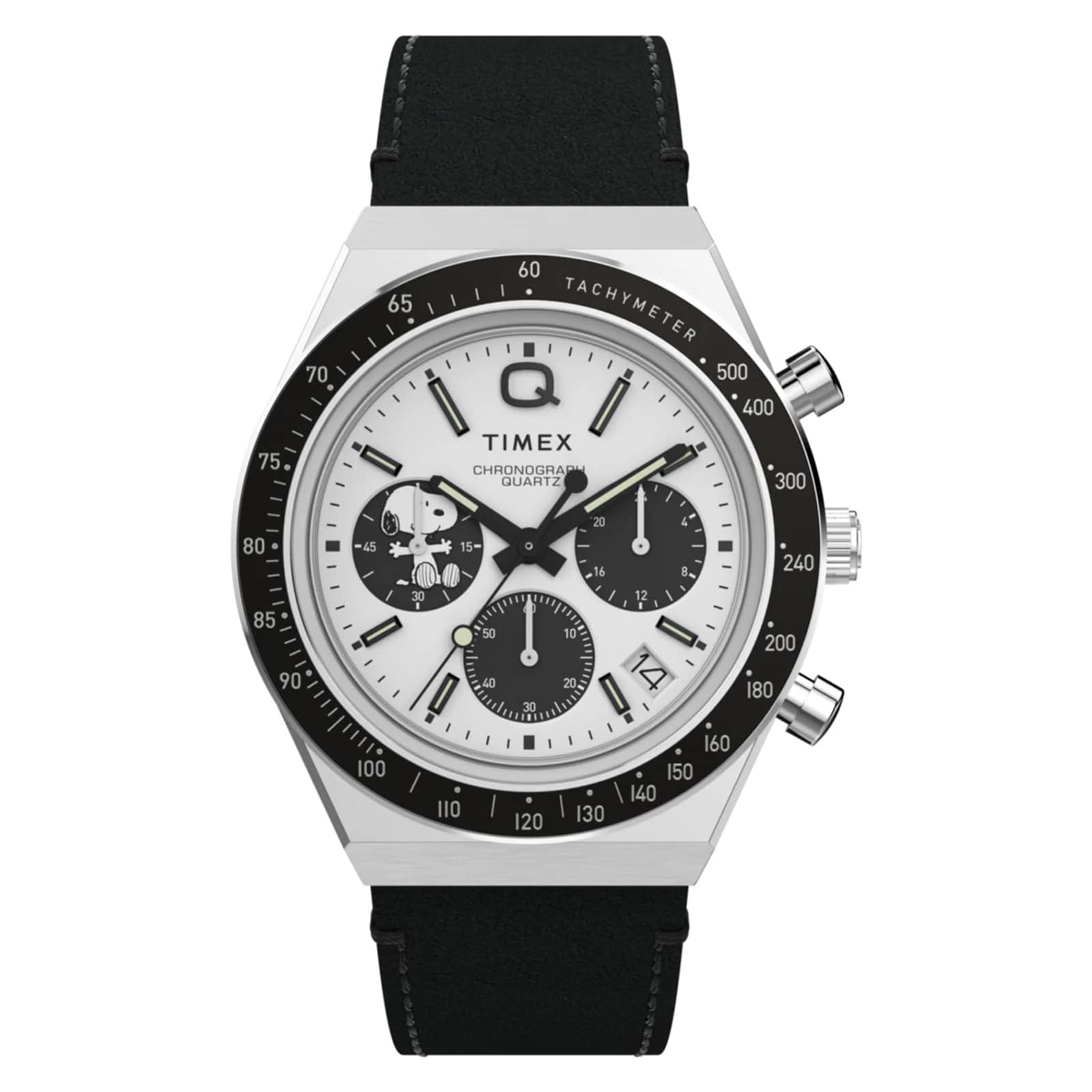
Timex
Q Timex Chronograph x Peanuts Snoopy 40mm Mens Watch White
£190
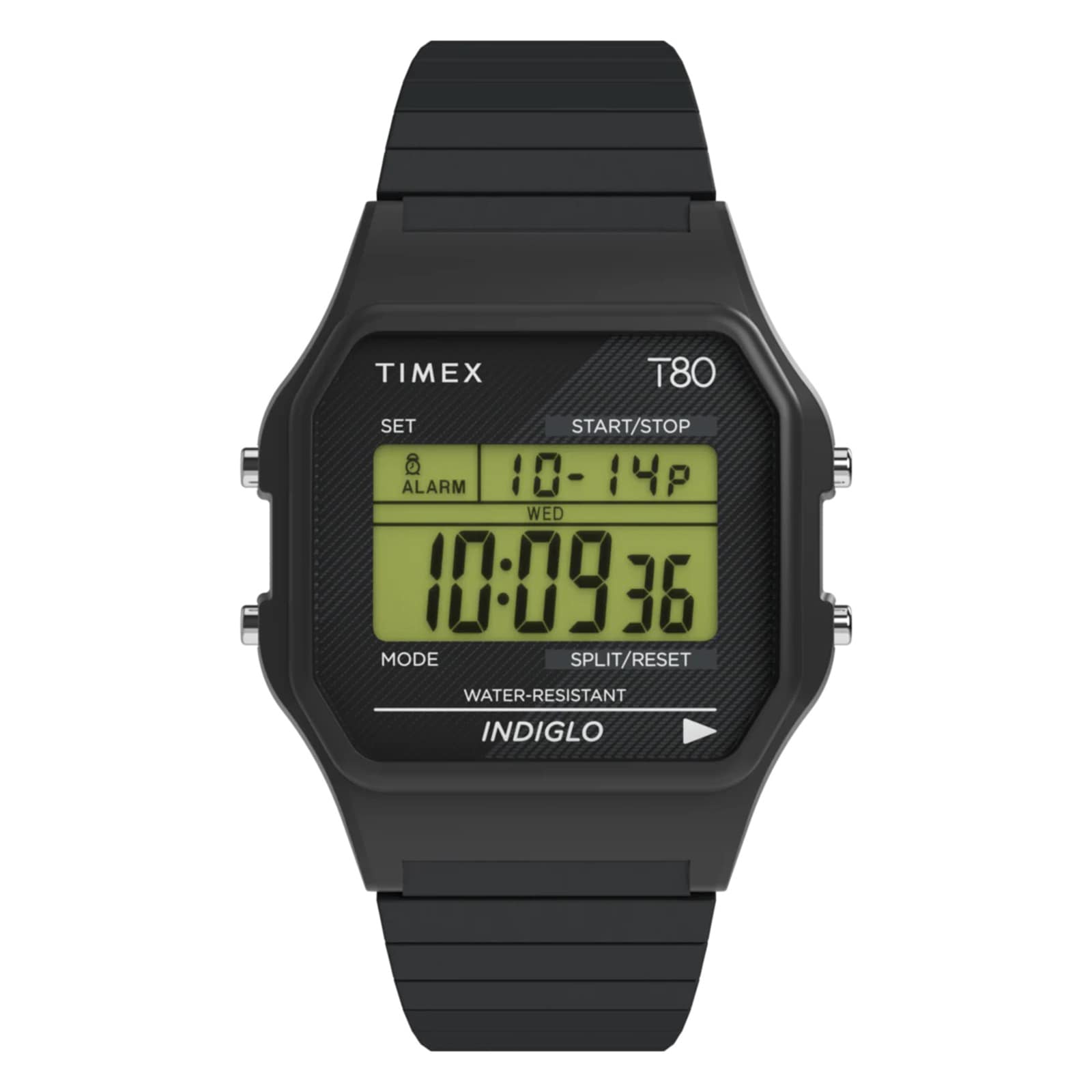

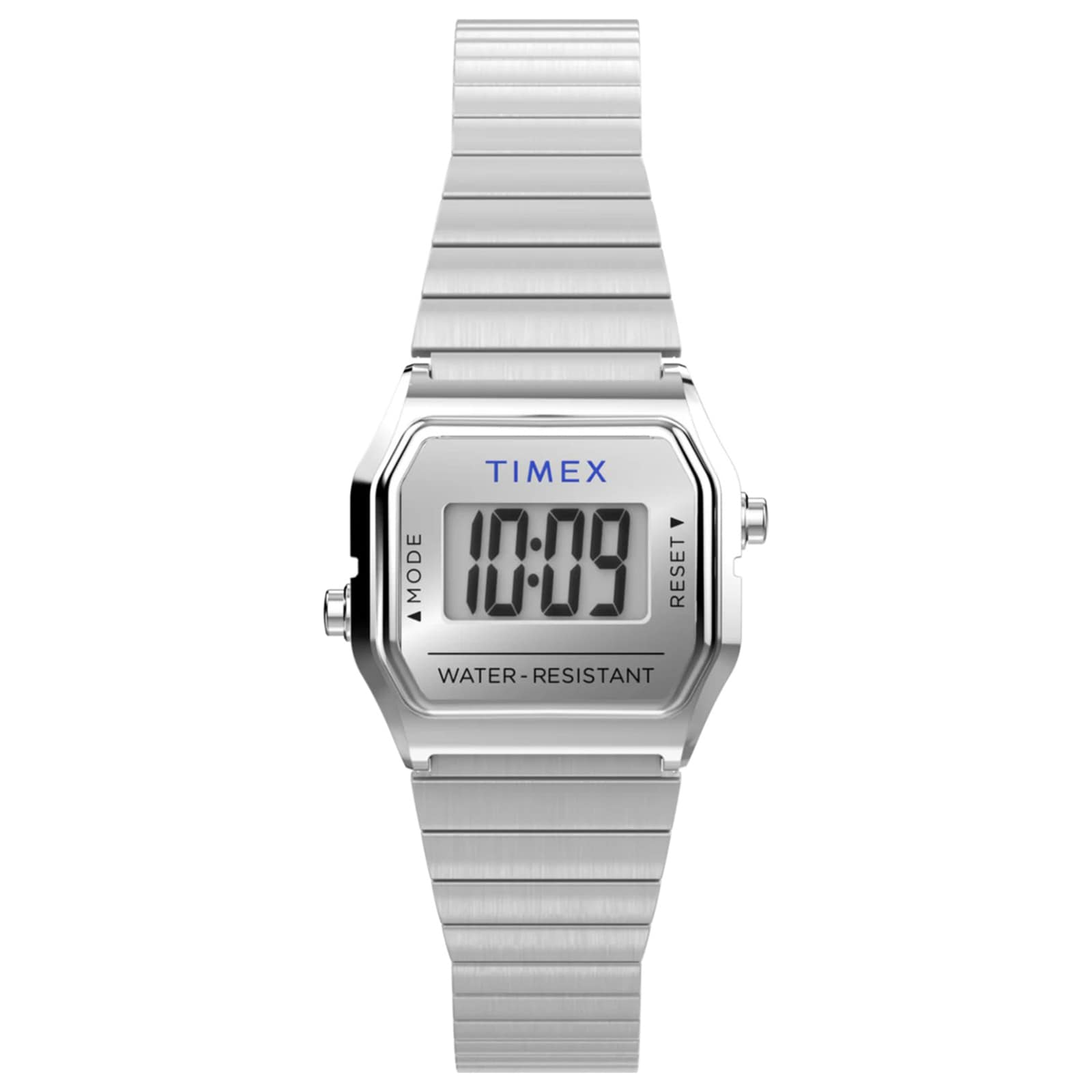
Timex
Teeny Tiny Timex Endorsed by Dimepiece 20mm Ladies Watch
£130
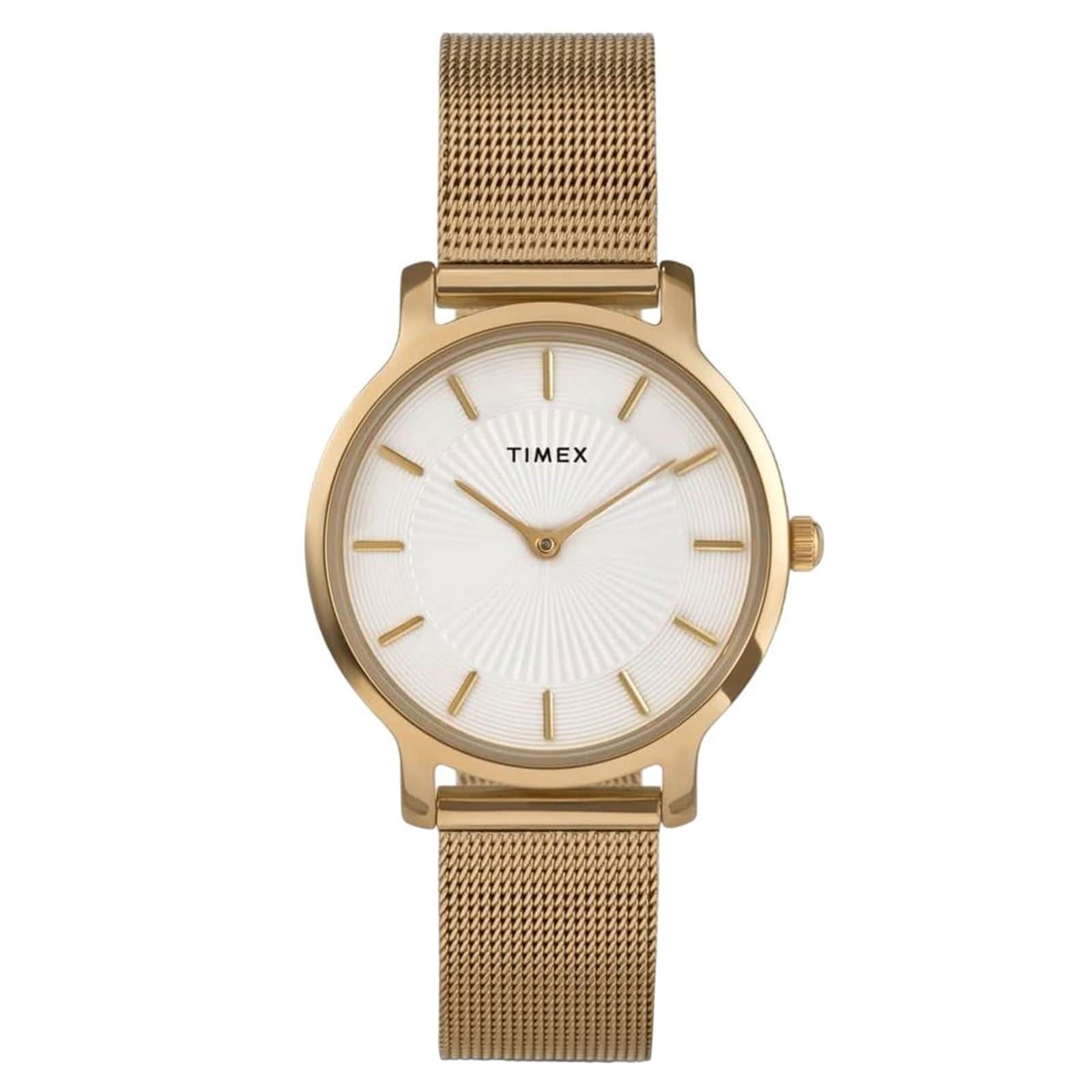
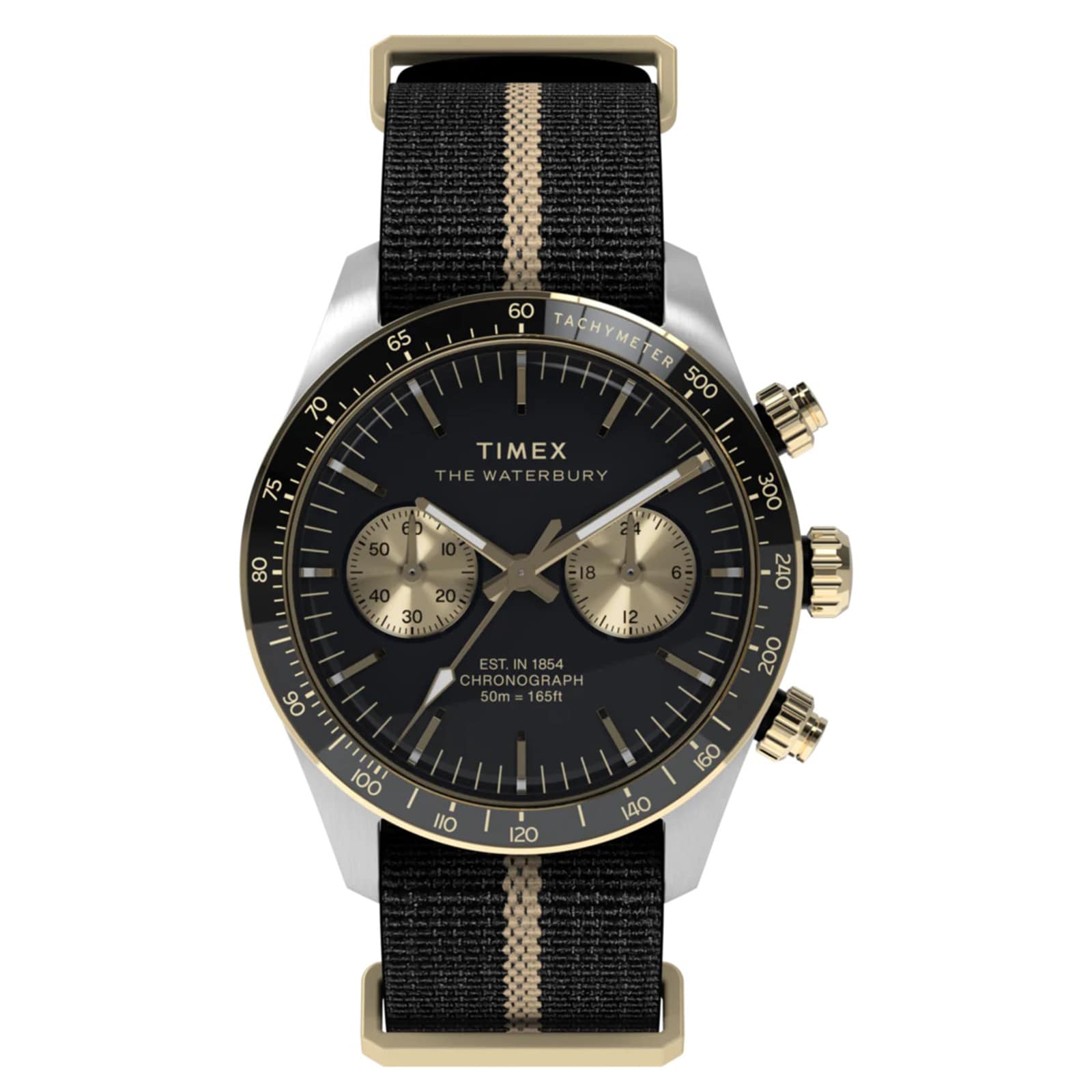
Timex
Waterbury Heritage Chronograph 39mm Mens Watch Black
£230
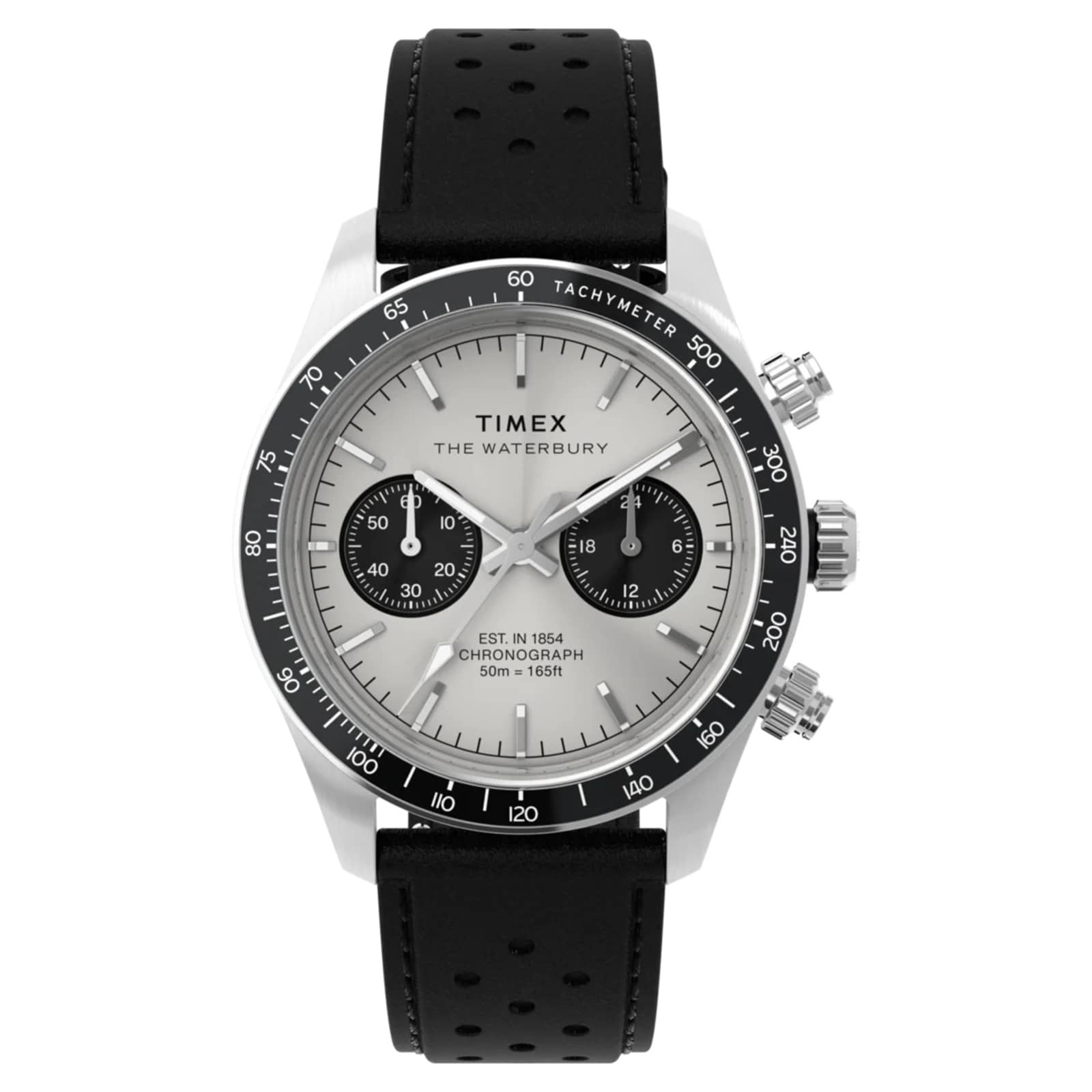
Timex
Waterbury Heritage Chronograph 39mm Mens Watch Silver
£245
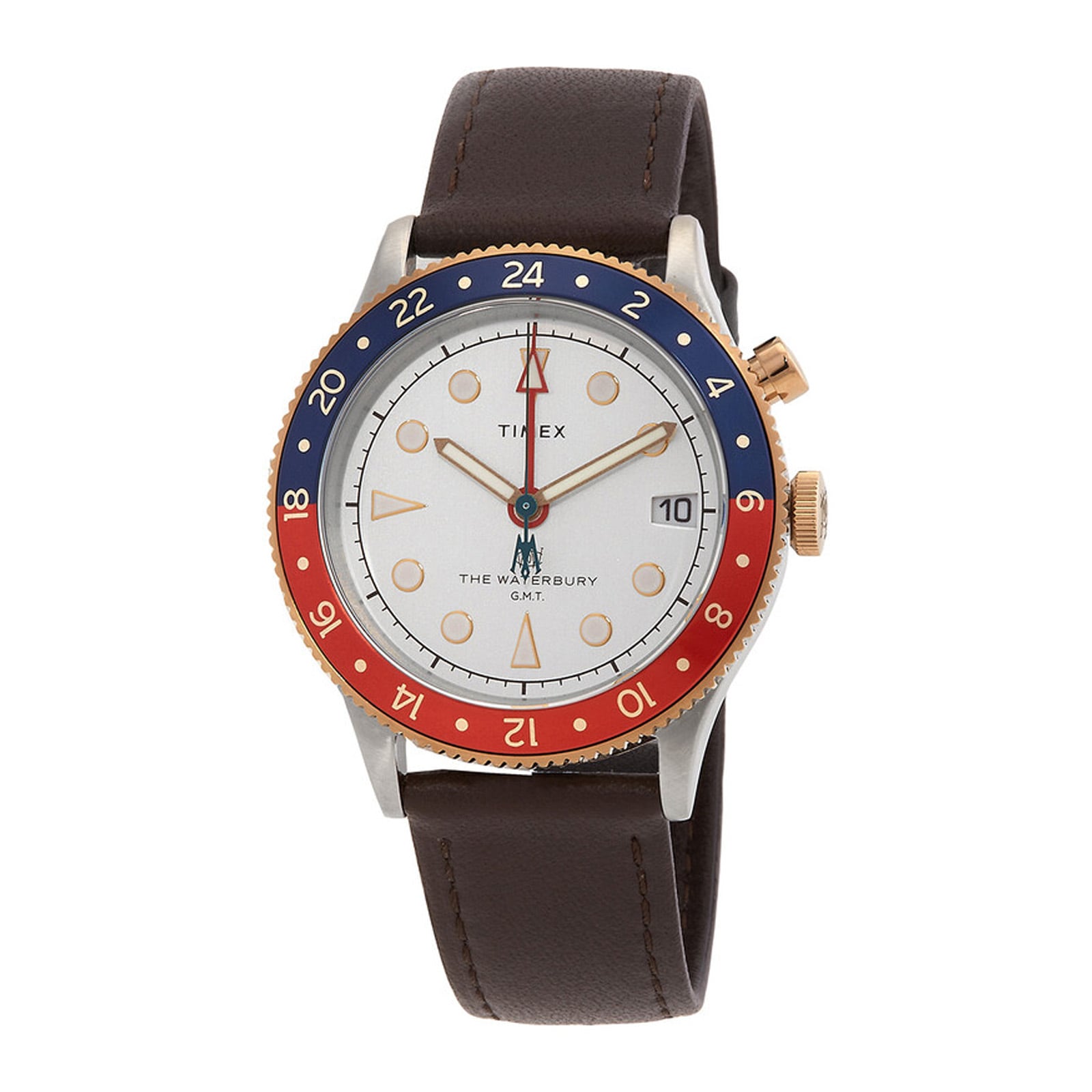
Timex
Waterbury Traditional GMT "Pepsi" Quartz 39mm Men's Watch
£180
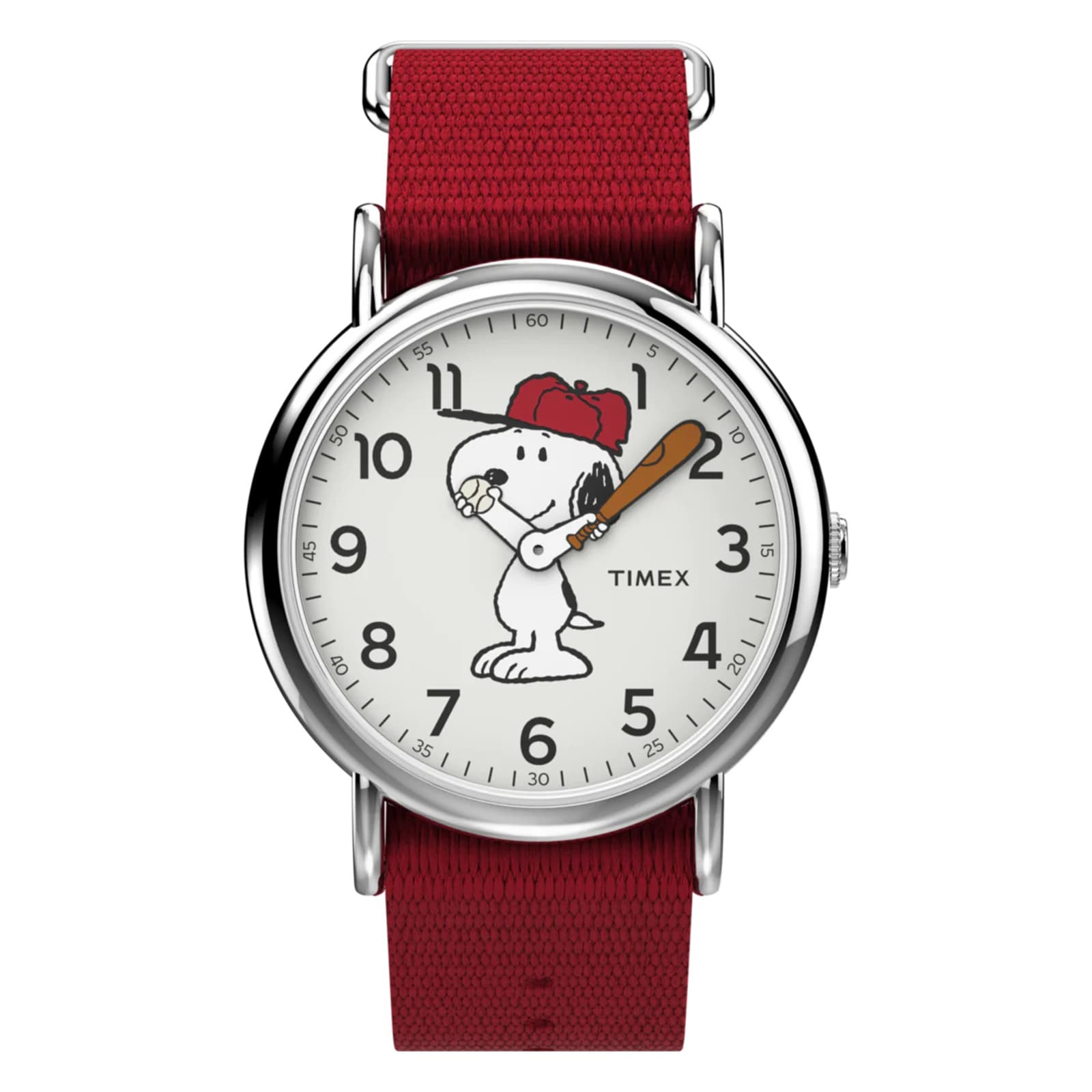
Timex
x Peanuts Snoopy 38mm Unisex Watch White
£65
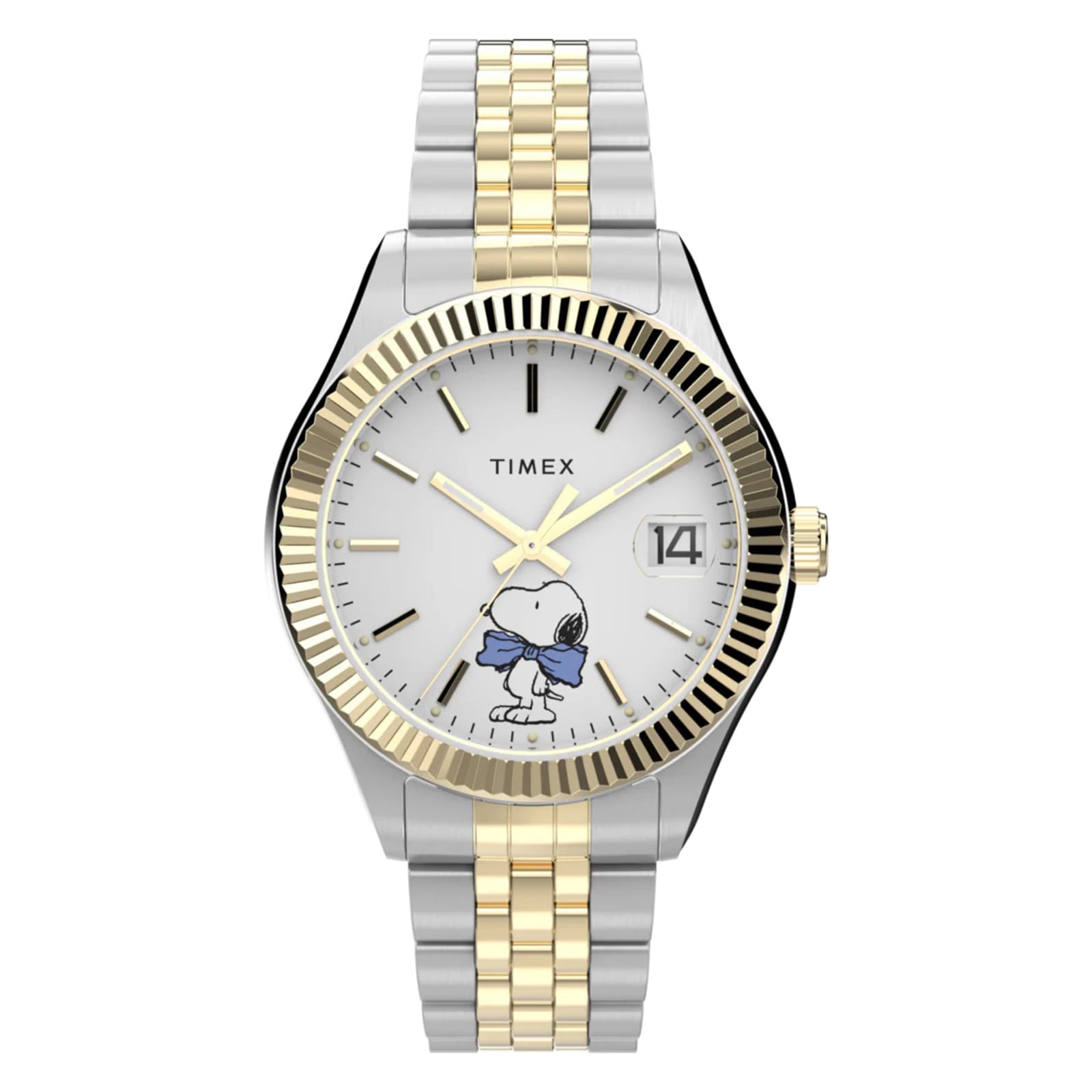
Timex
x Peanuts Timex Legacy Bowtie 34mm Ladies Watch White
£170