
Brand
Bulova
Est. 1875 · New York City, USA
American watchmaking pioneers, known for high-frequency precision movements.
Half cost less than £349, and a quarter less than £239.
Learn more about BulovaShow less
Joseph Bulova, a Bohemian immigrant, opened a jewellery shop on Maiden Lane in New York in 1875 and moved into watch manufacturing in the early twentieth century, building a plant in Sag Harbor and later a substantial operation in Queens.
Bulova's instinct for firsts was commercial as much as technical. It ran the first national advertisement for a watch brand in 1926, broadcast the first radio commercial in American history — a time announcement — in 1926, and aired the first television commercial ever broadcast in 1941, paying nine dollars for the slot.
The engineering came too. The Accutron of 1960 replaced the balance wheel with a tuning fork vibrating at 360 Hz, driven electronically. It was accurate to within a minute a month, far beyond mechanical watches, and it hummed rather than ticked. NASA used Accutron timing mechanisms in spacecraft, and one was left on the Moon in the equipment package of Apollo 11.
Bulova also made an enormous contribution to American war production, supplying military timing devices, and founded a school of watchmaking for disabled veterans.
The company was acquired by Citizen in 2008. Modern collections include the Precisionist, with a high-frequency quartz movement producing a smooth sweeping seconds hand, and reissues of the Accutron and the 1970s Computron.
Bulova holds 109 models, from £125 to £1,250. Half cost less than £349, and a quarter less than £239. 42 of 109 are automatic. Prices are checked nightly against the retailers’ own feeds.
- 1875
- Joseph Bulova opens his New York shop.
- 1941
- Airs the first television commercial in history.
- 1960
- The Accutron tuning fork movement is released.
- 1969
- An Accutron timer is left on the Moon by Apollo 11.
- 2008
- Acquired by Citizen.
121 watches

Bulova
96A170 Stainless Steel Automatic Skeleton Bracelet Watch - W09156
£220
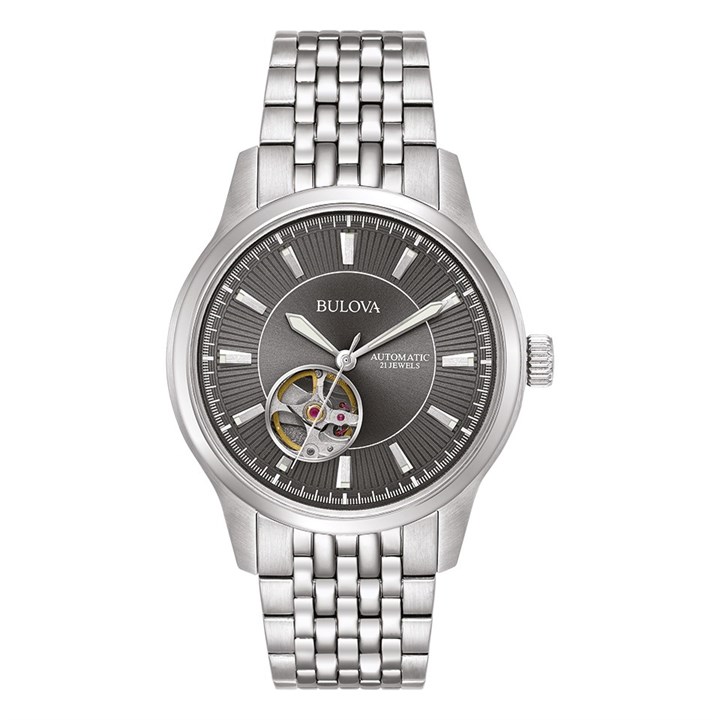
Bulova
96A190 Stainless Steel Automatic Bracelet Watch - W09300
£170

Bulova
96A216 Classic Stainless Steel Chronograph Bracelet Watch - W09205
£150
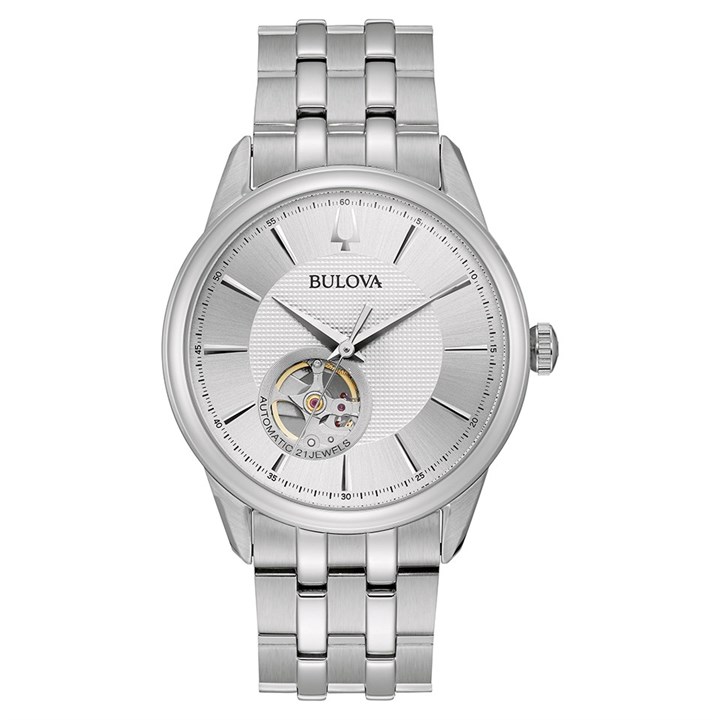
Bulova
96A243 Classic Automatic Stainless Steel Bracelet Watch - W09269
£199
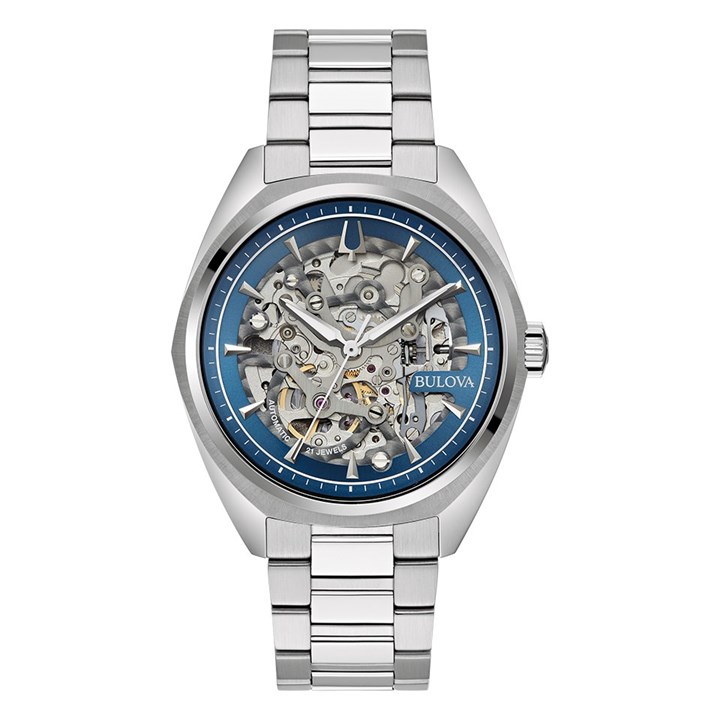
Bulova
96A292 Surveyor Automatic Skeleton Bracelet Watch - W09312
£399
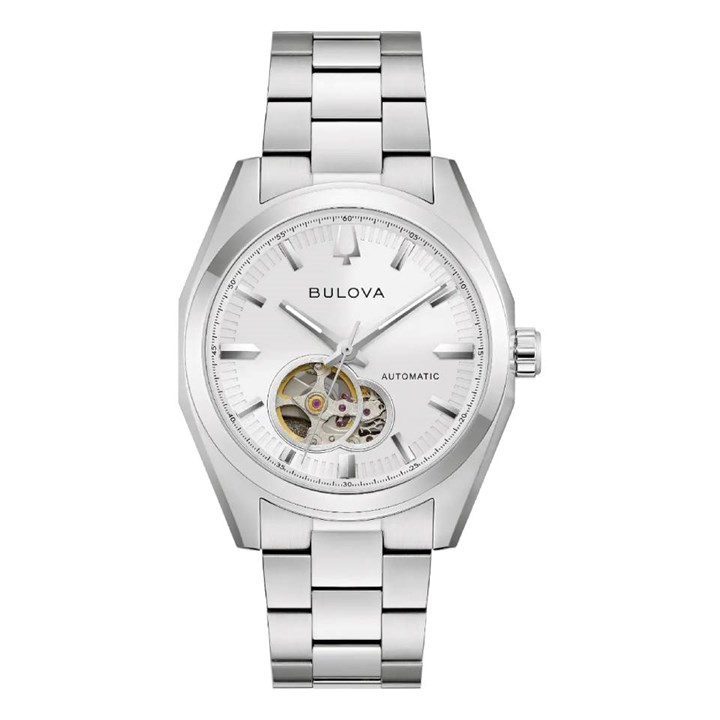
Bulova
96A345 Surveyor Automatic Watch - W09411
£329
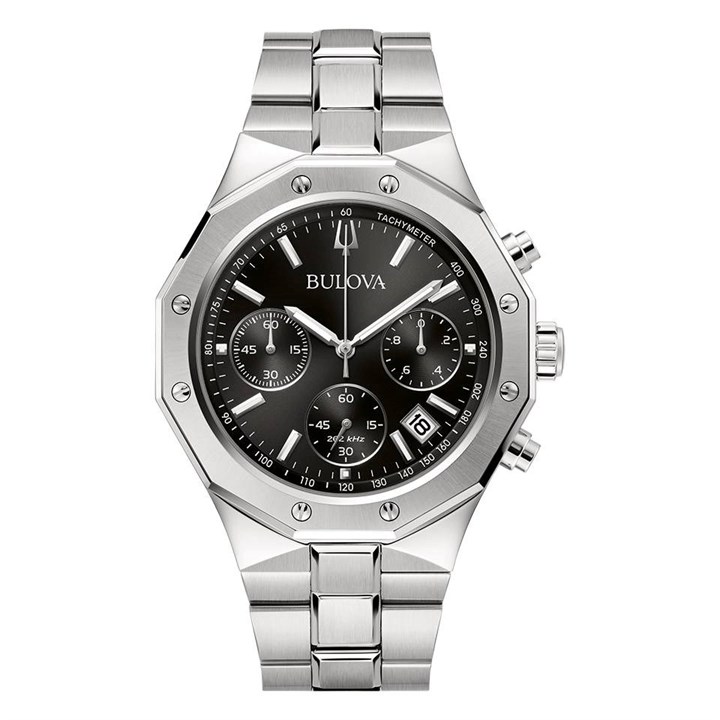
Bulova
96B410 Chronograph Bracelet Watch - W09320
£299
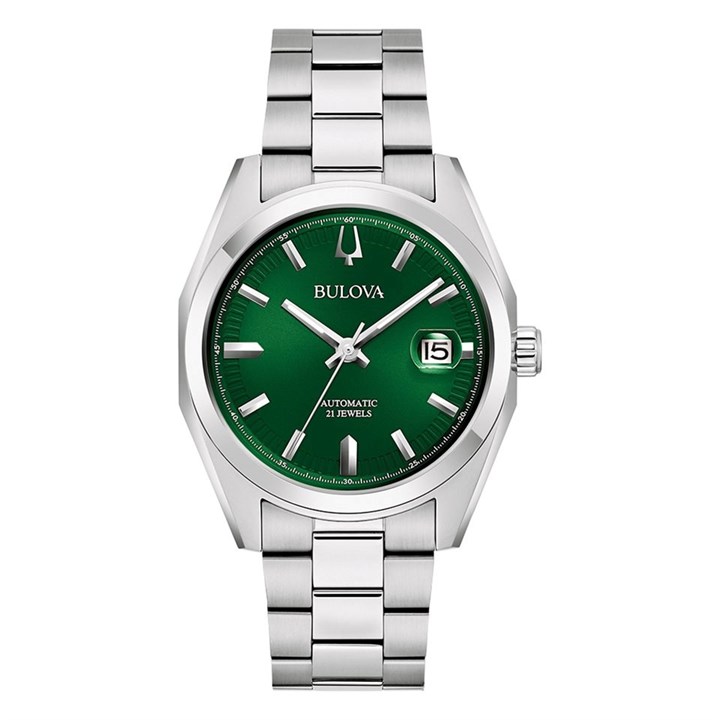
Bulova
96B429 Surveyor Automatic Bracelet Watch - W09391
£299
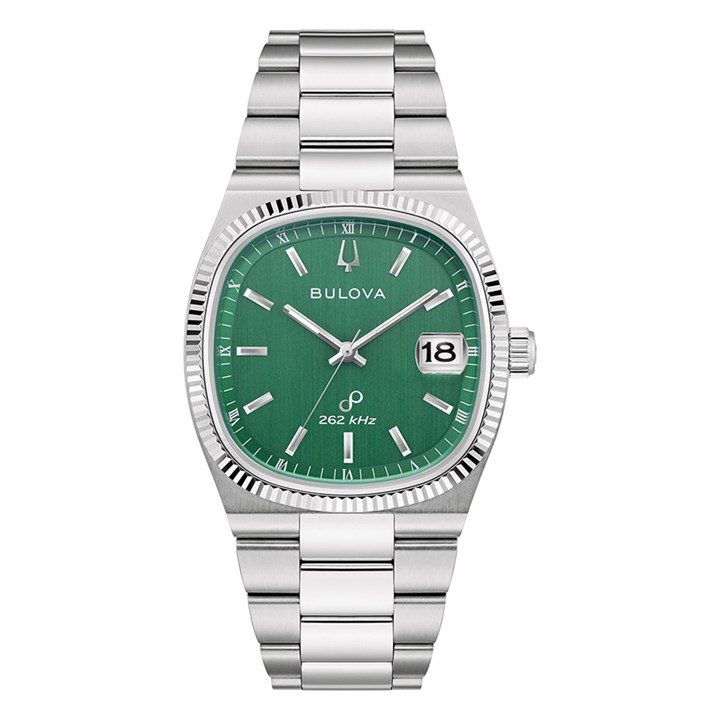
Bulova
96B439 Super Seville Stainless Steel Bracelet Watch - W09341
£349
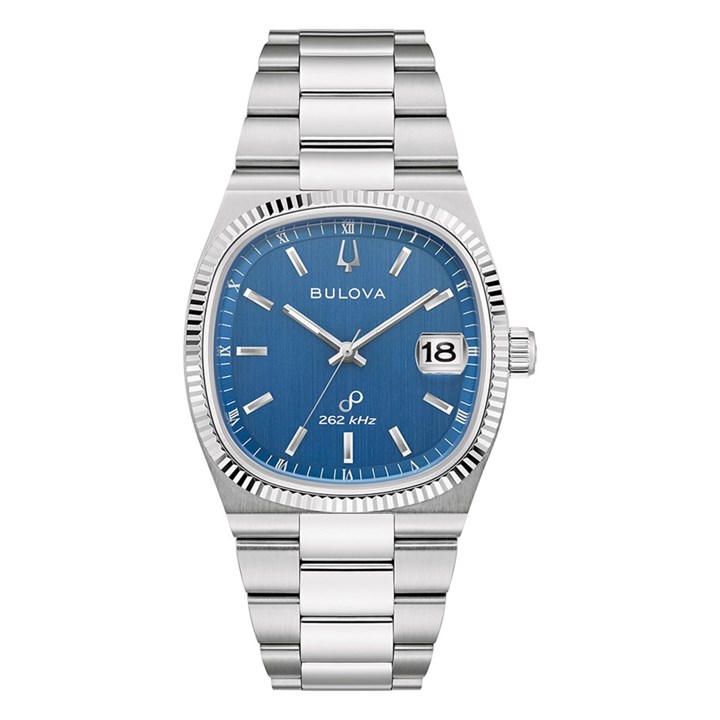
Bulova
96B440 Super Seville Stainless Steel Bracelet Watch - W09342
£349
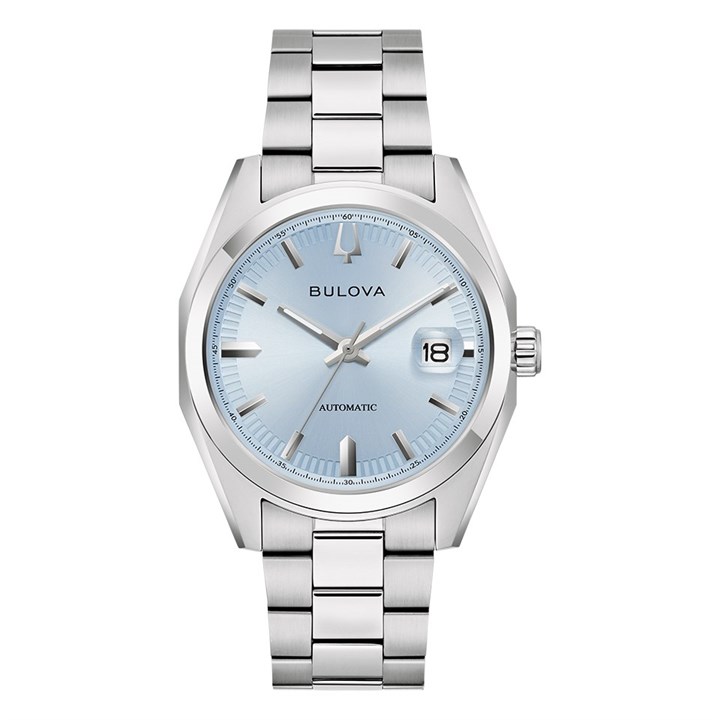
Bulova
96B469 Surveyor Automatic Bracelet Watch - W09390
£299
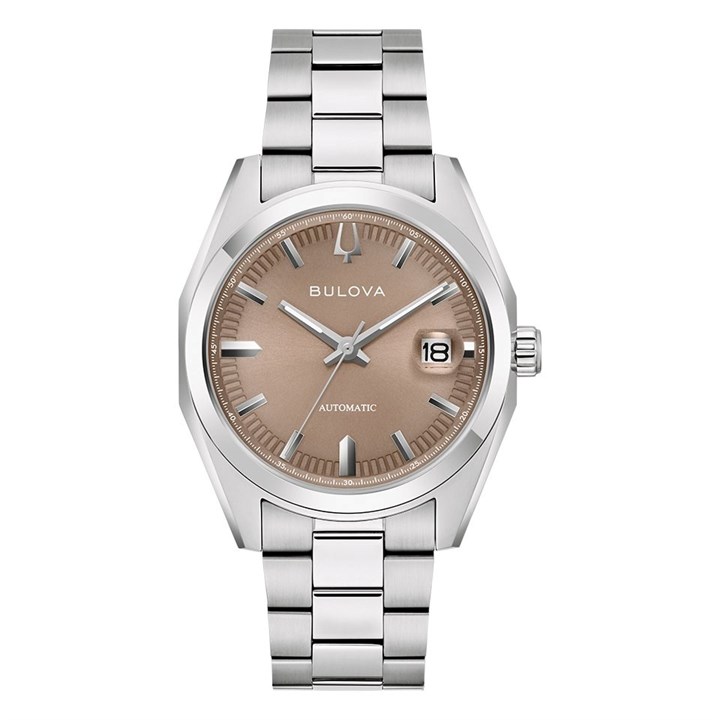
Bulova
96B470 Surveyor Automatic Bracelet Watch - W09389
£239

Bulova
96C125 Classic Stainless Steel Bracelet Watch - W09114
£219
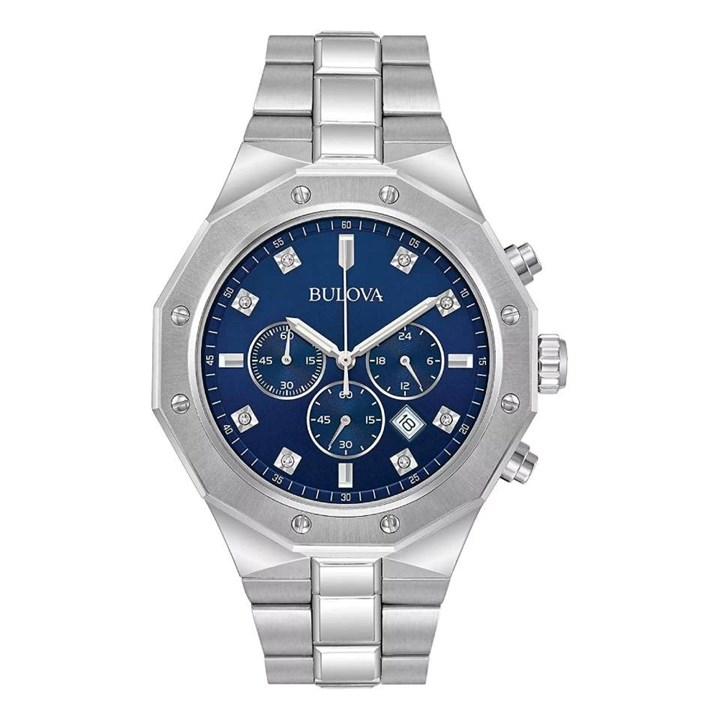
Bulova
96D138 Diamond Chronograph Bracelet Watch - W09331
£250
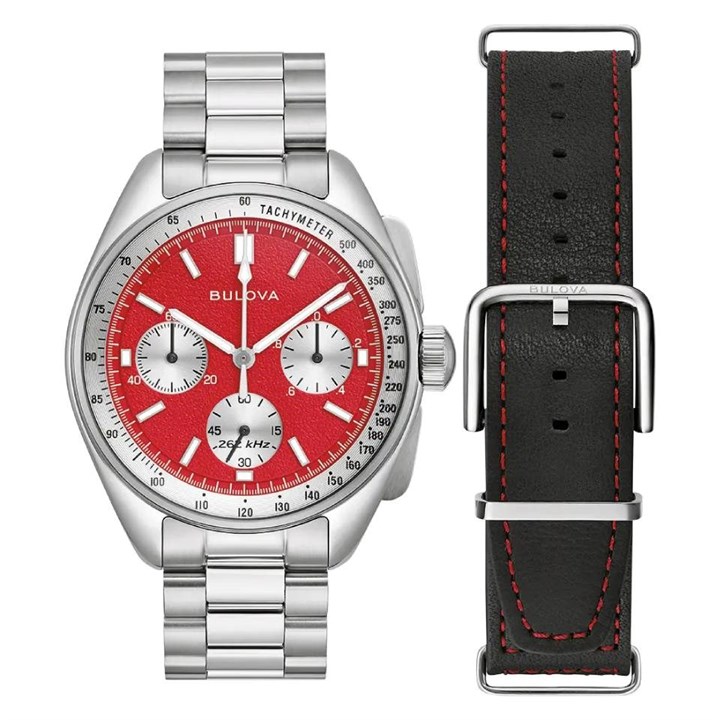
Bulova
96K115 Archive Series Lunar Pilot Blood Moon Watch And Nato Strap - W09339
£399
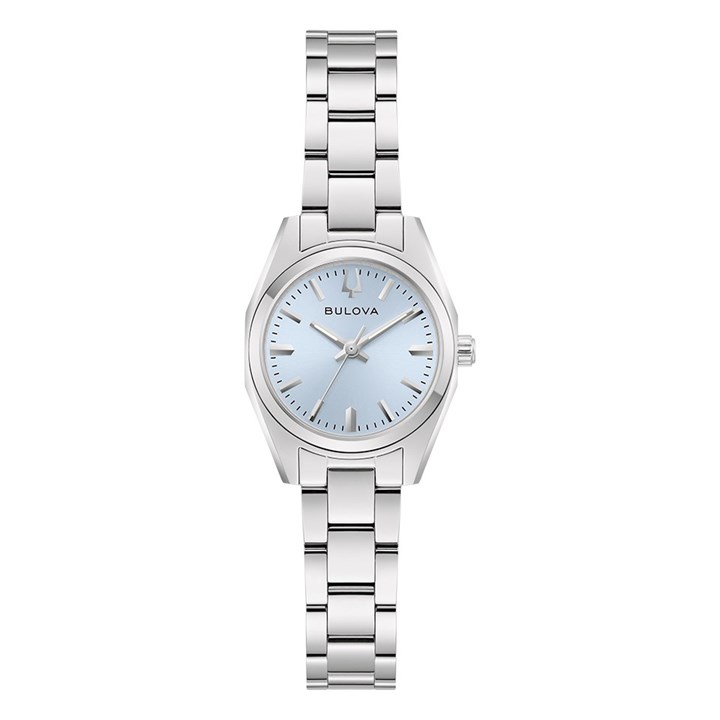
Bulova
96L345 Surveyor Blue Dial Bracelet Watch - W83239
£219
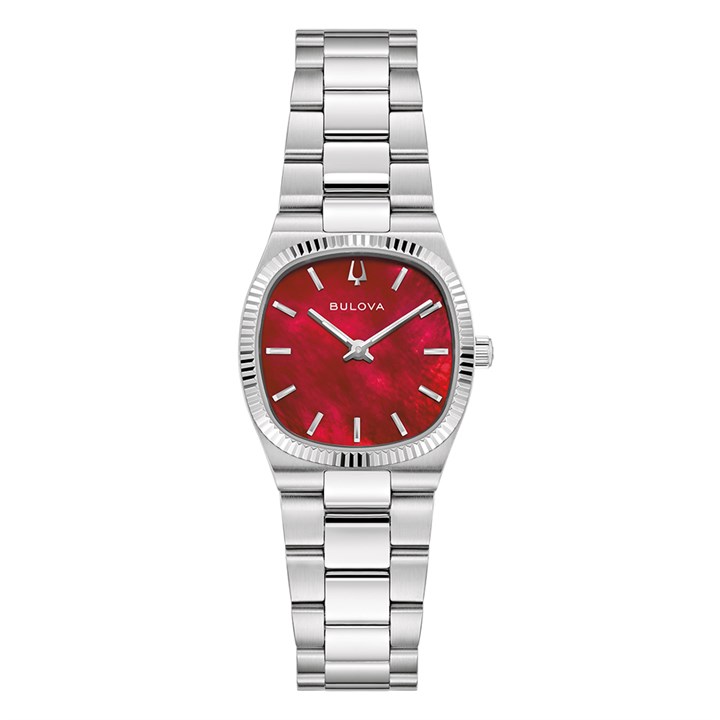
Bulova
96L354 Super Seville Mini Red Dial Bracelet Watch - W83247
£399

Bulova
96P263 Goddess of Time Bracelet Watch - W83258
£279
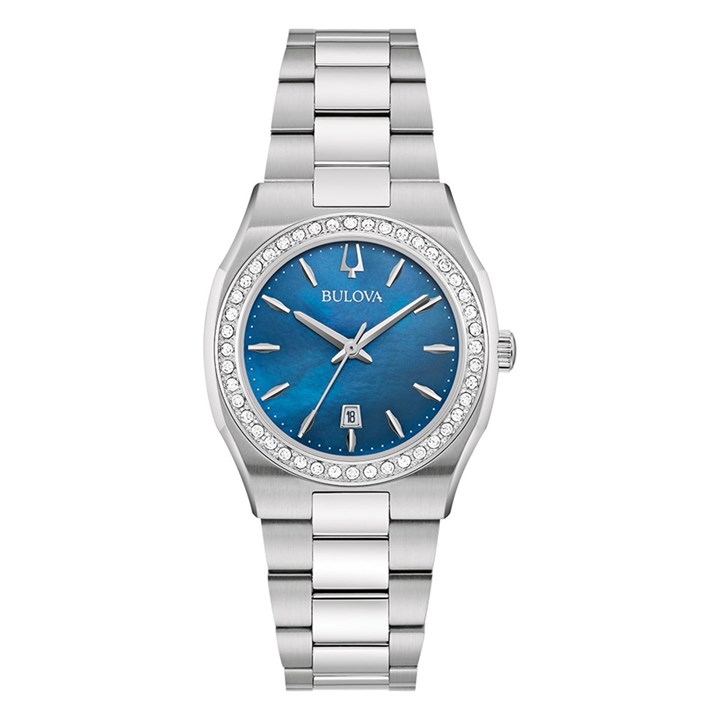
Bulova
96R246 Surveyor Diamond Bracelet Watch - W83220
£209
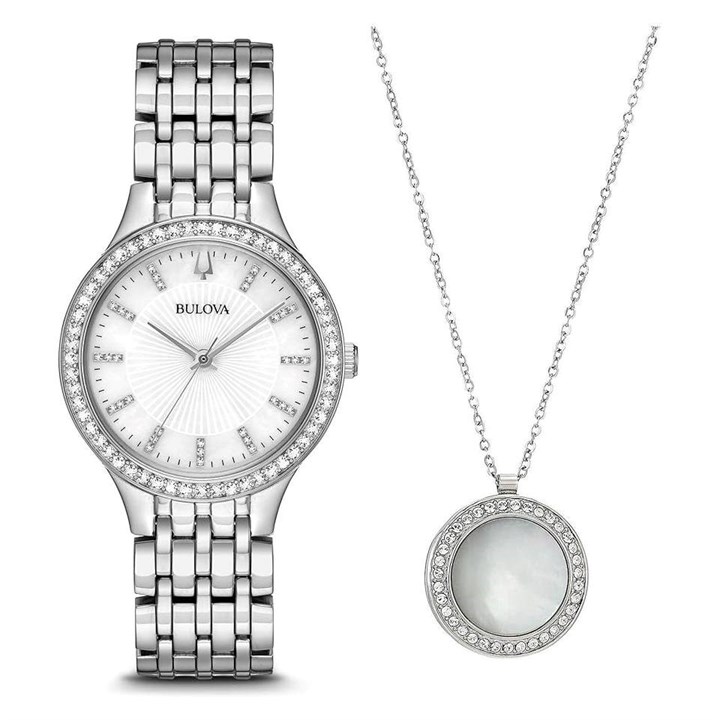
Bulova
96X146 Stainless Steel Crystal Watch And Necklace Gift Set - W83196
£175

Bulova
97A131 Automatic Gold Tone Bracelet Watch - W09304
£199
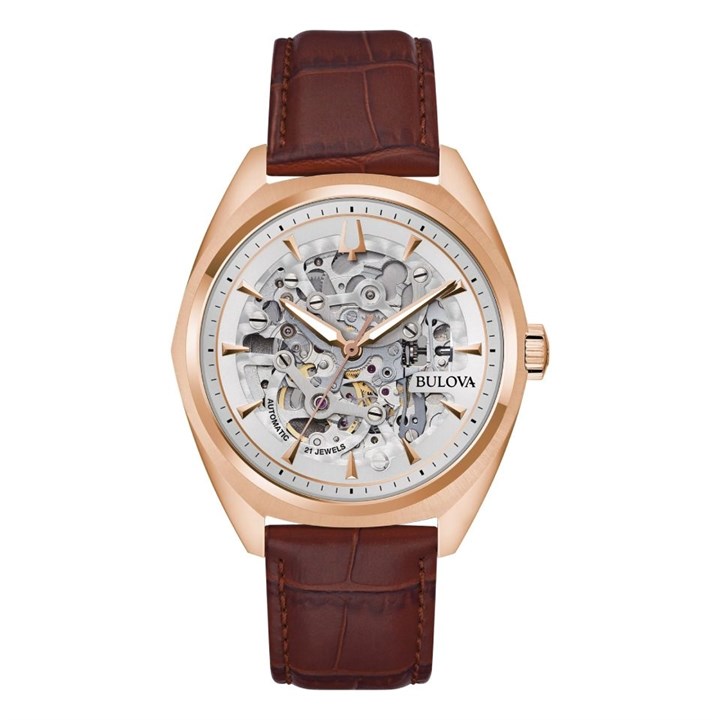
Bulova
97A175 Surveyor Automatic Brown Strap Watch - W09348
£279
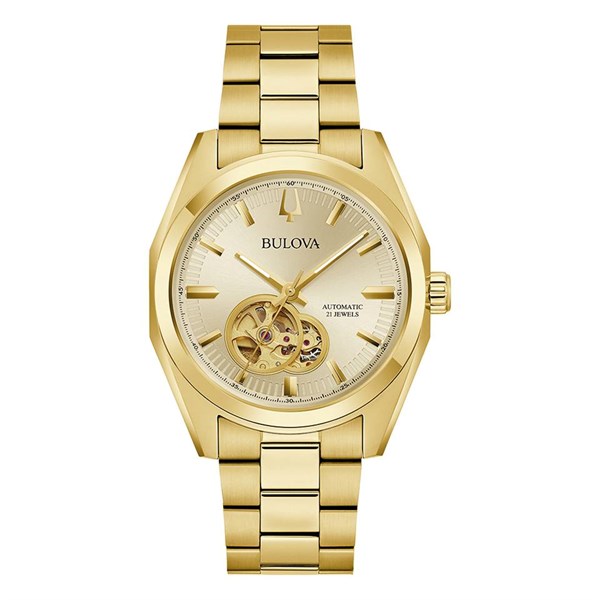
Bulova
97A182 Surveyor Automatic Bracelet Watch - W09335
£349
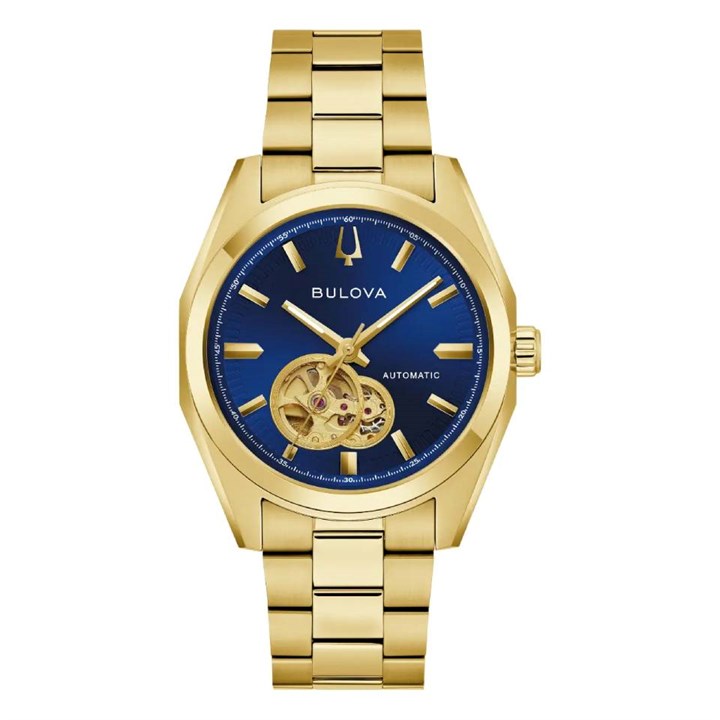
Bulova
97A203 Surveyor Automatic Bracelet Watch - W09412
£349
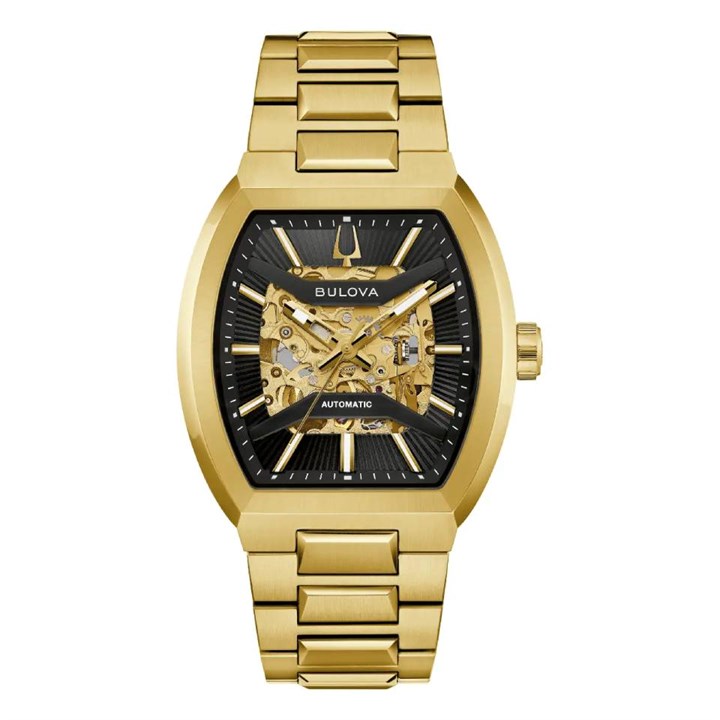
Bulova
97A207 Maquina Automatic Bracelet Watch - W09417
£549
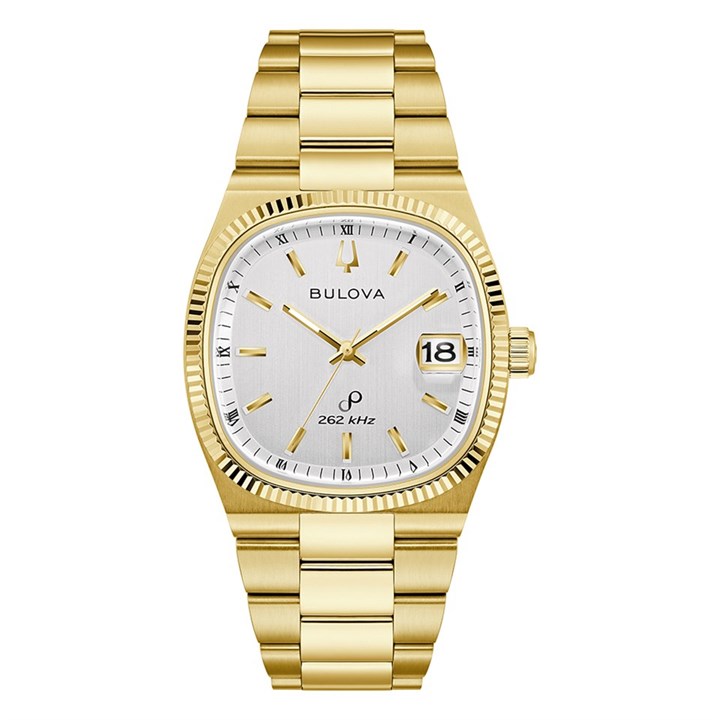
Bulova
97B223 Super Seville Gold Tone Bracelet Watch - W09343
£499
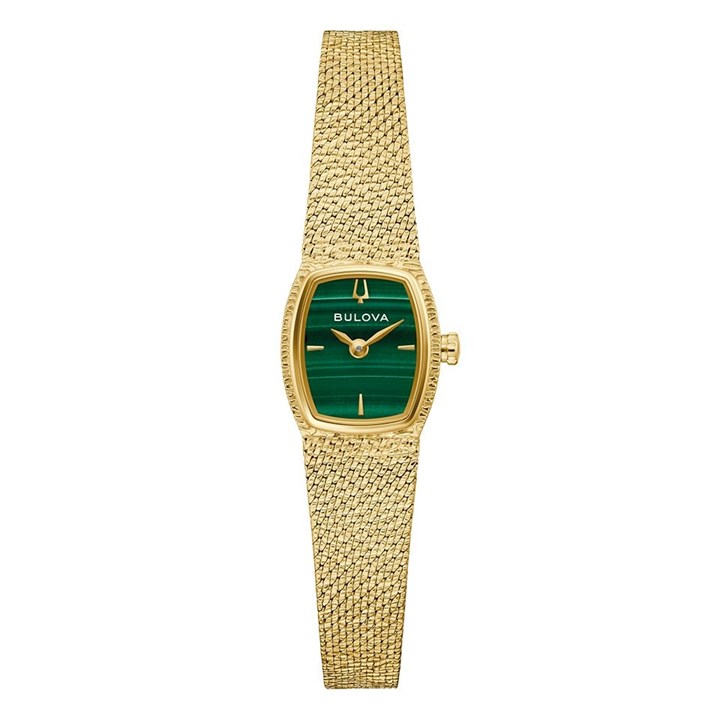
Bulova
97L184 Goddess Of Time Gold Tone Mesh Bracelet Watch - W83236
£319
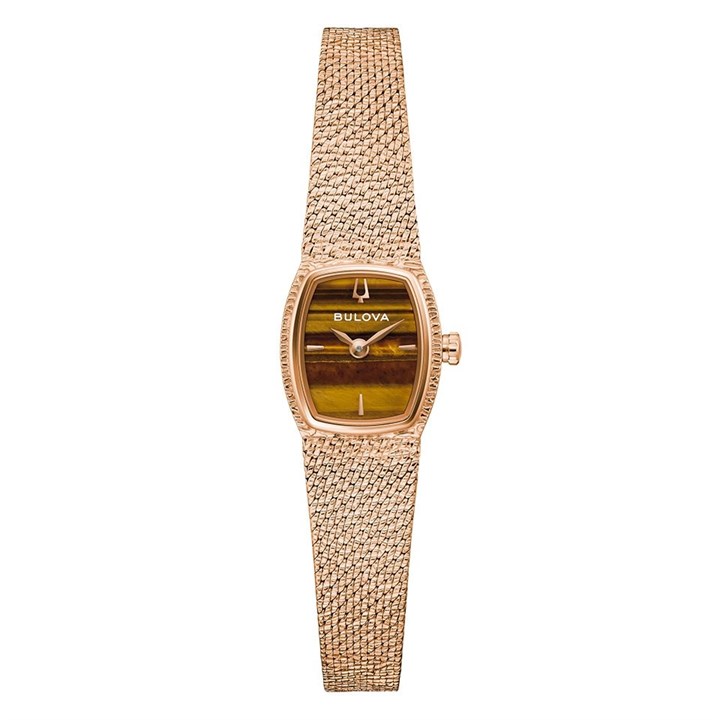
Bulova
97L185 Goddess Of Time Tiger's Eye Mesh Bracelet Watch - W83237
£249
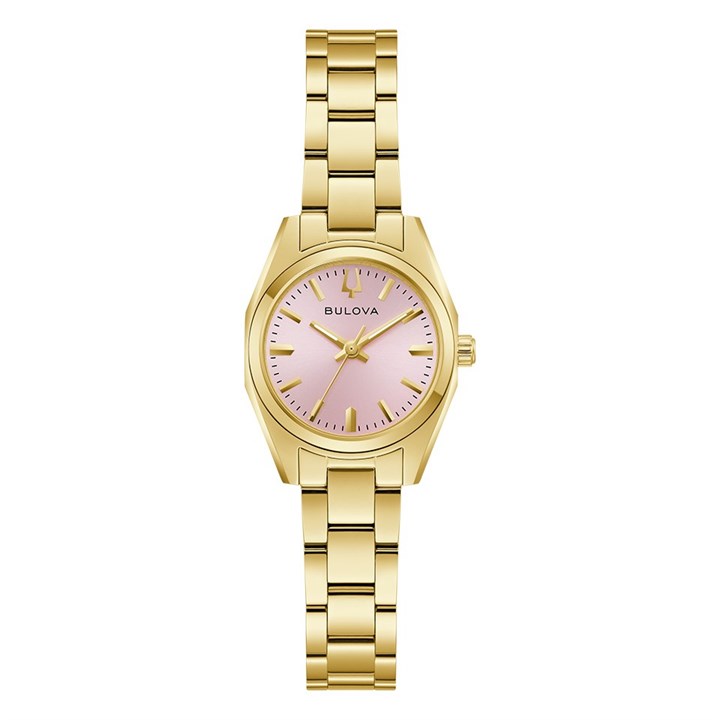
Bulova
97L187 Surveyor Gold Tone Bracelet Watch - W83238
£229
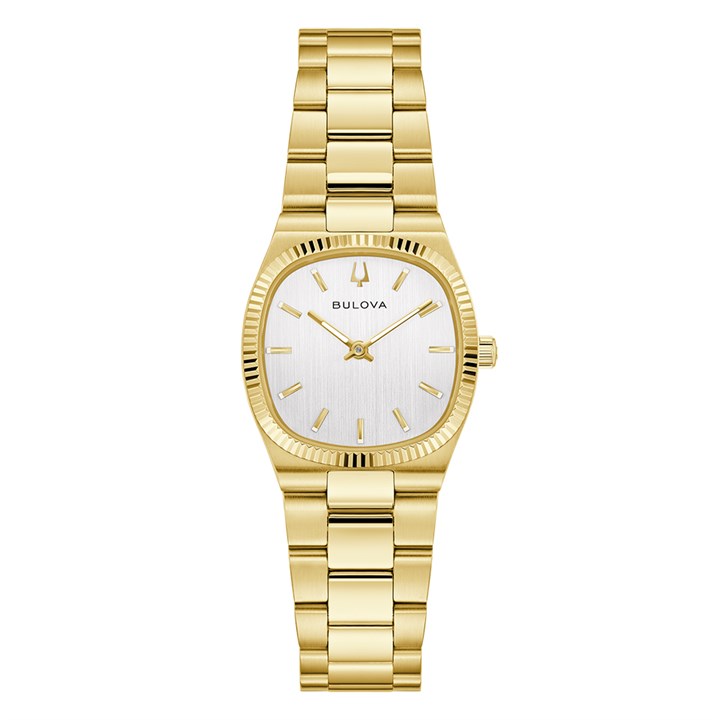
Bulova
97L189 Super Seville Mini Gold Tone Bracelet Watch - W83248
£399
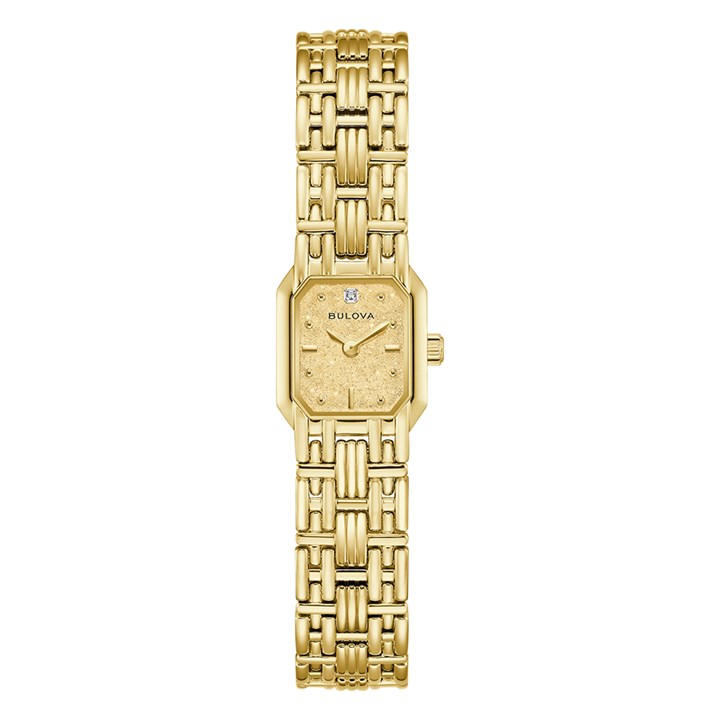
Bulova
97P184 Goddess of Time Gold Tone Bracelet Watch - W83257
£299
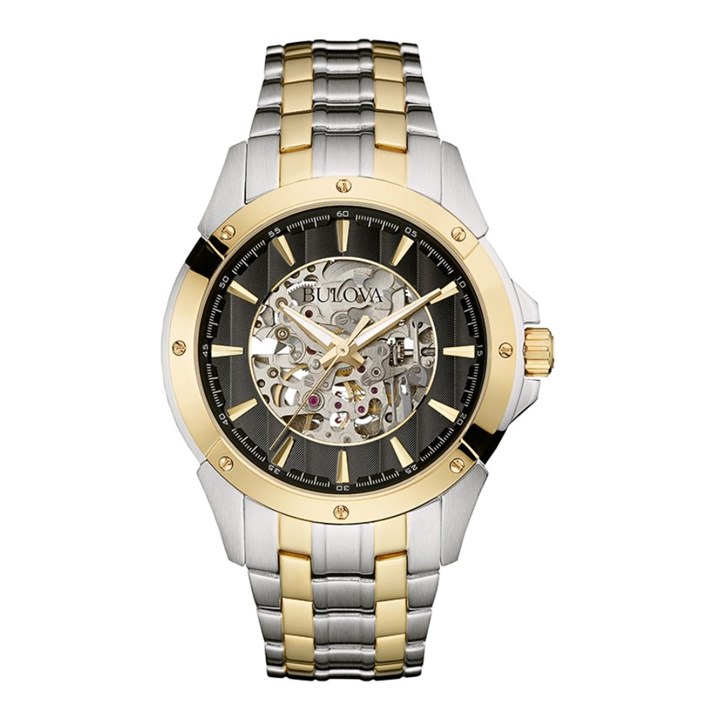
Bulova
98A146 Two Tone Automatic Skeleton Dial Bracelet Watch - W09301
£269

Bulova
98A177 Classic Automatic Black Resin Strap Watch - W09131
£449
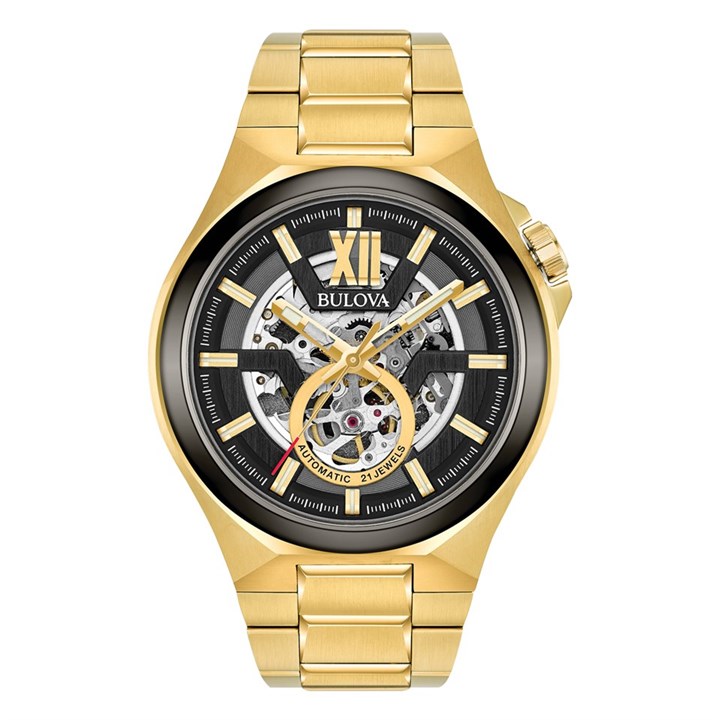
Bulova
98A178 Maquina Automatic Gold Tone Bracelet Watch - W09356
£359

Bulova
98A179 Classic Automatic Skeleton Dial Bracelet Watch - W09130
£499

Bulova
98A192 Rose Gold Plated Black Silicon Strap Watch - W09123
£179
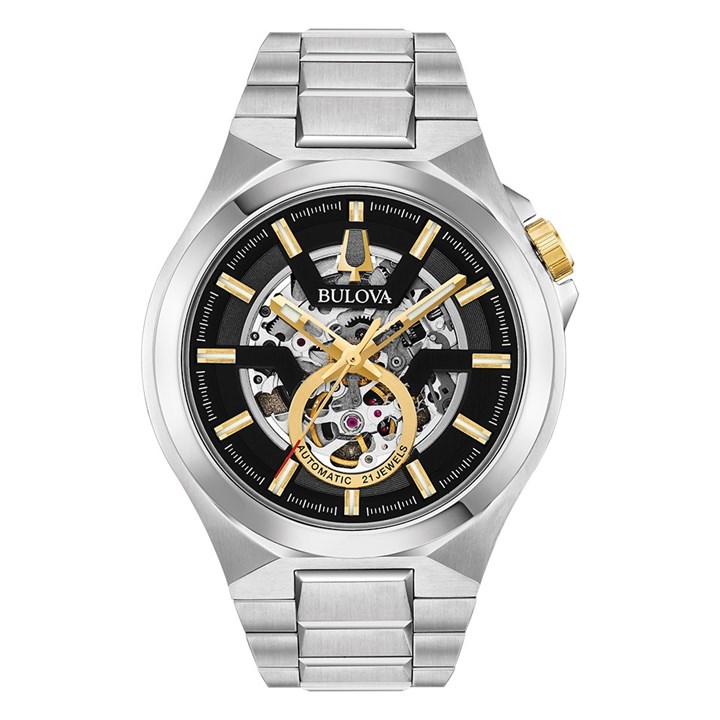
Bulova
98A224 Stainless Steel Automatic Skeleton Dial Bracelet Watch - W09165
£449

Bulova
98A242 Black IP Chronograph Bracelet Watch - W09171
£199
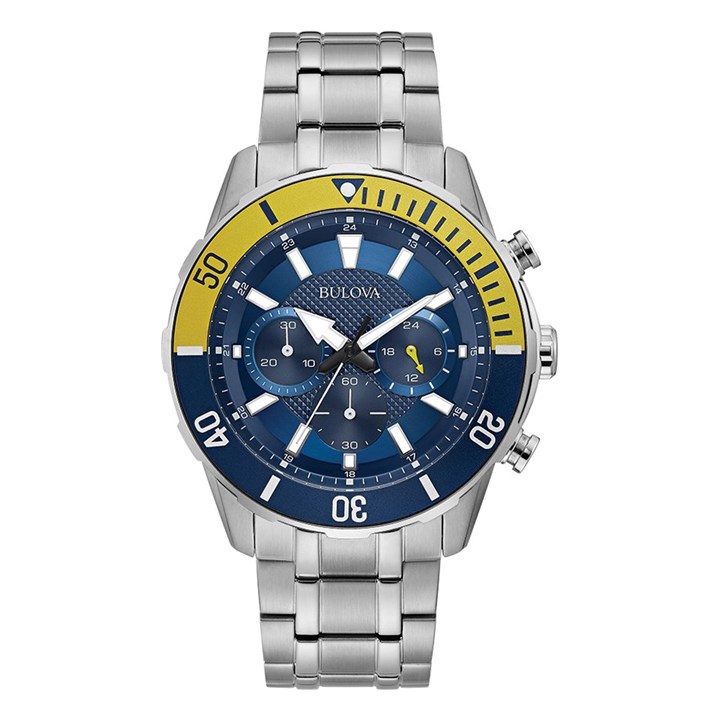
Bulova
98A245 Classic Chronograph Bracelet Watch - W09169
£185

Bulova
98A263 Automatic Two Tone Bracelet Watch - W09209
£185
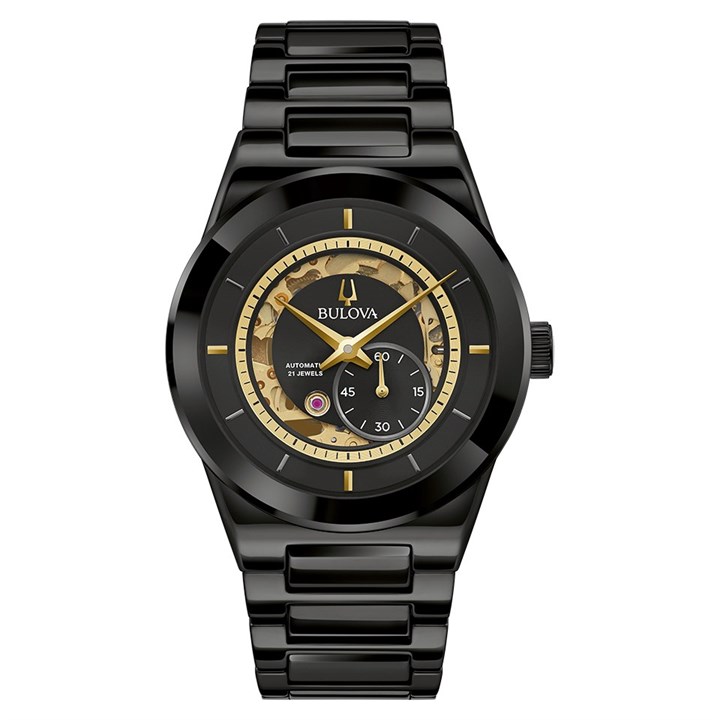
Bulova
98A291 Modern Millennia Ceramic Bracelet Watch - W09249
£359

Bulova
98A315 Gold Tone Chronograph Bracelet Watch - W09346
£170
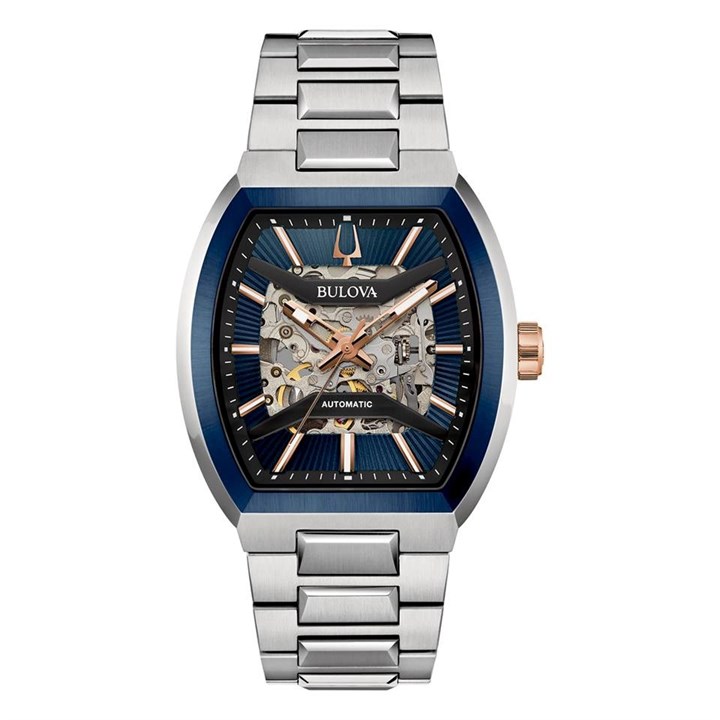
Bulova
98A319 Maquina Automatic Bracelet Watch - W09375
£499
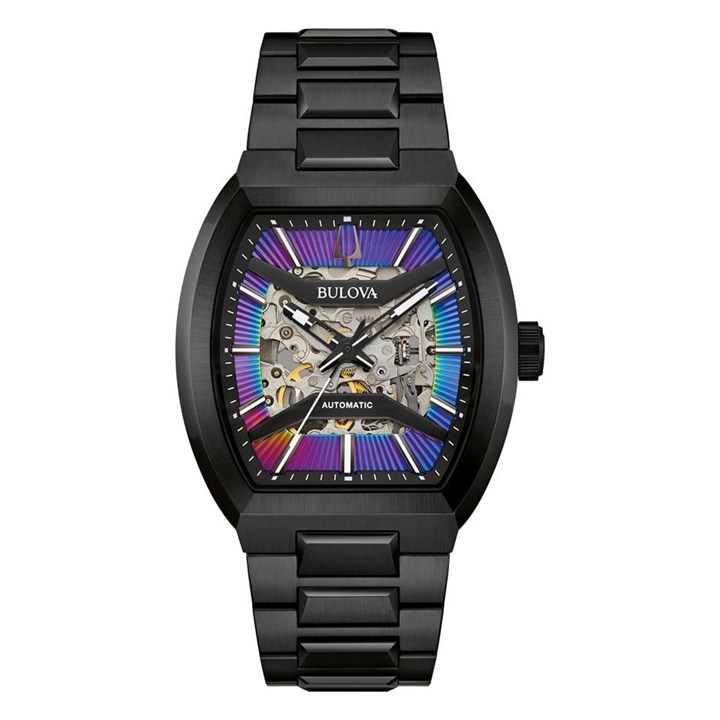
Bulova
98A320 Maquina Automatic Black IP Bracelet Watch - W09376
£549

Bulova
98A341 Maquina Red Rubber Strap Watch - W09415
£499
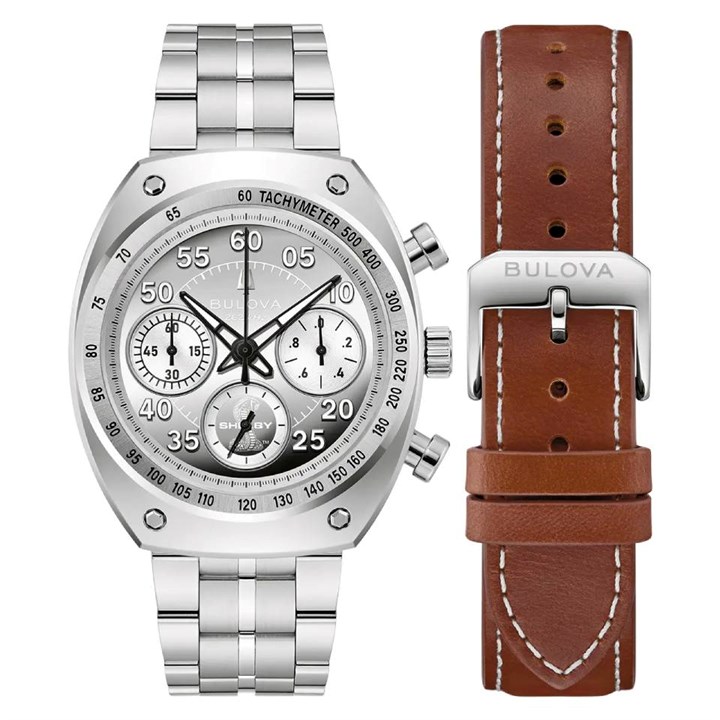
Bulova
98A342 Series X Automatic Blue Suede Strap Watch - W09418
£599
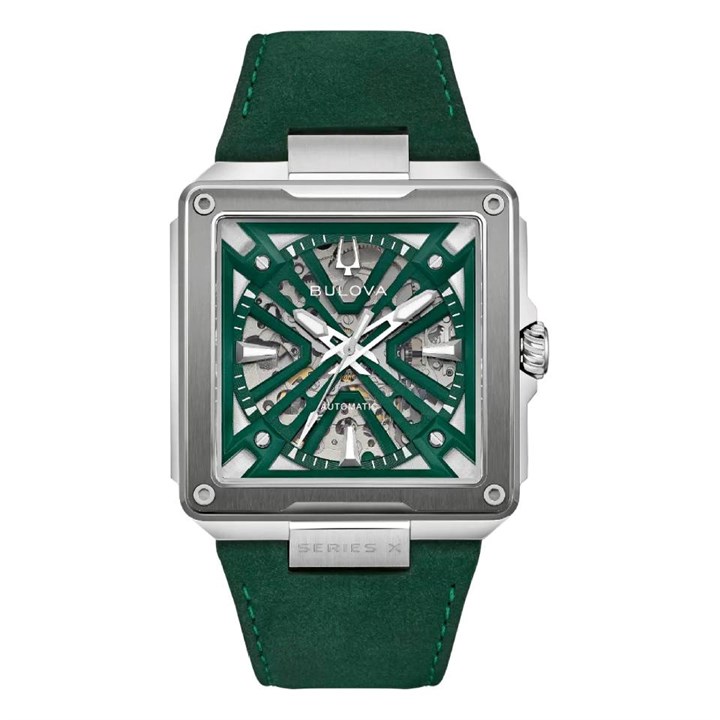
Bulova
98A343 Series X Automatic Green Suede Strap Watch - W09419
£599
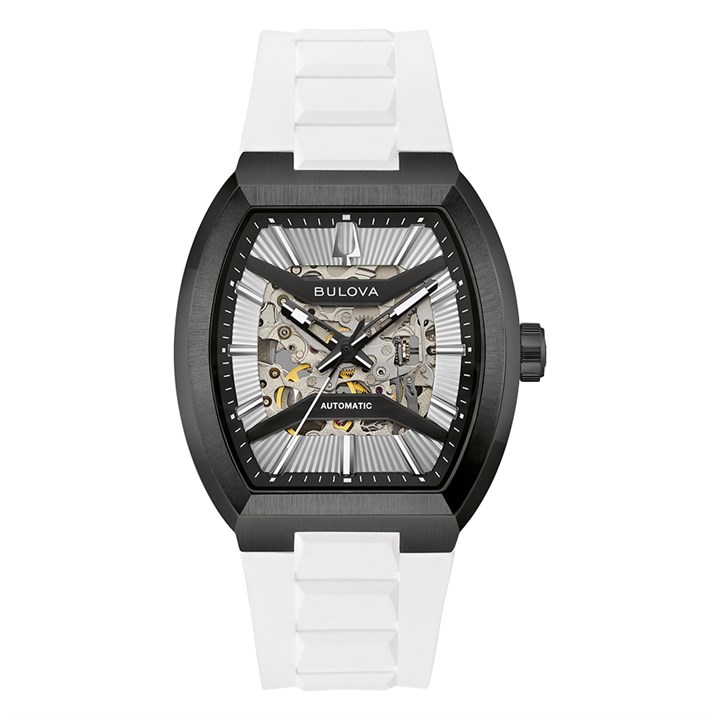
Bulova
98A345 Maquina Automatic White Rubber Strap Watch - W09416
£499

Bulova
98B298 High Performance Chronograph Bracelet Watch - W09119
£299
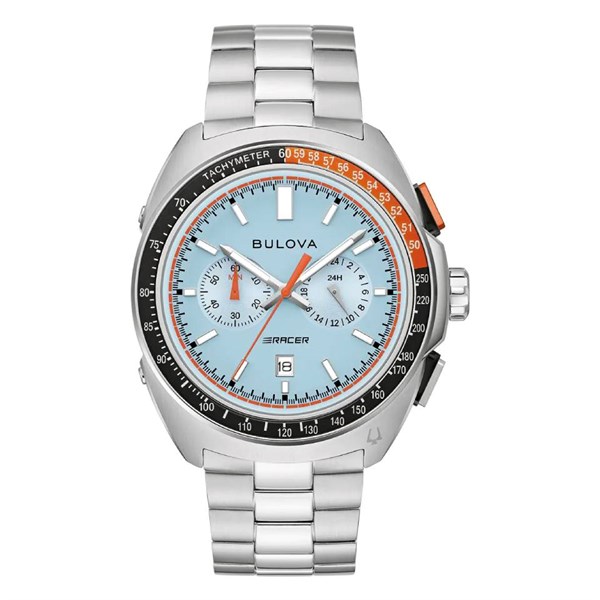
Bulova
98B432 Racer Chronograph Watch - W09345
£429
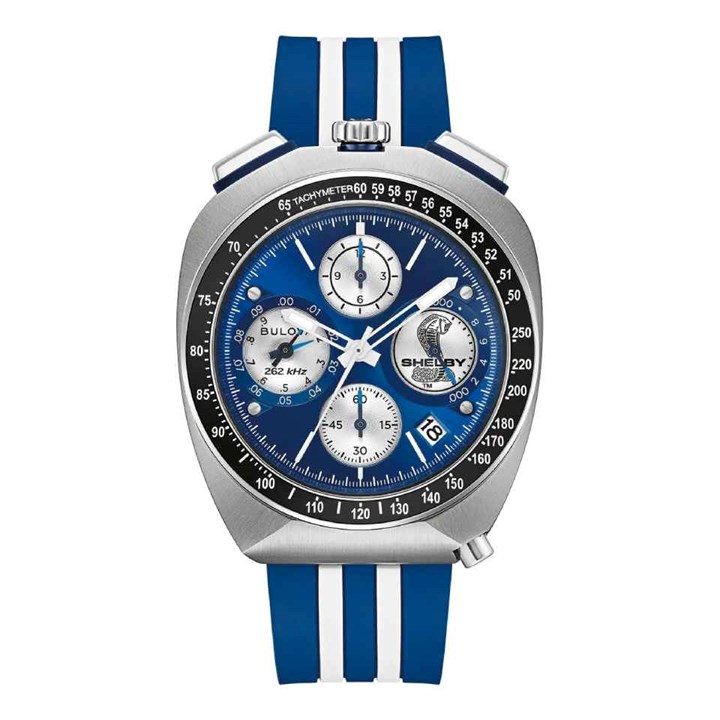
Bulova
98B452 Shelby Racer Chronograph Watch - Limited Edition - W09399
£995
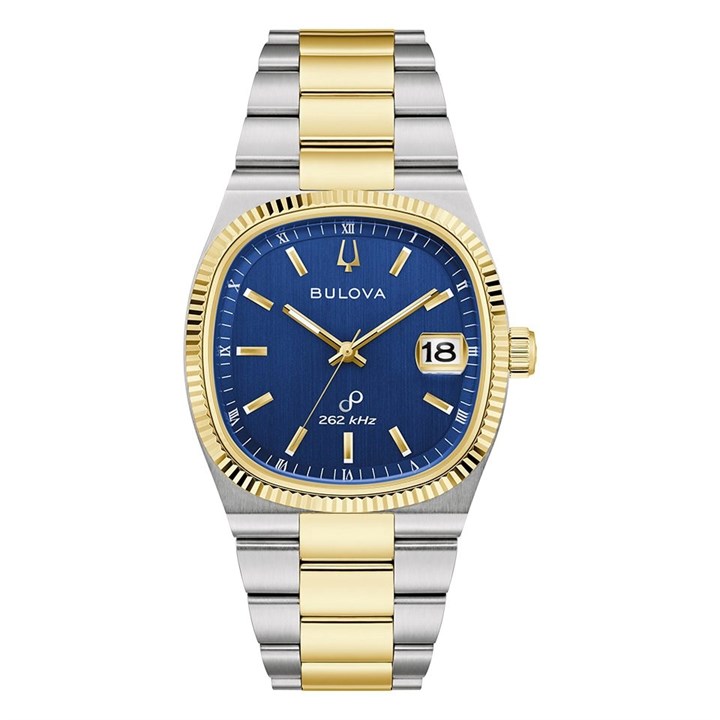
Bulova
98B462 Super Seville Two Tone Bracelet Watch - W09392
£499
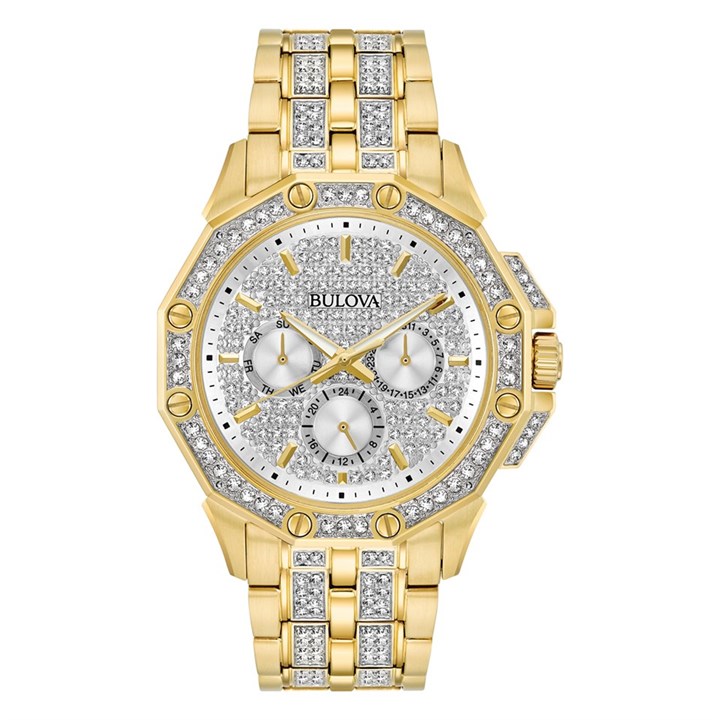
Bulova
98C126 Octava Crystal Bracelet Watch - W09355
£469
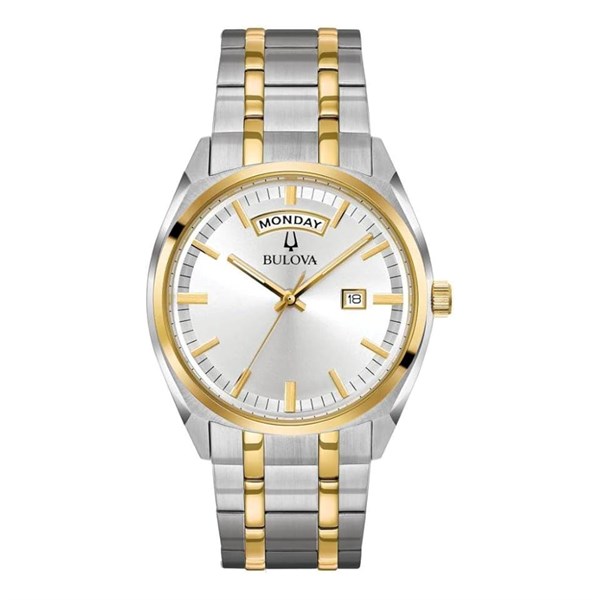
Bulova
98C127 Classic Two Tone Bracelet Watch - W09115
£219
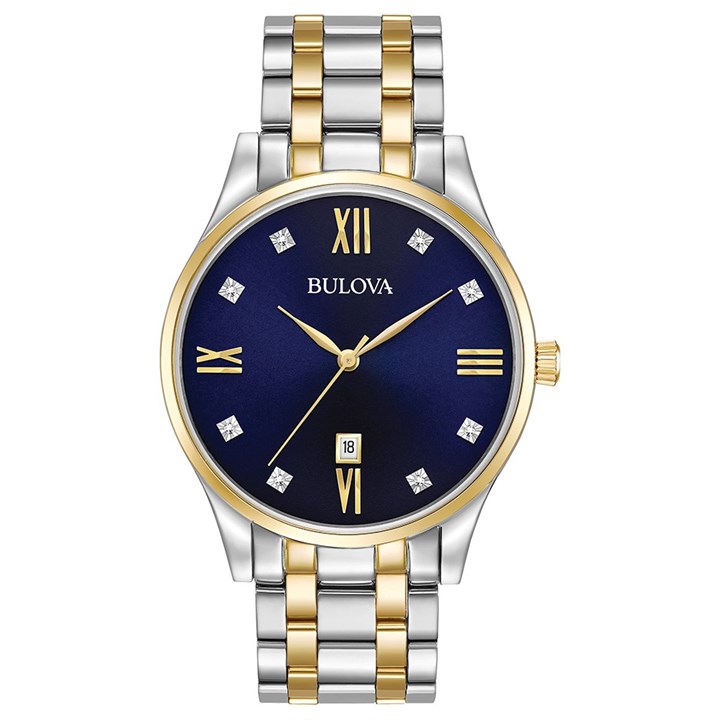
Bulova
98D130 Classic Diamonds Two Tone Bracelet Watch - W09207
£220
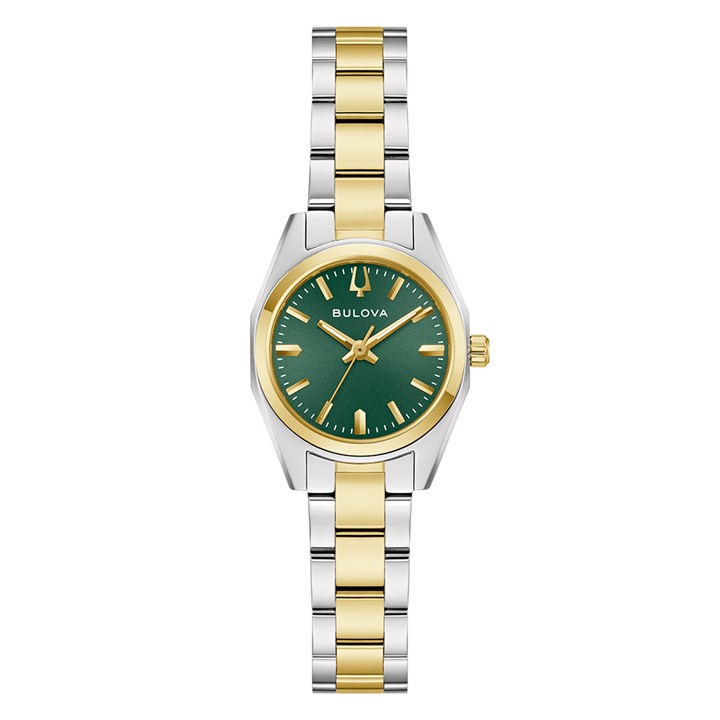
Bulova
98L329 Surveyor Two Tone Green Dial Bracelet Watch - W83245
£229
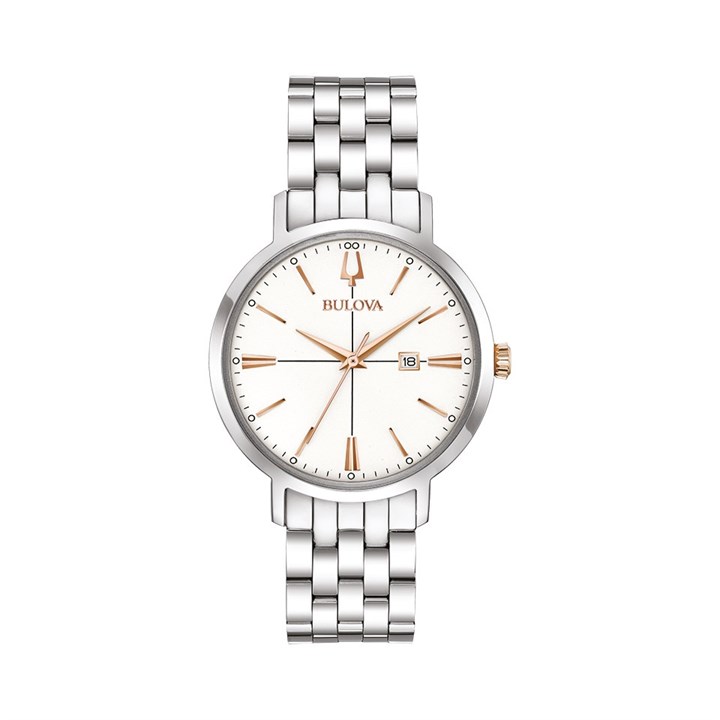
Bulova
98M130 Stainless Steel Bracelet Watch - W83185
£129

Bulova
98P157 Diamonds Two Tone Bracelet Watch - W83104
£169
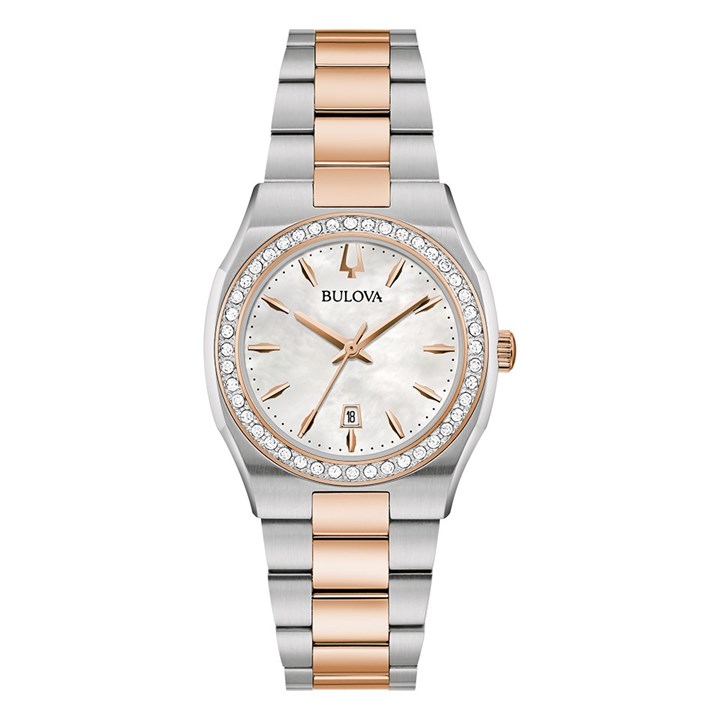
Bulova
98R283 Surveyor Diamond Two Tone Bracelet Watch - W83221
£259

Bulova
Archive Series 96B251 Lunar Pilot Watch And Nato Strap - Special Edition - W0963
£499