Tap the image to enlarge

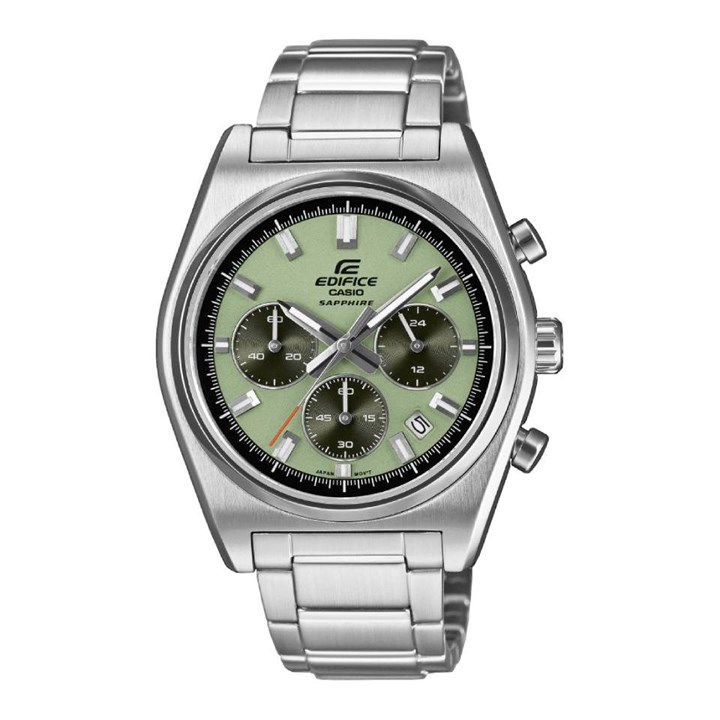
Casio Edifice EFB-730D-3AVUEF Chronograph Bracelet Watch - W17600
Ref. EFB-730D-3AVUEF
See more premium optionsHide
Stepping up in Casio's range
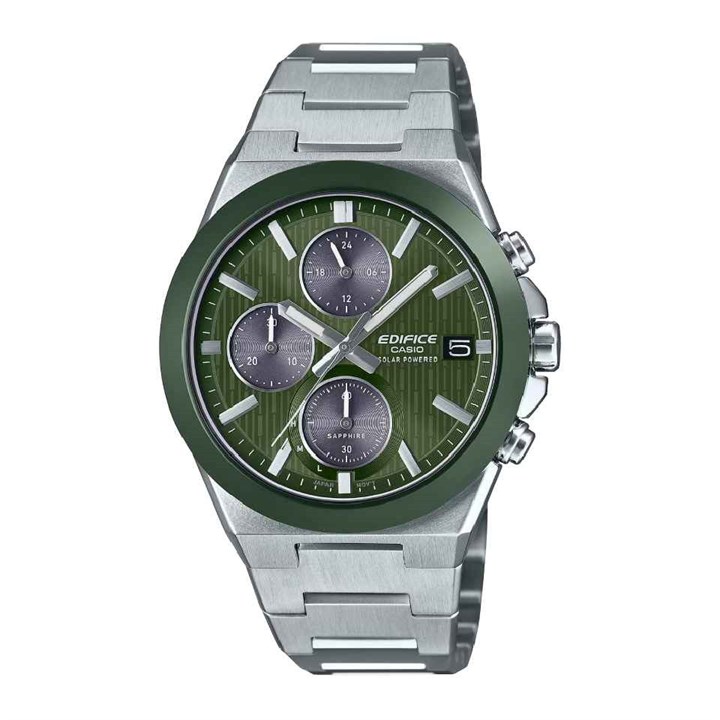 Edifice EFS-S650D-3AEF Solar Chronograph Bracelet Watch - W17548£175
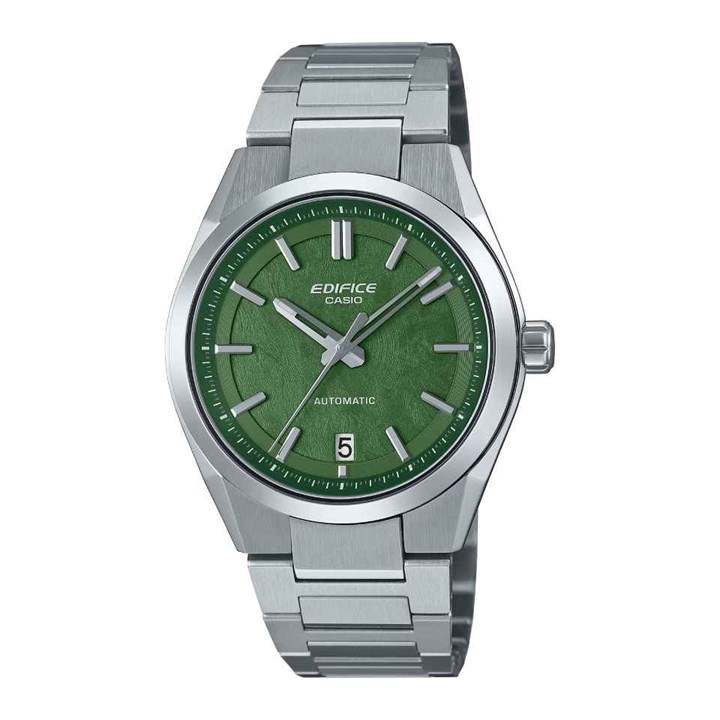 Edifice EFK-100D-3AER Automatic Bracelet Watch - W17546£179
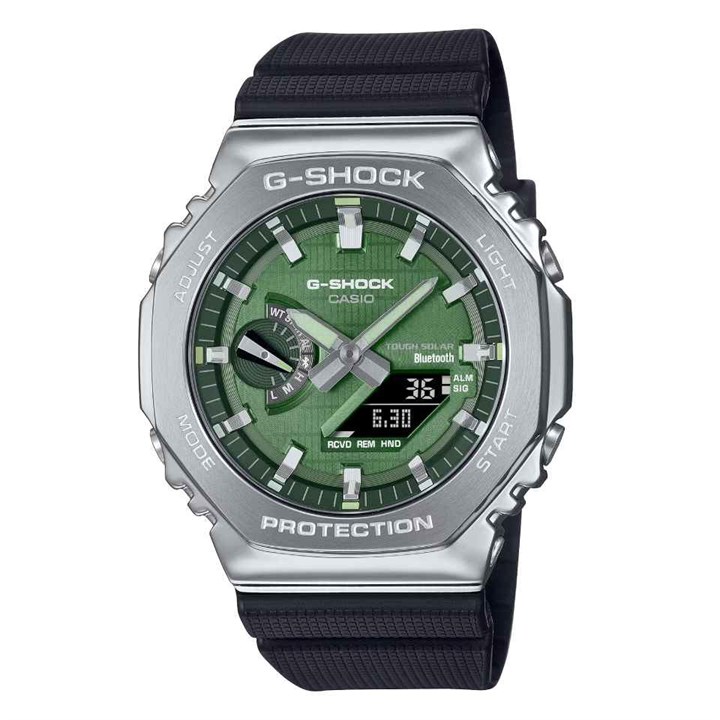 G-SHOCK GBM-2100A-1A3ER Solar Green Dial Resin Strap Watch - W17567£229
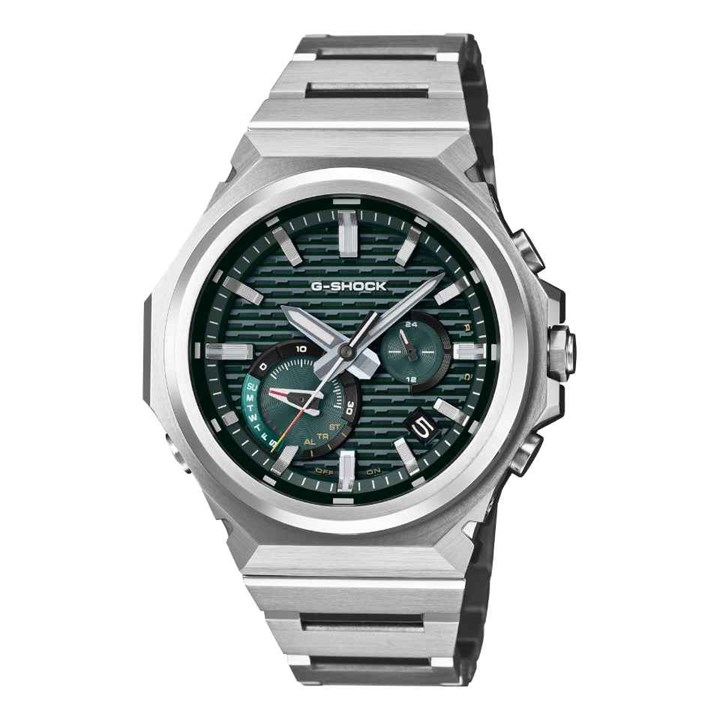 G-Steel GST-B1000 Series 47mm Mens Watch Green£299
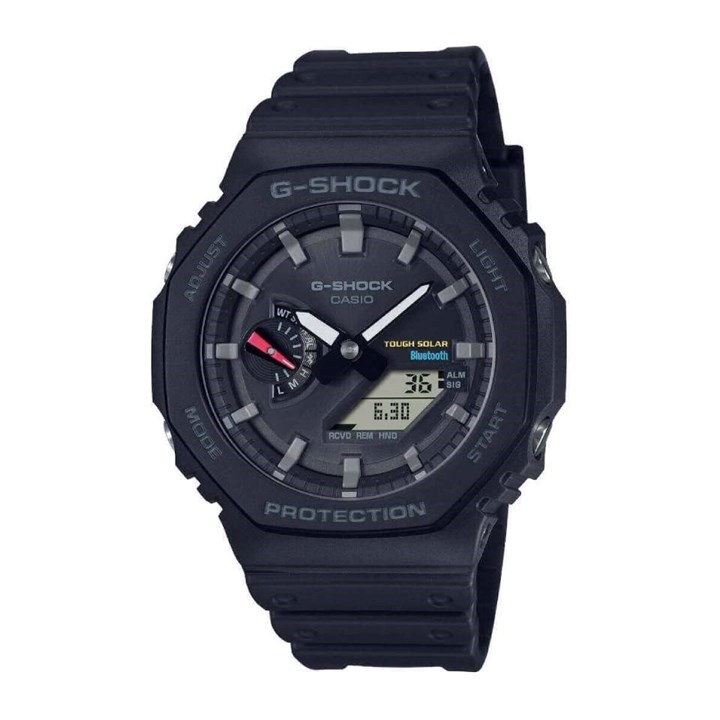 G-Shock GA-B2100-1AER Bluetooth Solar Black Strap Watch - W17317£129
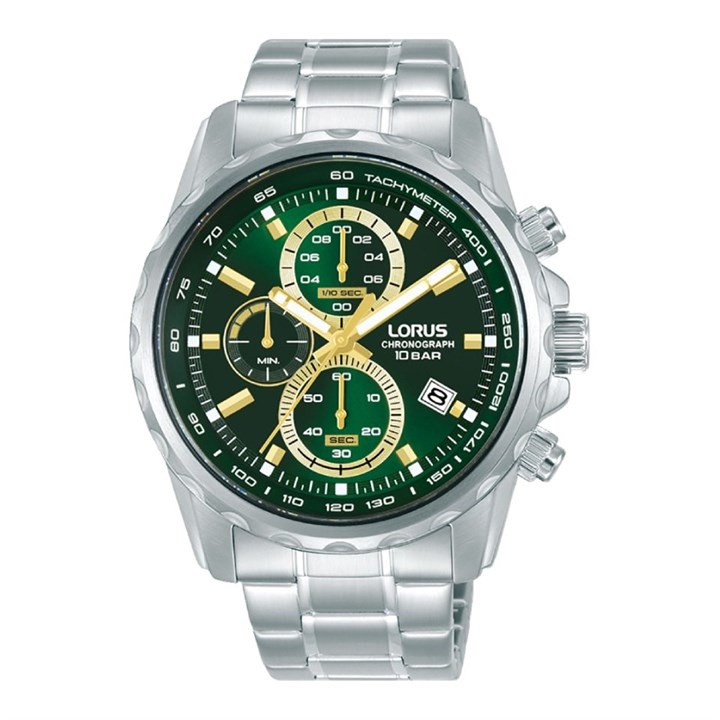
The Edifice line has always drawn from motorsport, and the EFB-730D sits squarely in that tradition — the 3-6-9 sub-dial arrangement and bold index bars are a direct reference to the dashboard chronographs fitted to racing cars of an earlier era. The blue dial gives the layout some depth, so what could read as busy on a white or silver face instead holds together cleanly. At 40mm and 11mm thick, it wears closer to a dress watch than most sport chronographs manage, and 136g on a solid bracelet is substantial enough to feel purposeful without pulling at the wrist. The screw-lock caseback and one-touch triple-fold clasp suggest something put together with daily wear in mind rather than occasional use.
- Reference
- EFB-730D-3AVUEF
- Brand
- Casio
- Collection
- Edifice
- Case size
- 40mm
- Case material
- Stainless steel
- Dial
- Green
- Crystal
- Sapphire
- Movement
- Quartz
- Functions
- Chronograph, Date
- Water resistance
- 100m
- Bracelet / strap
- Stainless steel bracelet
- Strap colour
- Silver
- Clasp
- Three-fold clasp
- Retailer
- F.Hinds
Additional specifications
- Weight
- 136g
Learn more about Casio
Tadao Kashio founded Kashio Seisakujo in Tokyo in 1946 as a machine shop. The company's first success was a finger ring that held a cigarette, and its second was the 14-A of 1957 — the world's first all-electric compact calculator, which used solenoids rather than gears.
Casio entered watchmaking in 1974 with the Casiotron, a digital watch with an automatic calendar that knew the varying lengths of months. The company approached watches as an electronics manufacturer rather than a horological one, and that difference produced the G-Shock.
The G-Shock came from a single engineer, Kikuo Ibe, who broke a watch his father had given him and set out to build one that could not break. The specification was three tens: survive a ten-metre drop, ten bars of water pressure, and ten years of battery life. It took over two hundred prototypes, and the solution was suspending the module inside the case on a cushioned internal structure rather than mounting it rigidly. The DW-5000C shipped in 1983.
It became one of the most durable product designs in any category, adopted by militaries, emergency services, and skateboarders alike, and Casio has since added solar charging, radio and GPS timekeeping, Bluetooth, and full-metal and carbon variants.
Casio also produces the Edifice, Pro Trek, and Oceanus lines, and remains an independent Japanese public company.
- 1946
- Tadao Kashio founds the company in Tokyo.
- 1974
- The Casiotron is Casio's first digital watch.
- 1983
- The G-Shock DW-5000C survives Kikuo Ibe's three-tens brief.
- 1994
- The Frogman extends G-Shock to ISO dive certification.
Also in 5 collections
This watch appears in the Casio Edifice range (21), Back in Stock (5,018), Stainless Steel Watches (3,307), Chronograph Watches (1,281) and Green Dial Watches (451).
Manufacturer’s guarantee
What the specifications mean
Strengths
- 100m water resistance covers swimming and watersports
- 40mm suits most wrists
- Sapphire crystal, which resists scratching
Casio Edifice EFB-730D-3AVUEF alternatives
Watches from other brands at a similar price, style and size, so you can see what else your budget can buy.
| Specification | EFB-730D-3AVUEF | RH999QX9 | MTFK1F502 |
|---|---|---|---|
| Price | £109 | £100 | £99 |
| Case size | 40mm | 40mm | 40mm |
| Water resistance | 100m | 100m | 100m |
| Movement | Quartz | Quartz | Quartz |
| Strap | Stainless steel bracelet | Titanium bracelet | Silicone strap |
| This watch | Closely matched | Closely matched |
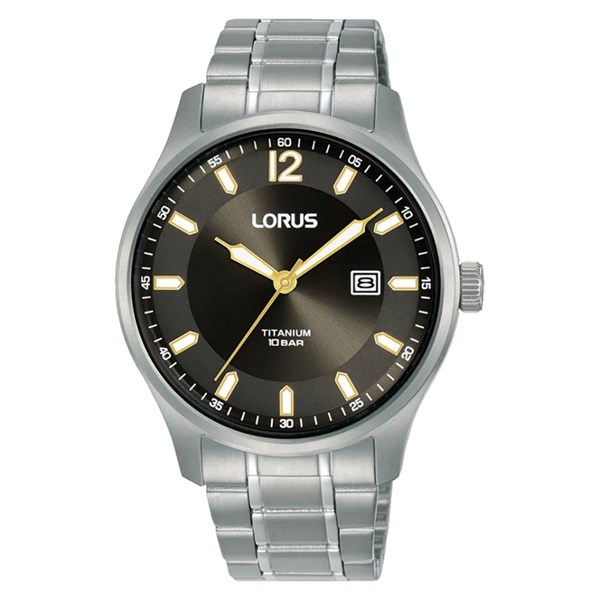
Your new watch
Frequently asked questions, and things you should know about this watch
Can I swim with it?
Yes. At 100m it is rated for swimming and snorkelling, though not for diving.
Water resistance explainedWill the glass scratch?
Unlikely. Sapphire is second only to diamond in hardness and shrugs off everyday marking.
Sapphire, mineral and acrylic comparedDoes it need a battery?
Yes. It is quartz, so expect a battery change every two to three years at a jeweller.
Quartz, automatic and solar comparedCheapest place to buy
F.Hinds is the only UK retailer we track stocking this reference, so there is nothing to compare it against today.
More Casio watches like the Edifice EFB-730D-3AVUEF
In stock, and close on style and price