
Movement types guide
Quartz, automatic, manual and solar movements compared
Quartz is more accurate, cheaper and needs almost no maintenance. Automatic is less accurate, costs more to own and requires servicing, but has no battery and can run indefinitely with repair. If accuracy and convenience are what you want, buy quartz. Automatic is bought for the mechanism itself, not for performance.
| Type | Typical accuracy | Power | Servicing |
|---|---|---|---|
| Quartz | ±15 seconds a month | Battery, 2 to 5 years | Battery changes only |
| Solar | ±15 seconds a month | Light, cell lasts 10 years plus | Rarely needed |
| Automatic | ±5 to 20 seconds a day | Wrist motion, 38 to 70 hours reserve | Every 5 to 10 years |
| Manual | ±5 to 20 seconds a day | Hand winding, daily | Every 5 to 10 years |
The accuracy gap is larger than people expect
A standard quartz movement keeps time to around fifteen seconds a month. A good automatic keeps time to around fifteen seconds a week, and a chronometer certified to COSC is permitted to run between four seconds slow and six seconds fast per day.
That means the cheapest quartz watch on this site is, purely as a timekeeper, more accurate than almost every mechanical watch regardless of price. Anyone buying mechanical is buying something other than accuracy.
What you are actually paying for
An automatic movement is a few hundred components assembled and regulated by hand, powered by a weighted rotor that winds the mainspring as your wrist moves. It has no battery and, in principle, no end of life — a mechanical watch serviced every decade can run for generations.
That is the appeal, and it is a real one. But it comes with running costs. A service on a mid-range automatic typically runs from around £150 to £400 depending on the movement, and a watch left unworn for a few days will stop and need resetting.
Power reserve, and why it matters
Power reserve is how long an automatic runs after you take it off. Older designs manage around 38 hours, which means a watch removed on Friday evening is stopped by Sunday. Newer movements often reach 70 hours or more, which comfortably covers a weekend.
If you rotate between several watches, power reserve is one of the more practical specifications to check. If you wear one watch every day, it barely matters.
Solar is the quiet middle ground
A solar movement is quartz with a photovoltaic cell instead of a disposable battery. It charges from any light, including indoor lighting, and stores power in a rechargeable cell that typically lasts ten years or more.
You get quartz accuracy with no battery changes and no servicing. For anyone who wants a watch that simply works and never thinks about it again, this is the most practical of the four.
Now find yours
Watches by movement, in stock today.
Quartz
2,912 in stock

Limit
5066 Gold Tone Black PU Strap Watch - W7734
£15

Limit
6141 Gold Tone Black PU Strap Watch - W7720
£15
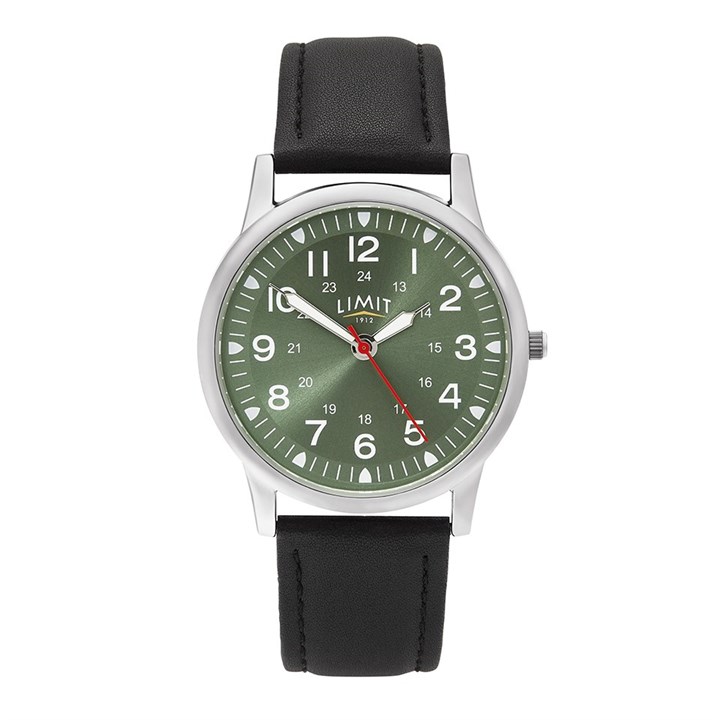
Limit
50062 Green Dial Black PU Strap Watch - W77255
£20
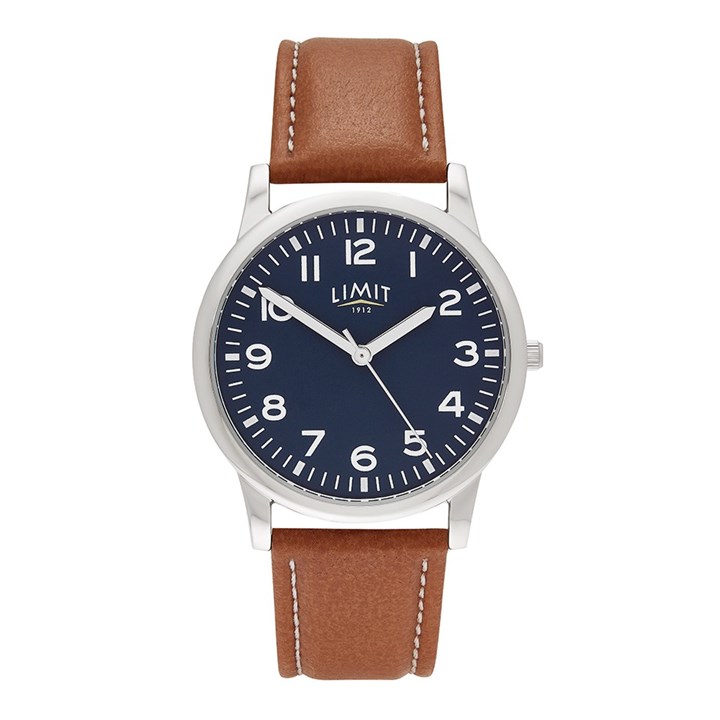
Limit
50063 Blue Dial Brown PU Strap Watch - W77256
£20
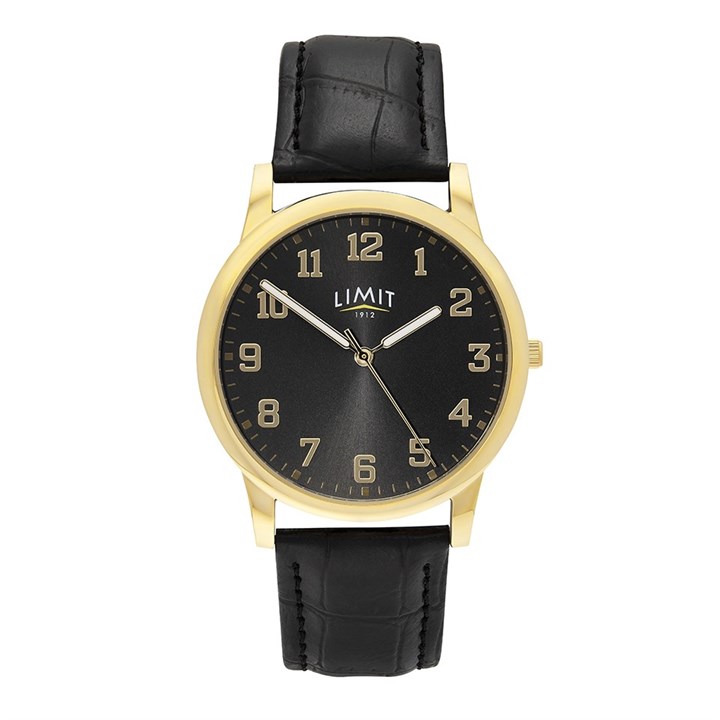
Limit
50064 Gold Tone Black PU Strap Watch - W77257
£20
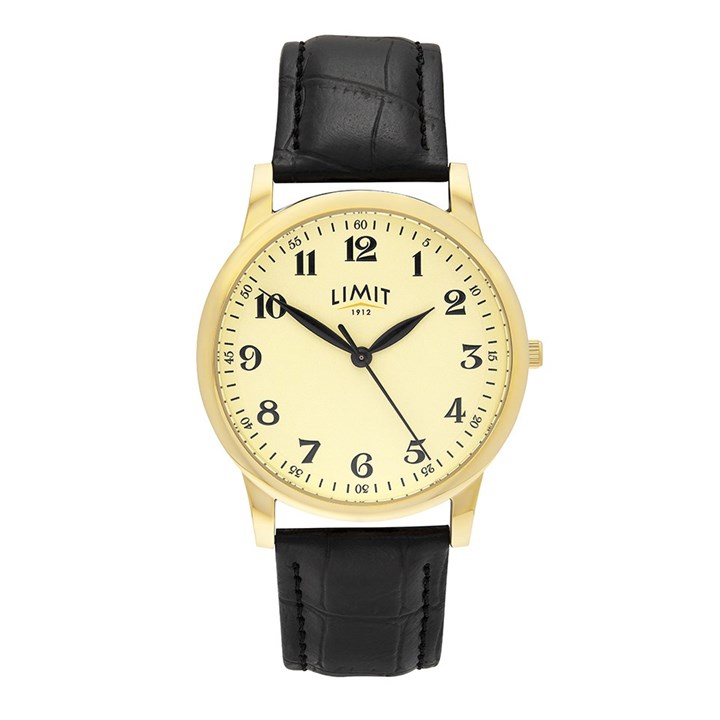
Limit
50065 Gold Tone Black PU Strap Watch - W77258
£20

Limit
5608 Black PU Strap Watch - W7748
£20

Limit
5988 Expanding Bracelet Watch - W7779
£20
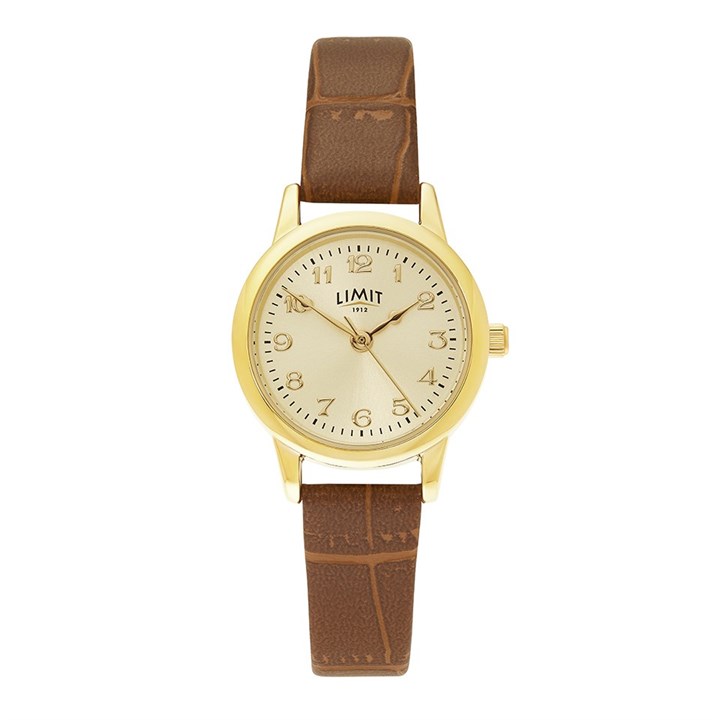
Limit
60271 Gold Tone Brown PU Strap Watch - W77259
£20

Limit
6955 Gold Plated Expanding Bracelet Watch - W7799
£20
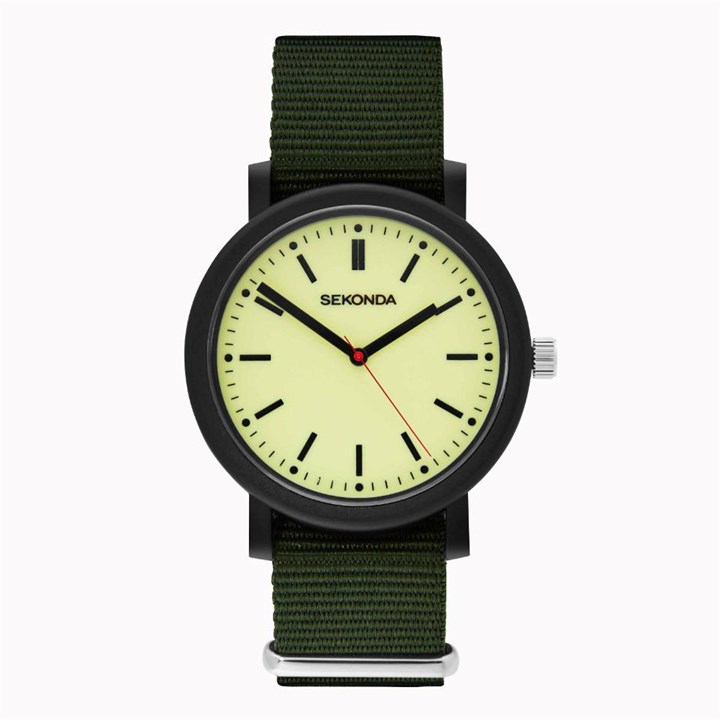
Sekonda
30340 Green Fabric Strap Watch - W31461
£20
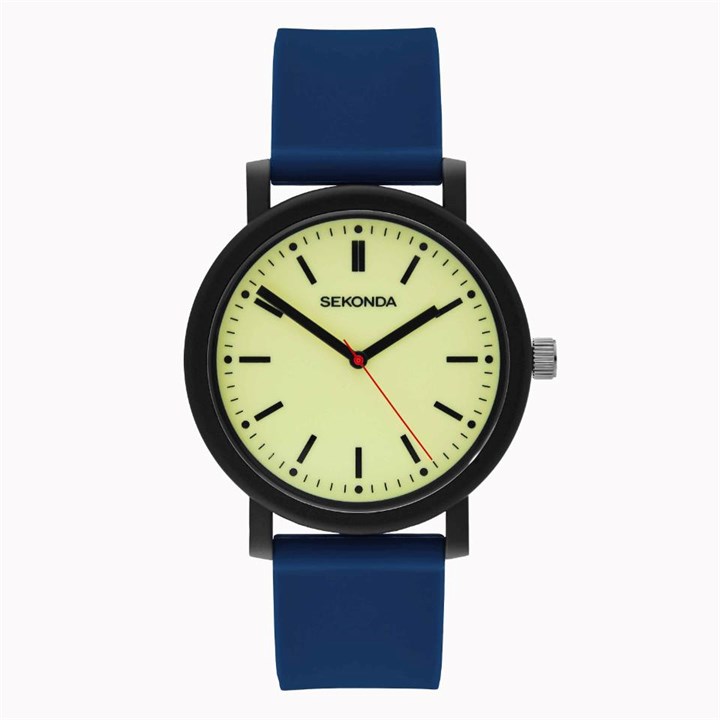
Sekonda
30342 Blue Strap Watch - W31460
£20
Automatic
1,642 in stock
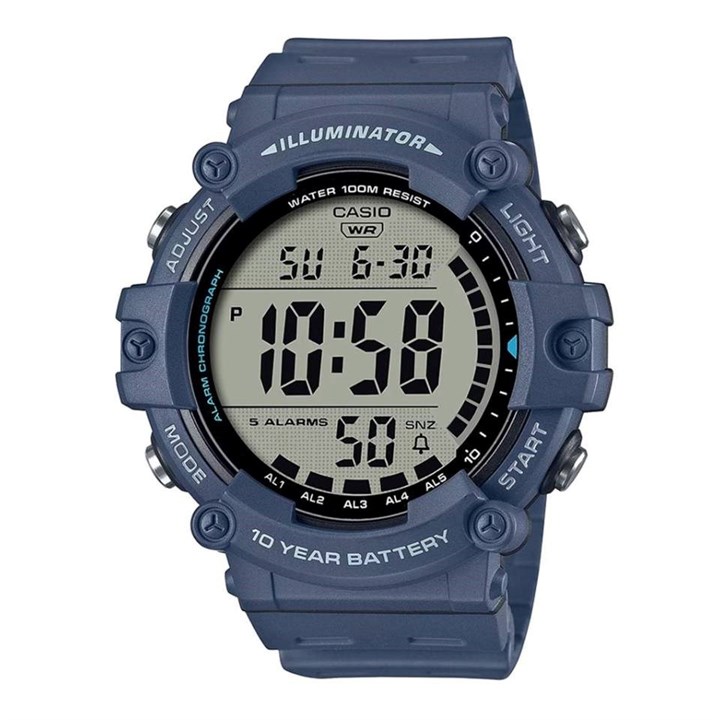
Casio
AE-1500WH-2AVEF Blue Resin Strap Watch - W17480
£25
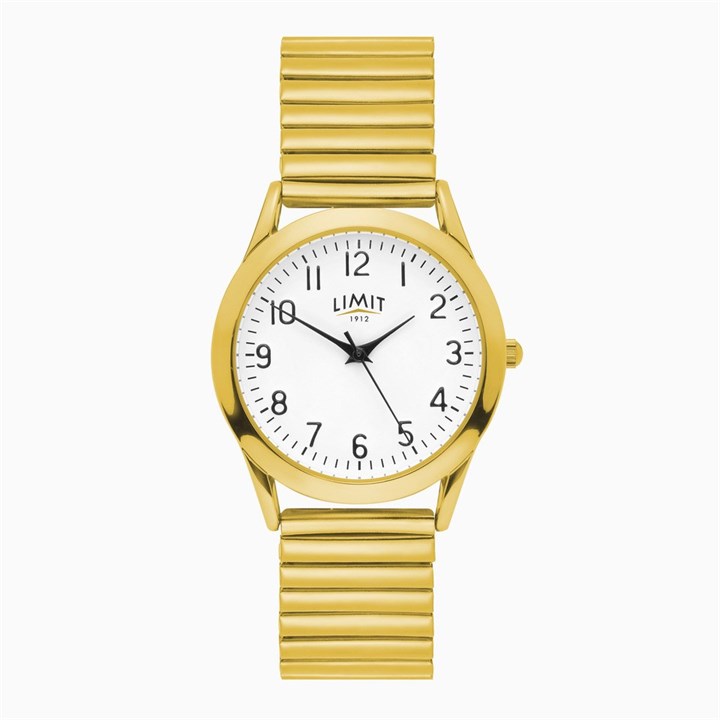
Limit
5740 Gold Tone Expanding Bracelet Watch - W77248
£25
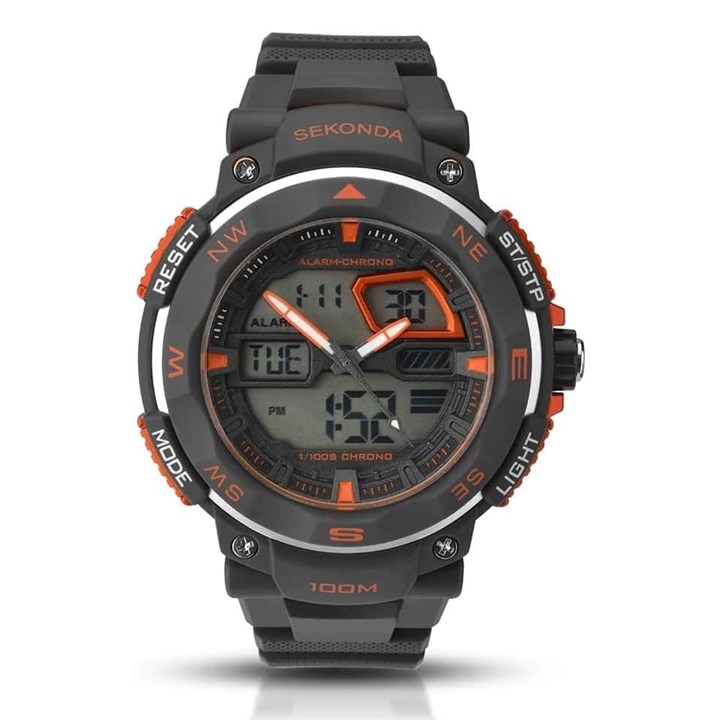
Sekonda
1163 Dual Display Black Resin Strap Watch - W31327
£30
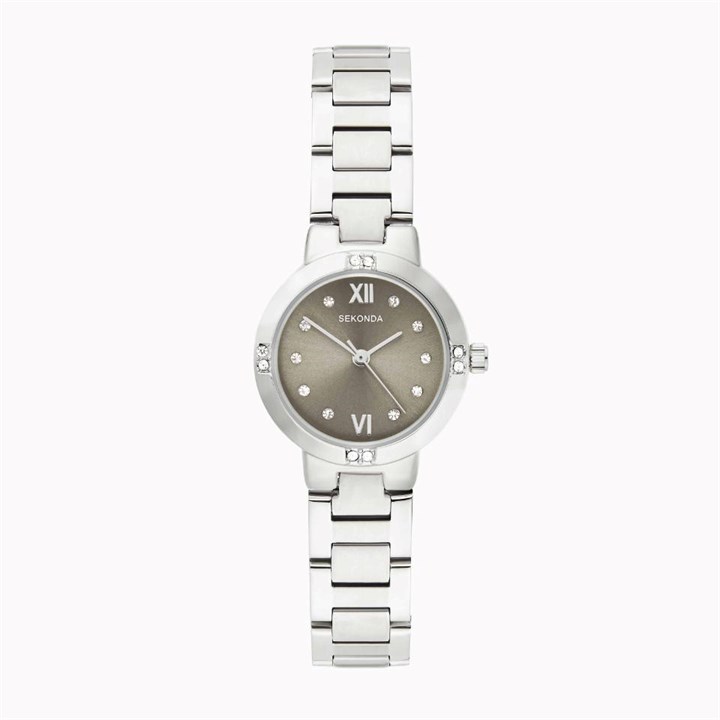
Sekonda
40767 Grey Dial Bracelet Watch - W32483
£30
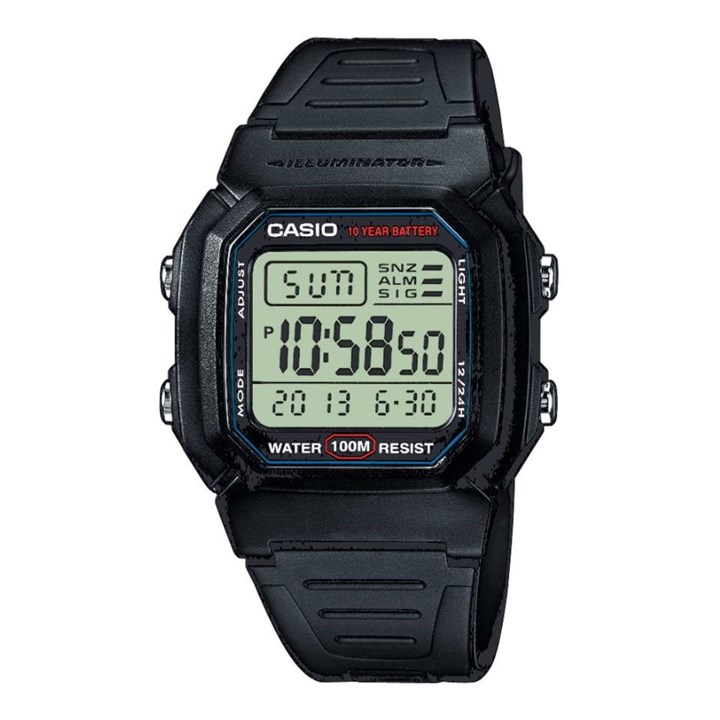
Casio
W-800H-1AVES Digital Black Strap Watch - W17467
£35
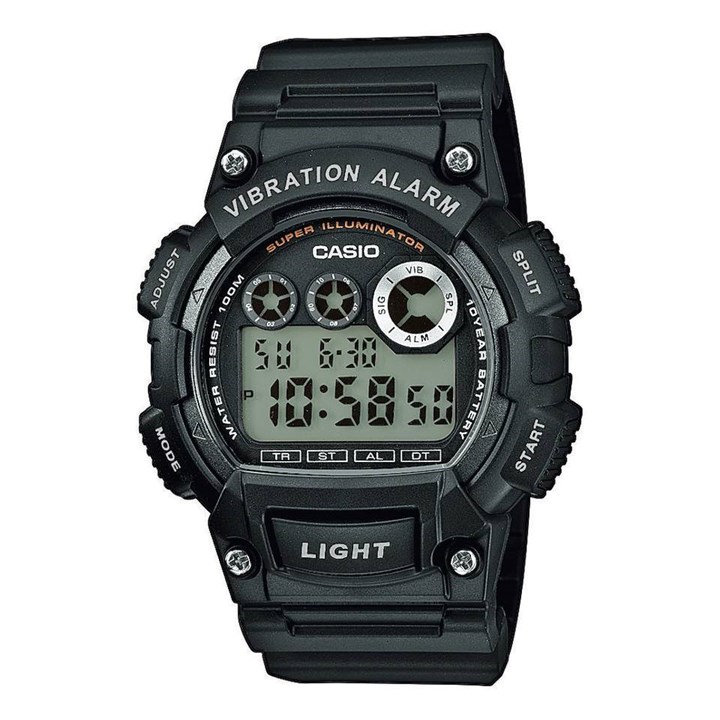
Casio
W-735H-1AVEF Black Resin Strap Watch - W17419
£45
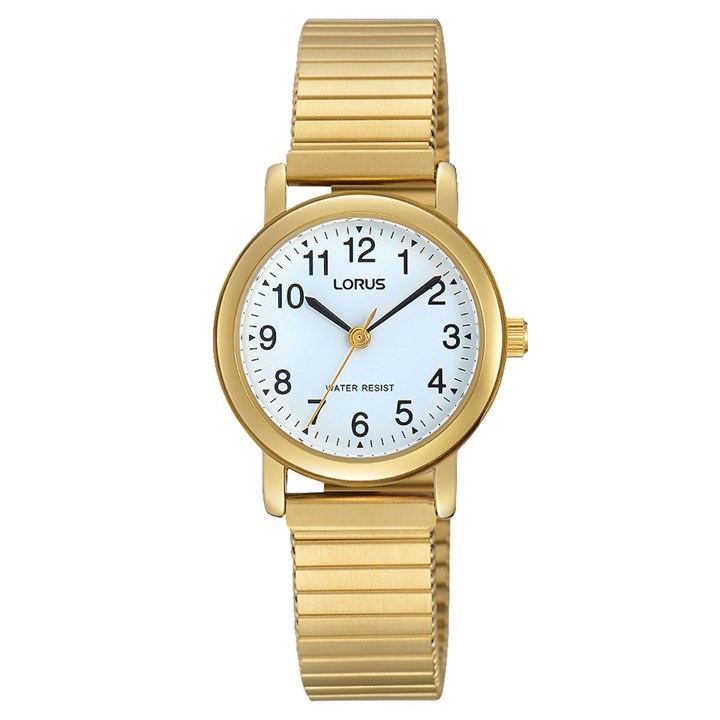
Lorus
RRX04HX9 Gold Plated Expanding Watch - W58154
£45
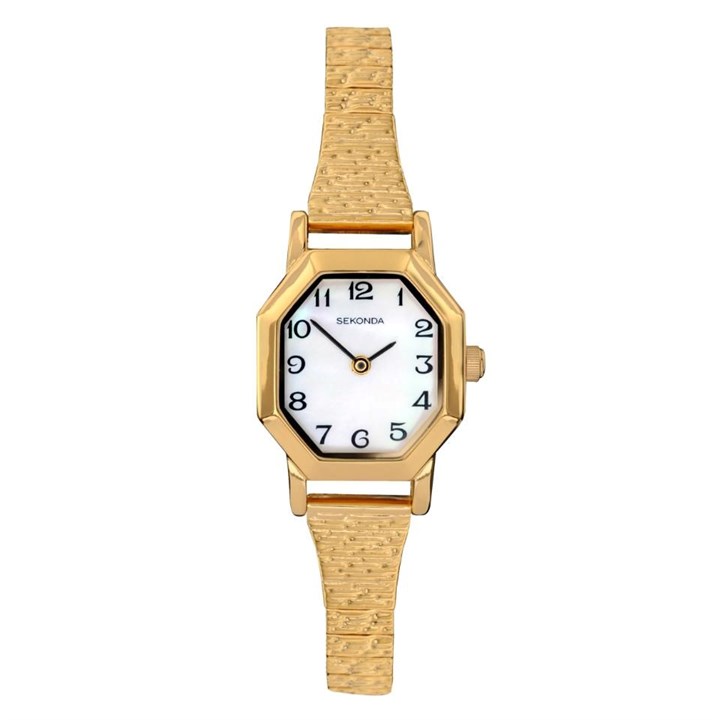
Sekonda
4265 Mila Gold Plated Octagon Dial Expanding Bracelet Watch - W3382
£45
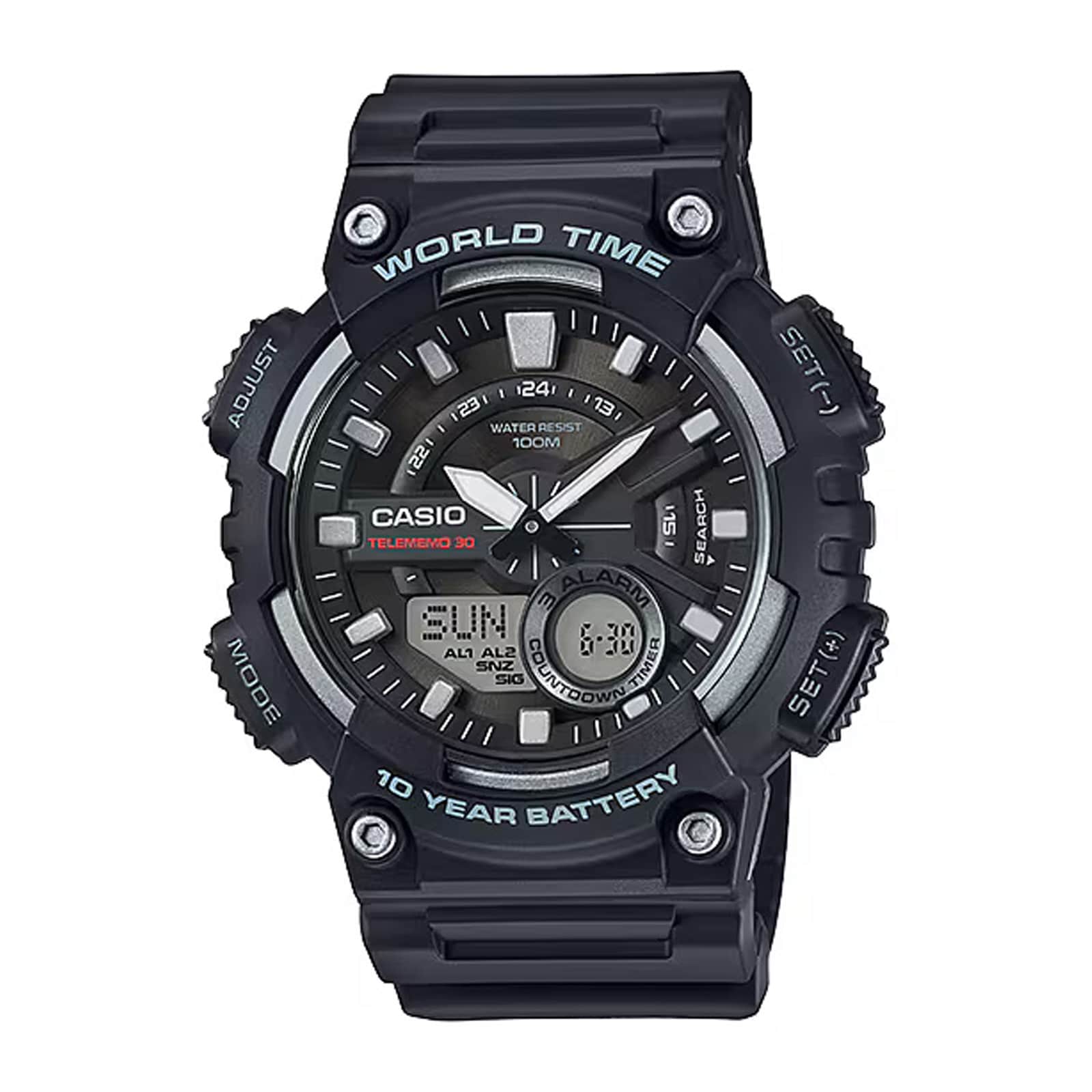
Casio
Standard Black Dial AEQ Mens Watch
£50
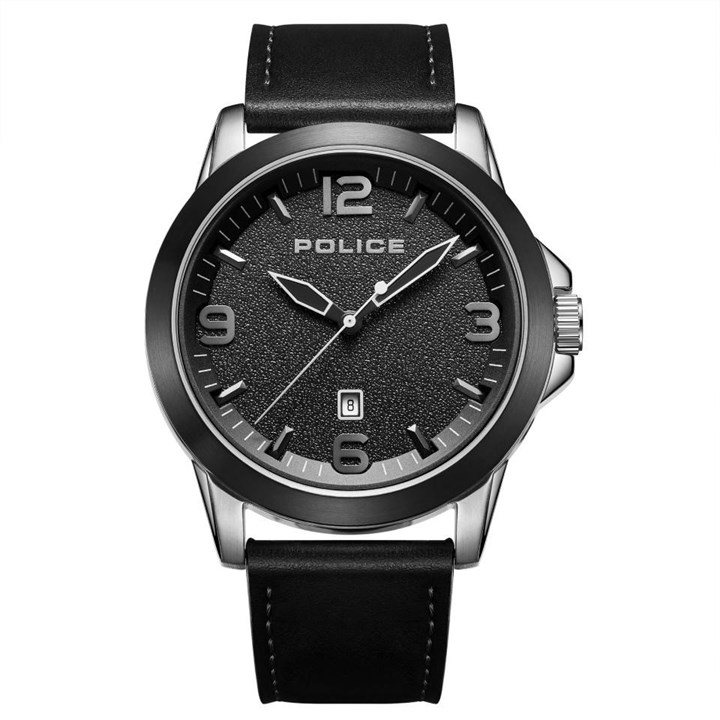
Police
Cliff Multi Function Black Leather Strap Watch - W44100
£55

Casio
F-B100W-1AEF Black Activity Tracker - W17634
£55
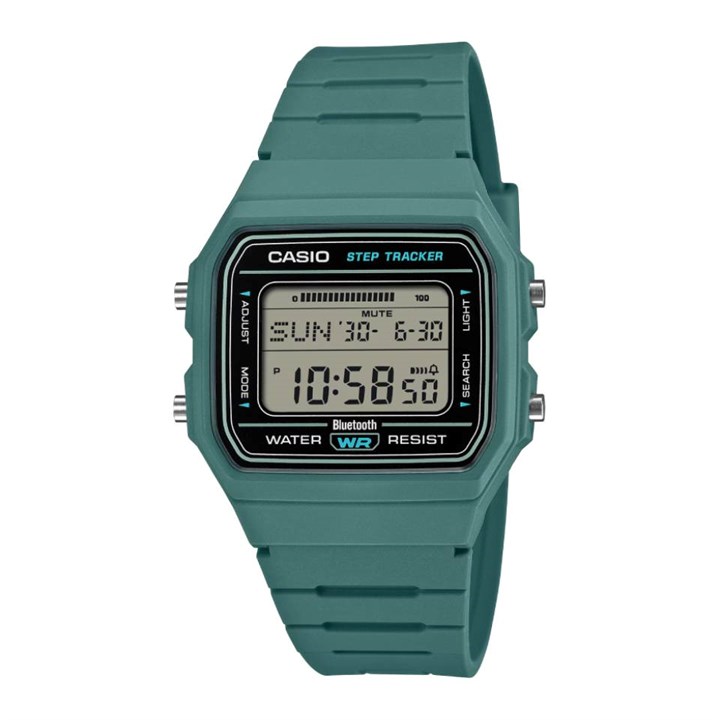
Casio
F-B100W-3AEF Green Activity Tracker - W17635
£55
Manual
108 in stock
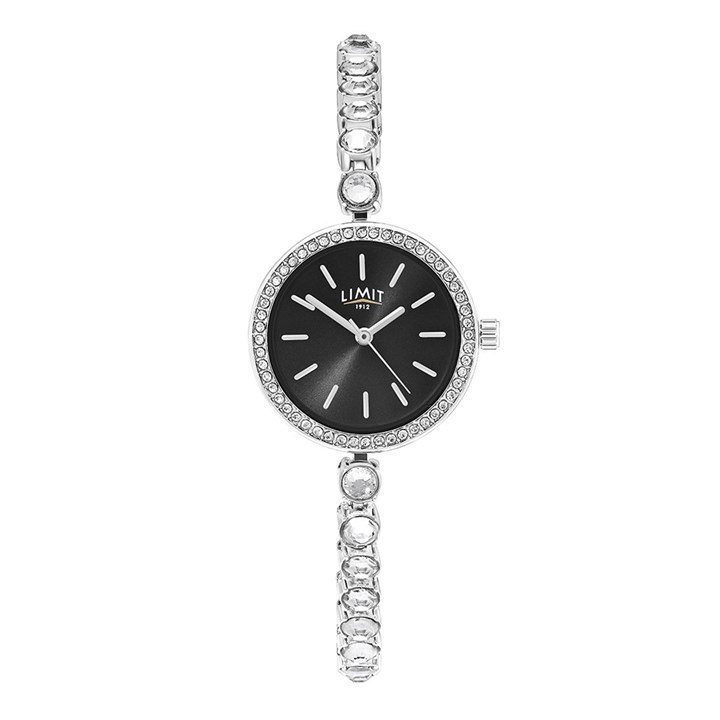
Limit
60274 Stone Set Bracelet Watch - W77262
£30

Sekonda
4907 Evelyn Gold Plated Bracelet Watch - W3207
£50
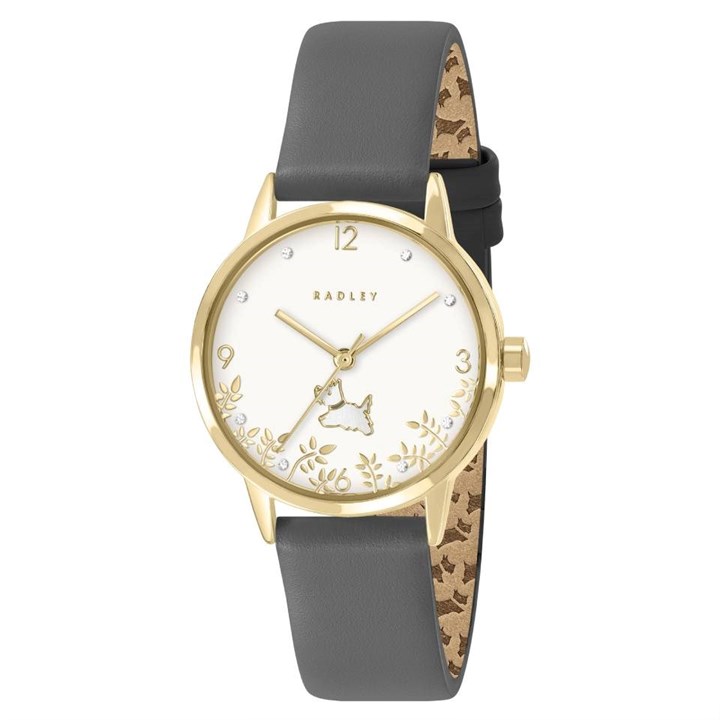
Radley
RY21860A Gold Plated Grey Leather Strap Watch - W51511
£55
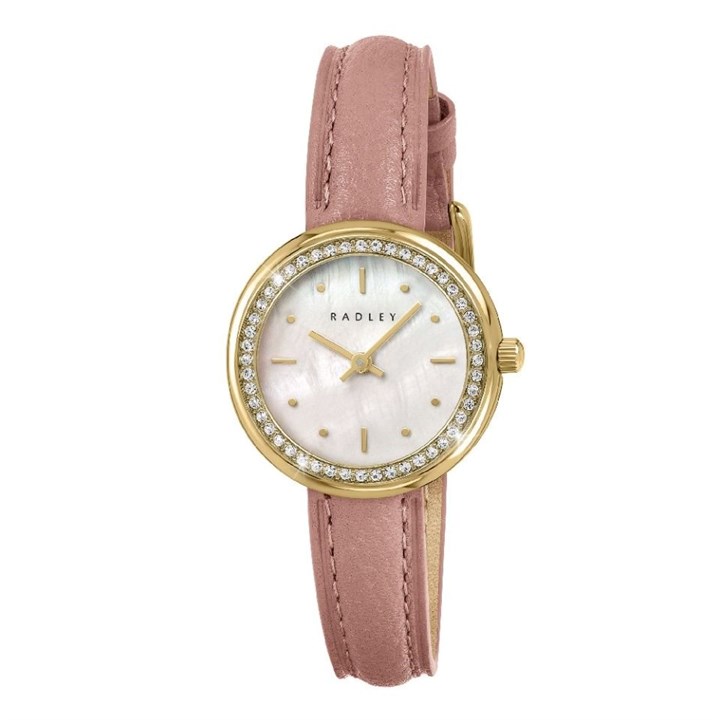
Radley
RY21974 Pink Leather Strap Watch - W51574
£67
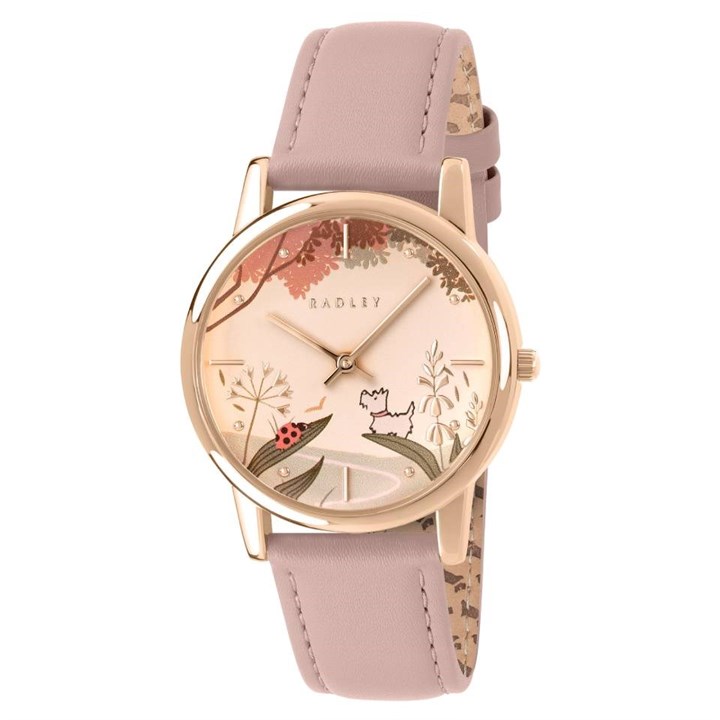
Radley
RY21846 Rose Gold Plated Pink Leather Strap Watch - W51499
£70
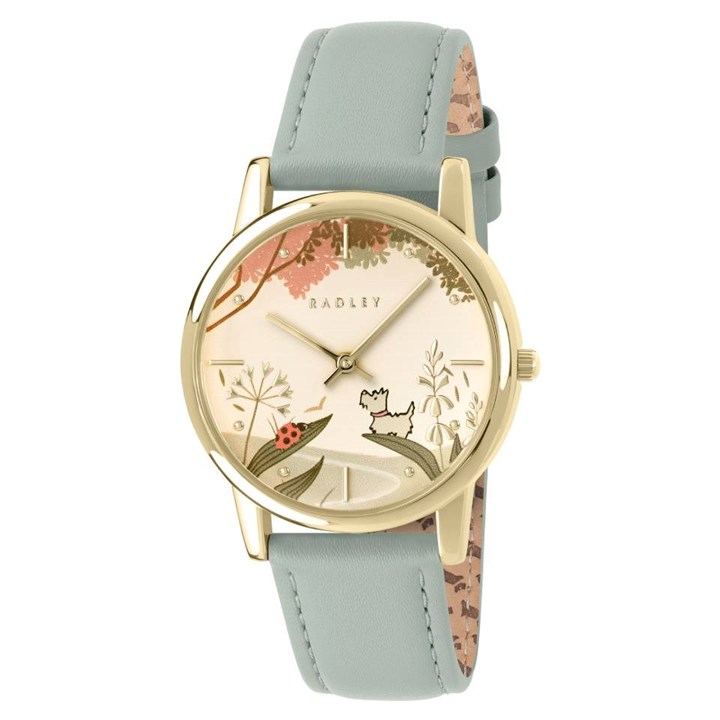
Radley
RY21848 Gold Plated Grey Leather Strap Watch - W51500
£70
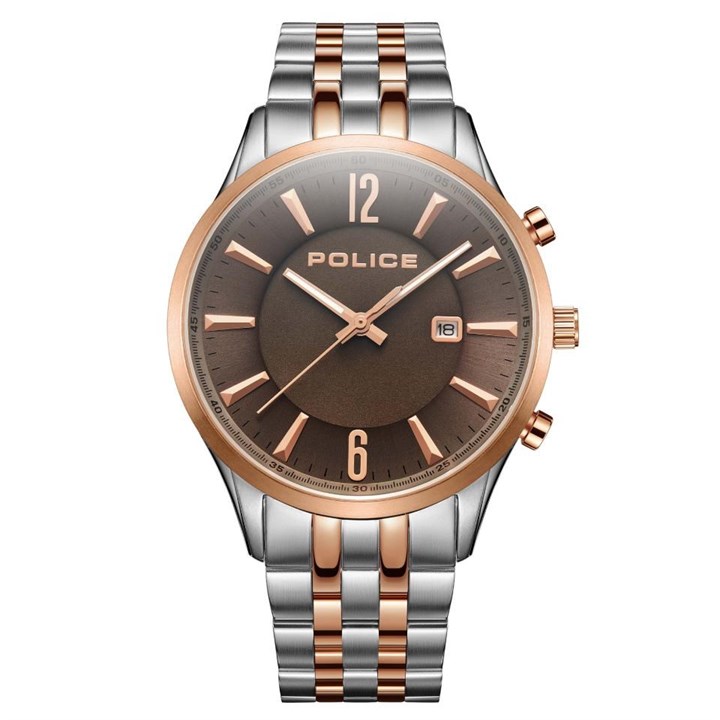
Police
Laser Two Tone Bracelet Watch - W44104
£75
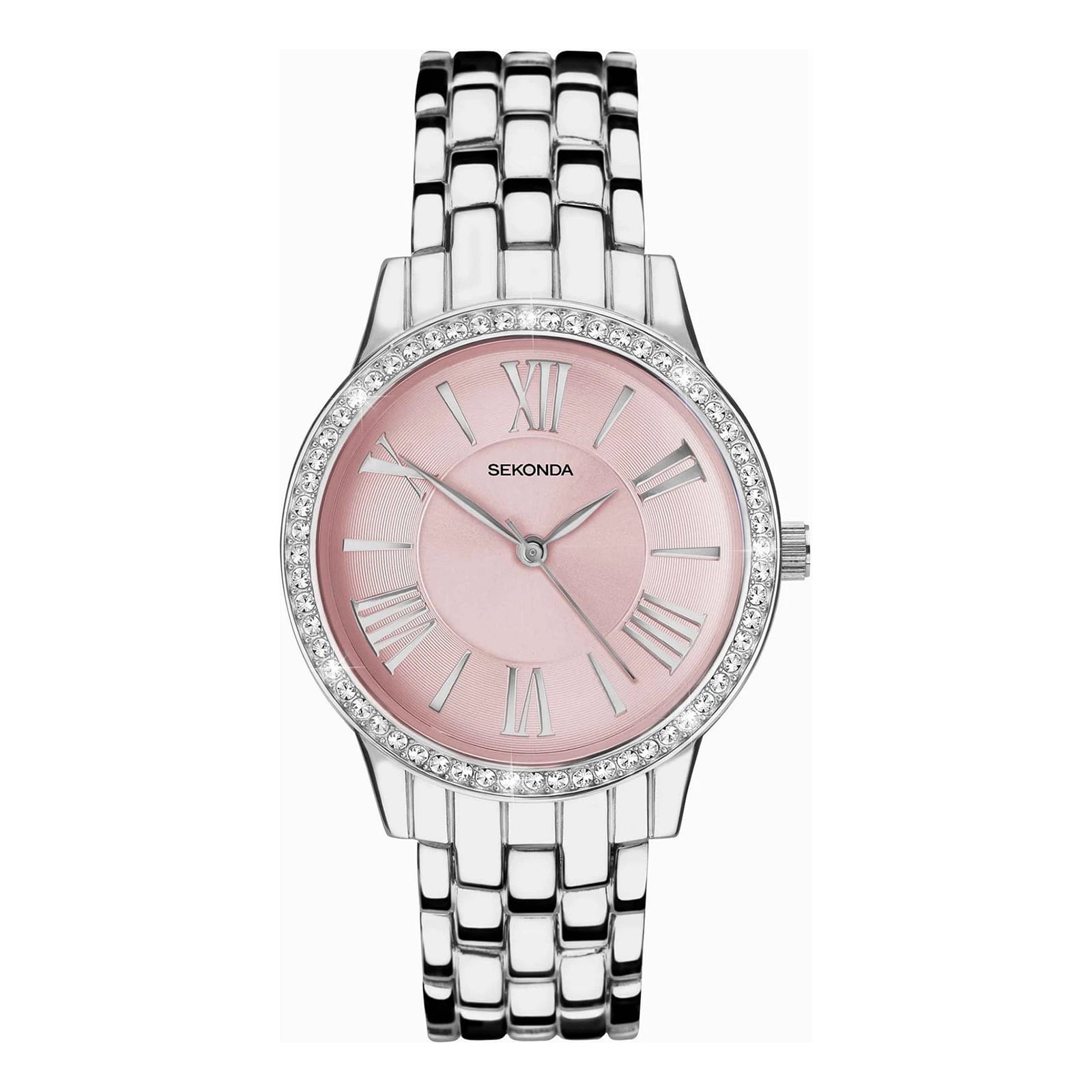
Sekonda
40477 Charlotte Stainless Steel Crystal Set Bracelet Watch - W32300
£75
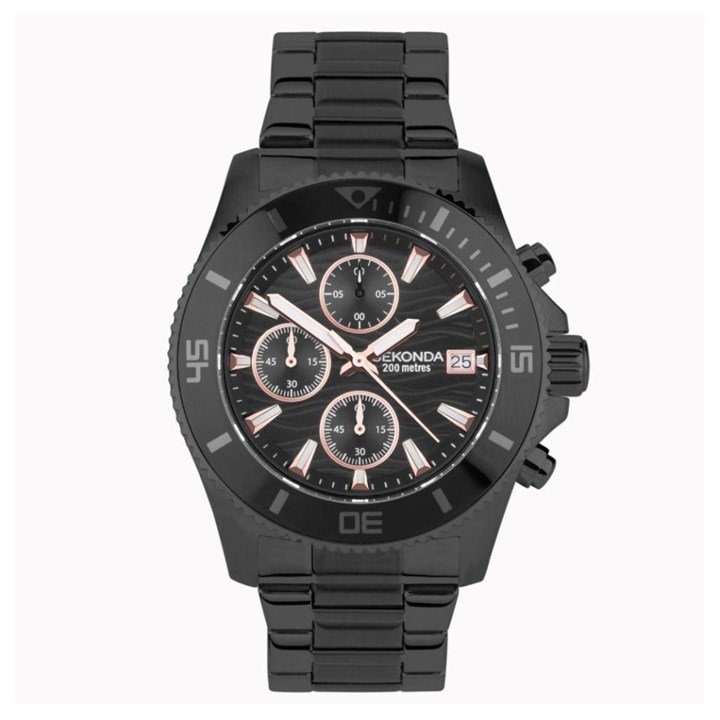
Sekonda
30117 Chronograph Black IP Bracelet Watch - W31437
£80
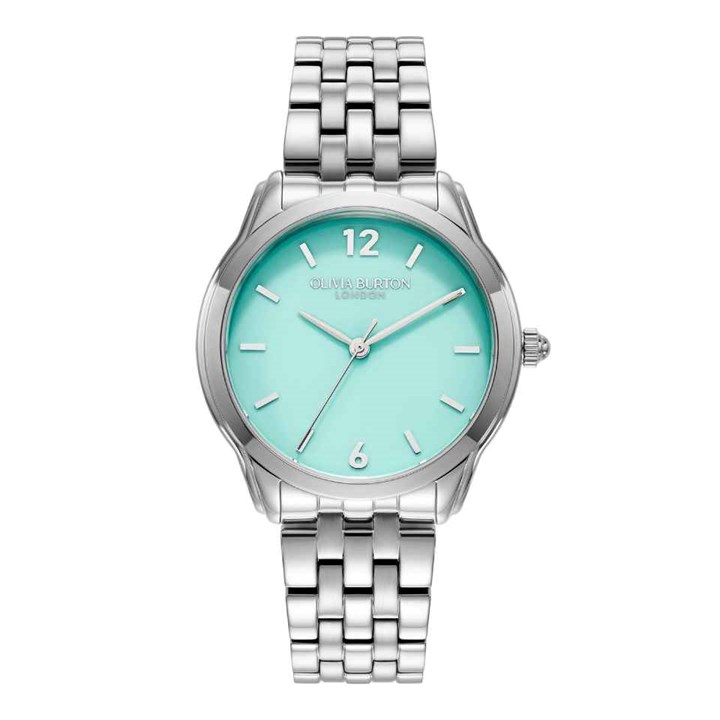
Olivia Burton
24000157 Starlight Bracelet Watch - W28212
£89
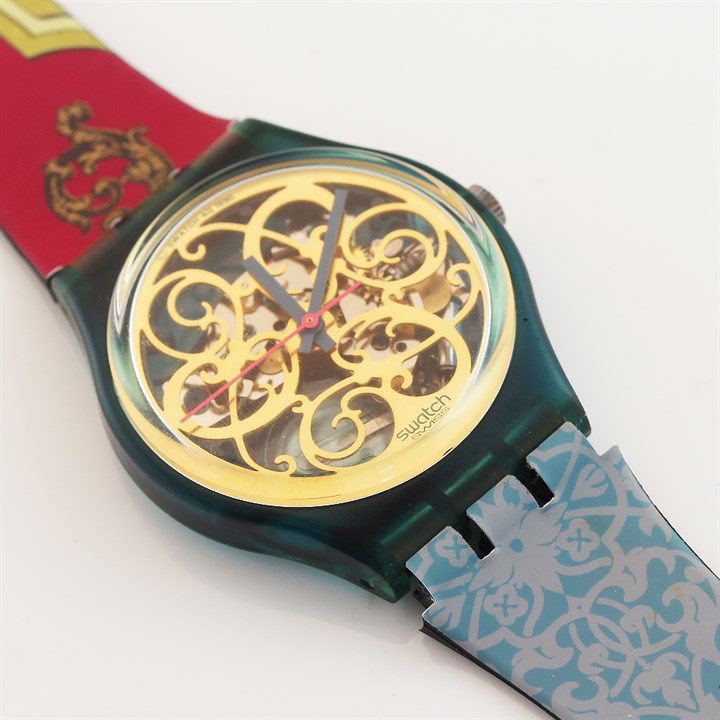
Swatch
Stucchi 1991 Collectable Patterned Strap Watch- GN107 - Z4311
£90
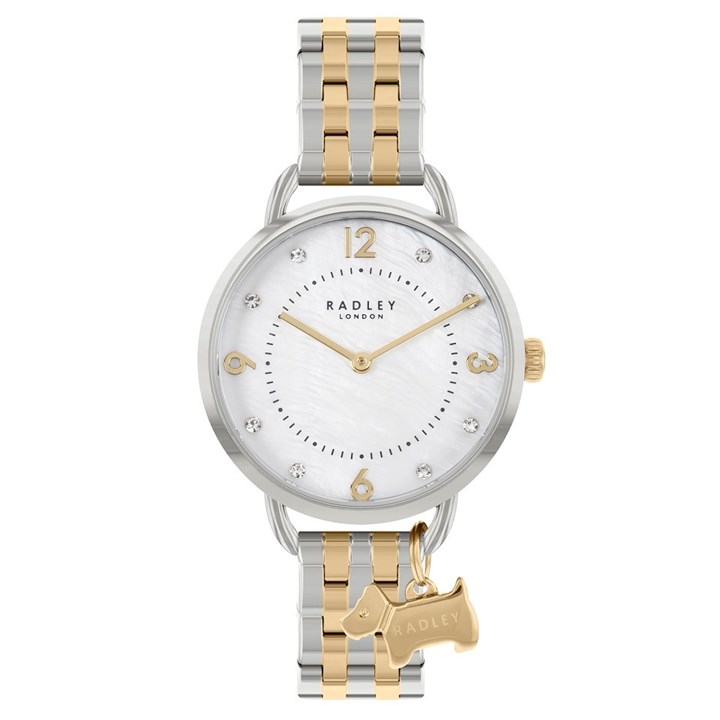
Radley
RY4609 Two Tone Bracelet Watch - W51384
£95
Solar
201 in stock
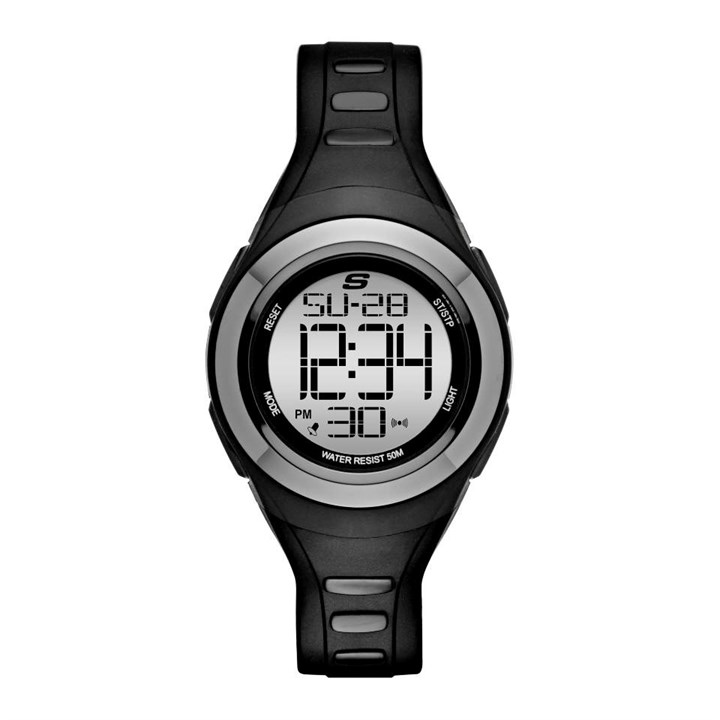
Skechers
SR2063 Tennyson Black Plastic Strap Watch - W5506
£27
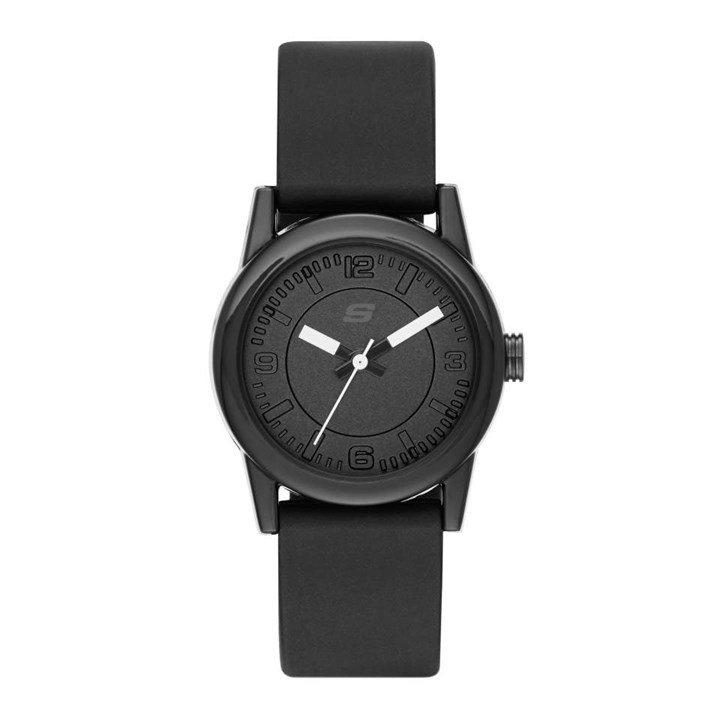
Skechers
SR6028 Rosencrans Black Silicone Strap Watch - W5517
£27

Casio
Retro Collection 38.8mm X 29.8mm Unisex Watch
£44
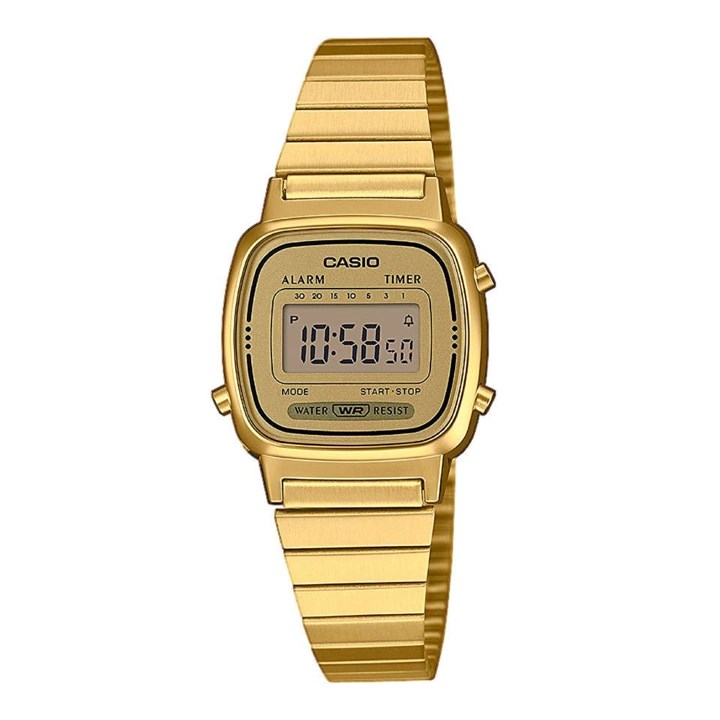
Casio
Vintage LA670WEGA-9EF Digital Bracelet Watch - W59166
£50
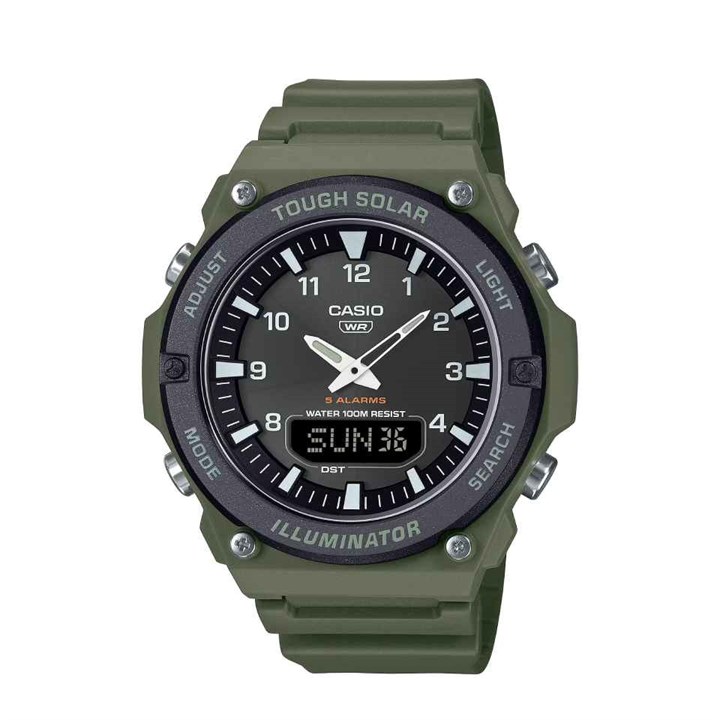
Casio
AQ-S820W-3BVEF Tough Solar Green Strap Watch - W17564
£55
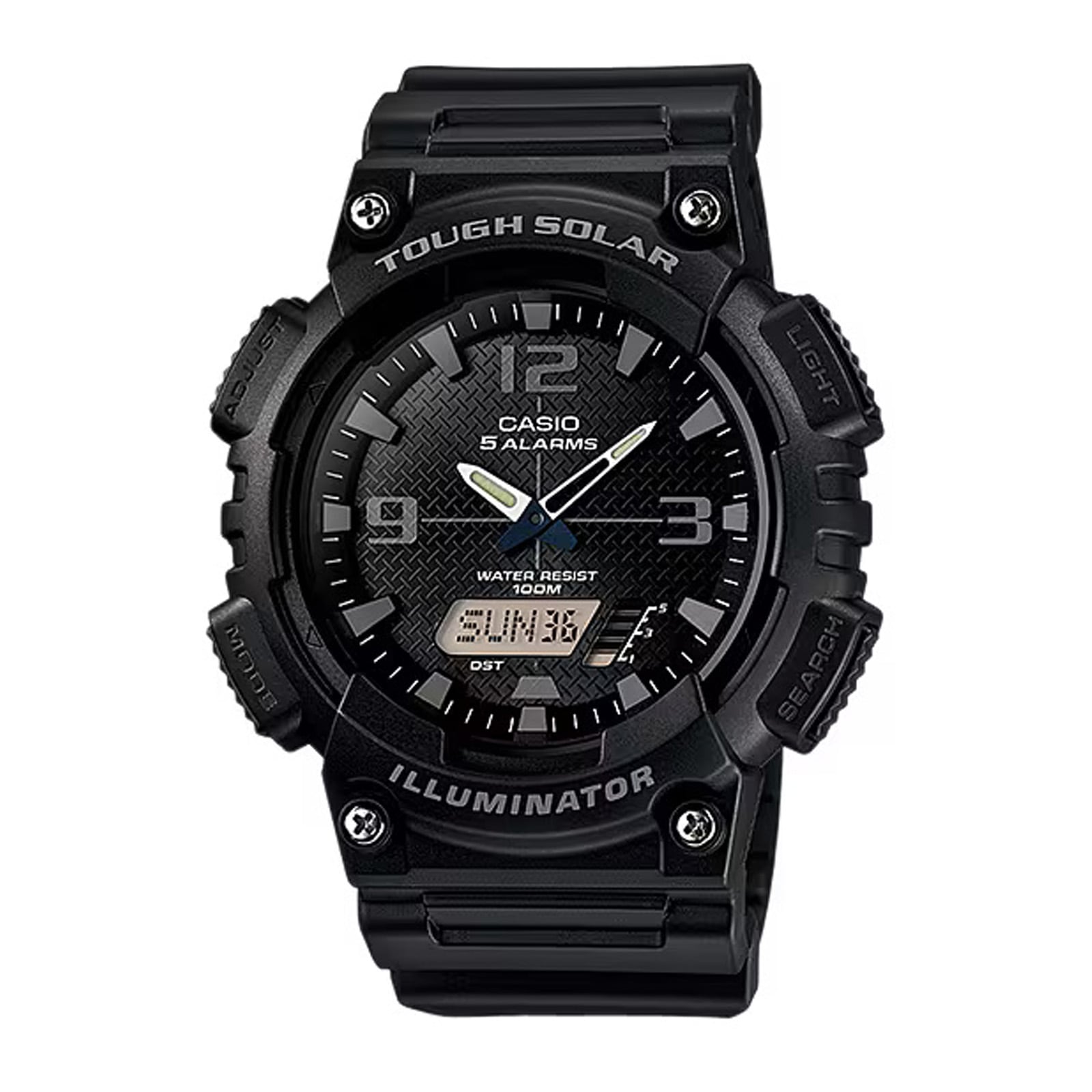
Casio
Standard Black Dial AQ Mens Watch
£55
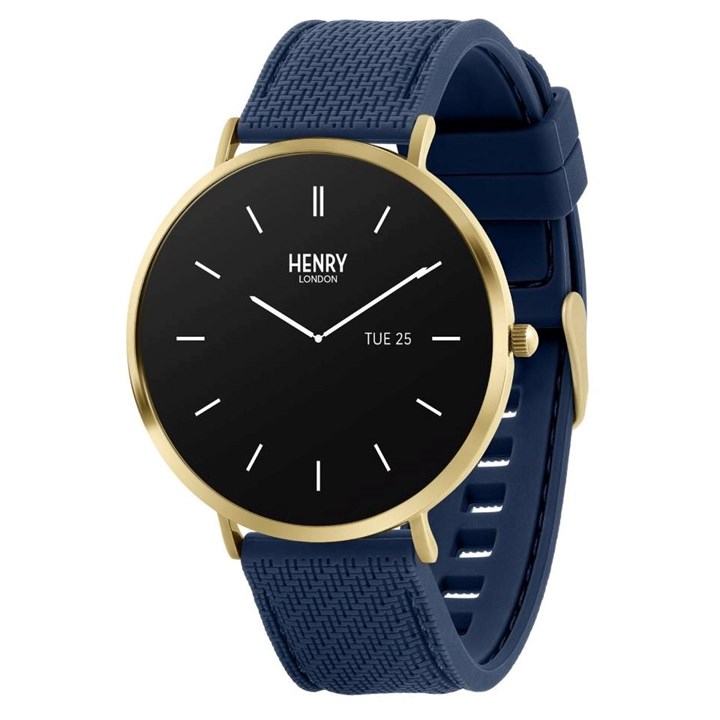
Henry London
HLS65-0012 AMOLED Blue Silicone Strap Smartwatch - W47285
£60
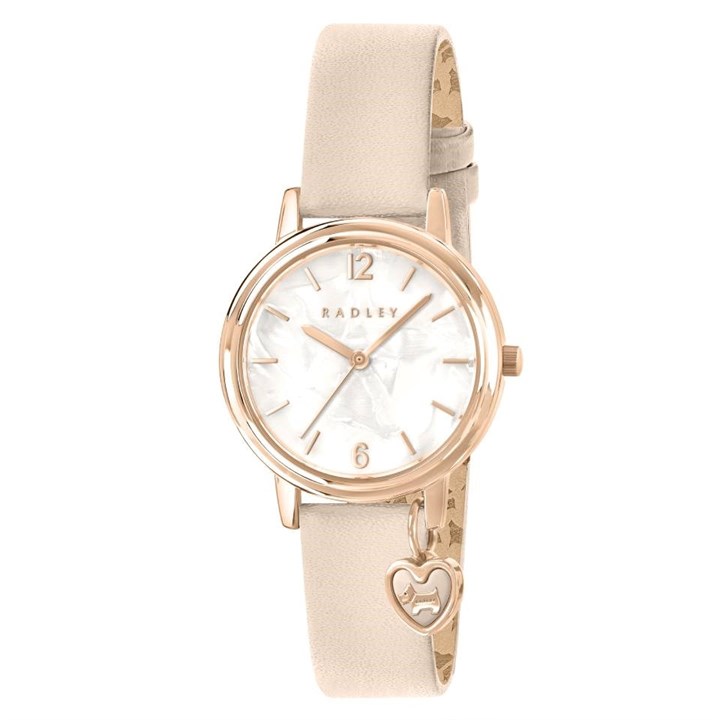
Radley
RY21872A Oatmilk Leather Strap Watch - W51517
£63
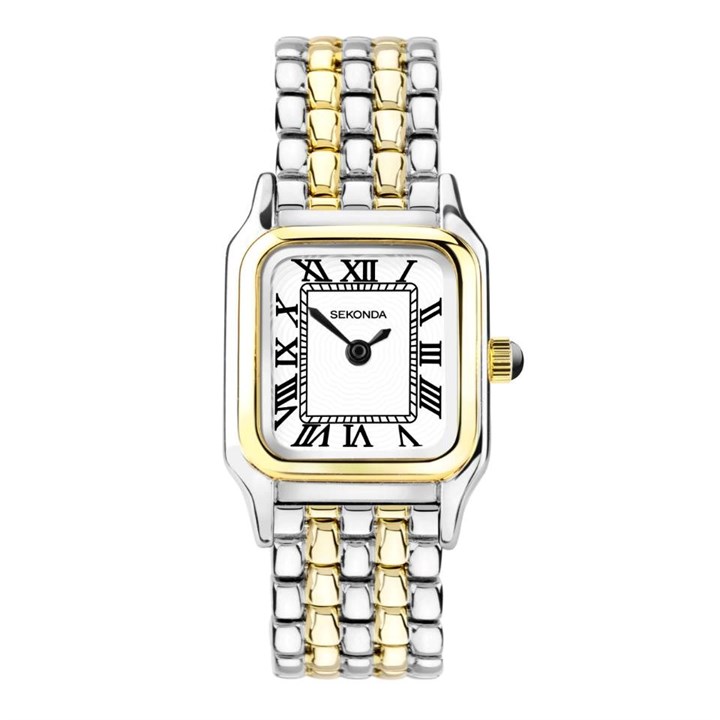
Sekonda
40658 Monica Maxi Two Tone Bracelet Watch - W32367
£65
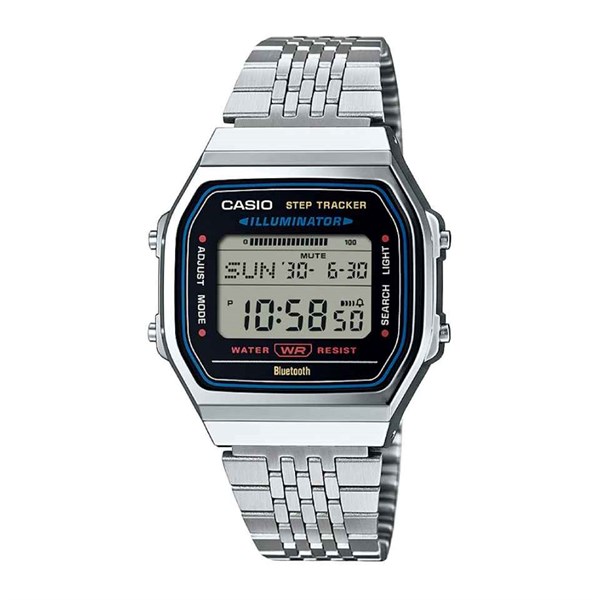
Casio
Vintage ABL-100WE-1AEF Bluetooth Step Tracker Watch - W17534
£70
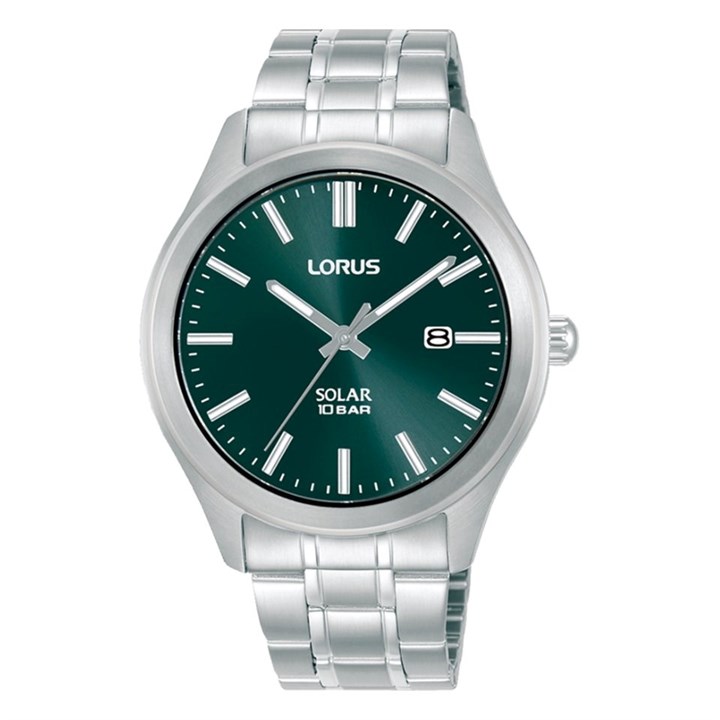
Lorus
RX391AX9 Solar Green Dial Bracelet Watch - W16335
£75
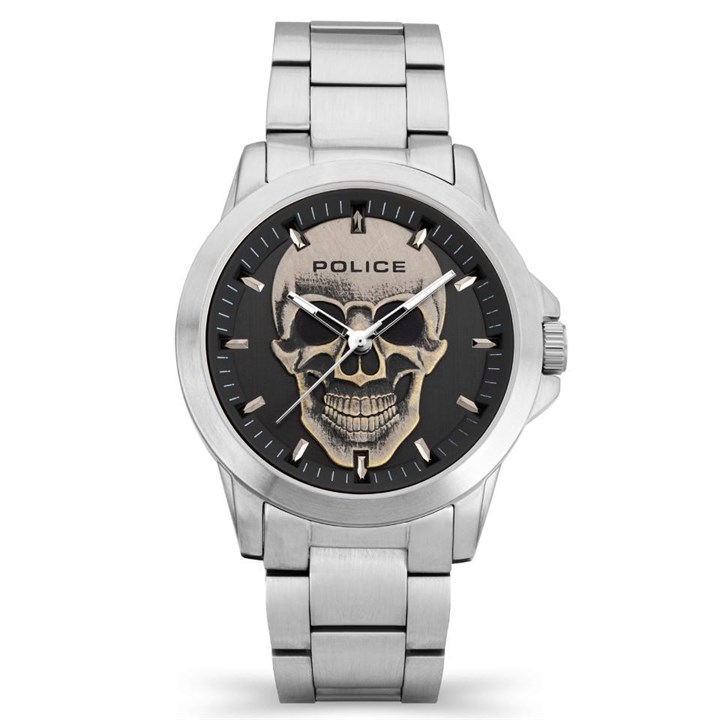
Police
Flick Stainless Steel Skull Dial Bracelet Watch - W44102
£75
Kinetic
9 in stock
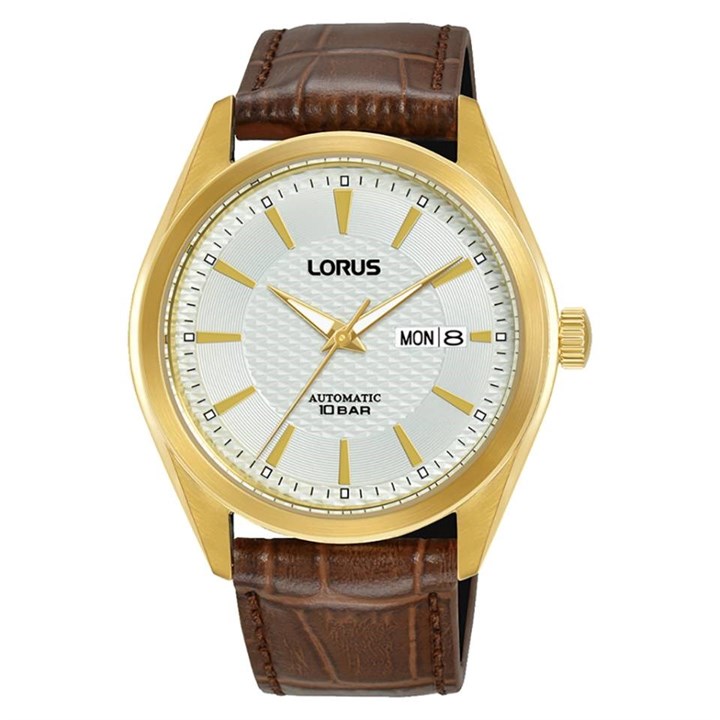
Lorus
RL490BX9 Automatic Brown Leather Strap Watch - W16297
£119
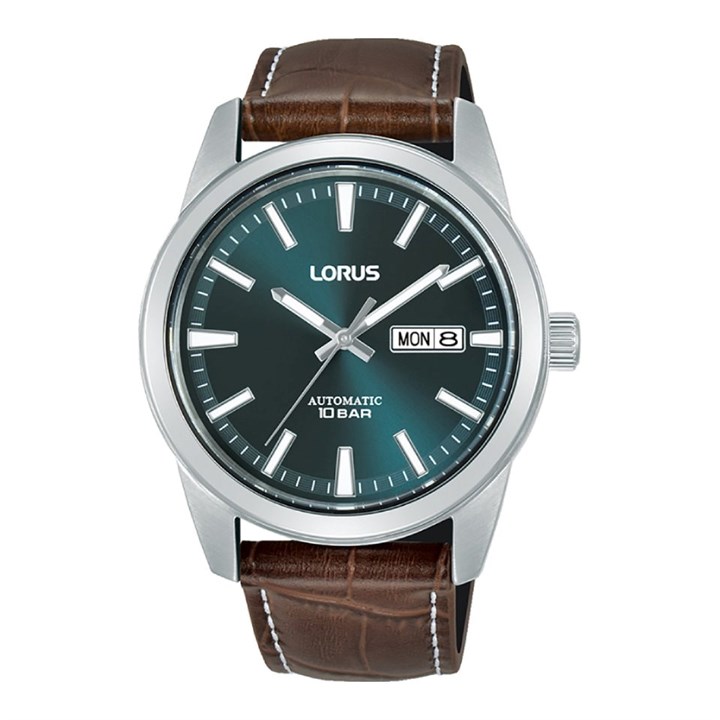
Lorus
RL497BX9 Automatic Blue Dial Brown Leather Strap Watch - W16317
£140
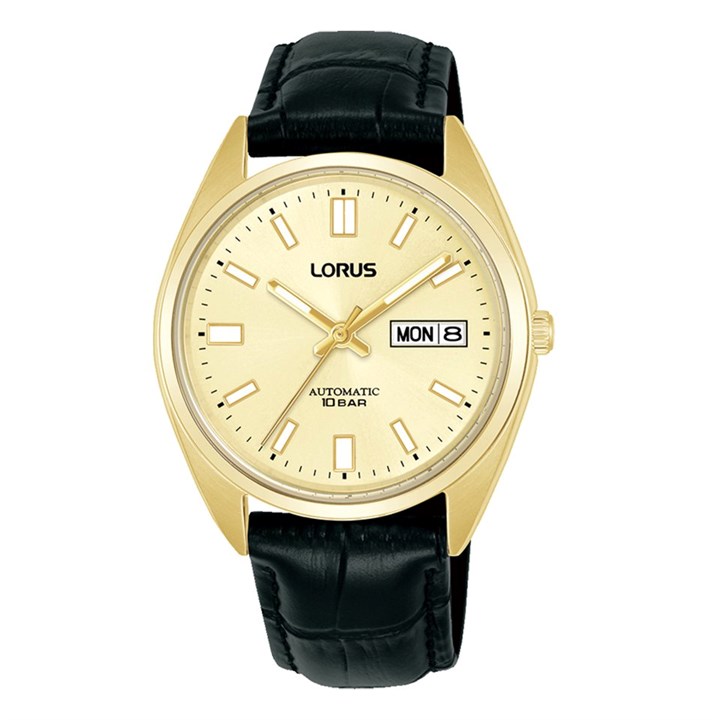
Lorus
RL436CX9 Automatic Black Leather Strap Watch - W16349
£155
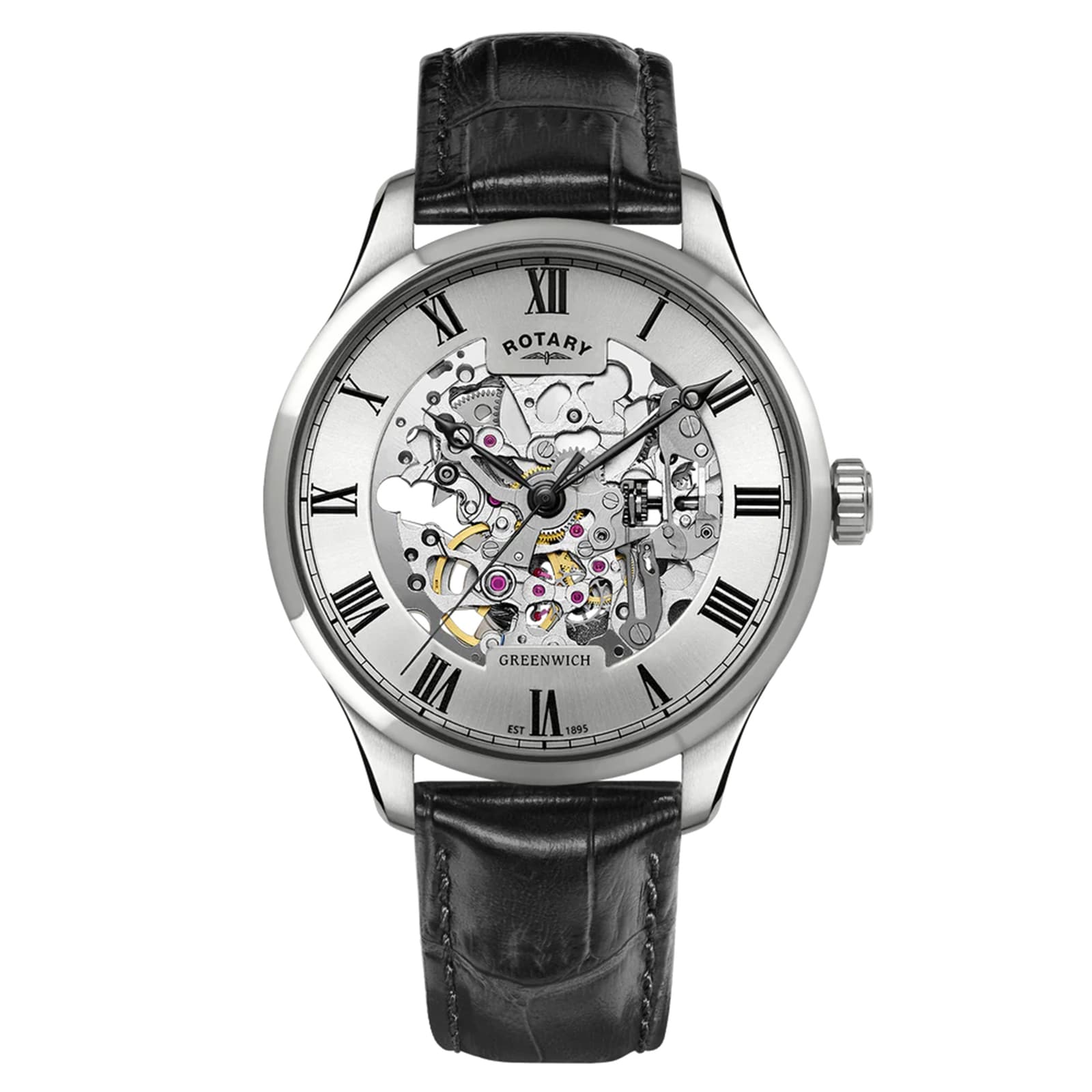
Rotary
Greenwich 42mm Mens Watch Silver
£239
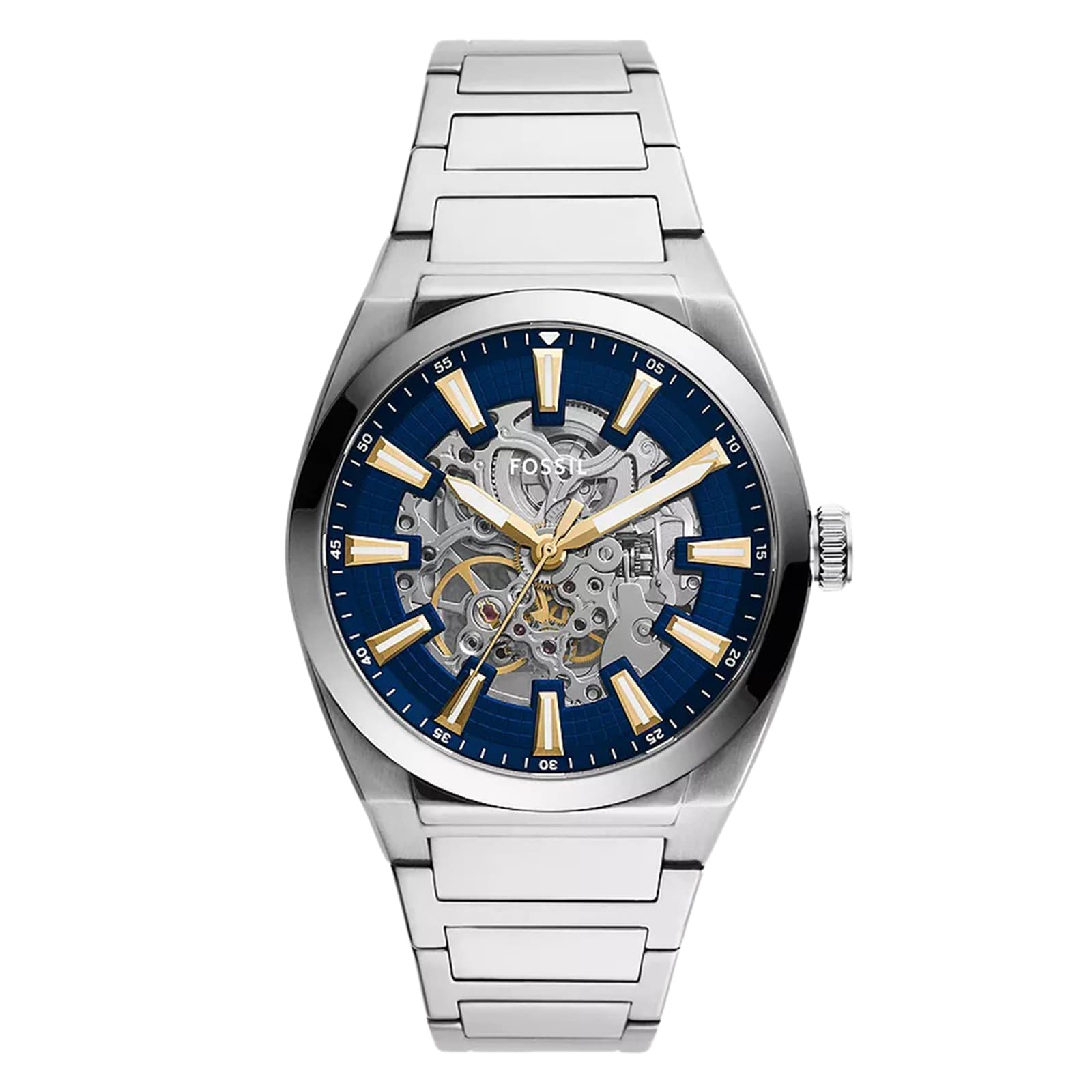
Fossil
Everett Stainless Steel Blue Dial Mens Watch
£269

Emporio Armani
Automatic Black Stainless Steel Mens Watch
£289
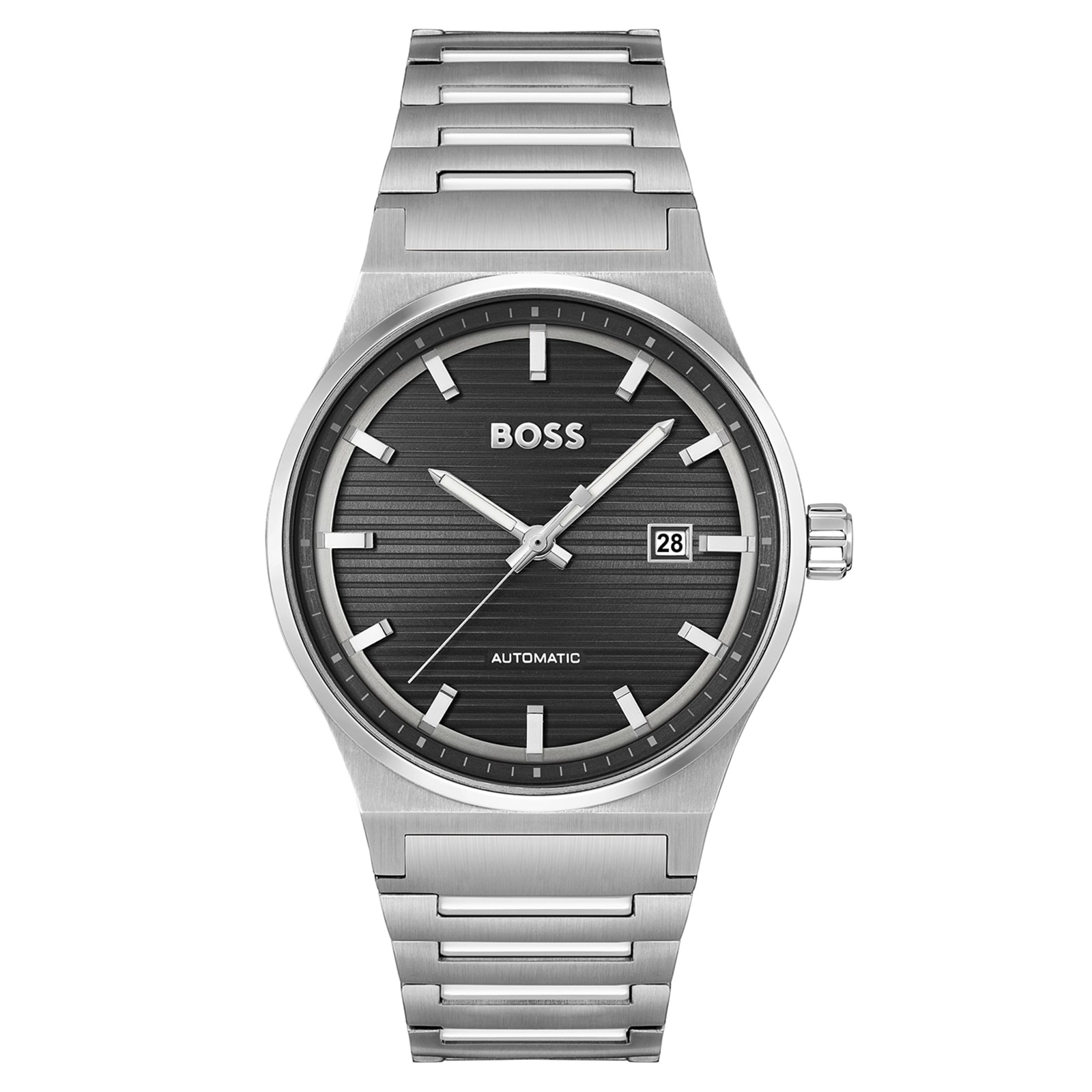
Hugo Boss
Candor Mens Watch Black 41mm
£339
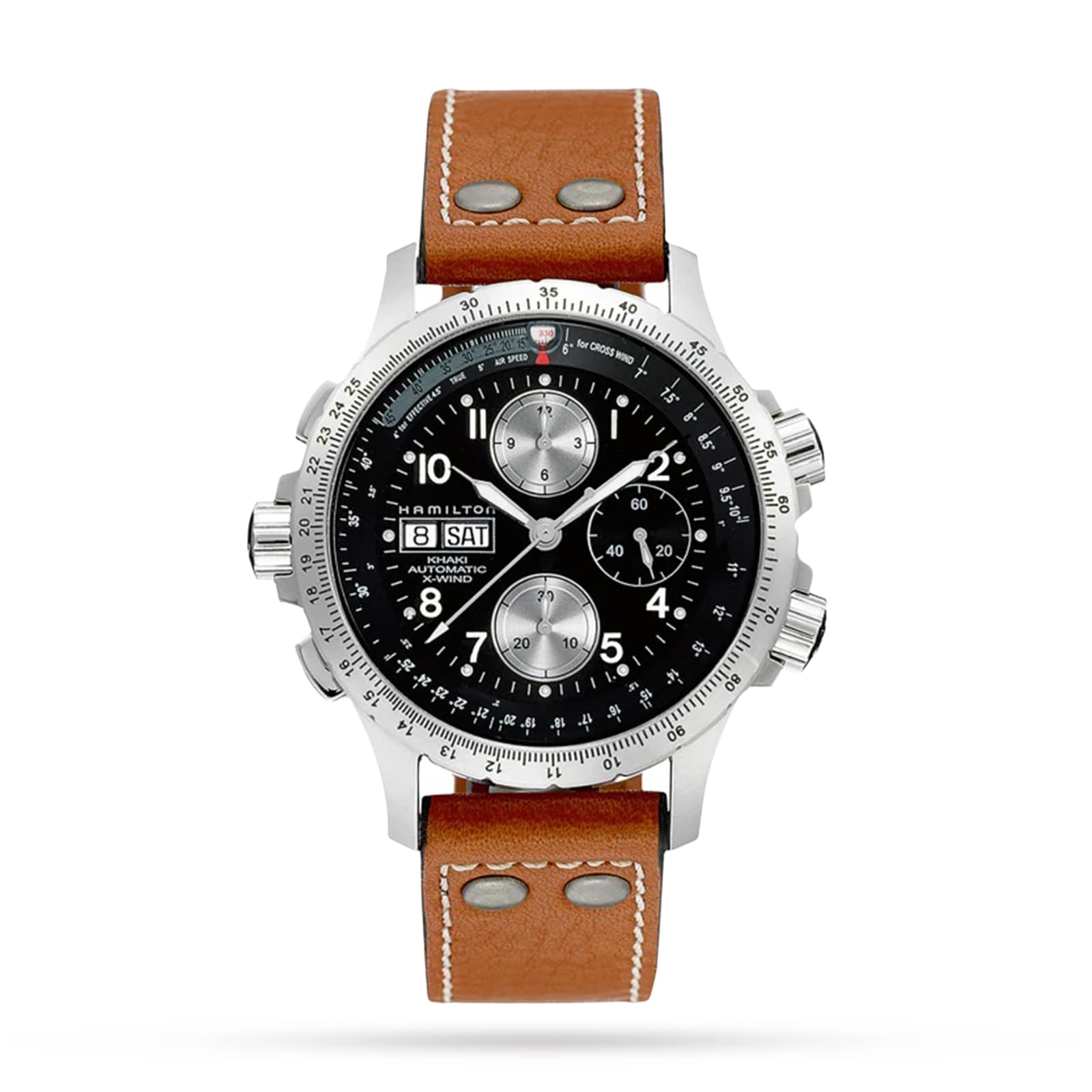
Hamilton
Khaki Aviation 44mm Mens Watch
£1,685

H. Moser & Cie
Streamliner Tourbillon 40mm Mens Watch
£120,000
Spring Drive
11 in stock
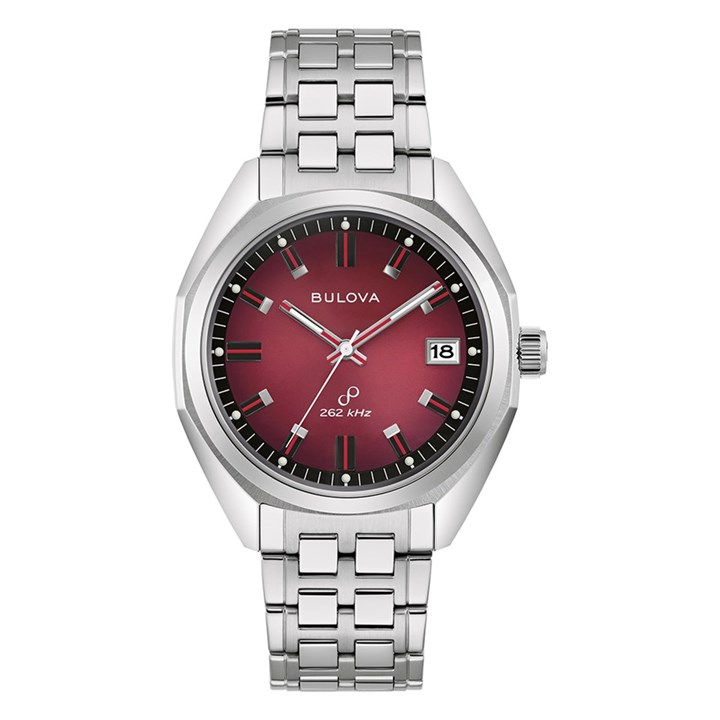
Bulova
Jet Star 96B401 Red Dial Bracelet Watch - W09358
£429
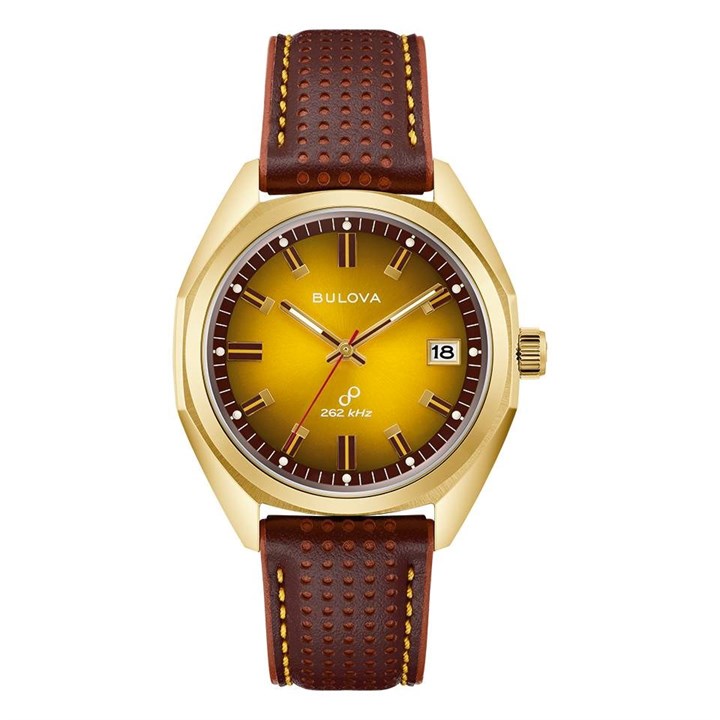
Bulova
Jet Star 97B214 1973 Leather Strap Watch - W09321
£449
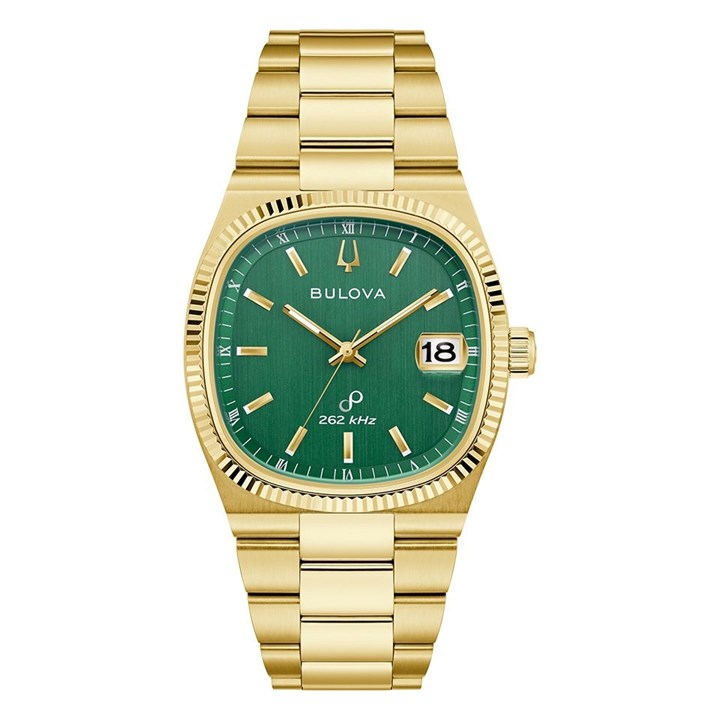
Bulova
Super 97B237 Seville Gold Tone Bracelet Watch - W09393
£499
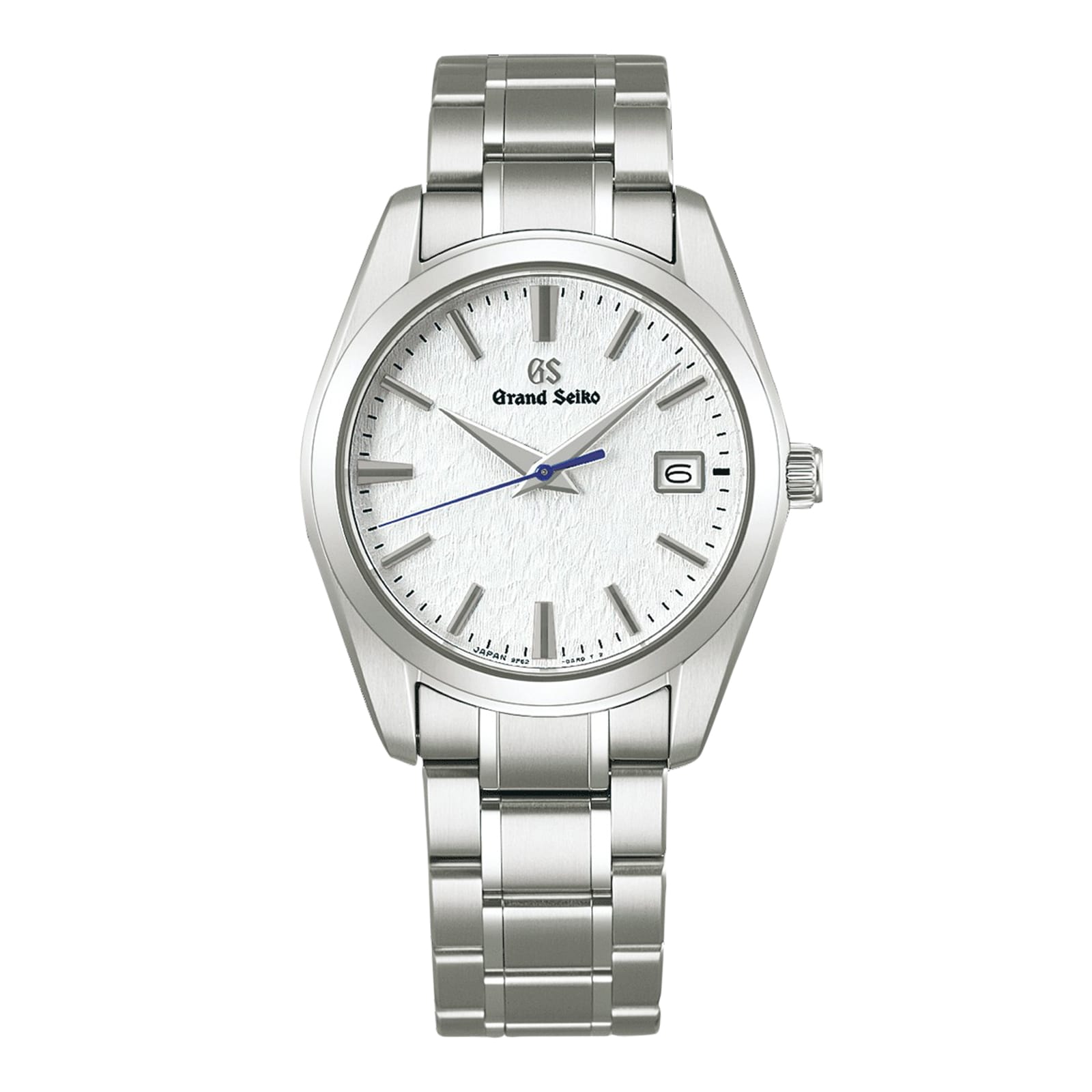
Grand Seiko
Heritage 37mm Ladies Watch White
£3,700
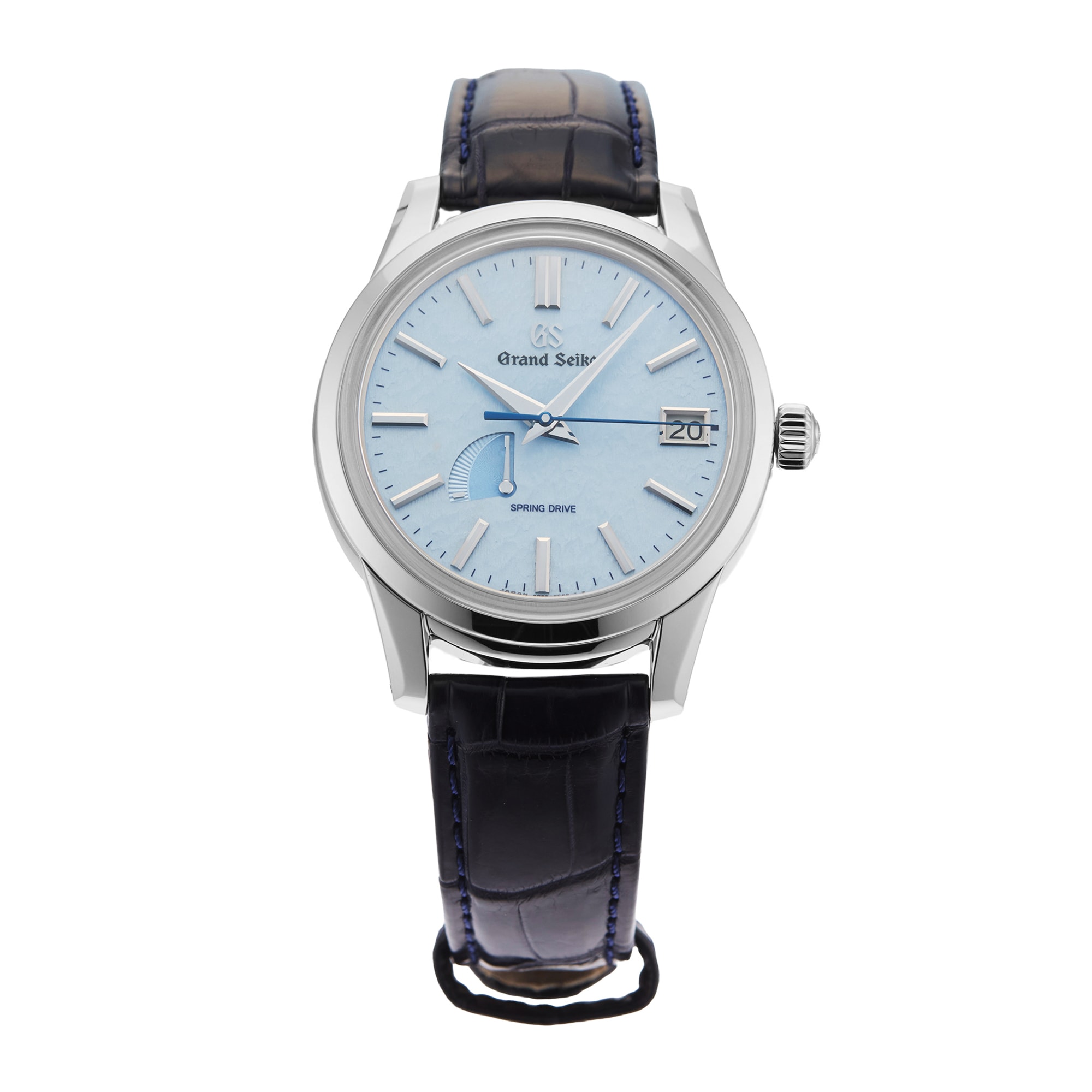
Grand Seiko
Elegance Collection Skyflake 40.2mm Stainless Steel
£5,550
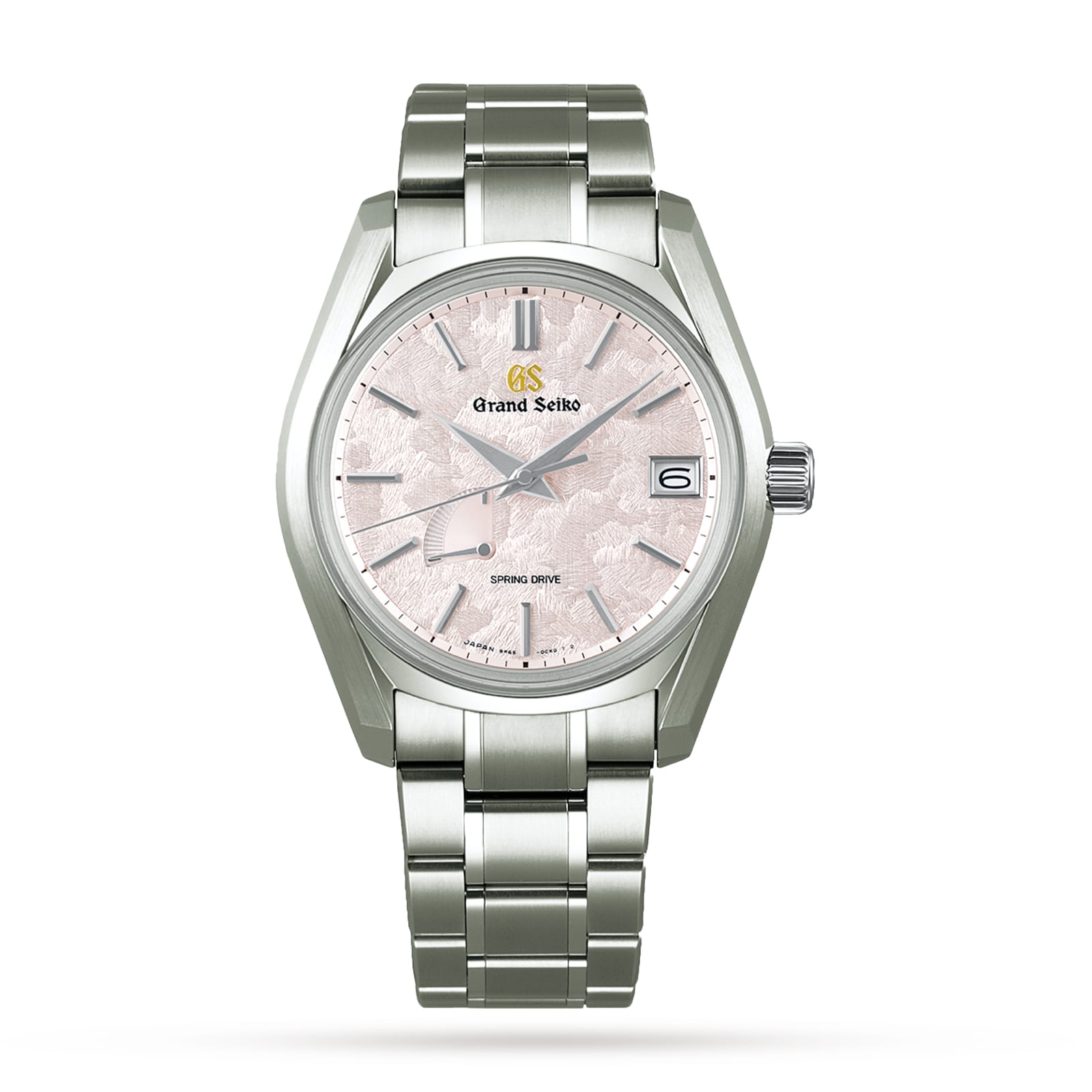
Grand Seiko
Heritage Shunbun 40mm Mens Watch
£6,300
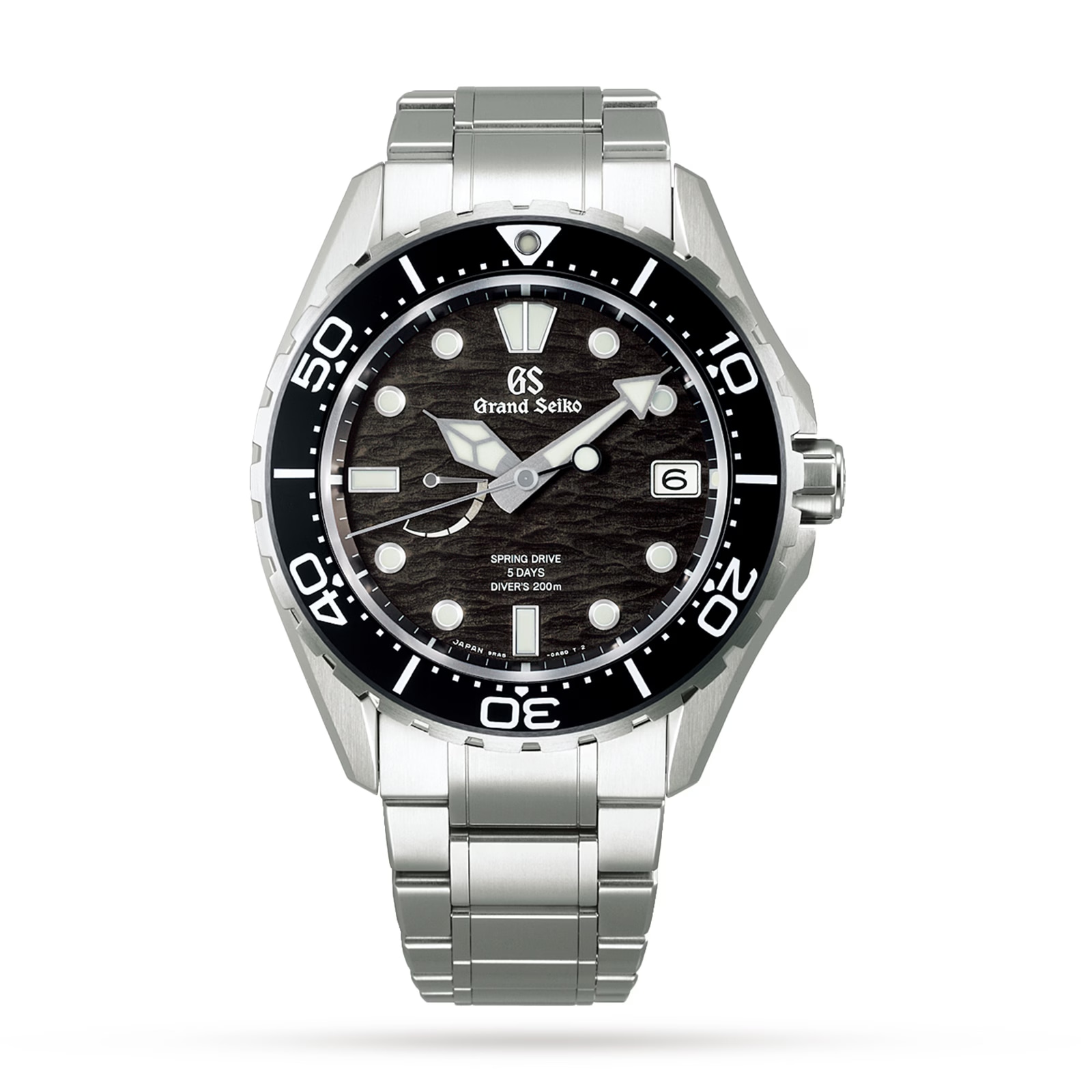
Grand Seiko
Evolution 9 'Ushio - 'Tide' Spring Drive
£7,650
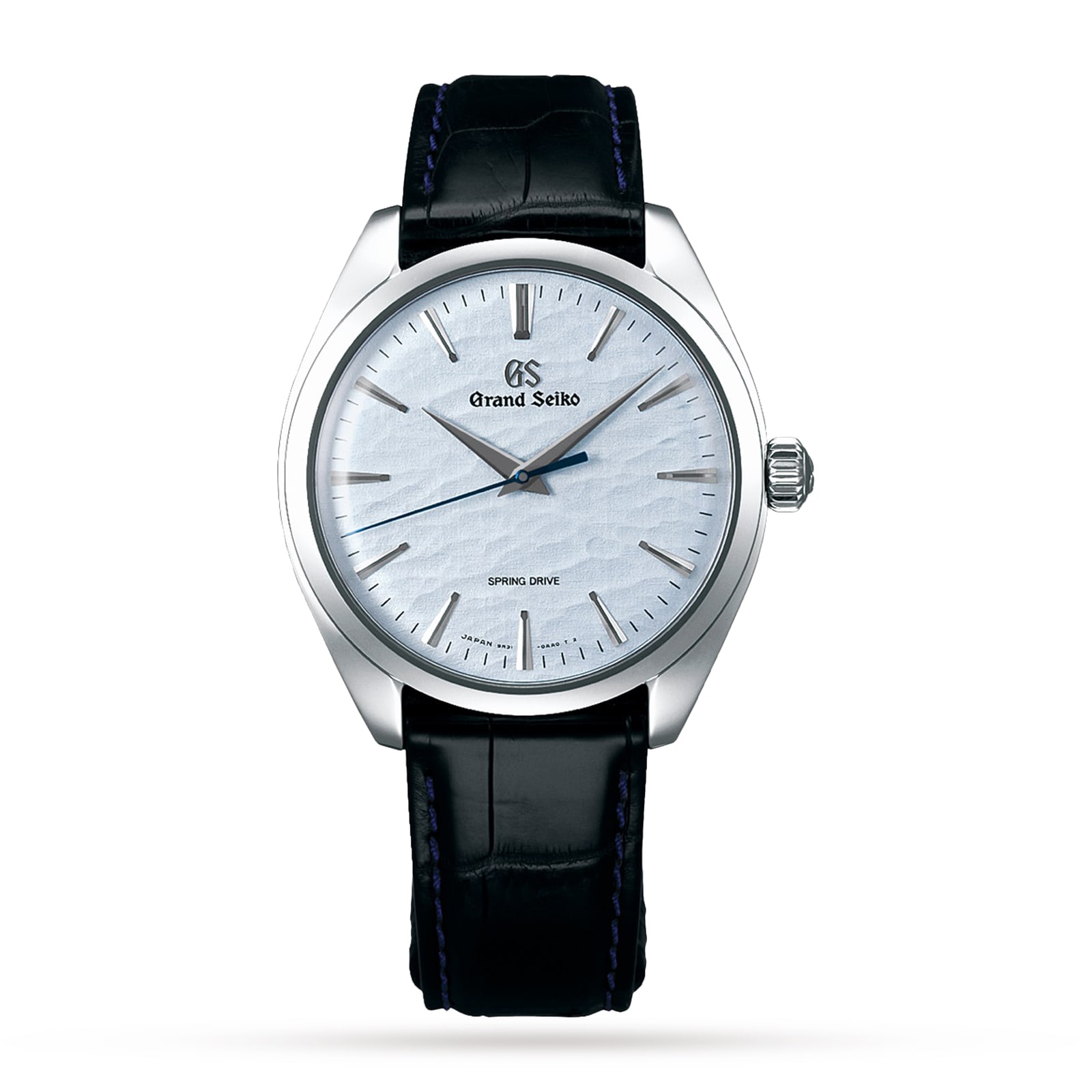
Grand Seiko
Elegance 'Omiwatari' Spring Drive 38.5mm Mens Watch
£7,800

Grand Seiko
Evolution 9 Spring Drive U.F.A
£9,950
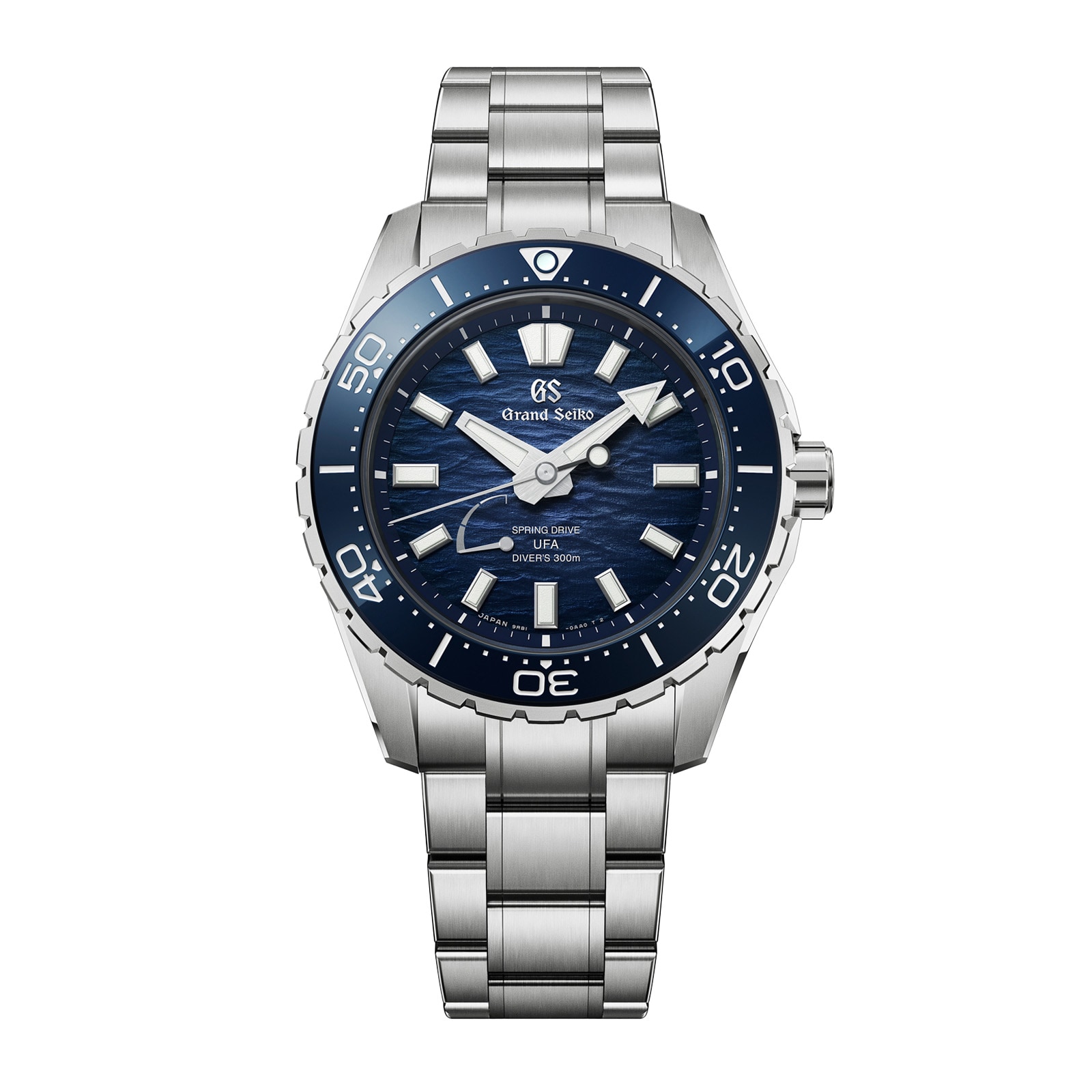
Grand Seiko
Evolution 9 Spring Drive U.F.A Ushio 300 Diver 40.8mm Mens Watch Blue
£10,500
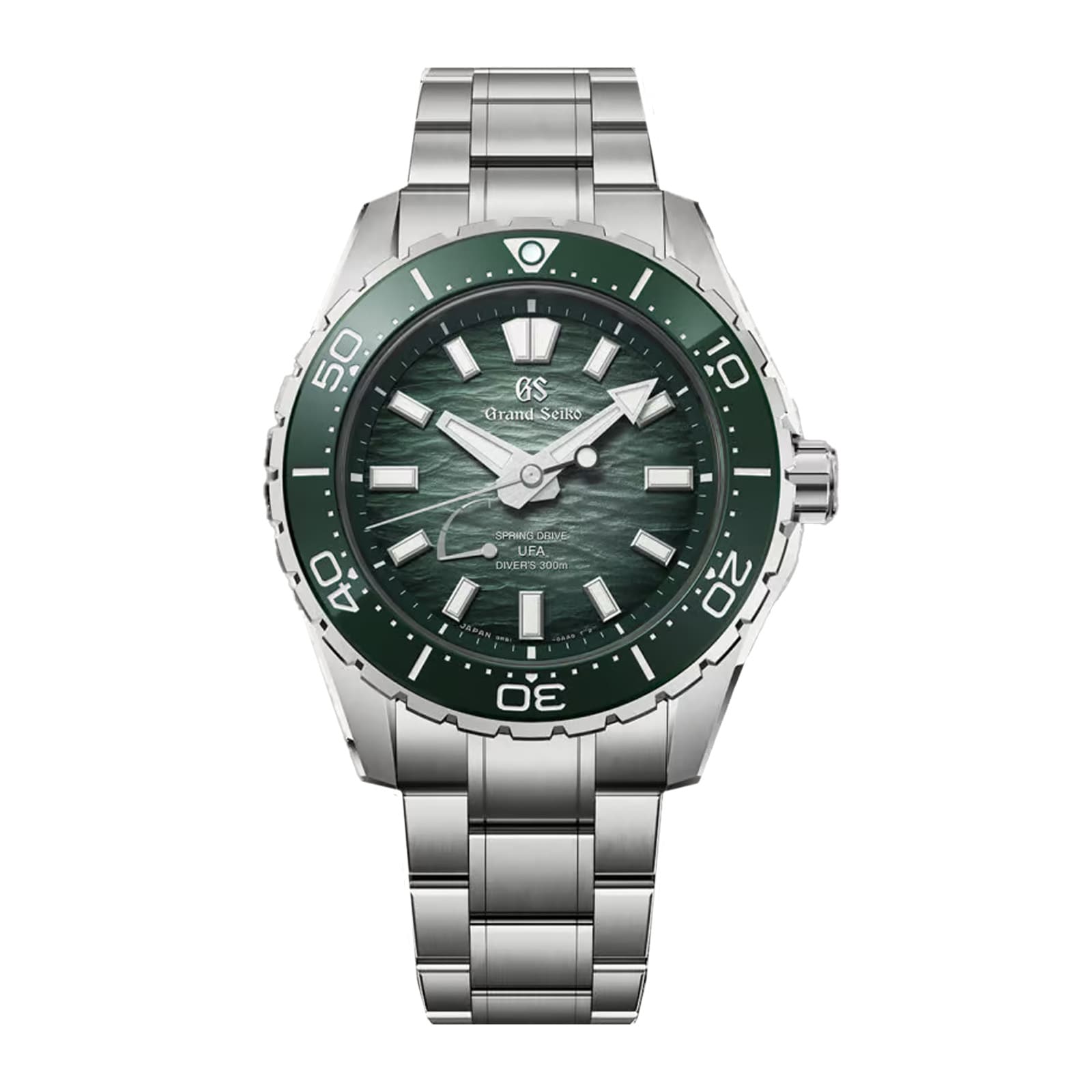
Grand Seiko
Evolution 9 Spring Drive U.F.A Ushio 300 Diver 40.8mm Mens Watch Green
£10,500
Eco-Drive
1 in stock
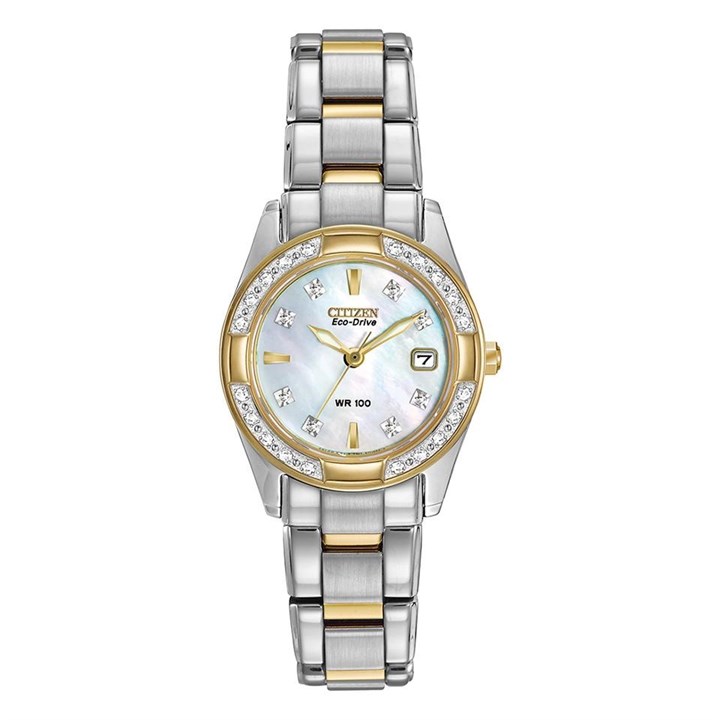
Citizen
EW1824-57D Regent Two Tone Eco-Drive Diamond Set Bracelet Watch - W9198
£299
Common misconceptions
Automatic watches are more accurate because they cost more.
The opposite. Quartz outperforms mechanical on accuracy at every price point. Mechanical is bought for craft, not precision.
An automatic winds itself so it never stops.
It winds while worn. Taken off, it runs down within its power reserve — often less than two days on older movements.
A watch winder is necessary for an automatic.
It is a convenience, not a requirement. Resetting a stopped watch does it no harm at all.
Movements across the watches we list
Movement type is recorded on nearly every watch on the site. The split is a fair picture of what the UK market actually sells.
| Movement | Watches | From |
|---|---|---|
| Quartz | 2,912 | £14.99 |
| Automatic | 1,642 | £24.90 |
| Manual | 108 | £29.99 |
| Spring Drive | 11 | £429 |
| Solar | 211 | £27.49 |
Based on 4,912 watches listed and in stock. Updated continuously.
Also worth reading: what water resistance ratings really mean, sapphire, mineral and acrylic crystals compared, and how to size a watch to your wrist.