
Water resistance guide
What water resistance ratings actually mean
A water resistance rating is not a depth. It is a static pressure figure measured in a laboratory, and the pressure a watch meets in real use is far higher than standing still underwater. As a working rule: 30m survives rain and handwashing, 50m survives a shower, 100m is the first rating suitable for swimming, and 200m or more is what you want for anything involving depth or repeated immersion.
| Rating | Safe for | Not safe for |
|---|---|---|
| 30m / 3 ATM | Rain, handwashing, accidental splashes | Showering, swimming, bathing |
| 50m / 5 ATM | Showering, brief immersion | Swimming lengths, snorkelling |
| 100m / 10 ATM | Swimming, snorkelling, watersports | Scuba diving, high board |
| 200m / 20 ATM | Scuba diving to recreational depth | Saturation or mixed-gas diving |
| 300m and over | Serious and professional diving | No everyday limit; still needs its seals tested |
Why the number is misleading
The figure comes from a static pressure test. The watch is held in a pressure chamber at a fixed pressure equivalent to that depth and checked for ingress. Nothing moves.
Movement changes everything. Swinging your arm through a swimming stroke, or simply plunging your hand under a running tap, generates transient pressure spikes several times the static figure. This is why a 50m watch that would in theory sit unharmed at fifty metres can flood in a swimming pool at chest depth.
The other factor is heat. Gaskets are rubber, and rubber expands and contracts. A hot shower or a sauna will do more damage to a water seal than cold water at depth, which is why showering is the specific activity most often warned against even on watches rated well above it.
What separates a rating from a dive watch
A watch marked 200m and a watch marked DIVER'S 200M are not the same thing. The second has been built to ISO 6425, which requires a minimum of 100m resistance plus a set of additional tests: resistance to thermal shock, magnetic fields and shock, a timing bezel that only turns one way, and legibility at 25cm in total darkness. Each individual watch is tested rather than one sample from the batch.
If you actually intend to dive, the ISO marking matters more than the depth figure. If you are buying a watch that looks like a dive watch and will never leave dry land, it does not matter at all.
The crown is the weak point
Most water ingress happens through the crown, not the case back or the glass. A screw-down crown physically compresses a gasket against the case tube when tightened, which is why it appears on essentially every watch rated 200m and above.
A push-pull crown left slightly out is the single most common way people flood a watch. If your watch has a screw-down crown, check it is tight before it gets wet. If you have adjusted the time or date, check it twice.
Ratings do not last forever
Water resistance is a property of the gaskets, and gaskets perish. Rubber hardens with age, heat and contact with soap, sun cream and chlorine. A twenty-year-old watch still marked 200m is not a 200m watch until it has been pressure tested.
Anyone swimming regularly with a watch should have the seals tested annually. It is a cheap test and most watchmakers will do it while you wait.
Now find yours
Watches by what they can actually take, in stock today.
Not water resistant
49 in stock

Limit
6955 Gold Plated Expanding Bracelet Watch - W7799
£20
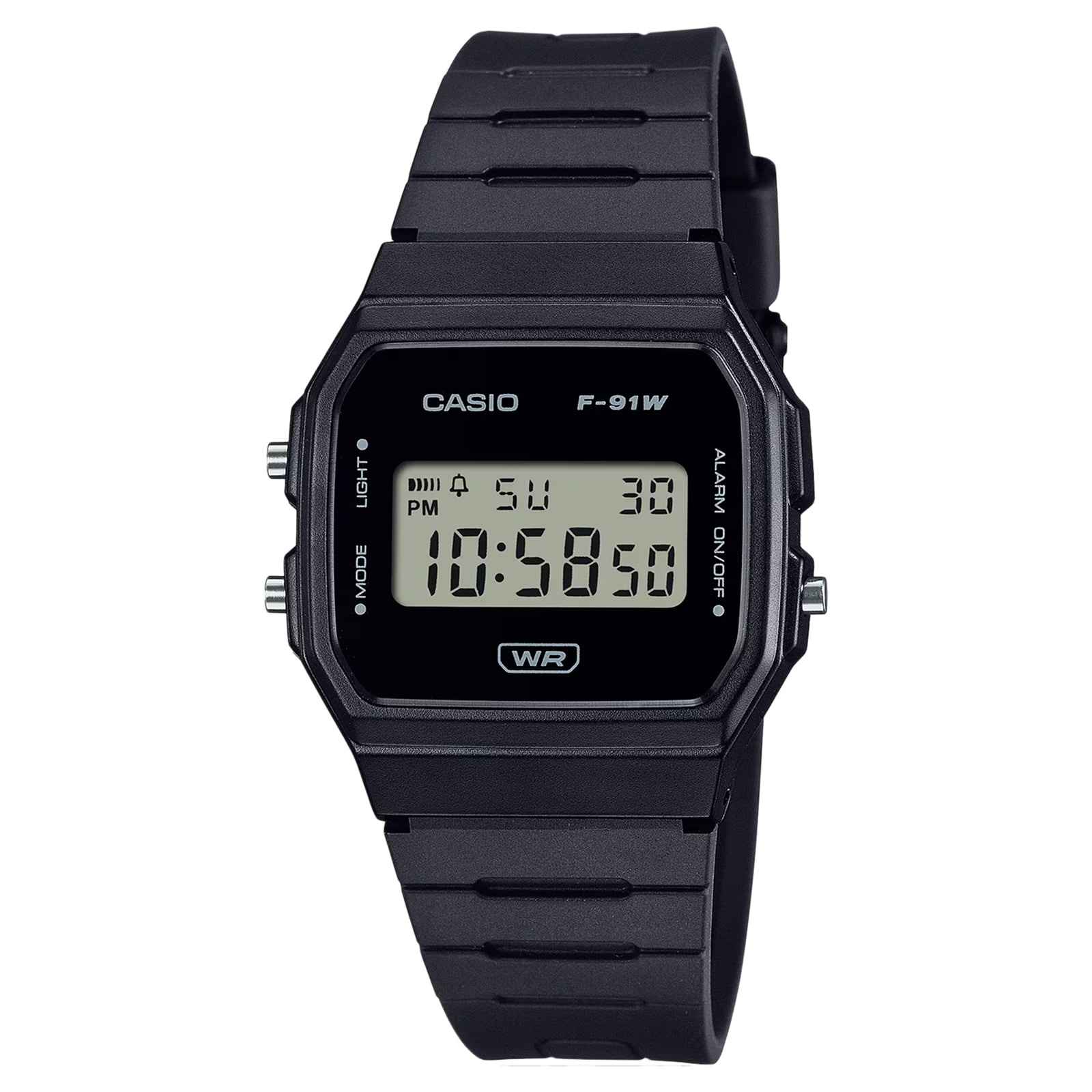
Casio
Digital 38mm Unisex Watch
£25
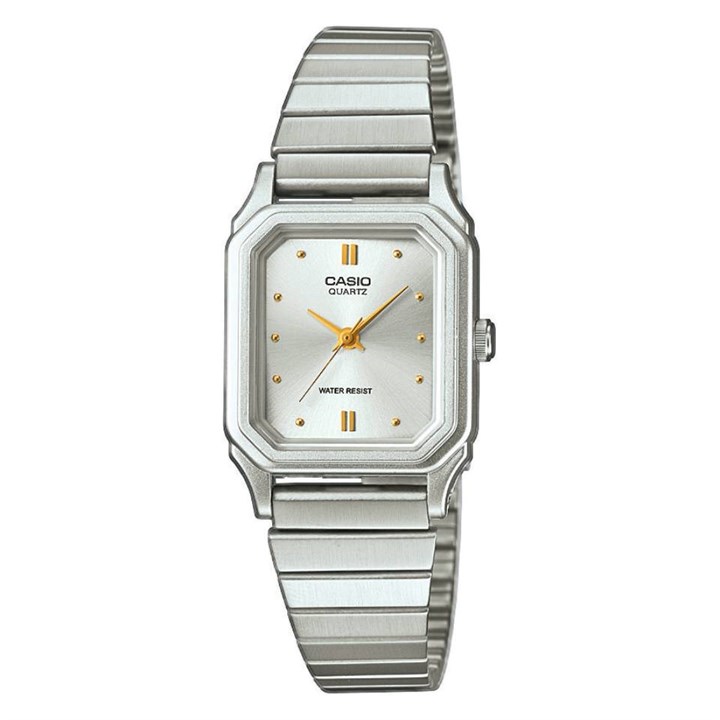
Casio
LQ-400D-7AEF Stainless Steel Bracelet Watch - W17483
£25
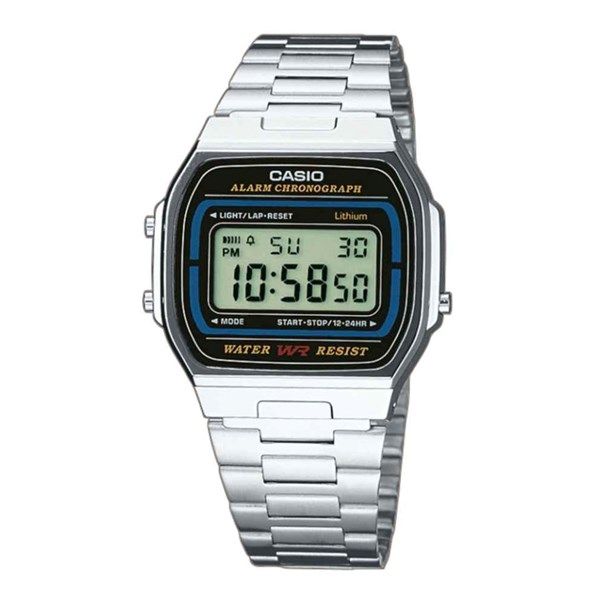
Casio
Vintage A164WA-1VES Retro Bracelet Watch - W1724
£28
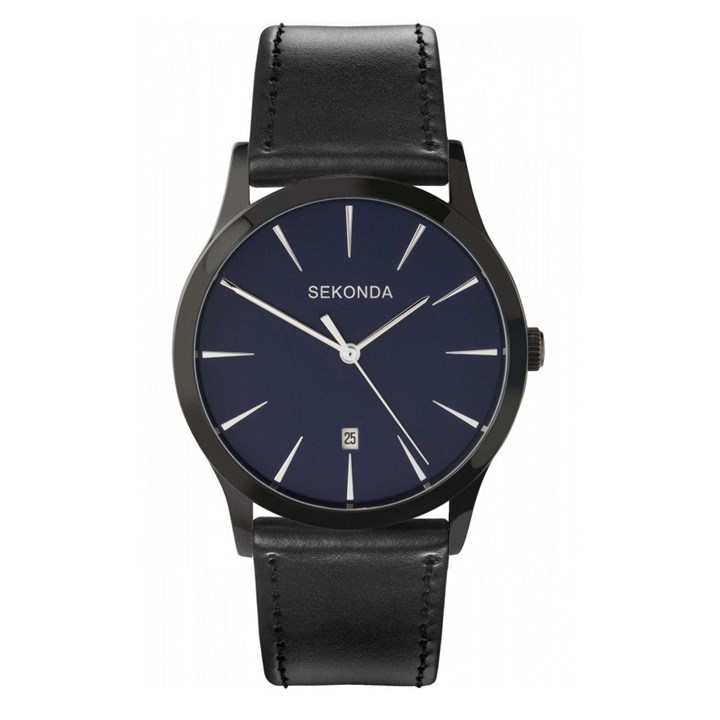
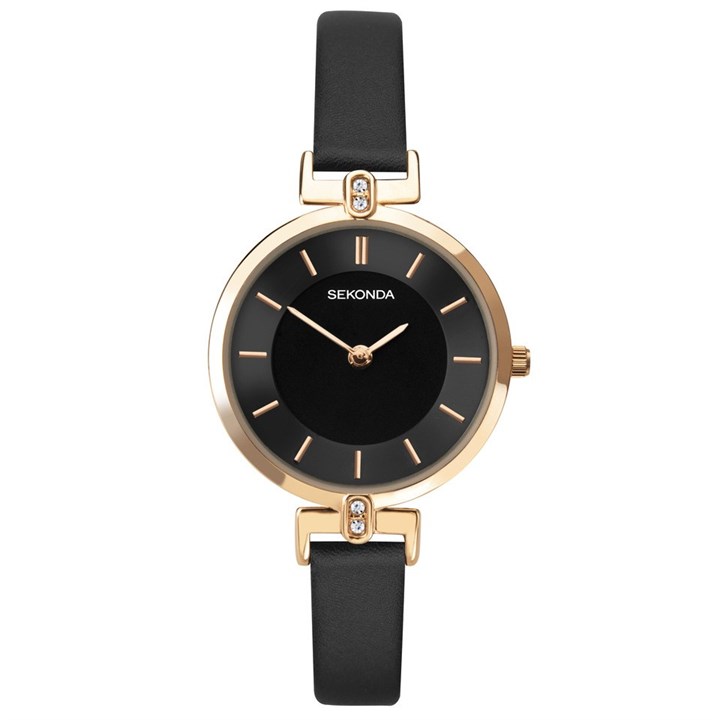
Sekonda
3536 Black IP Black Leather Strap Watch - W31321
£30
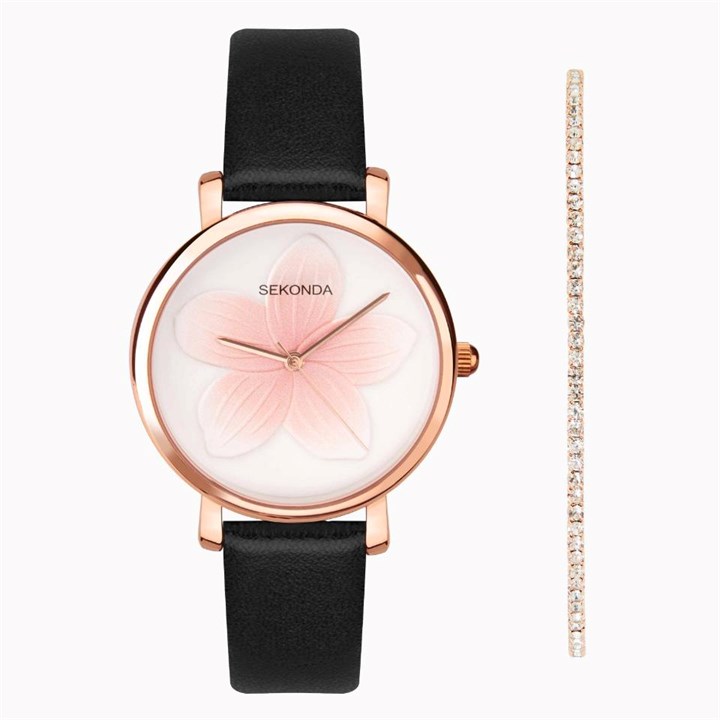
Sekonda
40297 Rose Tone Black Strap Watch - W32423
£30
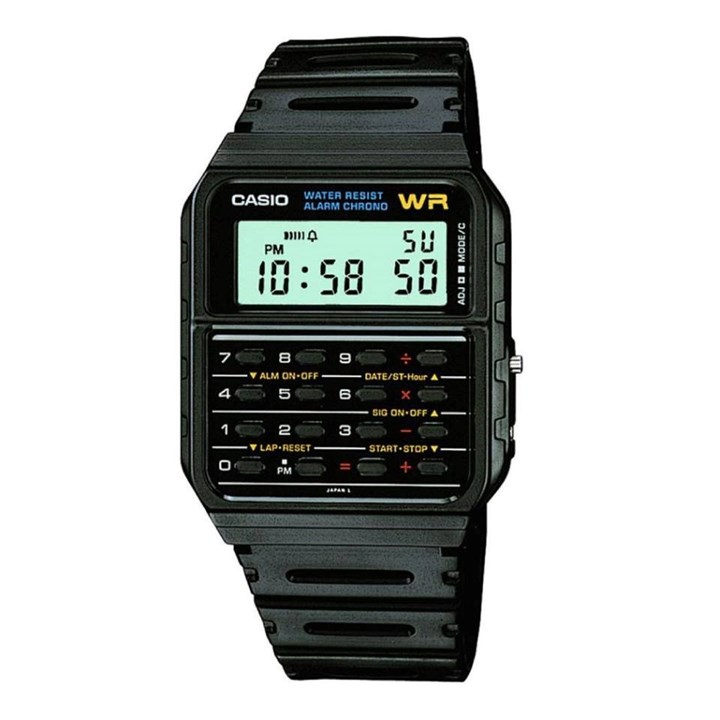
Sekonda
49082 Black Strap Watch And Bracelet Gift Set - W32489
£35
Casio
Vintage CA-53W-1ER Calculator Watch - W17496
£40

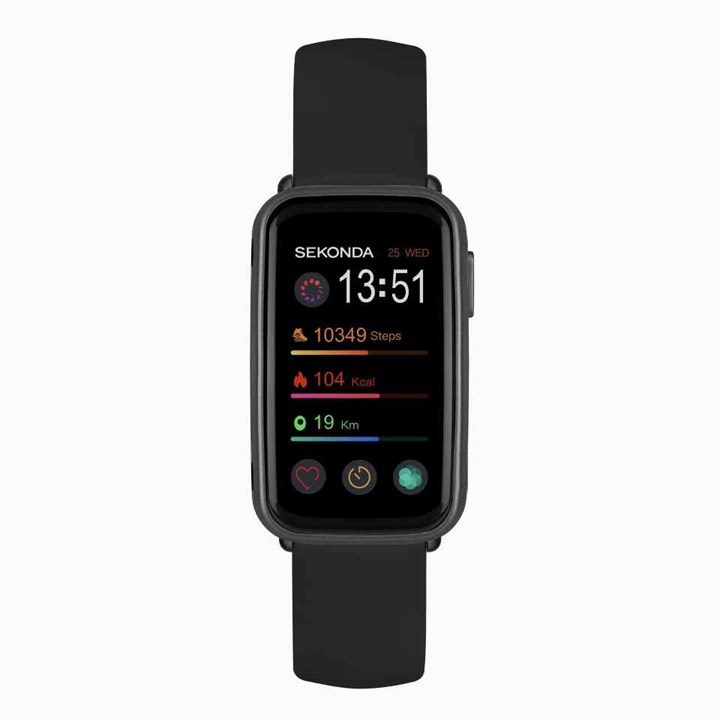
Sekonda
2638 Harley Stainless Steel Expanding Bracelet Watch - W33182
£40
Sekonda
30171 Black Track Smartwatch - W31424
£40
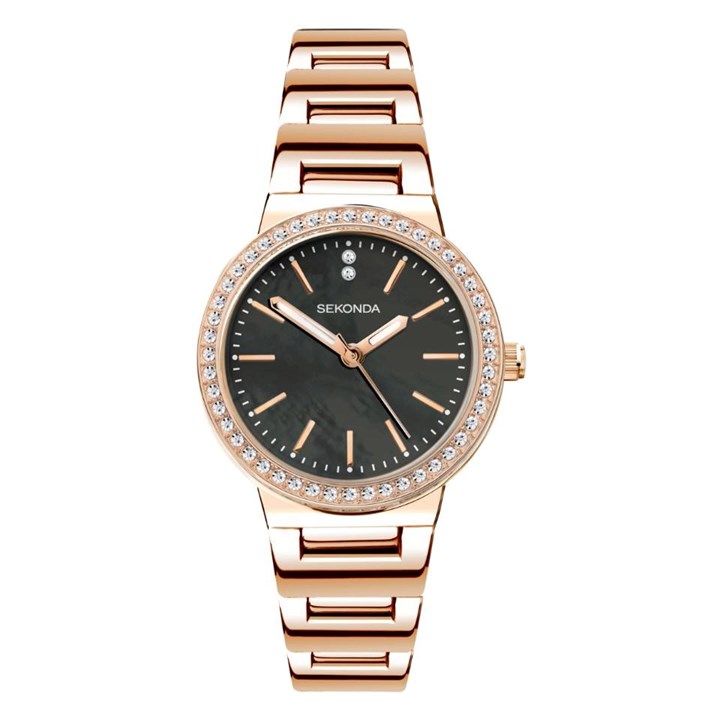
Sekonda
40530 Rose Tone Bracelet Watch - W32443
£40
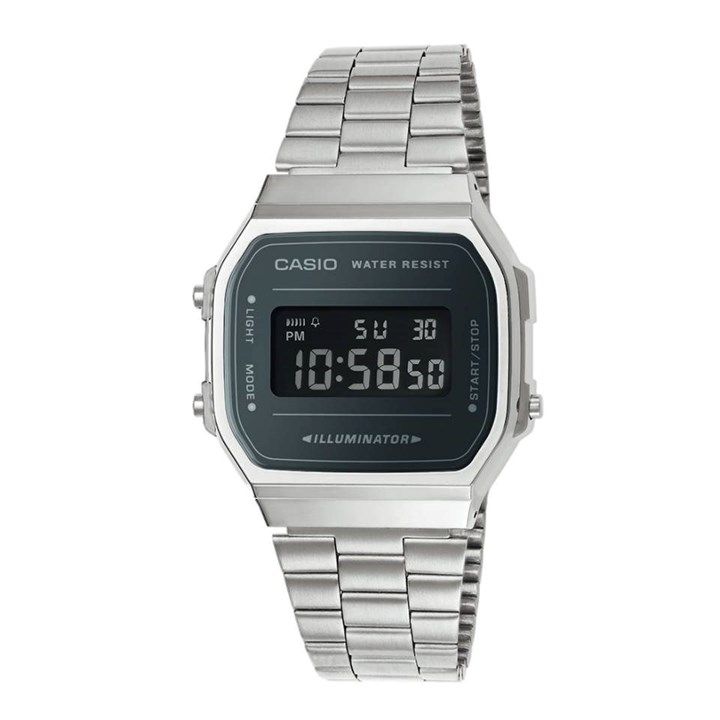
Casio
Vintage A168WEM-1EF Bracelet Watch - W59127
£44
Splashproof (30m)
1,124 in stock

Limit
6141 Gold Tone Black PU Strap Watch - W7720
£15
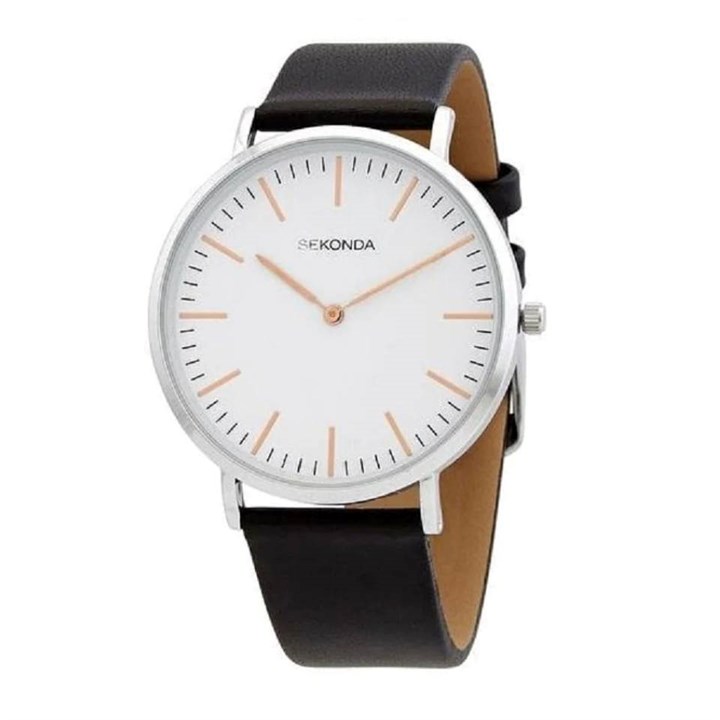
Sekonda
1342 Black Leather Strap Watch - W31465
£23
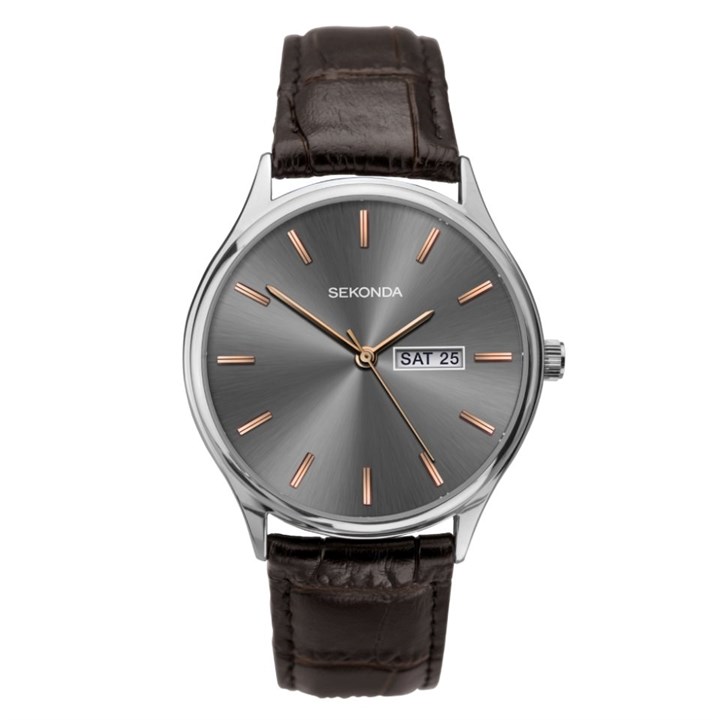
Sekonda
1685 Brown Leather Strap Watch - W31257
£24
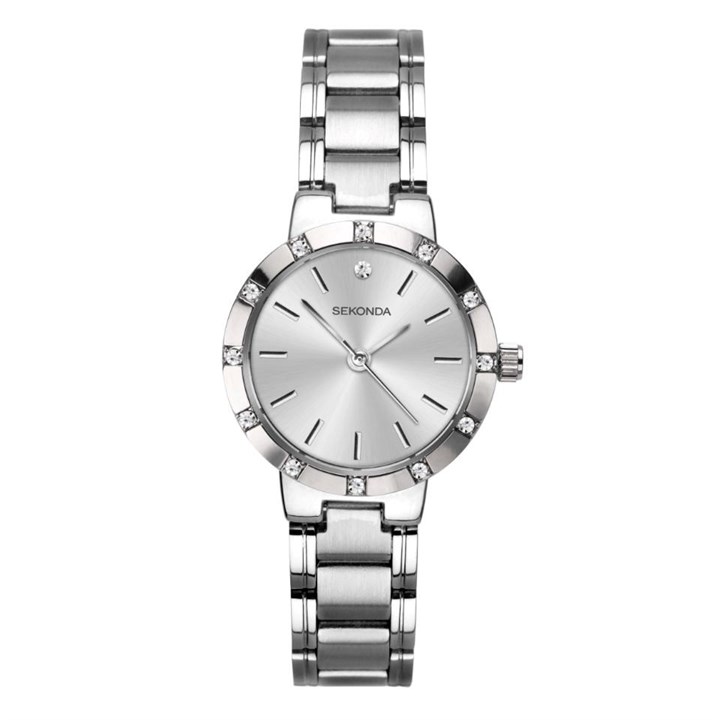
Sekonda
2493 Stone Set Bracelet Watch - W32449
£25
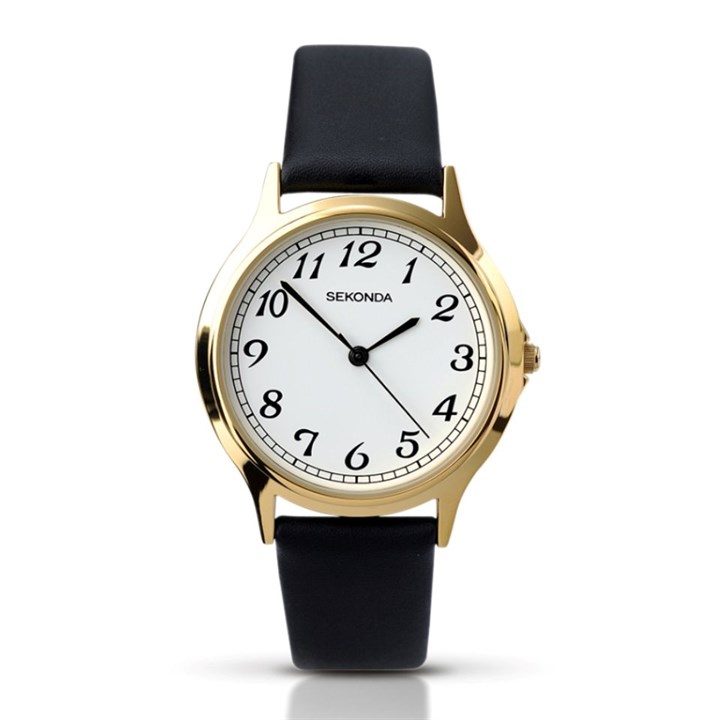
Sekonda
3134 Gold Tone Black Strap Watch - W31232
£25
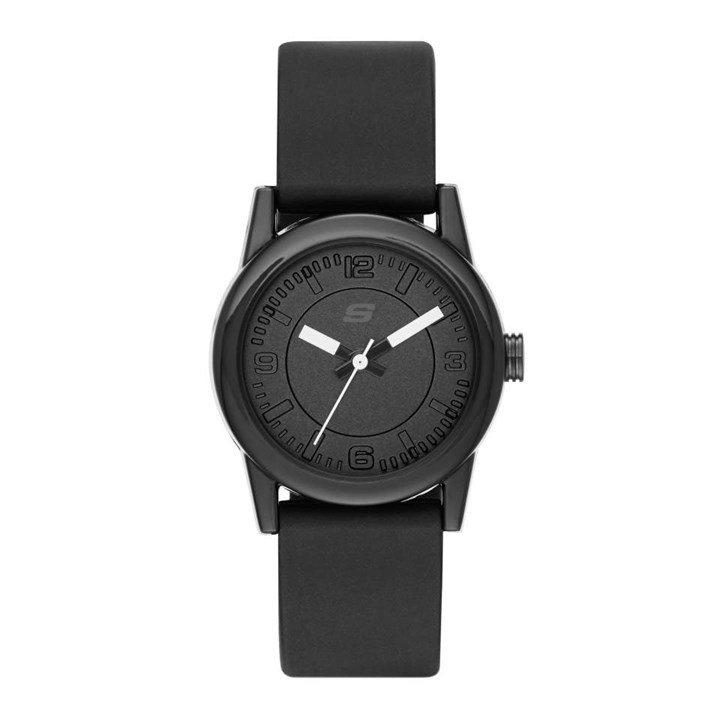
Skechers
SR6028 Rosencrans Black Silicone Strap Watch - W5517
£27

Lorus
RG251CX9 Health Professionals Fob Watch - W5733
£30
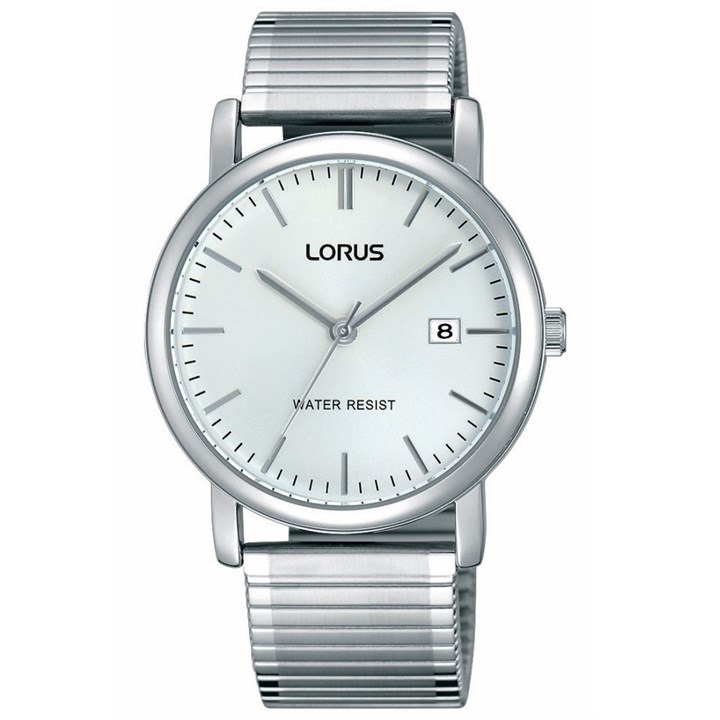
Lorus
RG855CX5 Stainless Steel Expanding Bracelet Watch - W16263
£30
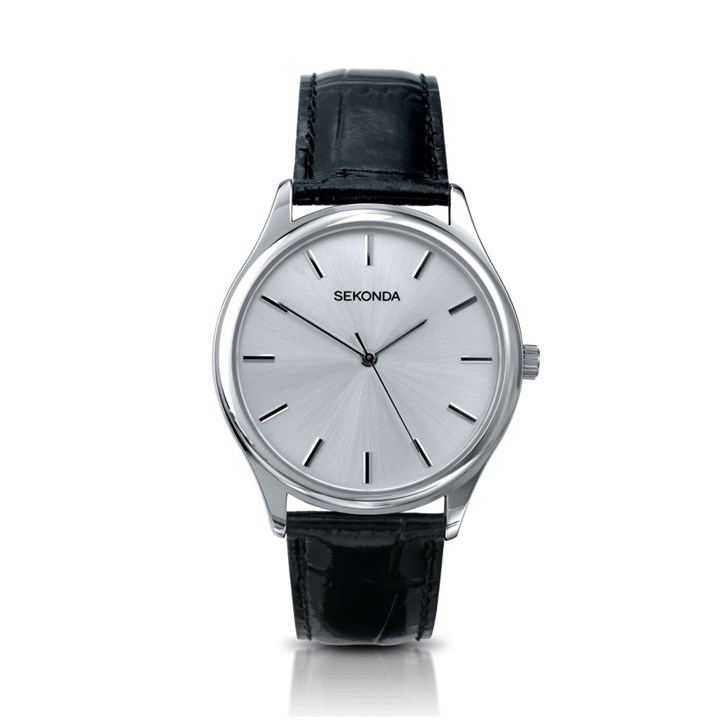
Sekonda
3099 Stainless Steel Black Leather Strap Watch - W31326
£30
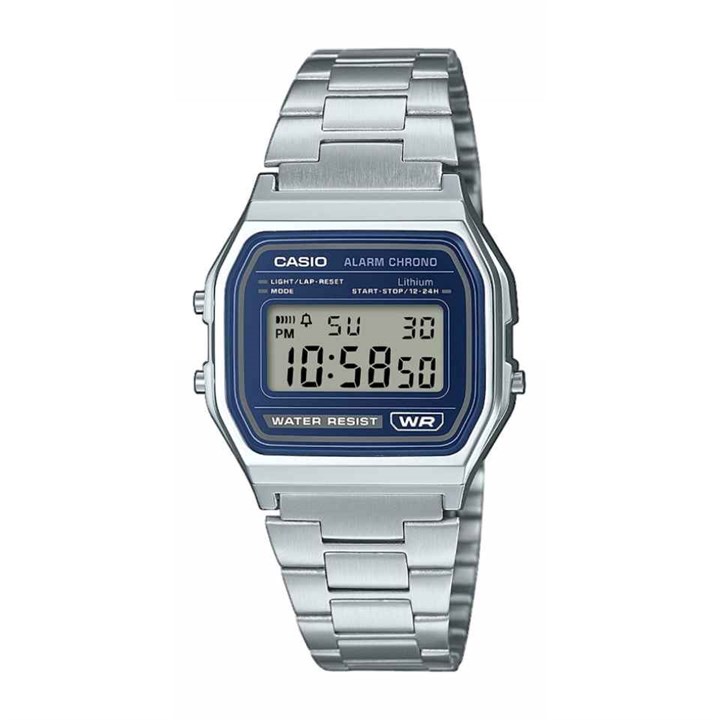
Casio
Vintage A158WEA-2EF Digital Bracelet Watch - W17559
£35
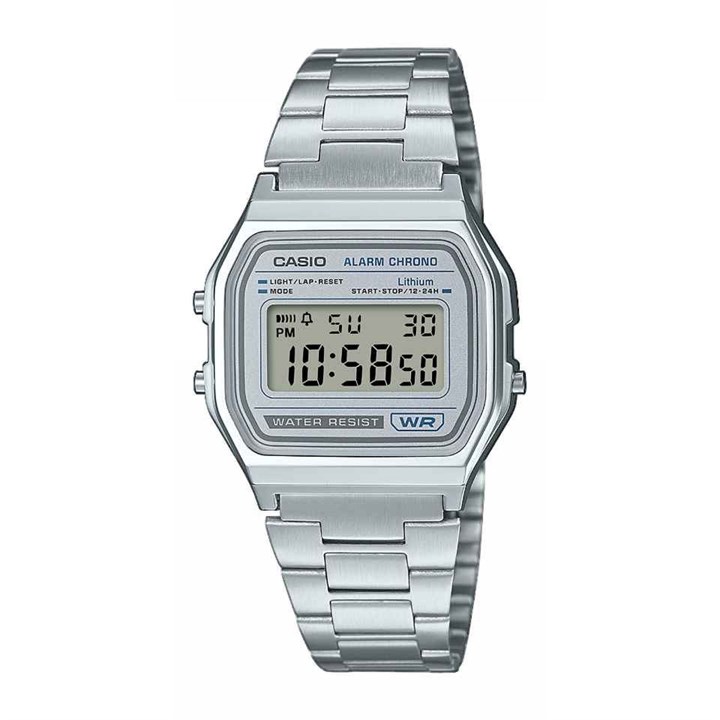
Casio
Vintage A158WEA-7EF Digital Bracelet Watch - W17560
£35
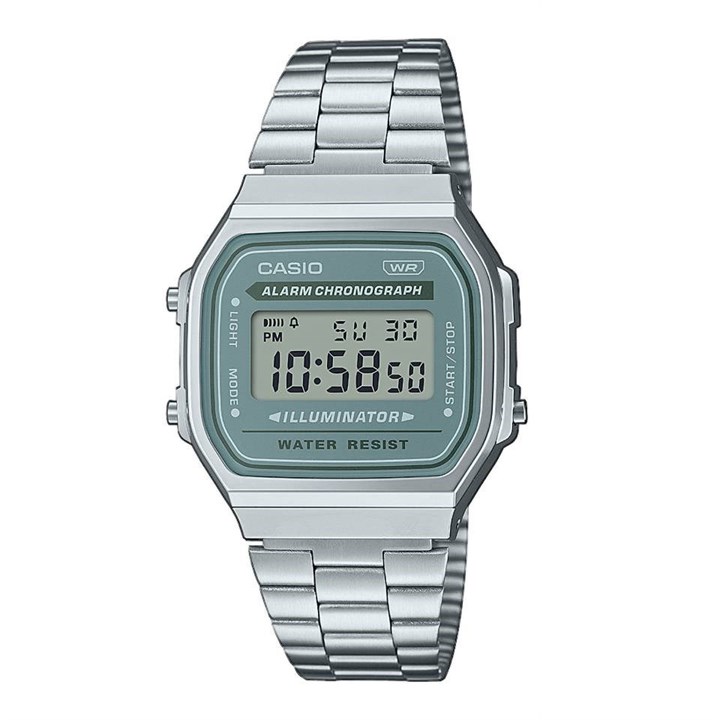
Casio
Vintage A168WA-3AYES Bracelet Watch - W59123
£35
Everyday (50m)
1,742 in stock
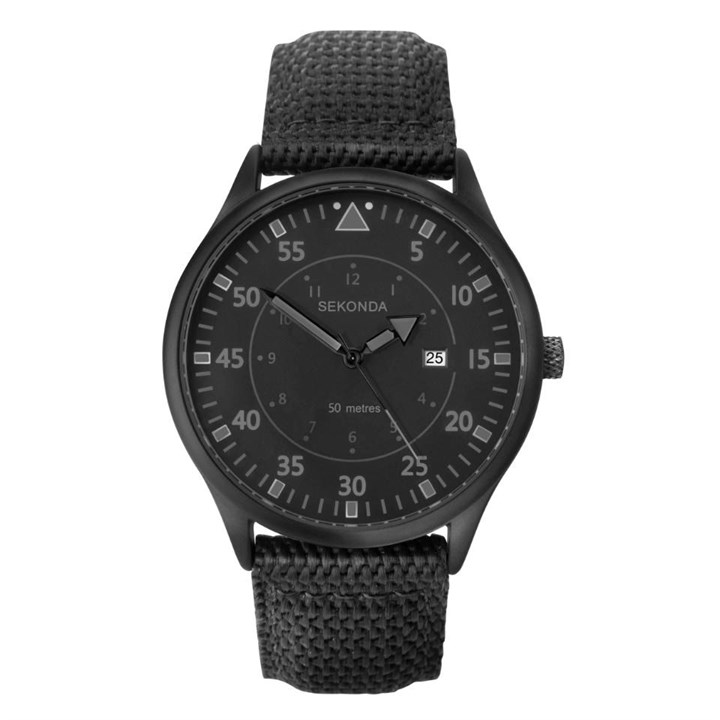
Sekonda
1794 Black Fabric Strap Watch - W31440
£25
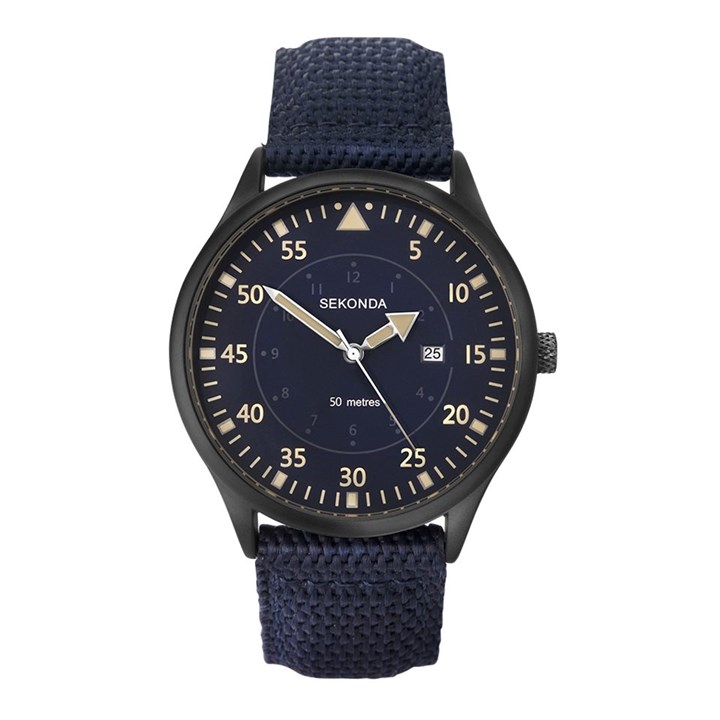
Sekonda
1795 Black IP Blue Fabric Strap Watch - W31423
£25
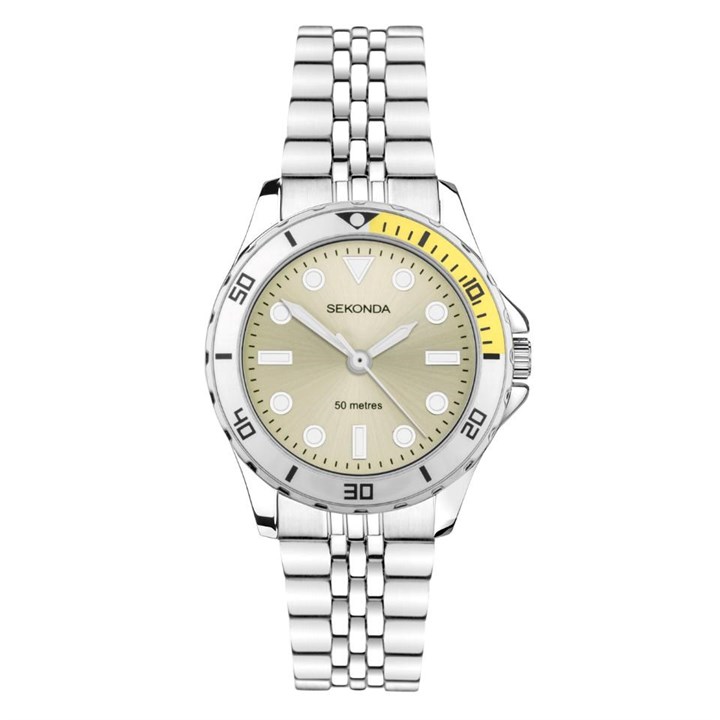
Sekonda
40566 Sports Bracelet Watch - W32444
£25

Casio
Vintage W-59-1VQES Chronograph Black Resin Strap Watch - W1728
£25
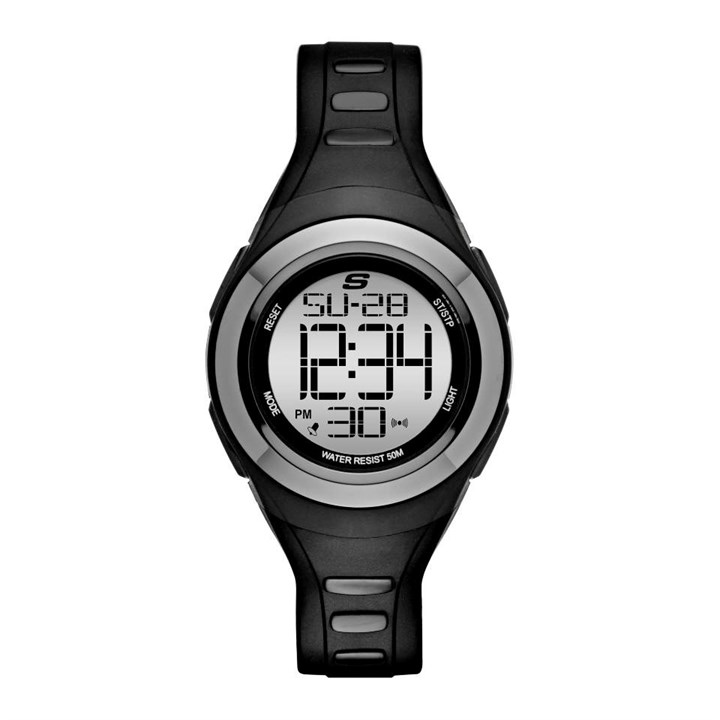
Skechers
SR2063 Tennyson Black Plastic Strap Watch - W5506
£27
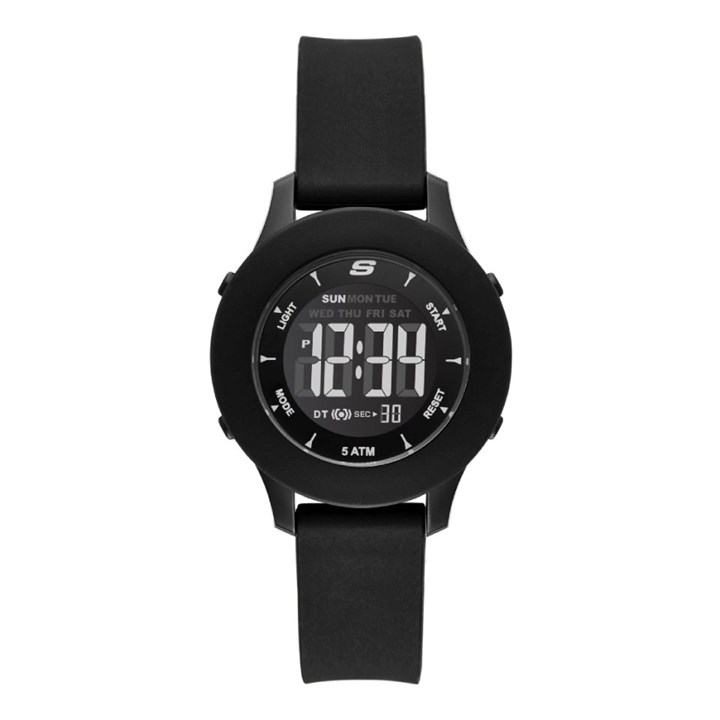
Skechers
SR6141 Rosencrans Black Silicone Strap Watch - W5503
£27
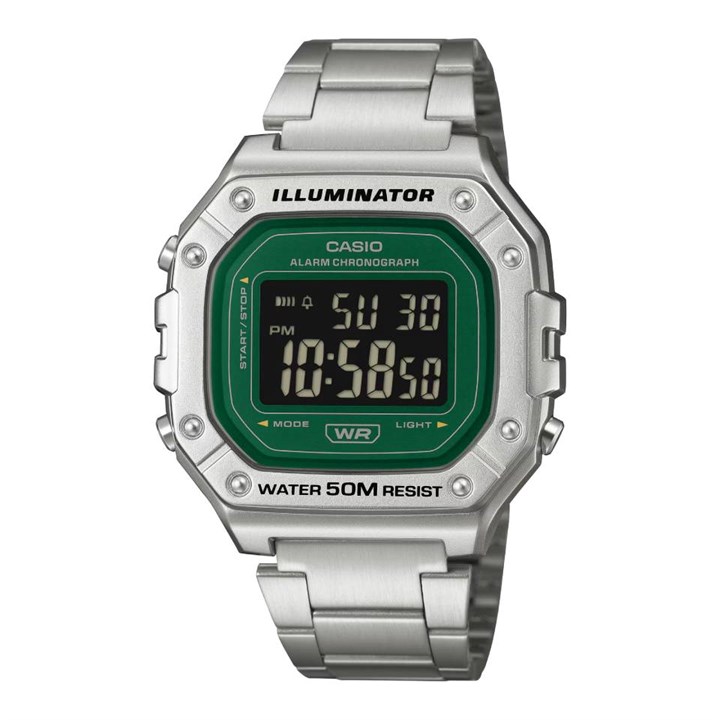
Casio
W-218HD-3AVEF Digital Bracelet Watch - W17605
£29
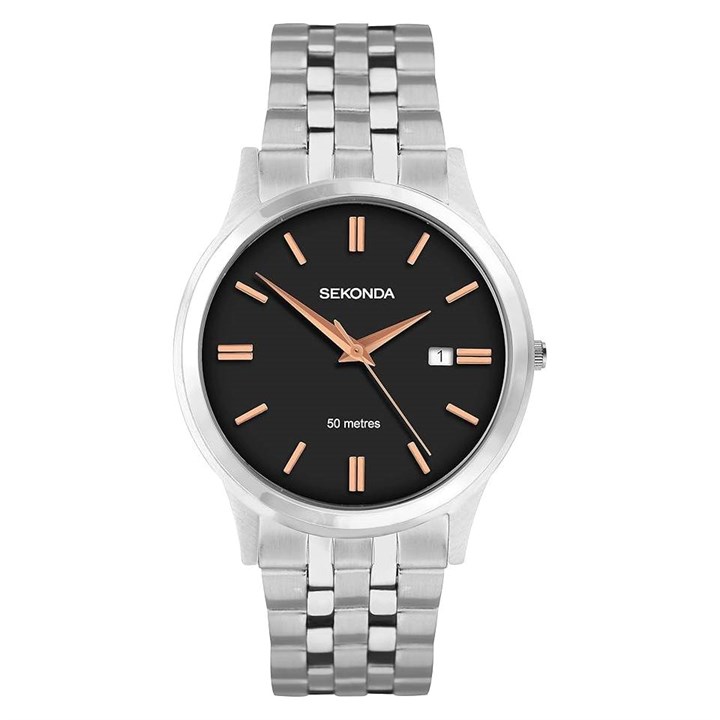
Sekonda
1192 Black Dial Bracelet Watch - W31247
£30
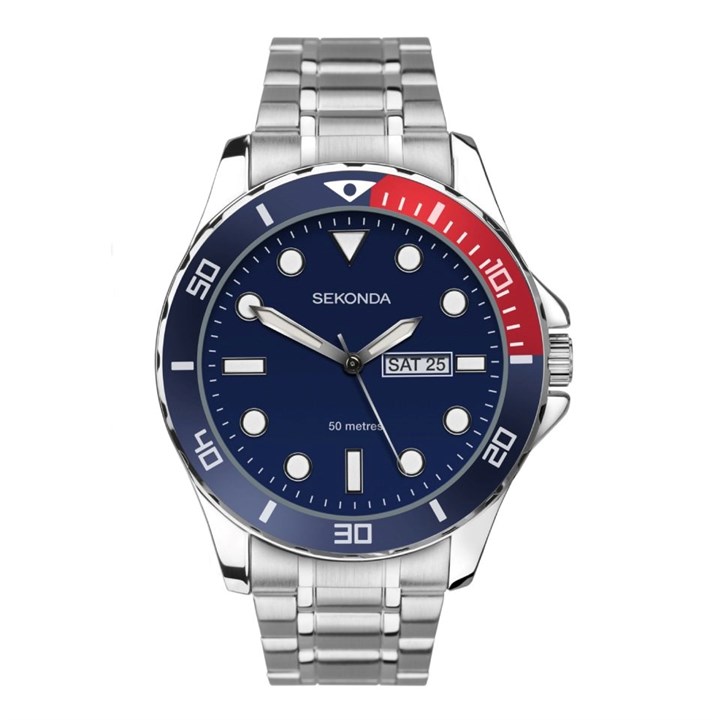
Sekonda
1607 Bracelet Watch - W31253
£30
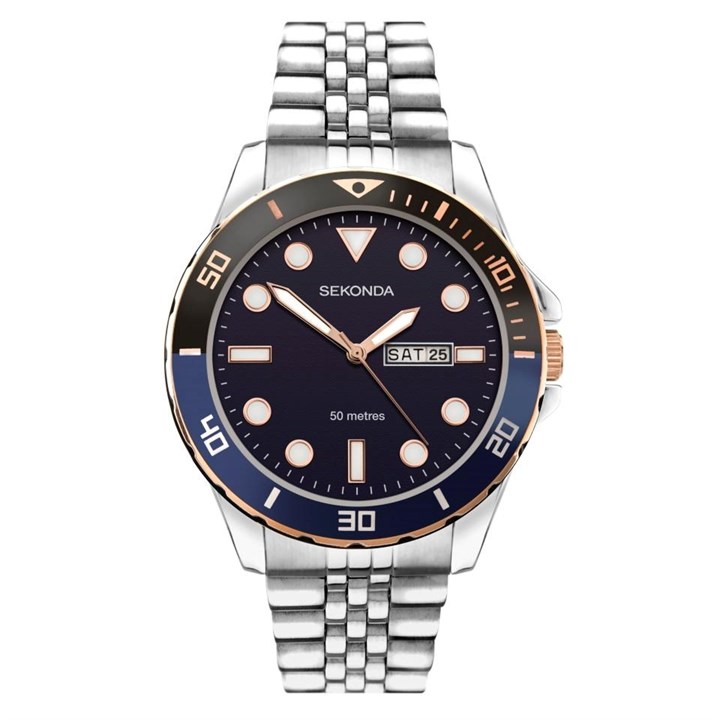
Sekonda
1830 Bracelet Watch - W31353
£30
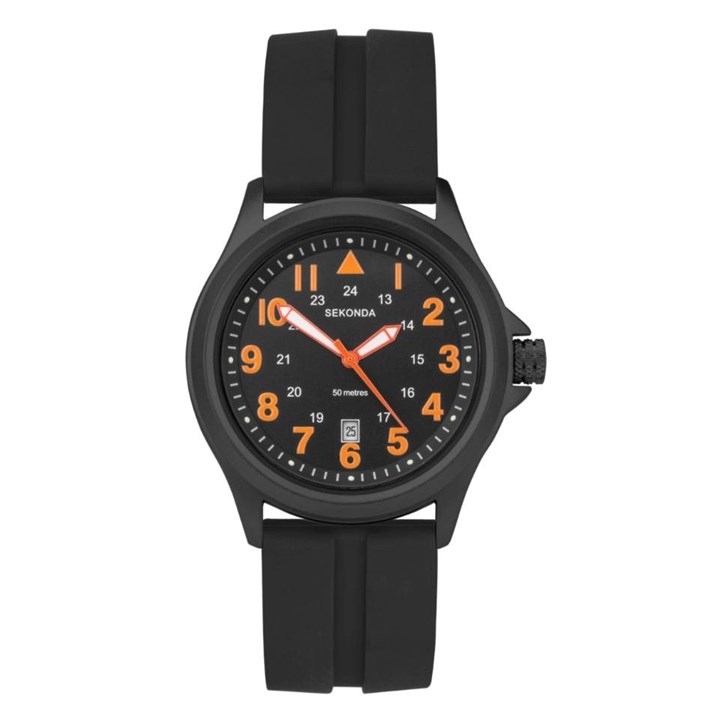
Sekonda
30135 Black Rubber Strap Watch - W31438
£30
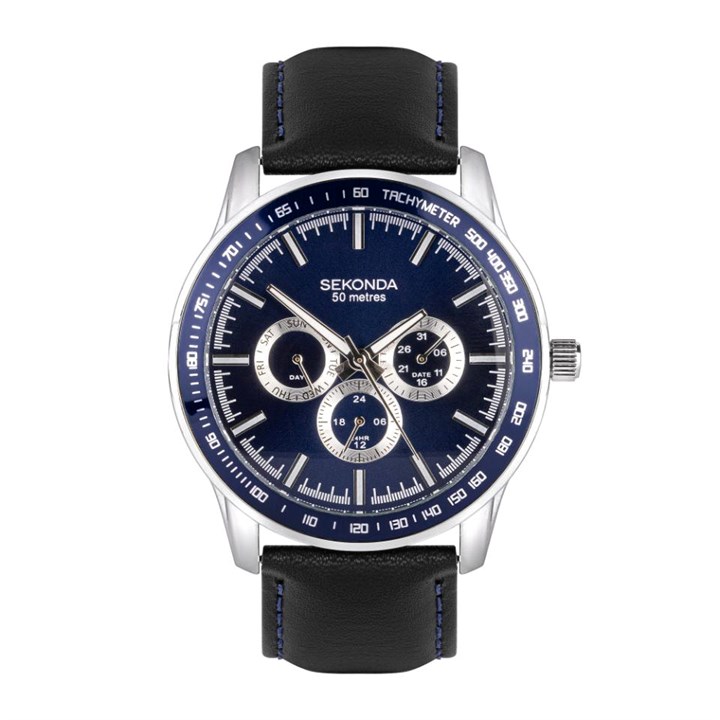
Sekonda
30160 Black Leather Strap Watch - W31467
£30
Swimming (100m)
1,332 in stock
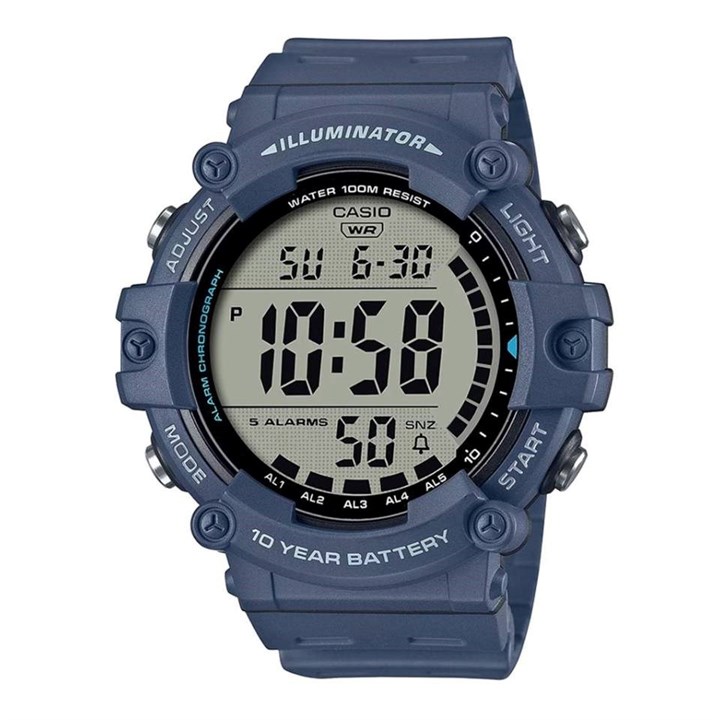
Casio
AE-1500WH-2AVEF Blue Resin Strap Watch - W17480
£25
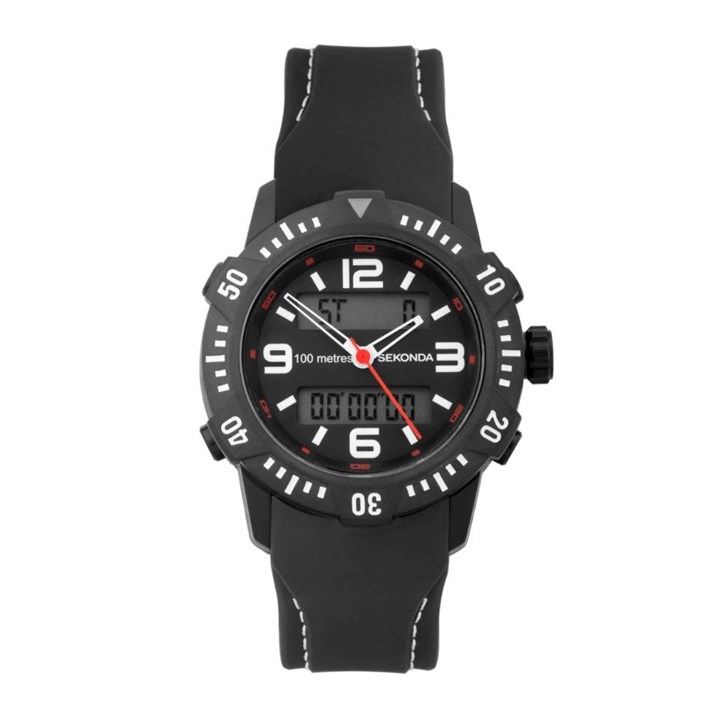
Sekonda
30060 Black IP Black Silicone Strap Watch - W31379
£28
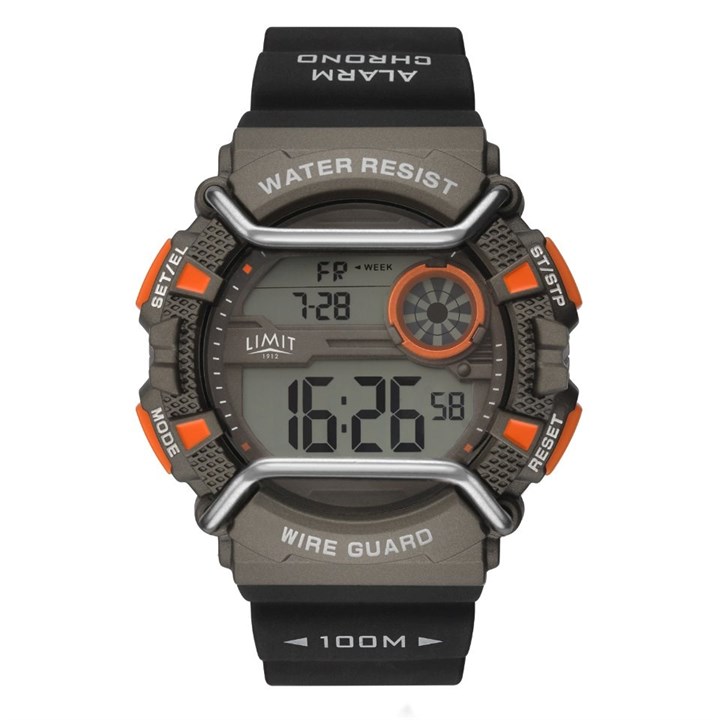
Limit
5897 Digital Black Resin Strap Sports Watch - W77122
£30

Lorus
R2327CX9 LCD Chronograph Alarm Black Resin Strap Watch - W1684
£30
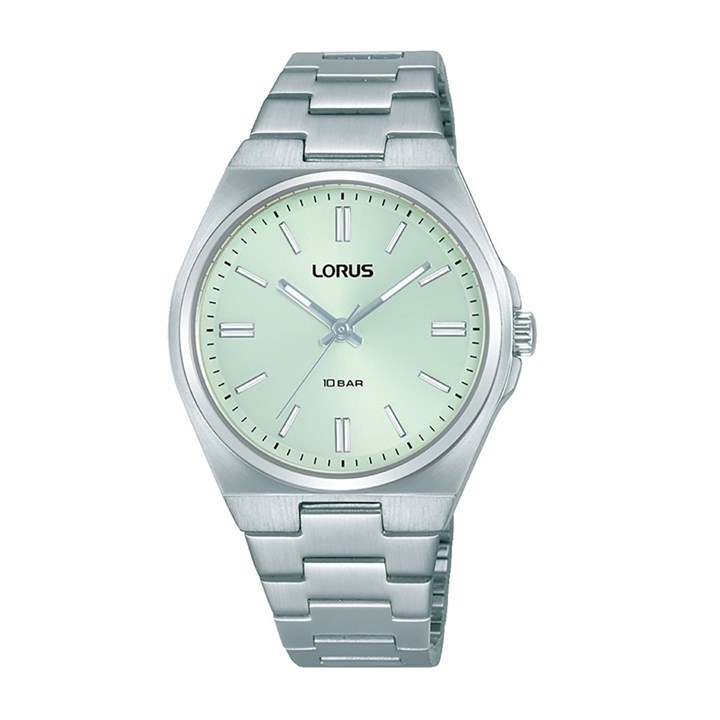
Lorus
RG305XX9 Mint Green Dial Bracelet Watch - W58216
£30
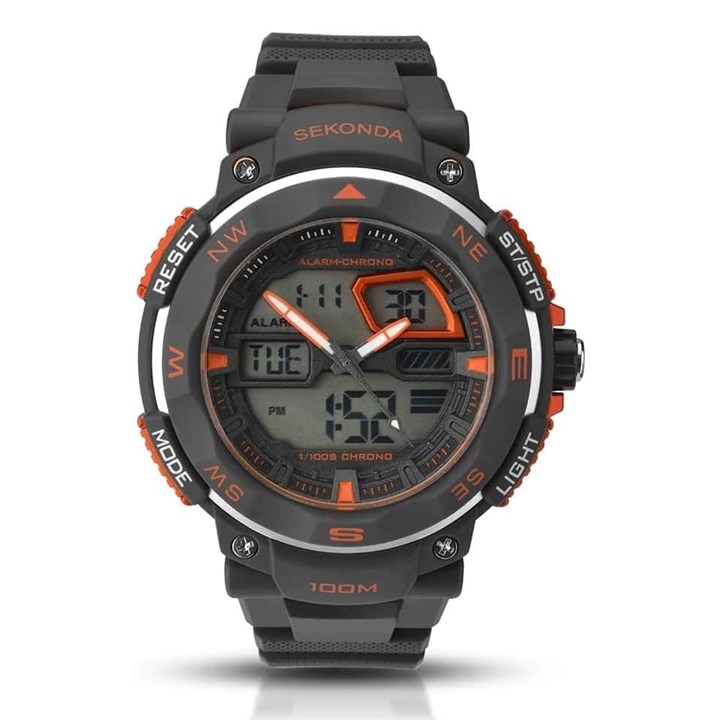
Sekonda
1163 Dual Display Black Resin Strap Watch - W31327
£30
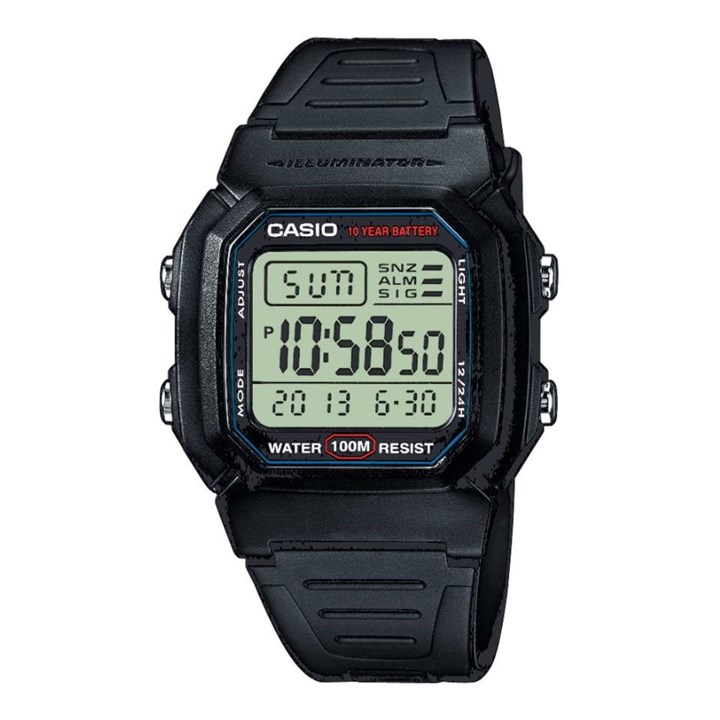
Casio
W-800H-1AVES Digital Black Strap Watch - W17467
£35

Casio
Vintage AE-1200WHD-1AVEF World Time Bracelet Watch - W1504
£35
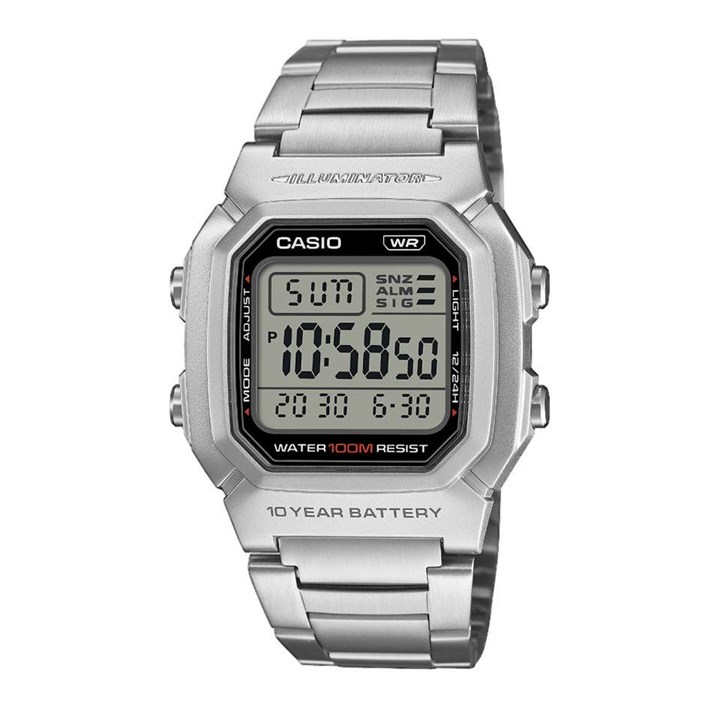
Casio
W-800HD-1AVEF Metallic Bracelet Watch - W17603
£39
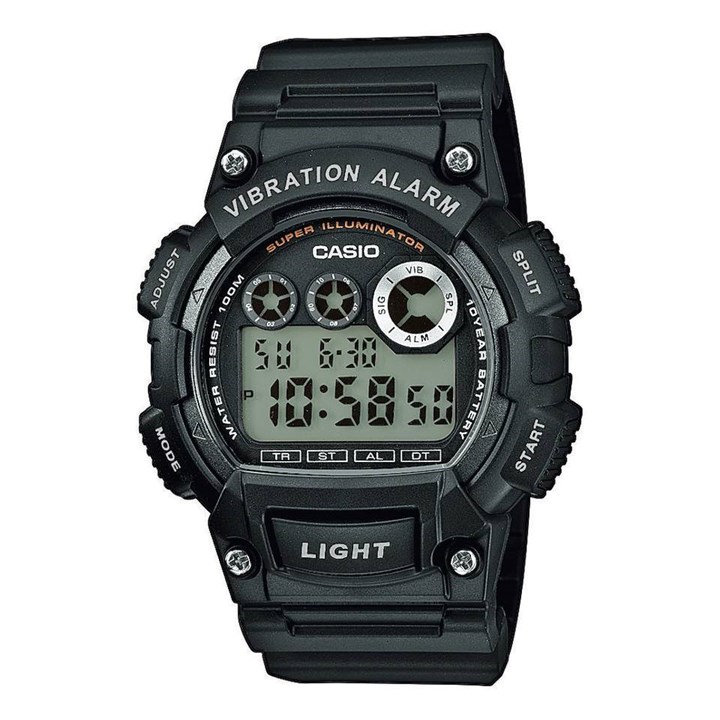
Casio
W-735H-1AVEF Black Resin Strap Watch - W17419
£45

Lorus
RH993NX9 Stainless Steel Blue Dial Bracelet Watch - W16242
£50

Lorus
RH995NX9 Stainless Steel Green Dial Bracelet Watch - W16241
£50
Diving (200m+)
476 in stock
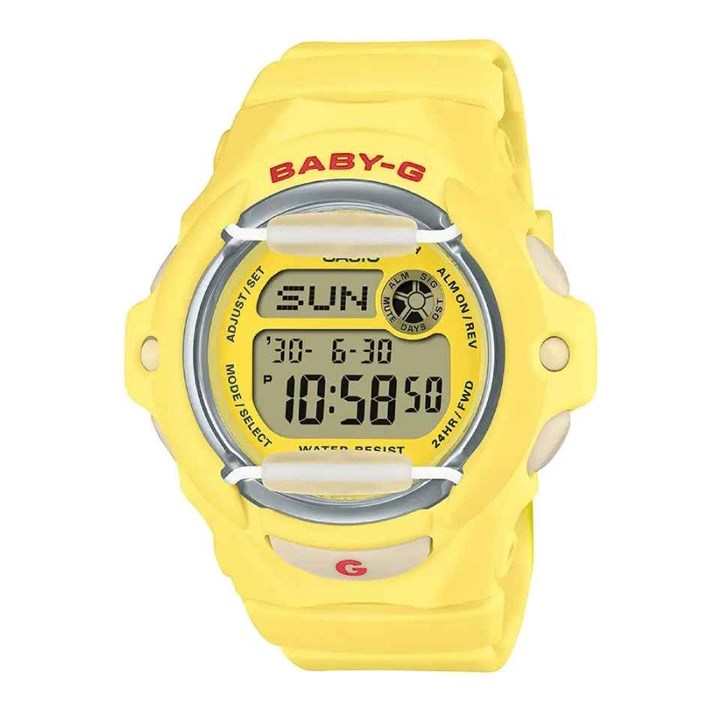
Casio
Baby-G BG-169CH-9ER Yellow Strap Watch - W59181
£69
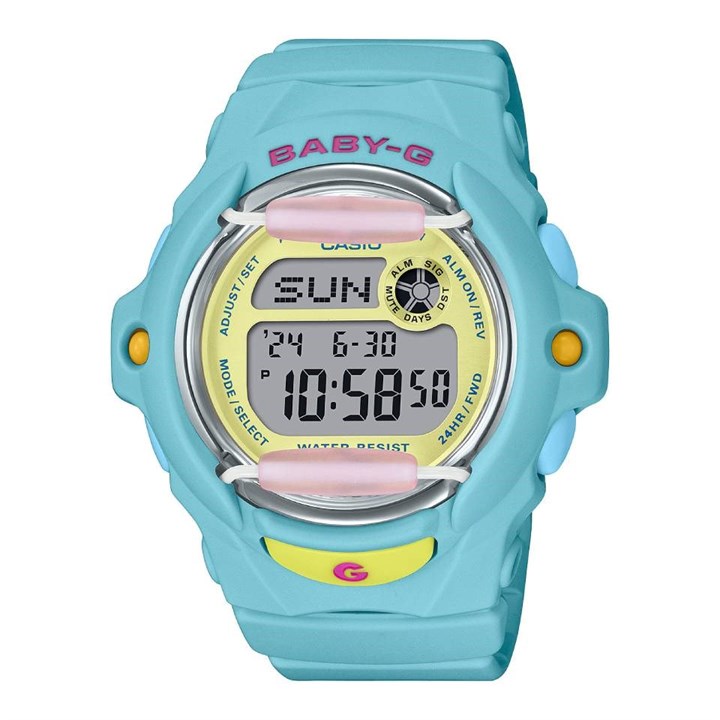
Casio
Baby-G BG-169PB-2ER Playful Beach Blue Strap Watch - W59128
£69

Casio
Baby-G BG-169PB-7ER White Strap Watch - W59115
£69
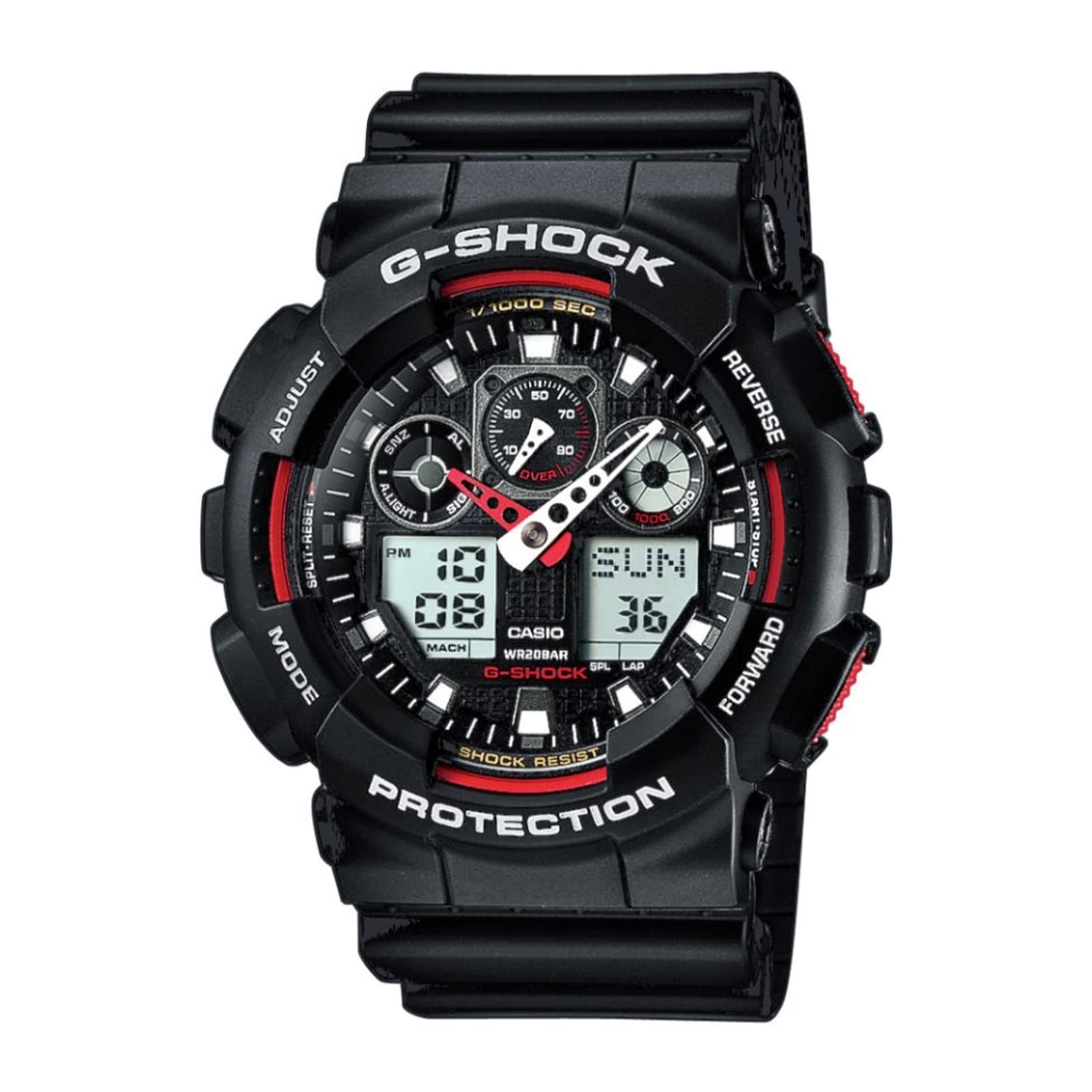
Casio
Analog GA-100 Series Mens Watch
£70
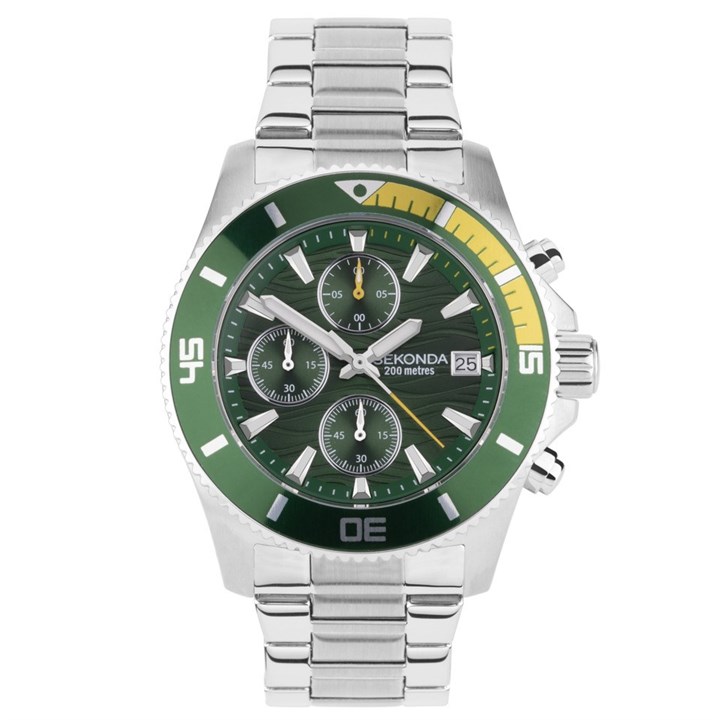
Sekonda
30115 Chronograph Green Dial Bracelet Watch - W31421
£70
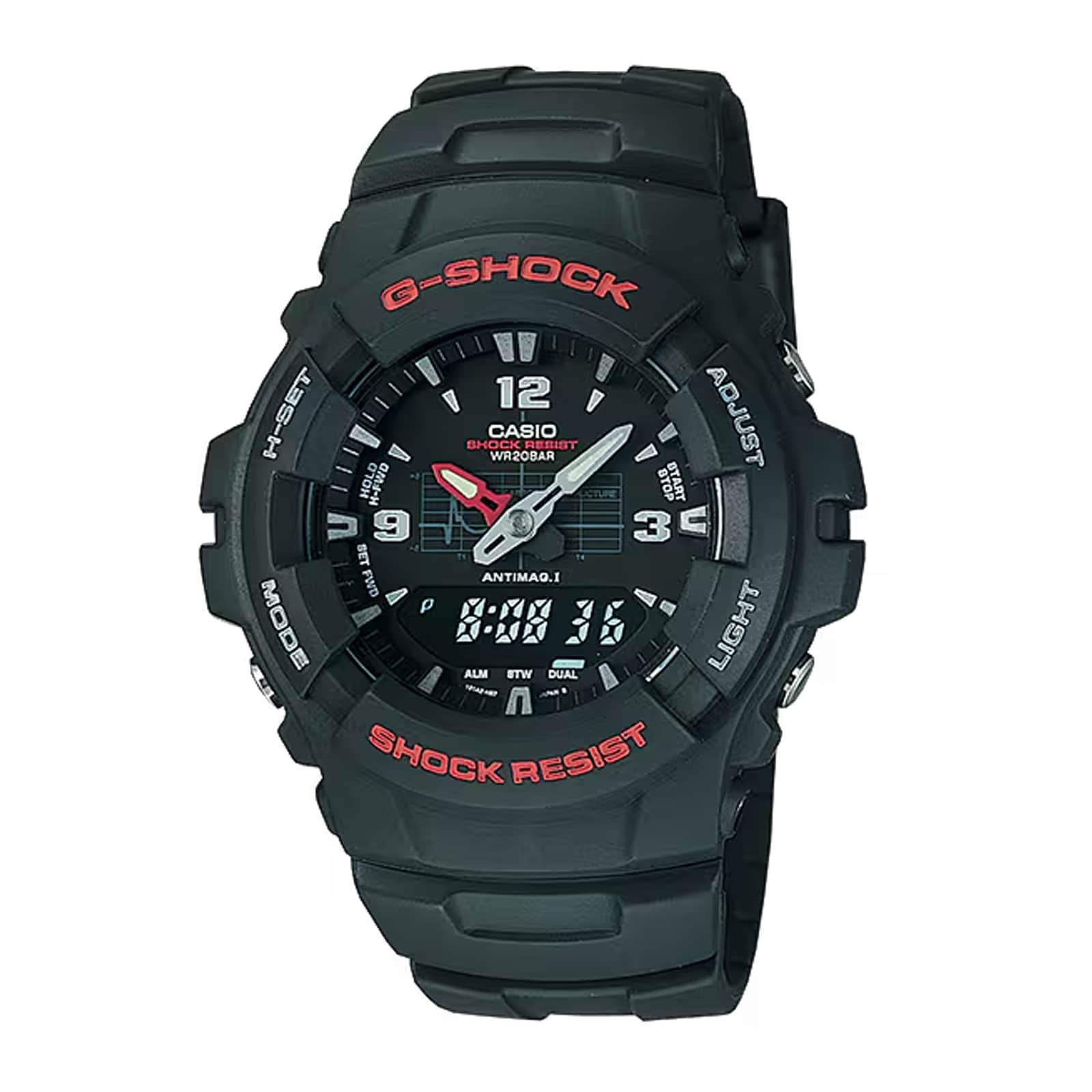
Casio
Analog G-100 Series Mens Watch
£75
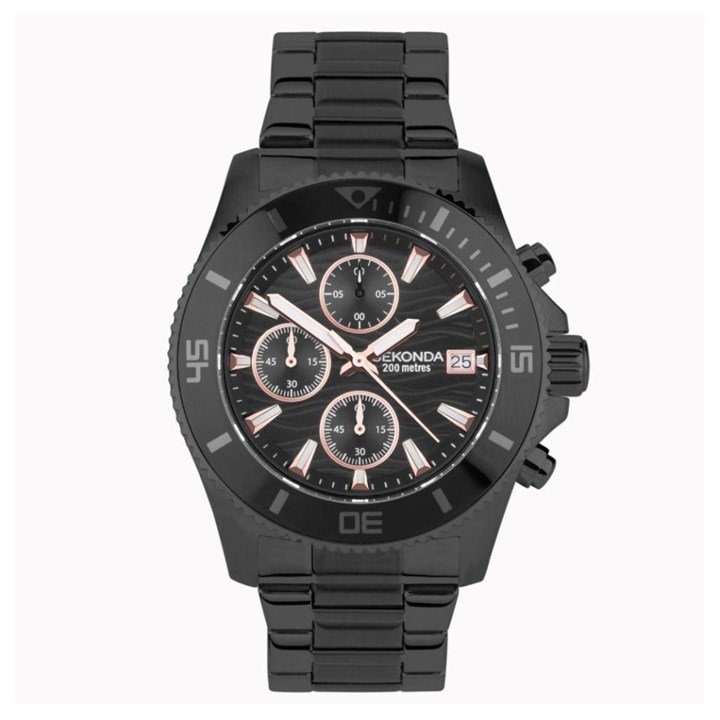
Sekonda
30117 Chronograph Black IP Bracelet Watch - W31437
£80
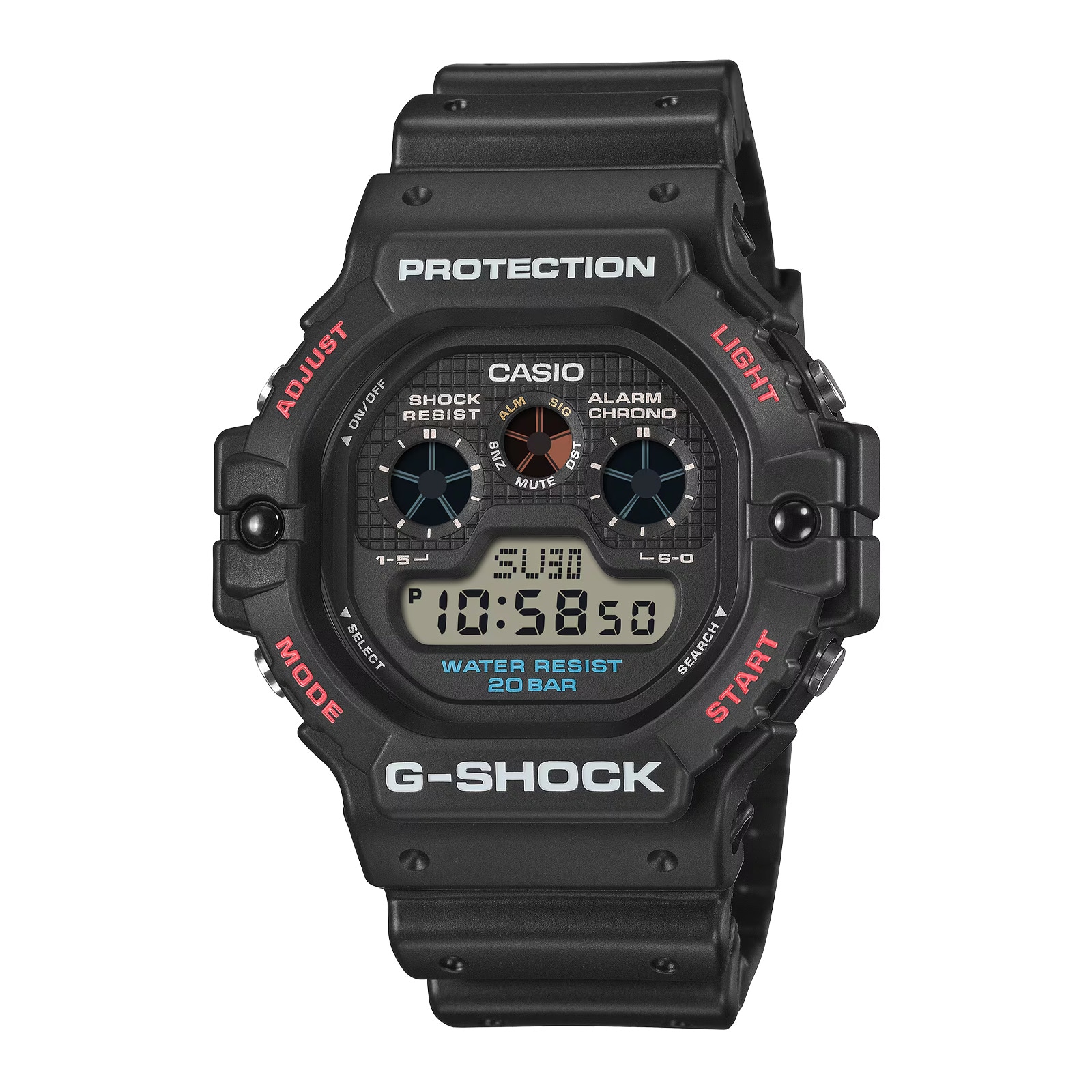
Casio
Digital 5900 Series 46.8mm Mens Watch Black
£80

Casio
G-Shock GA-2100-1A3ER Utility Black Resin Strap Watch - W17261
£100
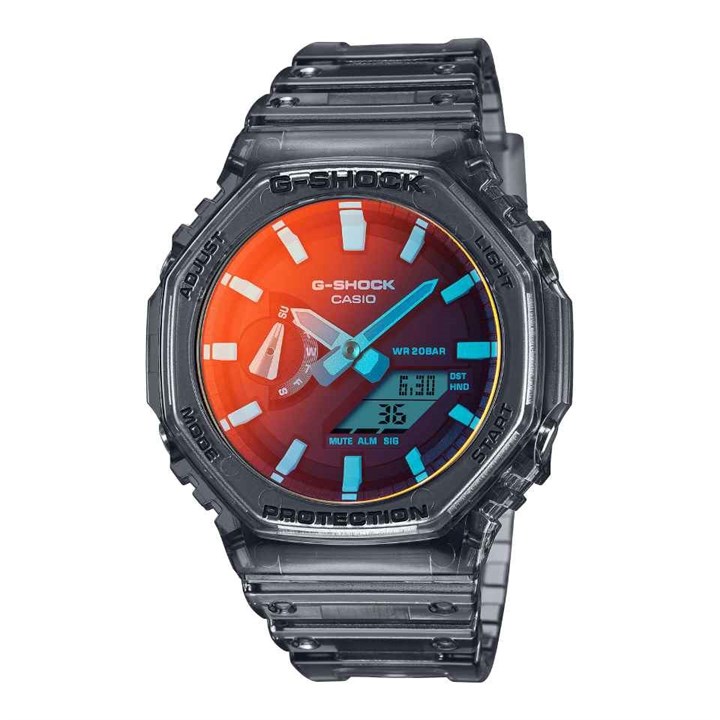
Casio
G-SHOCK GA-2100TLS-8AER Grey Jelly Strap Watch - W17530
£100
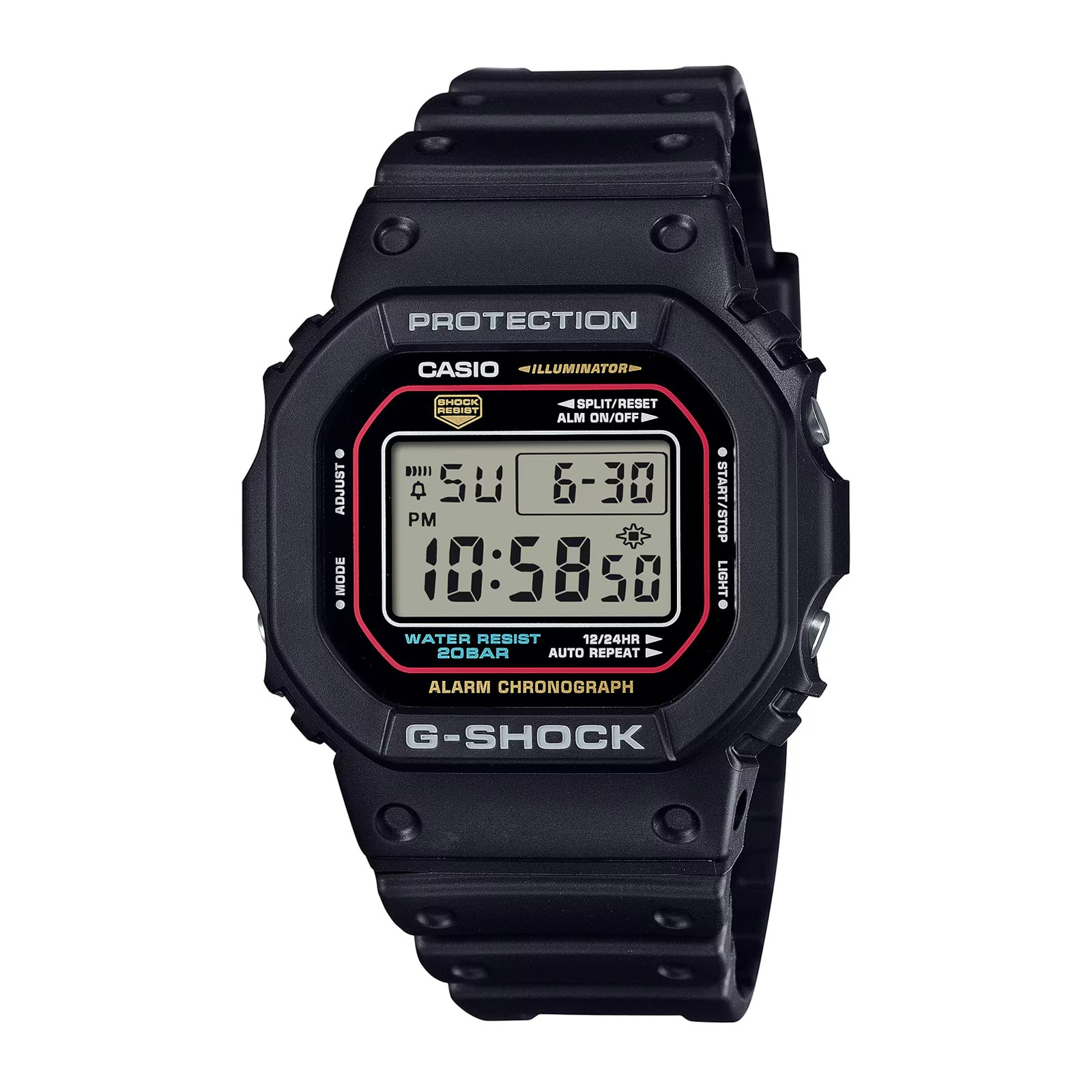
Casio
Digital Series DW-5600RL-1ER Mens Watch
£100

Casio
DW-6900 Digital 53mm
£100
Common misconceptions
50m means I can swim in 50 metres of water.
It means the watch passed a static pressure test at that equivalent. Swimming generates far higher transient pressure. 100m is the realistic threshold for swimming.
My watch says water resistant, so a shower is fine.
Water resistant with no figure attached is the weakest category and generally means splash resistance only. Heat and soap both attack gaskets.
A higher rating means better build quality.
It means better sealing. A 30m dress watch can be a far more finely made object than a 200m diver.
Water resistance across the watches we list
Every watch on the site has its rating recorded, so you can see how the market actually distributes rather than how it is marketed.
| Rating | Watches | From |
|---|---|---|
| Up to 30m | 1,124 | £14.99 |
| 50m | 1,742 | £24.99 |
| 100m | 1,332 | £24.90 |
| 200m | 233 | £69 |
| 300m and over | 243 | £299 |
Based on 4,912 watches listed and in stock. Updated continuously.
Also worth reading: sapphire, mineral and acrylic crystals compared, quartz against automatic movements, and how to size a watch to your wrist.