
Crystal types guide
Sapphire, mineral and acrylic watch crystals compared
Sapphire is the most scratch resistant and the most expensive, mineral glass is the everyday compromise, and acrylic is the softest but the only one you can polish scratches out of at home. Sapphire is worth paying for on a watch you will wear daily. On a watch that lives in a box, it changes very little.
| Crystal | Hardness | Scratches | Shatters |
|---|---|---|---|
| Sapphire | Mohs 9 | Almost never | More readily than mineral |
| Hardlex | Mohs 6 to 7 | Occasionally | Rarely |
| Mineral | Mohs 5 to 6 | Readily | Rarely |
| Acrylic | Mohs 3 | Constantly | Never; it cracks or crazes instead |
Hardness is not toughness
These are two different properties and confusing them is the most common mistake made about watch glass. Hardness is resistance to scratching. Toughness is resistance to breaking. Sapphire is far harder than mineral glass and slightly more brittle.
In practice that trade is worth taking. Scratches accumulate from ordinary daily contact with door frames and desks. Impacts hard enough to break a crystal are rare. But it explains why some tool watches and most military-issue pieces still use mineral or acrylic: a crystal that crazes and stays in place is safer than one that shatters.
Sapphire and glare
Sapphire is more reflective than mineral glass, so an uncoated sapphire crystal can be noticeably harder to read in bright light. Manufacturers address this with anti-reflective coating, applied either to the underside only or to both faces.
Coating on both faces gives the near-invisible glass effect, but the outer layer is soft and scratches — so the crystal underneath stays perfect while the coating develops marks. Underside-only coating is the more durable choice and the more common one.
What Hardlex actually is
Hardlex is Seiko's proprietary hardened mineral glass. It sits between ordinary mineral and sapphire: noticeably more scratch resistant than standard mineral, not in sapphire's league, and considerably cheaper to produce.
Other manufacturers have equivalents under their own names. Treat any branded hardened glass as an upgrade on mineral rather than an alternative to sapphire.
Why acrylic still exists
Acrylic scratches if you look at it wrong. It is also the only crystal an owner can restore themselves — a few minutes with a polishing compound removes light scratches completely, which is not possible with either mineral or sapphire.
It gives a warm, slightly distorted look through the domed profile that a lot of people prefer on vintage-styled watches, and it is genuinely shatterproof. On a reissue or a field watch it is often a deliberate choice rather than a cost saving.
Now find yours
Watches by crystal, in stock today.
Sapphire
2,451 in stock
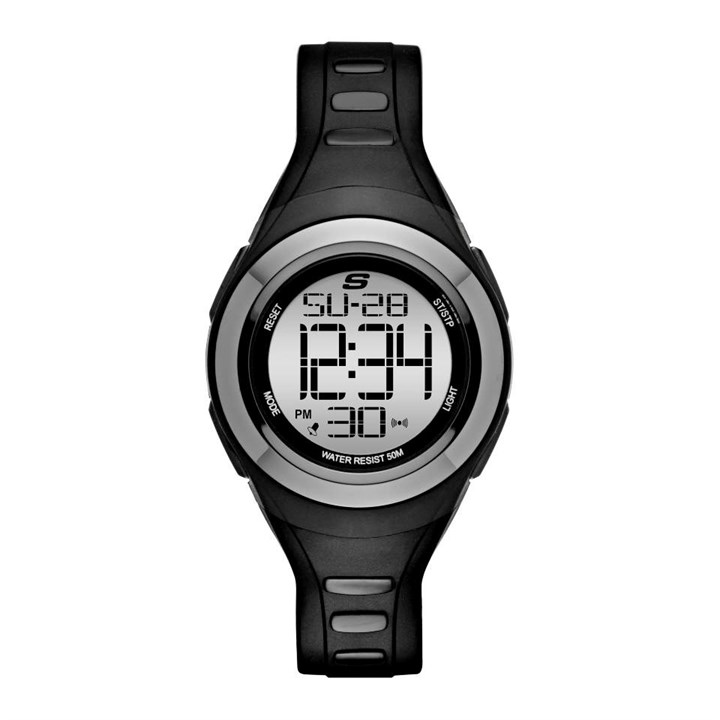
Skechers
SR2063 Tennyson Black Plastic Strap Watch - W5506
£27
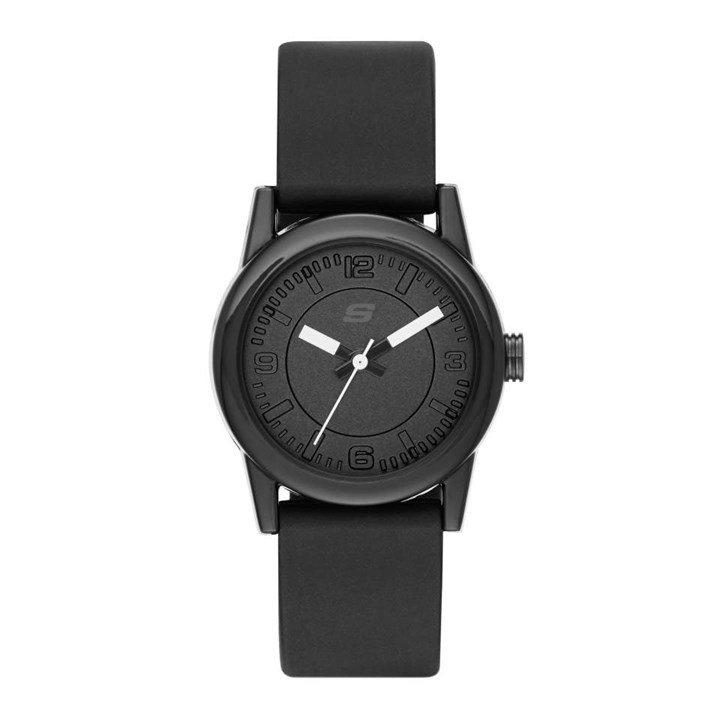
Skechers
SR6028 Rosencrans Black Silicone Strap Watch - W5517
£27

Casio
Retro Collection 38.8mm X 29.8mm Unisex Watch
£44
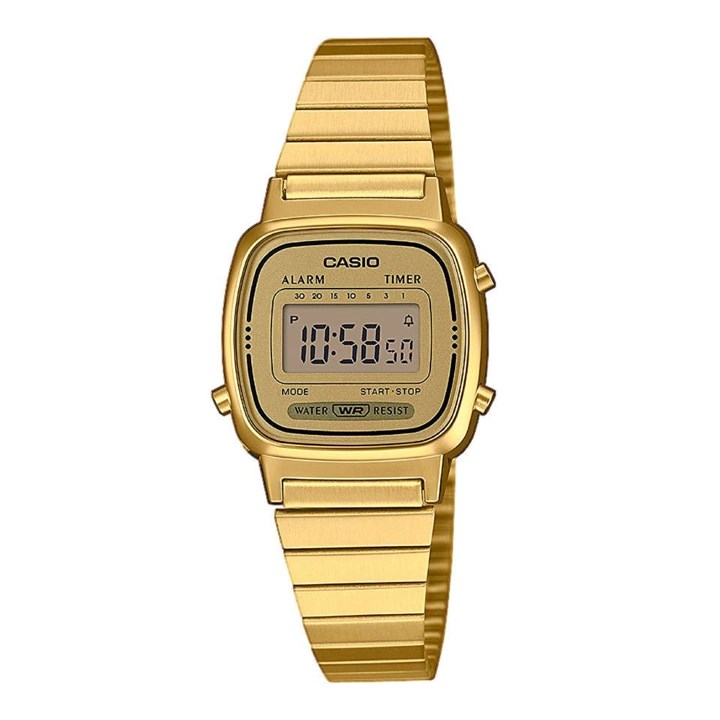
Casio
Vintage LA670WEGA-9EF Digital Bracelet Watch - W59166
£50
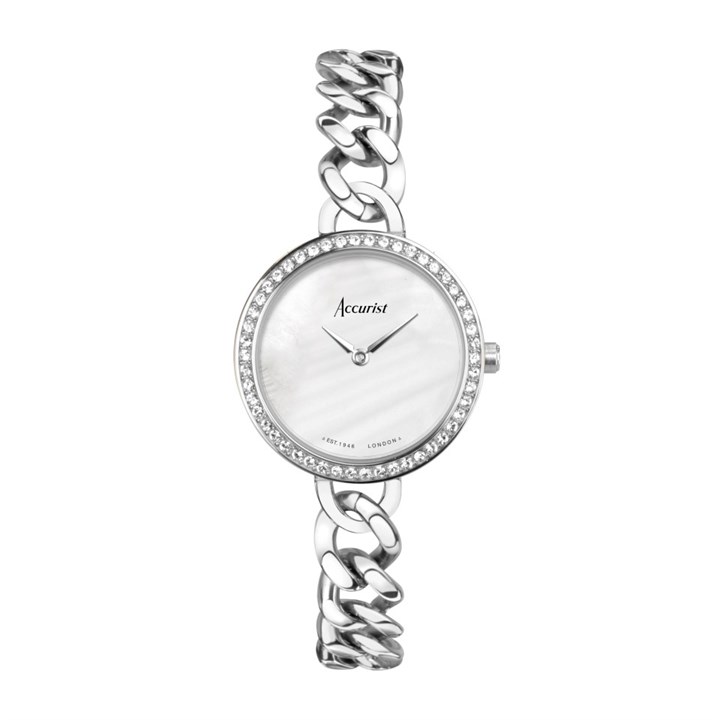
Accurist
78007 Stone Set Chain Bracelet Watch - W72166
£60
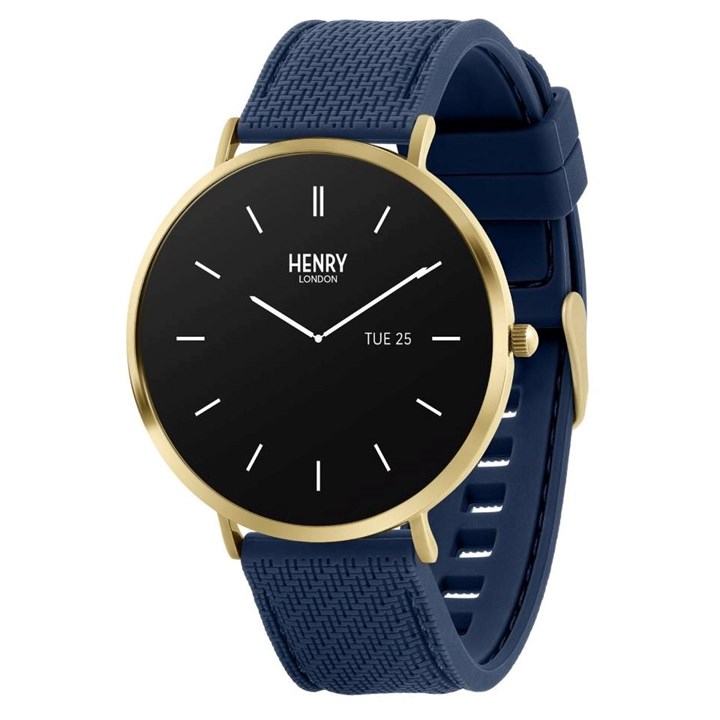
Henry London
HLS65-0012 AMOLED Blue Silicone Strap Smartwatch - W47285
£60
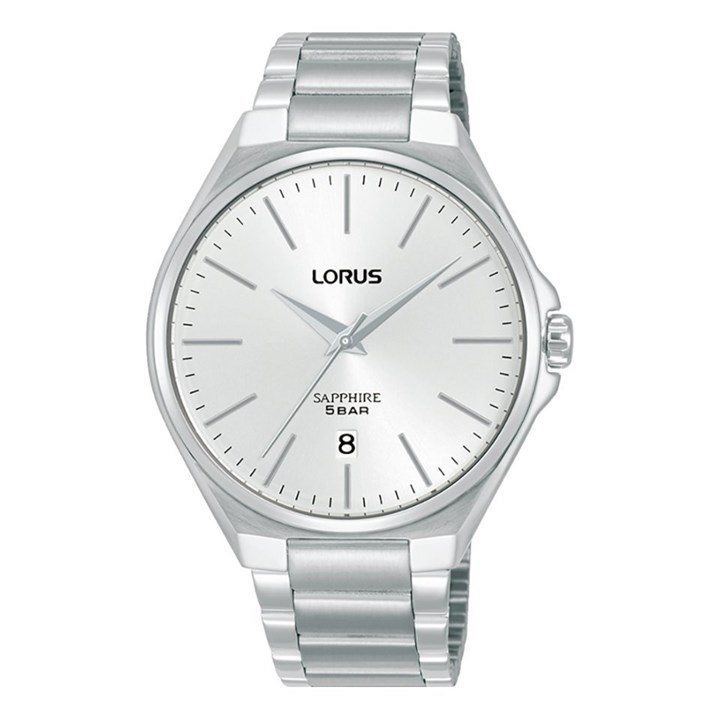
Lorus
RS949DX9 Slim Silver Dial Bracelet Watch - W16287
£60
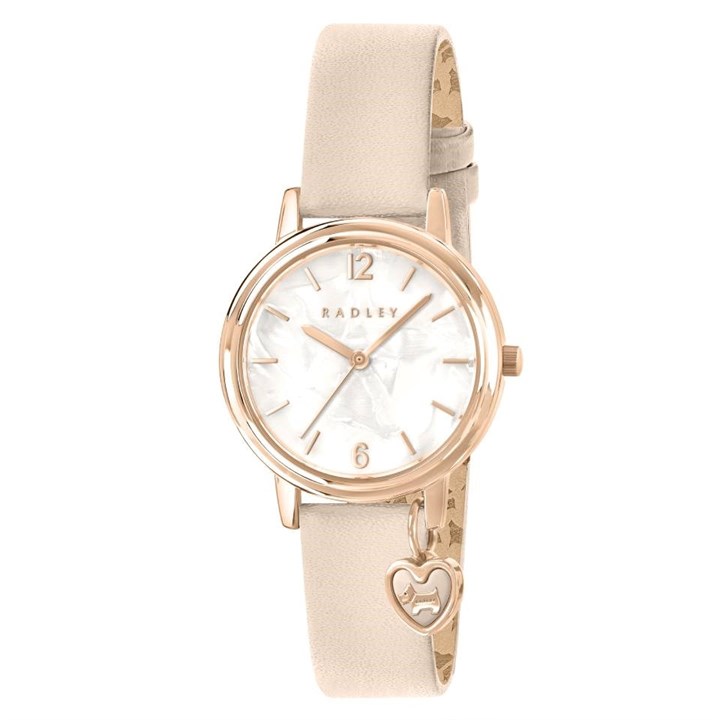
Radley
RY21872A Oatmilk Leather Strap Watch - W51517
£63
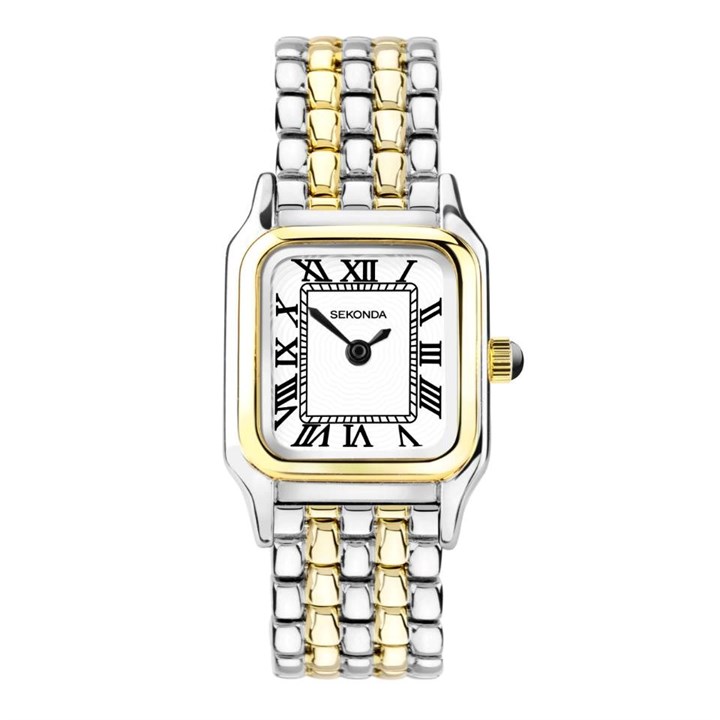
Sekonda
40658 Monica Maxi Two Tone Bracelet Watch - W32367
£65
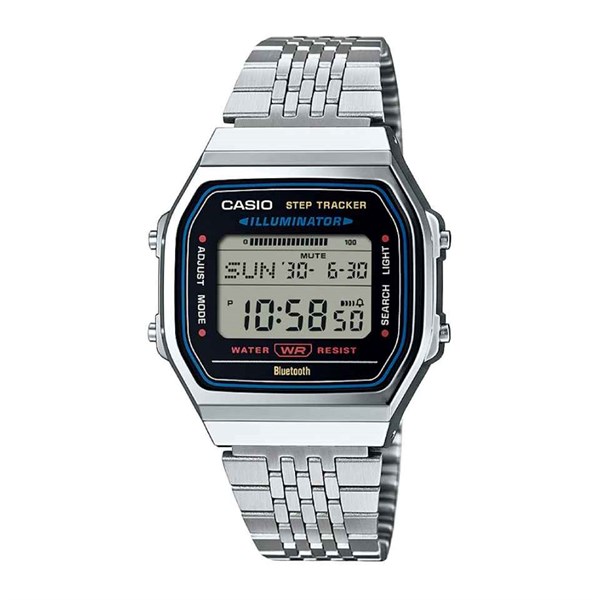
Casio
Vintage ABL-100WE-1AEF Bluetooth Step Tracker Watch - W17534
£70
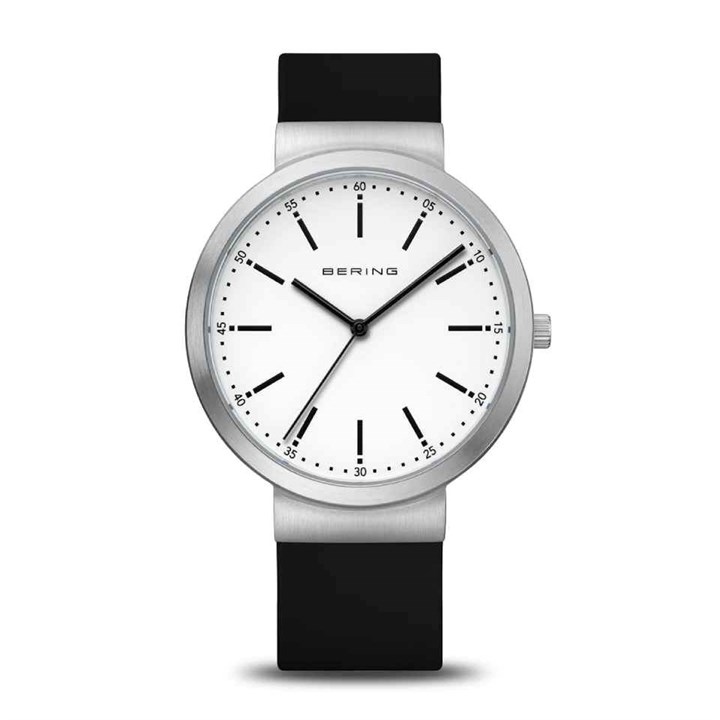
Bering
10141-404 Black Silicone Strap Watch - W74226
£75
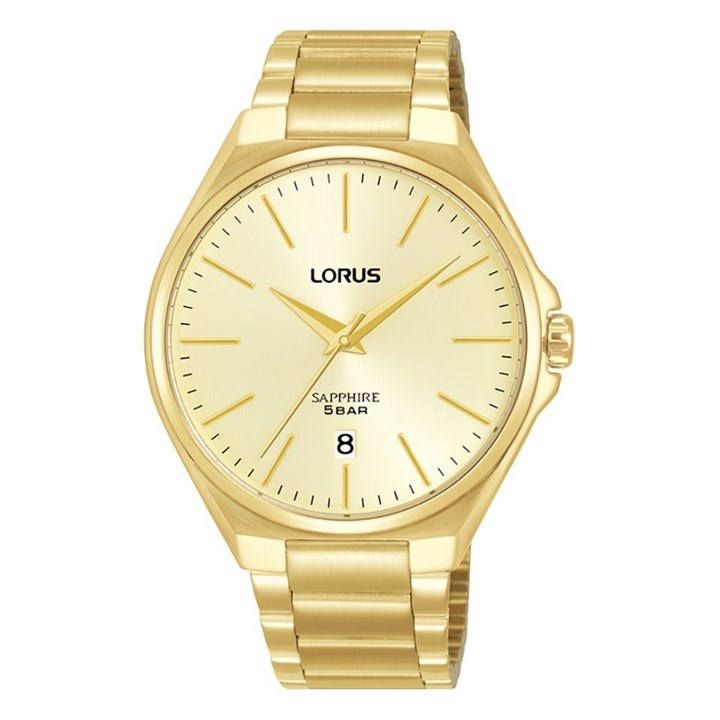
Lorus
RS950DX9 Slim Gold Plated Bracelet Watch - W16288
£75
Hardlex
114 in stock
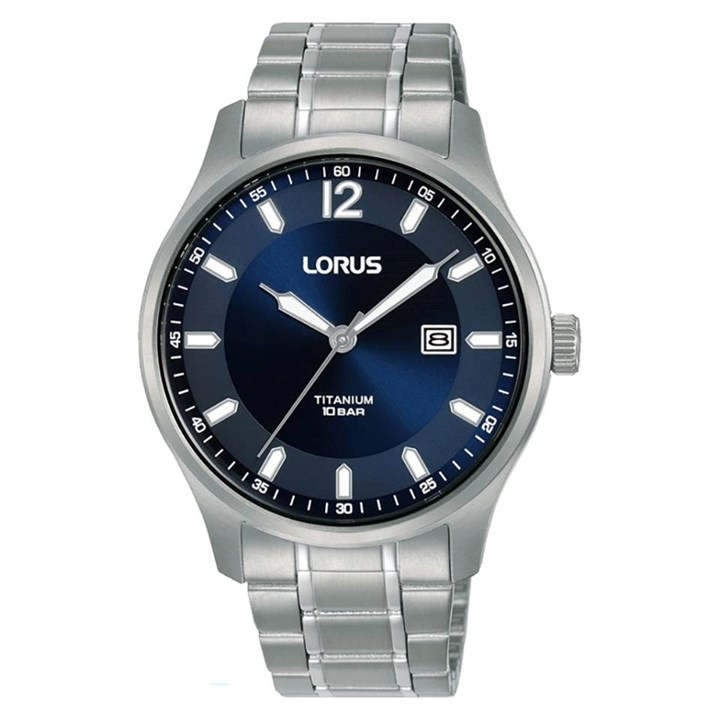
Lorus
RH997QX9 Titanium Blue Dial Bracelet Watch - W16311
£70
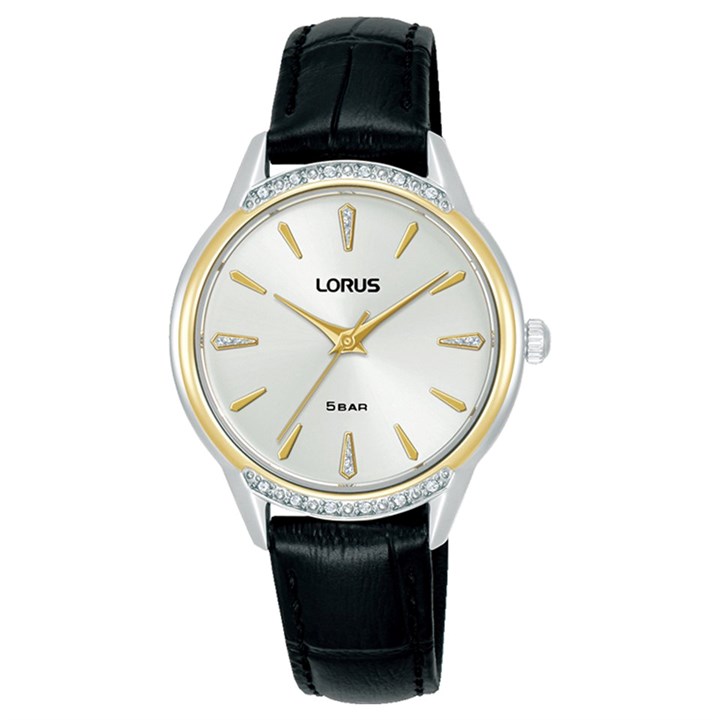
Lorus
RG260YX9 Black Leather Strap Watch - W58207
£75
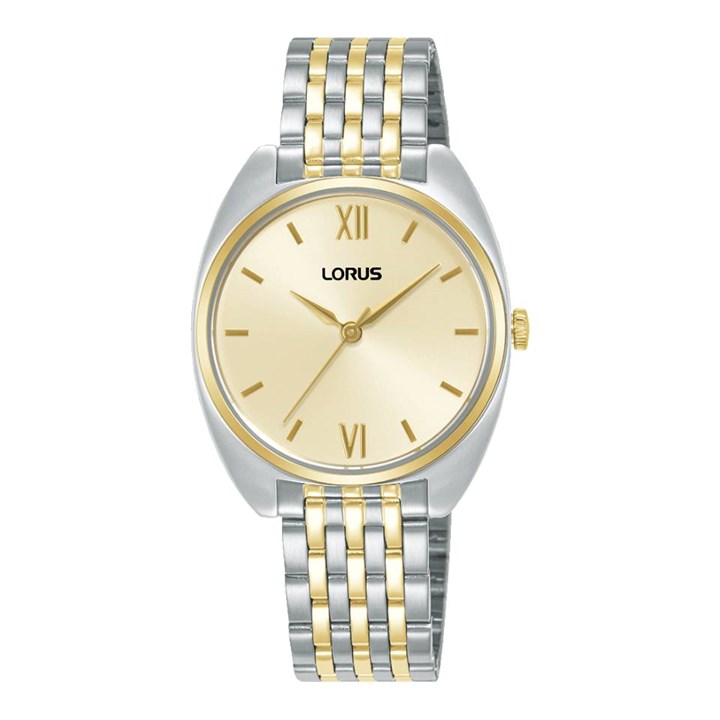
Lorus
RH842CX9 Slim Two Tone Bracelet Watch - W58208
£80
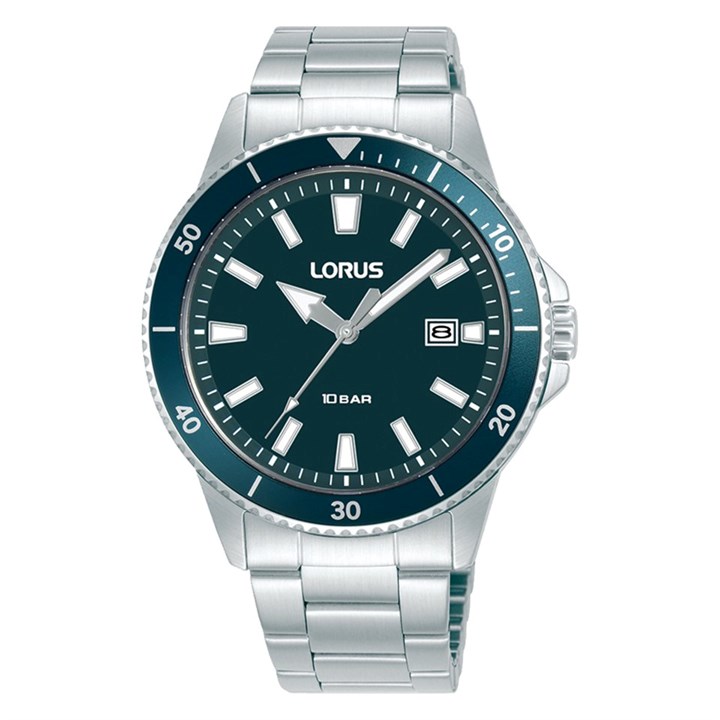
Lorus
RH901SX9 Blue Dial Bracelet Watch - W16350
£80
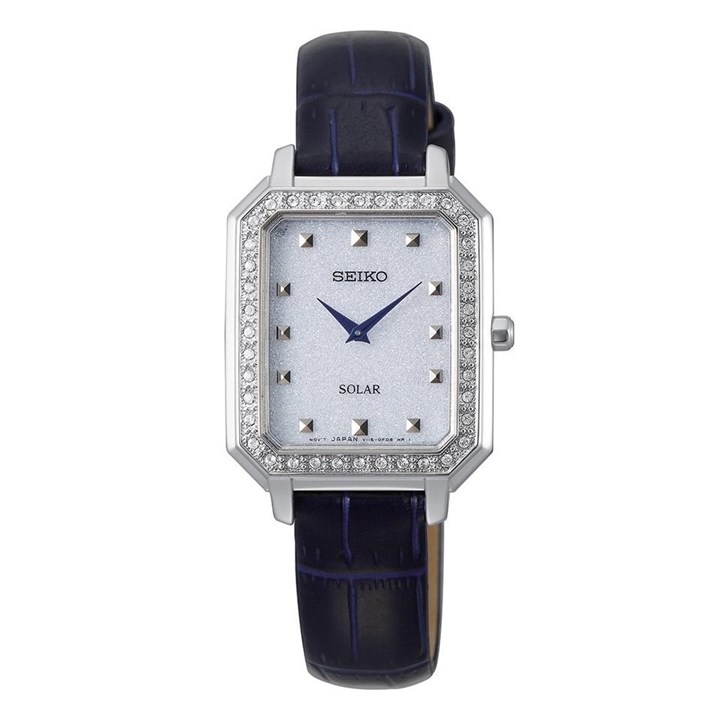
Seiko
SUP429P1 Solar Stone Set Blue Leather Strap Watch - W78126
£125
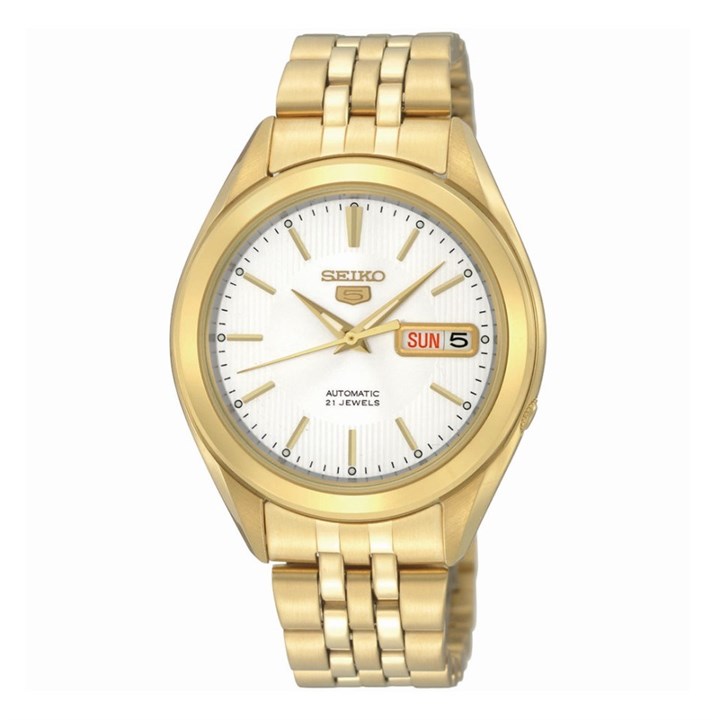
Seiko
5 SNKL26K1 Automatic Bracelet Watch - W25333
£140
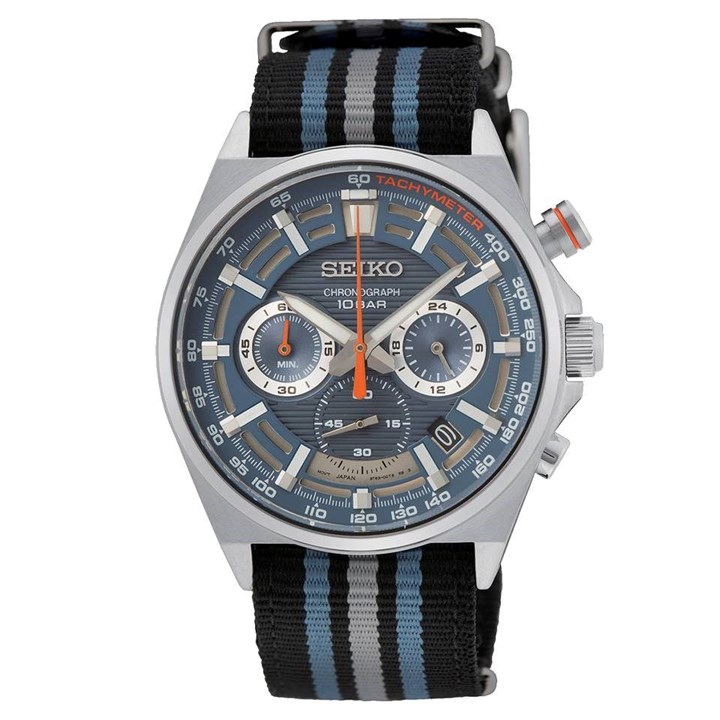
Seiko
SSB409P1 Stainless Steel Nato Striped Nylon Strap Watch - W24133
£159
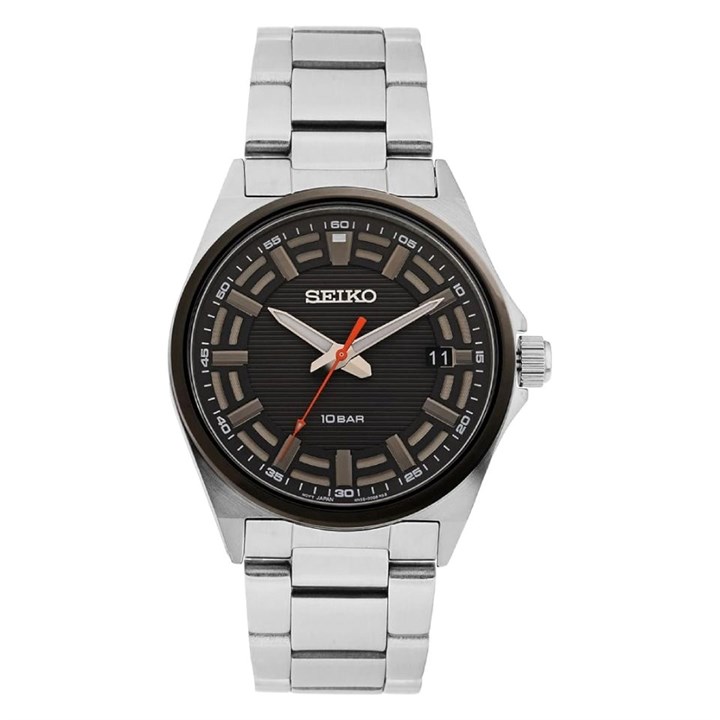
Seiko
SUR507P1 Sport Bracelet Watch - W25409
£168
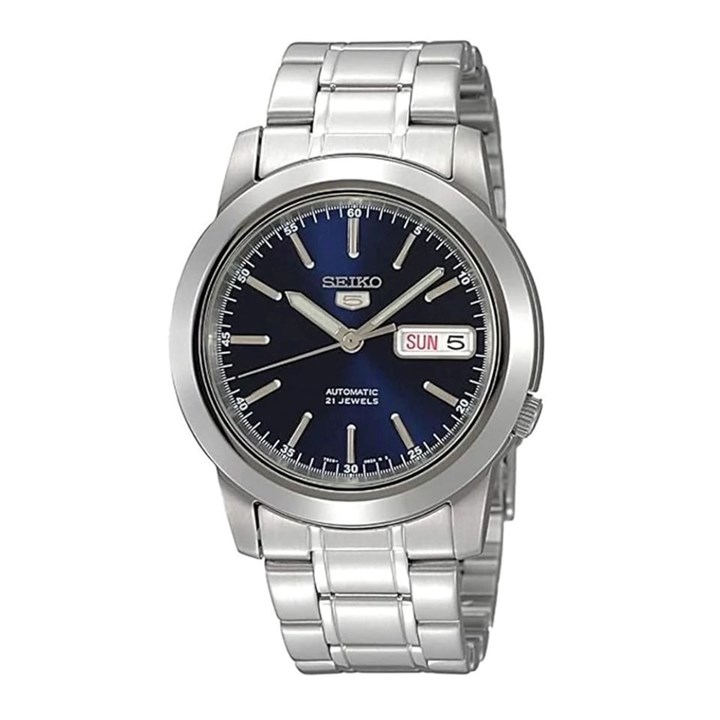
Seiko
5 SNKE51K1 Automatic Bracelet Watch - W25538
£174
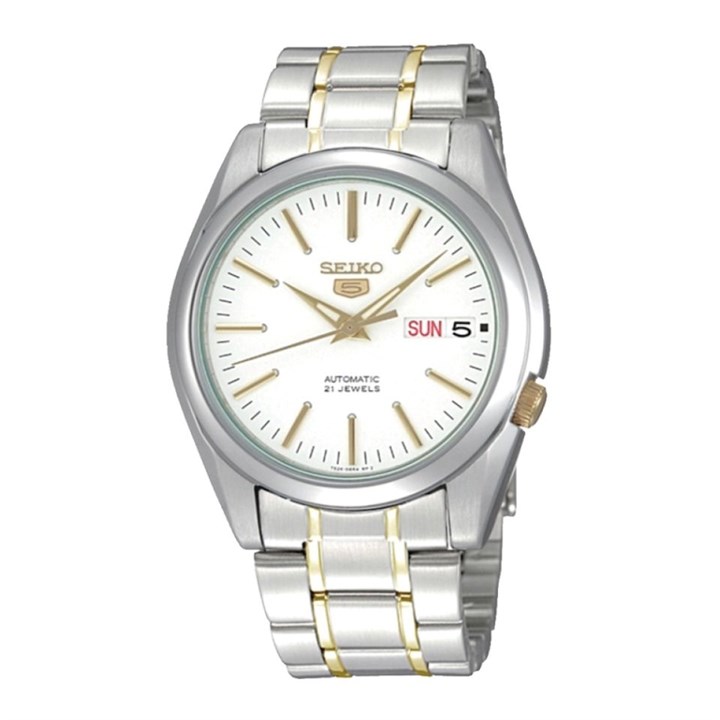
Seiko
5 SNKL47K1 Automatic Two Tone Bracelet Watch - W25470
£174
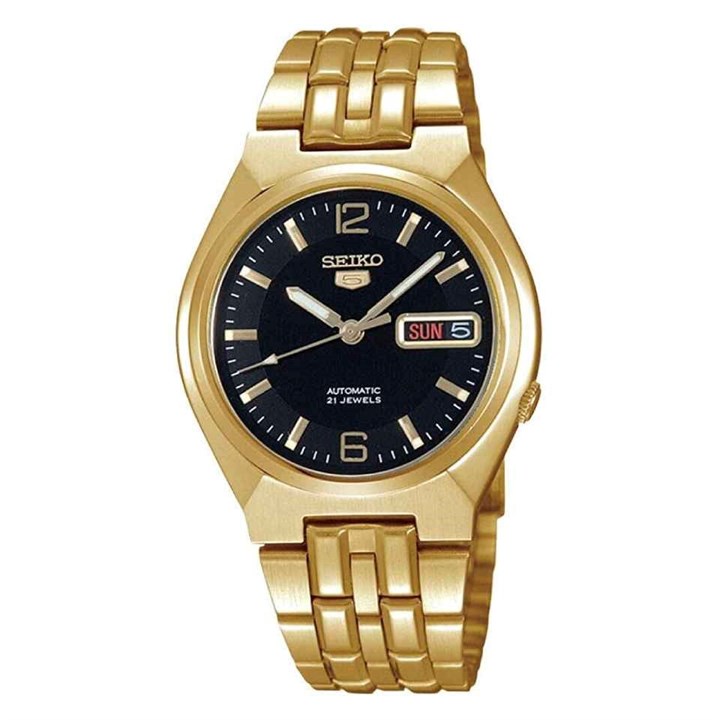
Seiko
5 SNKL66K1 Gold Plated Bracelet Watch - W25479
£175
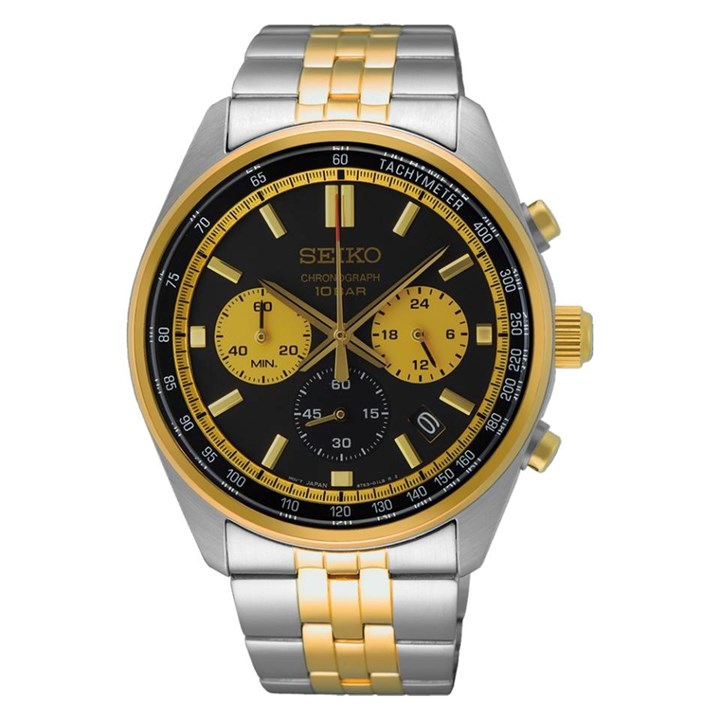
Seiko
SSB430P1 Two Tone Chronograph Bracelet Watch - W24172
£189
Mineral
2,237 in stock

Limit
5066 Gold Tone Black PU Strap Watch - W7734
£15

Limit
6141 Gold Tone Black PU Strap Watch - W7720
£15
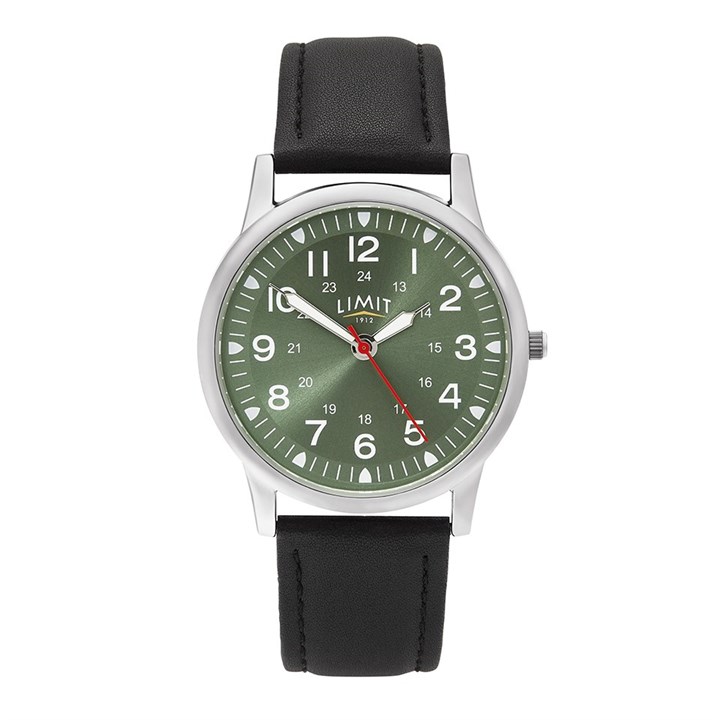
Limit
50062 Green Dial Black PU Strap Watch - W77255
£20
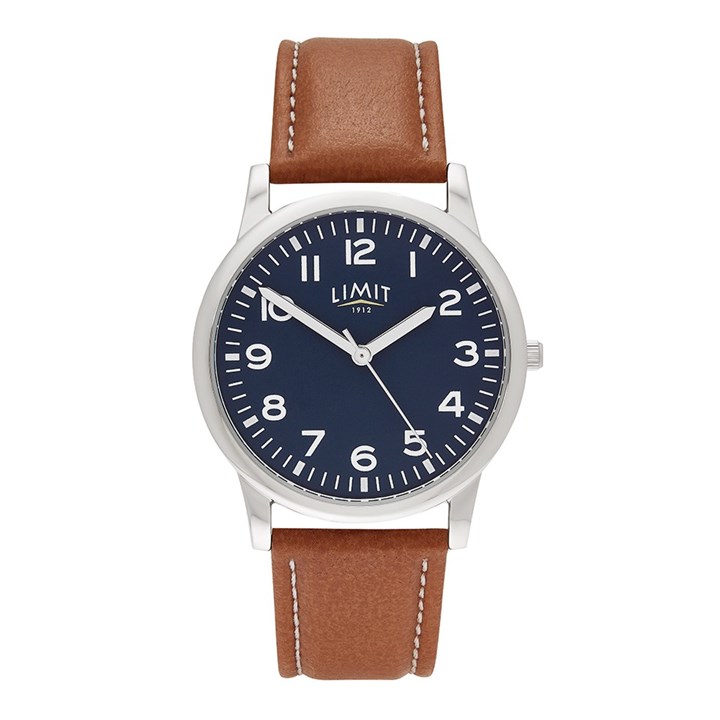
Limit
50063 Blue Dial Brown PU Strap Watch - W77256
£20
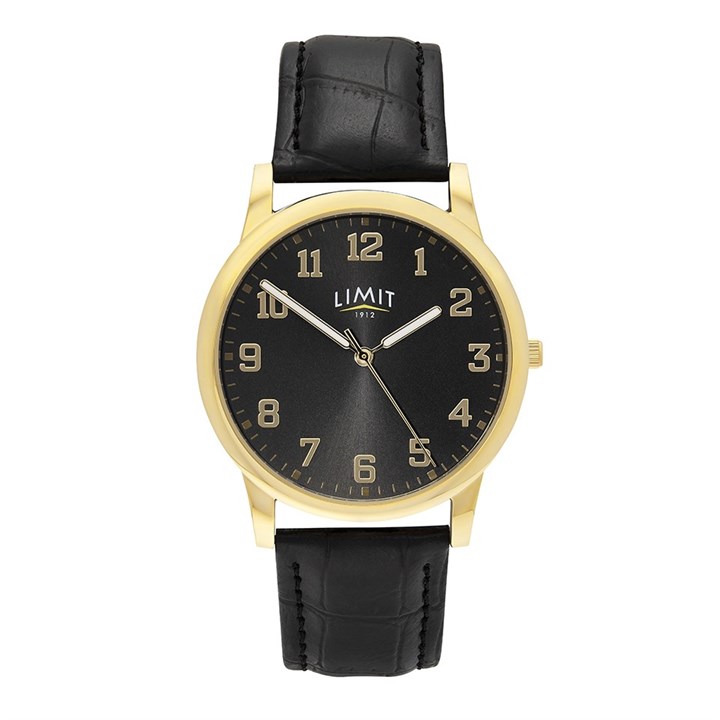
Limit
50064 Gold Tone Black PU Strap Watch - W77257
£20
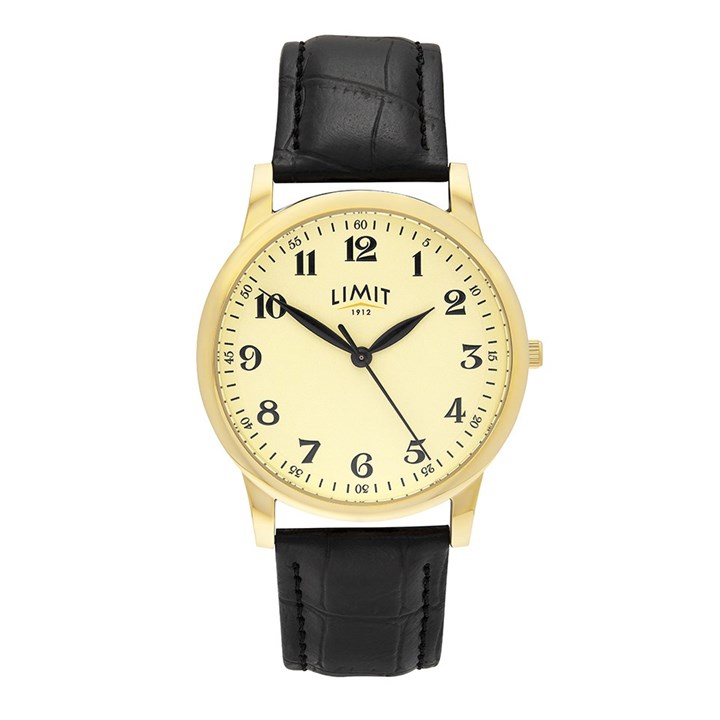
Limit
50065 Gold Tone Black PU Strap Watch - W77258
£20

Limit
5608 Black PU Strap Watch - W7748
£20

Limit
5988 Expanding Bracelet Watch - W7779
£20
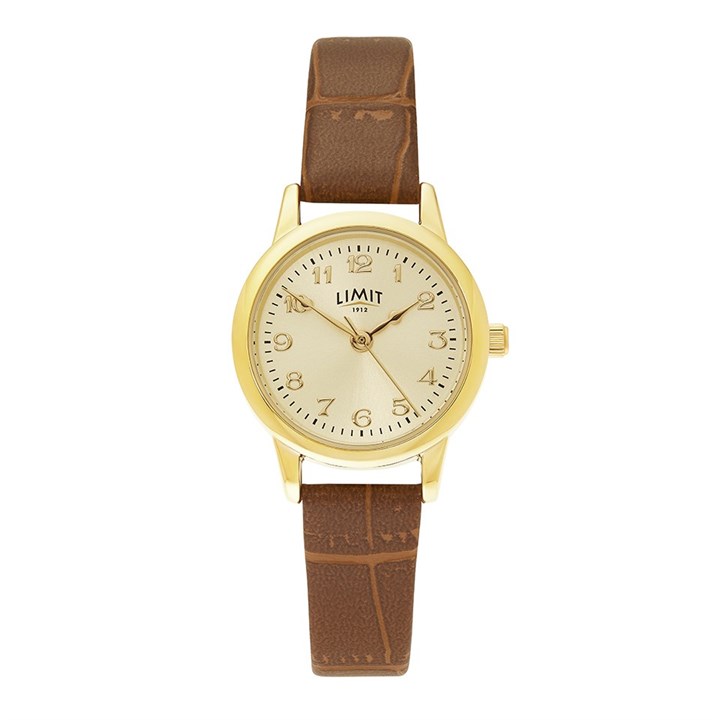
Limit
60271 Gold Tone Brown PU Strap Watch - W77259
£20

Limit
6955 Gold Plated Expanding Bracelet Watch - W7799
£20
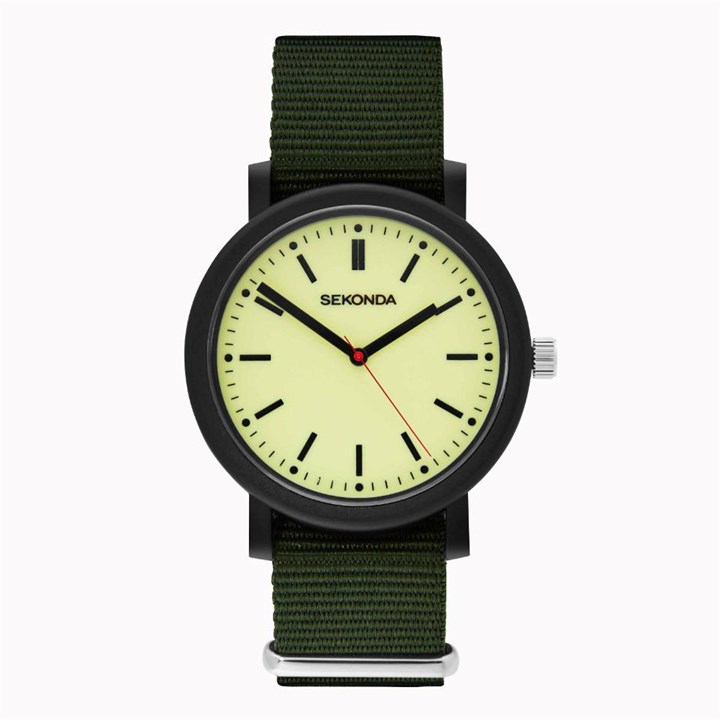
Sekonda
30340 Green Fabric Strap Watch - W31461
£20
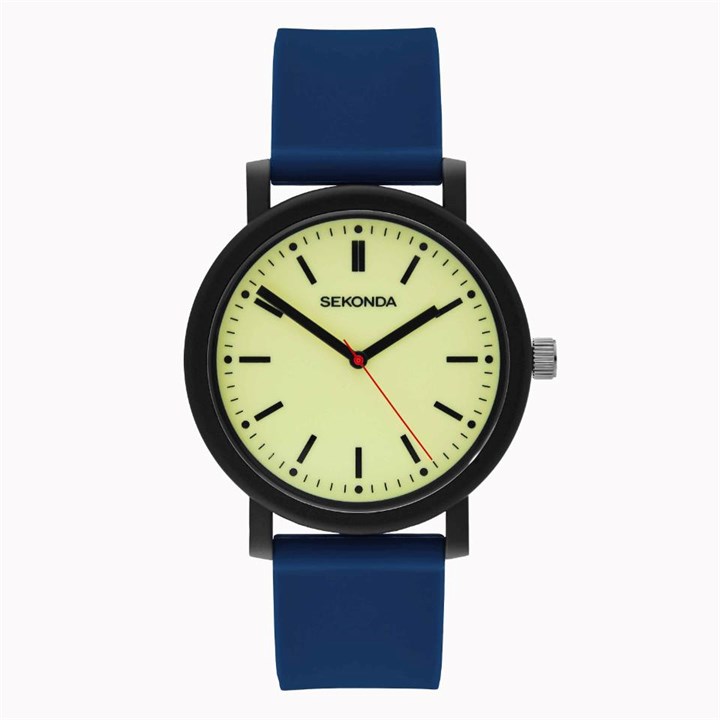
Sekonda
30342 Blue Strap Watch - W31460
£20
Acrylic
78 in stock
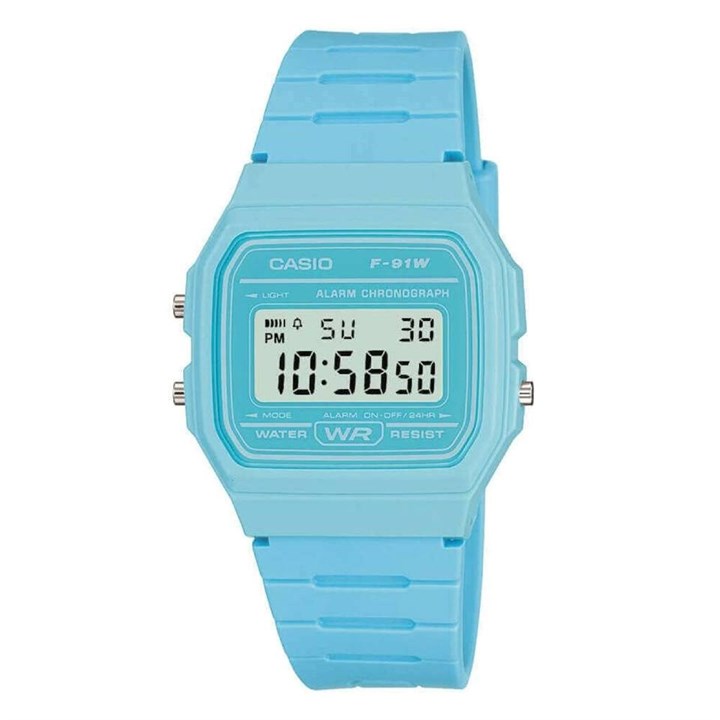
Casio
Vintage F-91WC-2AEF Digital Blue Strap Watch - W59162
£25
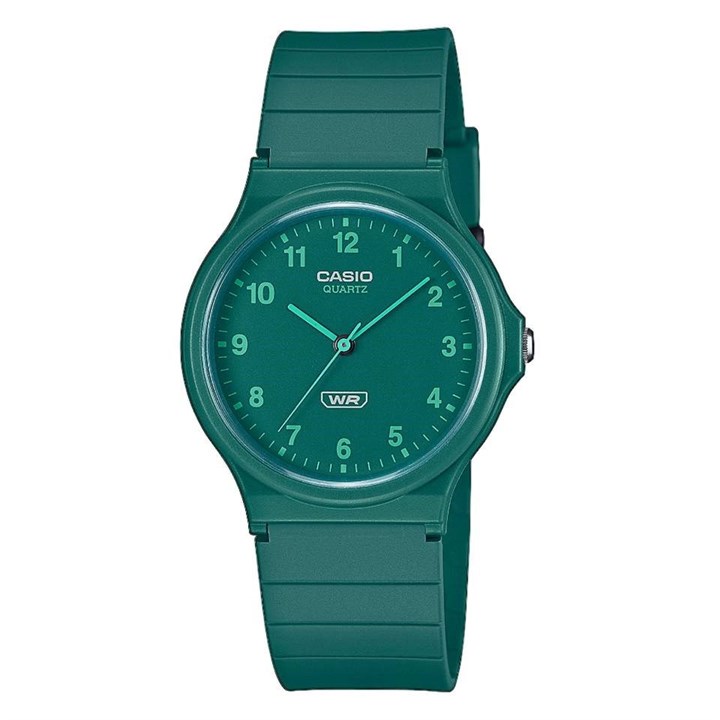
Casio
Vintage MQ-24B-3BEF Teal Resin Strap Watch - W59155
£25

Casio
Vintage W-59-1VQES Chronograph Black Resin Strap Watch - W1728
£25
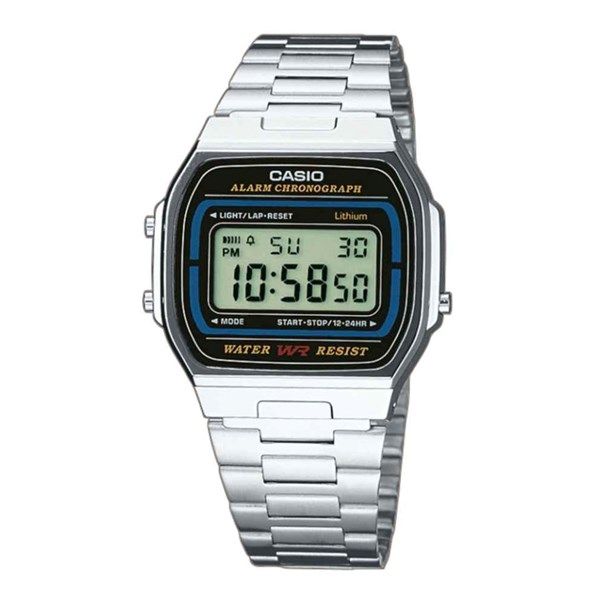
Casio
Vintage A164WA-1VES Retro Bracelet Watch - W1724
£28

Lorus
R2327CX9 LCD Chronograph Alarm Black Resin Strap Watch - W1684
£30
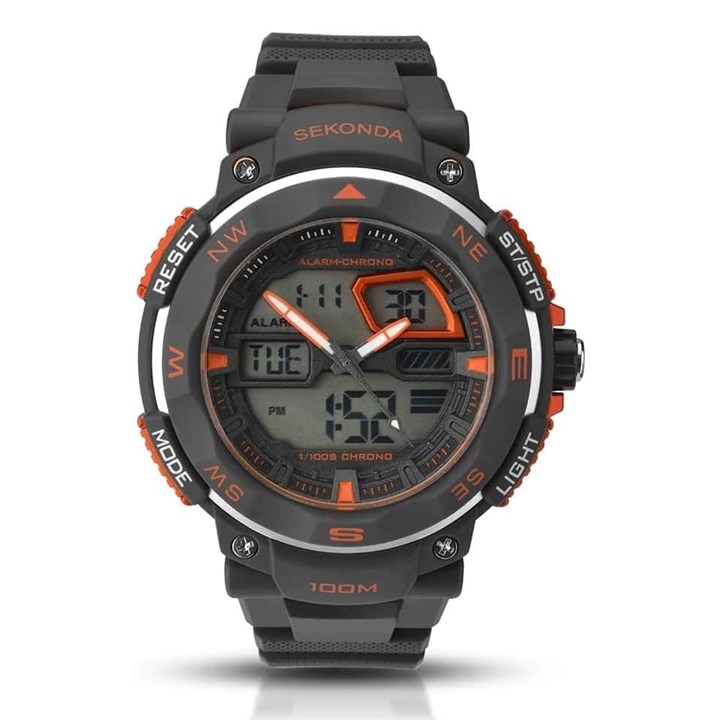
Sekonda
1163 Dual Display Black Resin Strap Watch - W31327
£30
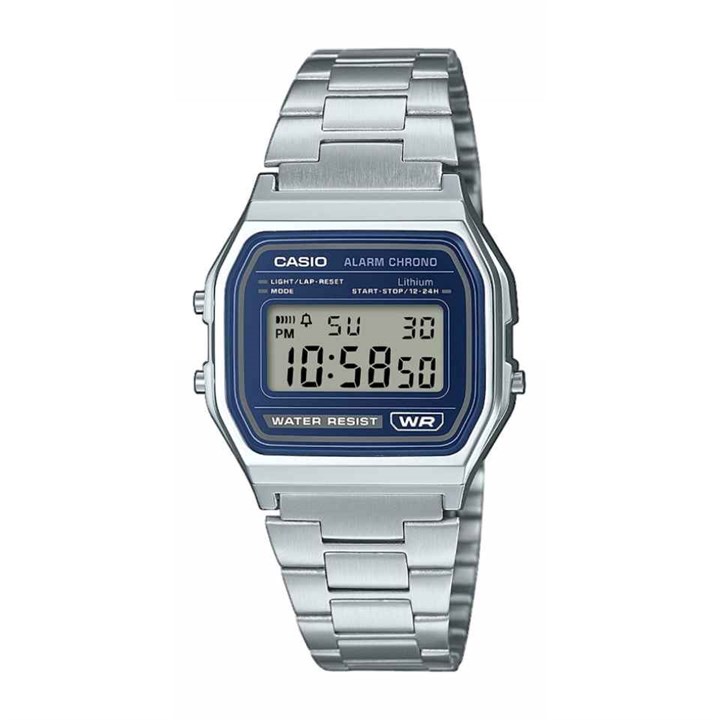
Casio
Vintage A158WEA-2EF Digital Bracelet Watch - W17559
£35
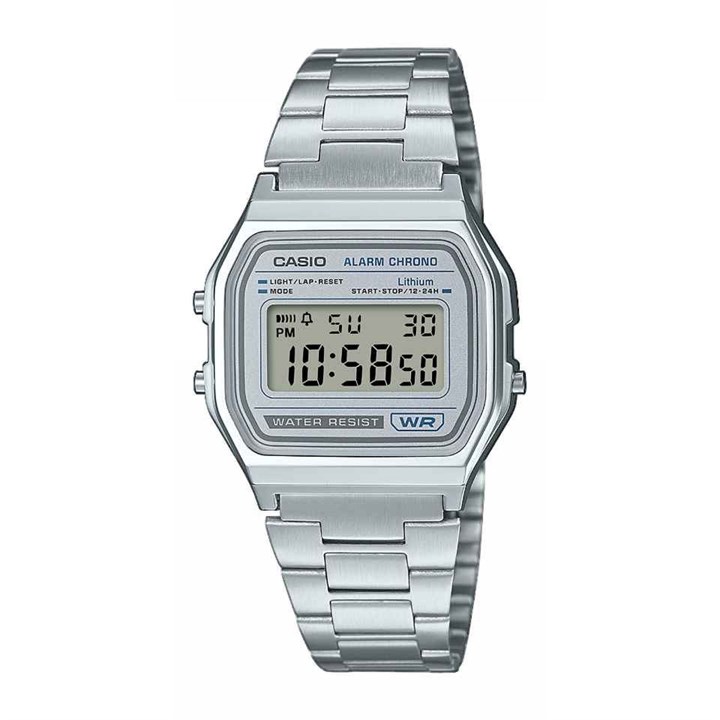
Casio
Vintage A158WEA-7EF Digital Bracelet Watch - W17560
£35
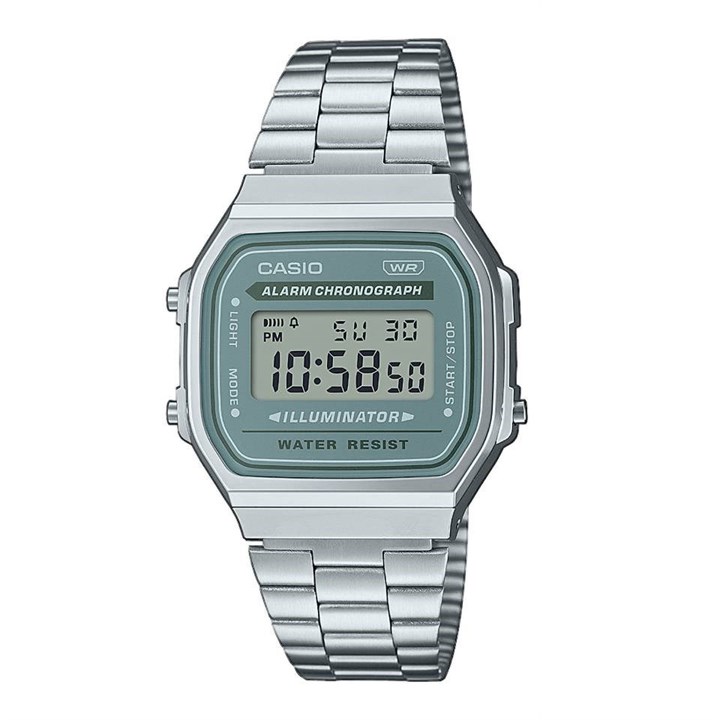
Casio
Vintage A168WA-3AYES Bracelet Watch - W59123
£35
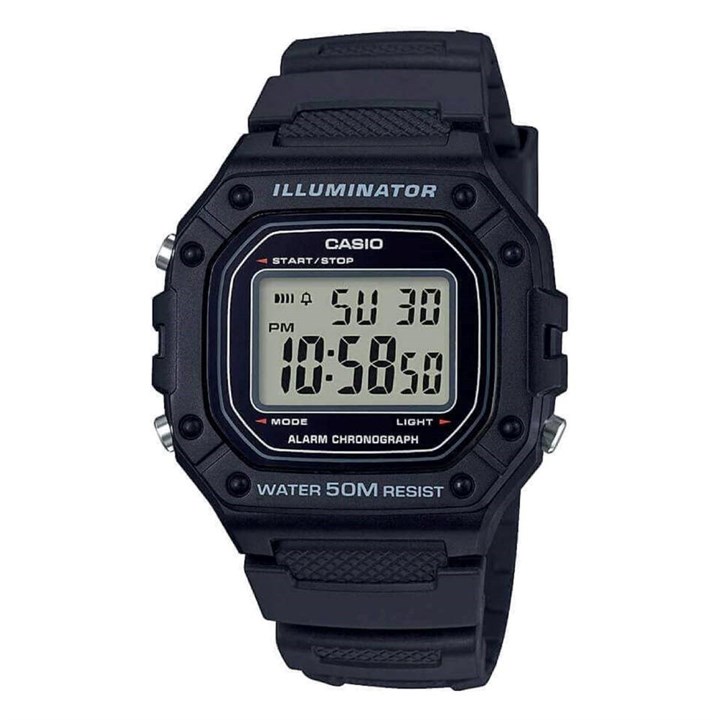
Casio
W-218H-1AVEF Digital Black Strap Watch - W17481
£35
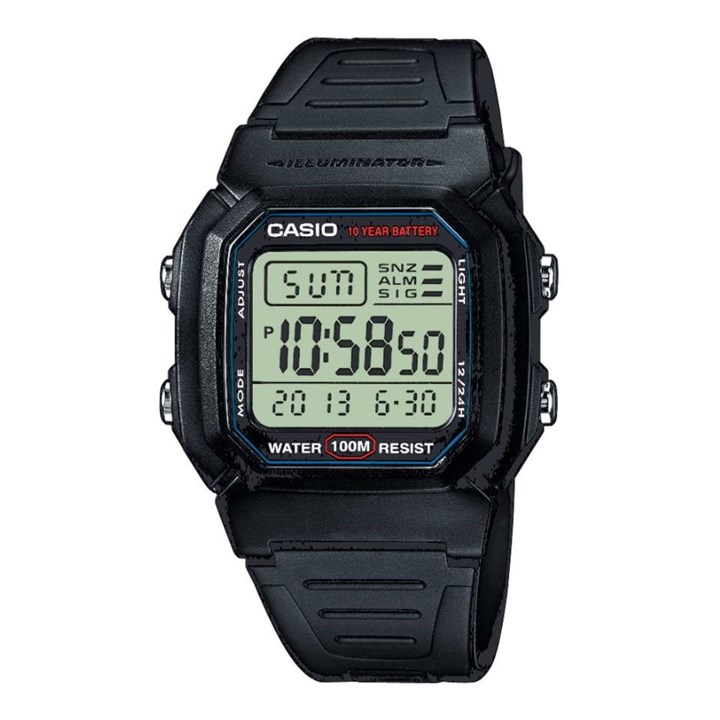
Casio
W-800H-1AVES Digital Black Strap Watch - W17467
£35

Casio
Vintage AE-1200WHD-1AVEF World Time Bracelet Watch - W1504
£35
Common misconceptions
Sapphire is unbreakable.
It is unscratchable in normal use, not unbreakable. It is more brittle than mineral glass and a sharp knock on a hard edge can crack it.
Sapphire coated means sapphire.
Sapphire coated is mineral glass with a thin hard layer applied. The layer wears through and the glass underneath scratches normally. It is not the same product.
A scratched crystal has to be replaced.
On acrylic, no — it polishes out. On mineral, replacement is usually cheaper than attempting a polish. On sapphire it rarely arises.
Crystals across the watches we list
Crystal type is recorded on nearly every watch on the site. The split below shows what the market actually offers at each level.
| Crystal | Watches | From |
|---|---|---|
| Sapphire | 2,451 | £27.49 |
| Hardlex | 114 | £69.99 |
| Mineral | 2,237 | £14.99 |
| Acrylic | 78 | £24.90 |
Based on 4,912 watches listed and in stock. Updated continuously.
Also worth reading: what water resistance ratings really mean, quartz against automatic movements, and how to size a watch to your wrist.