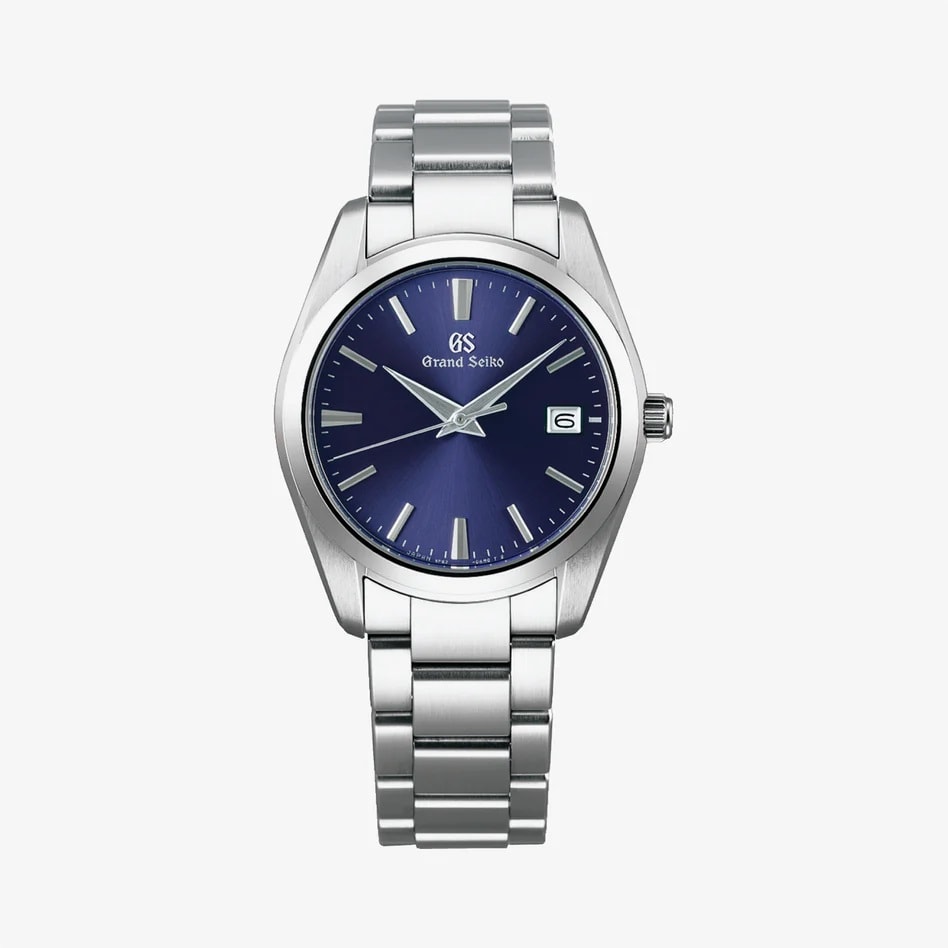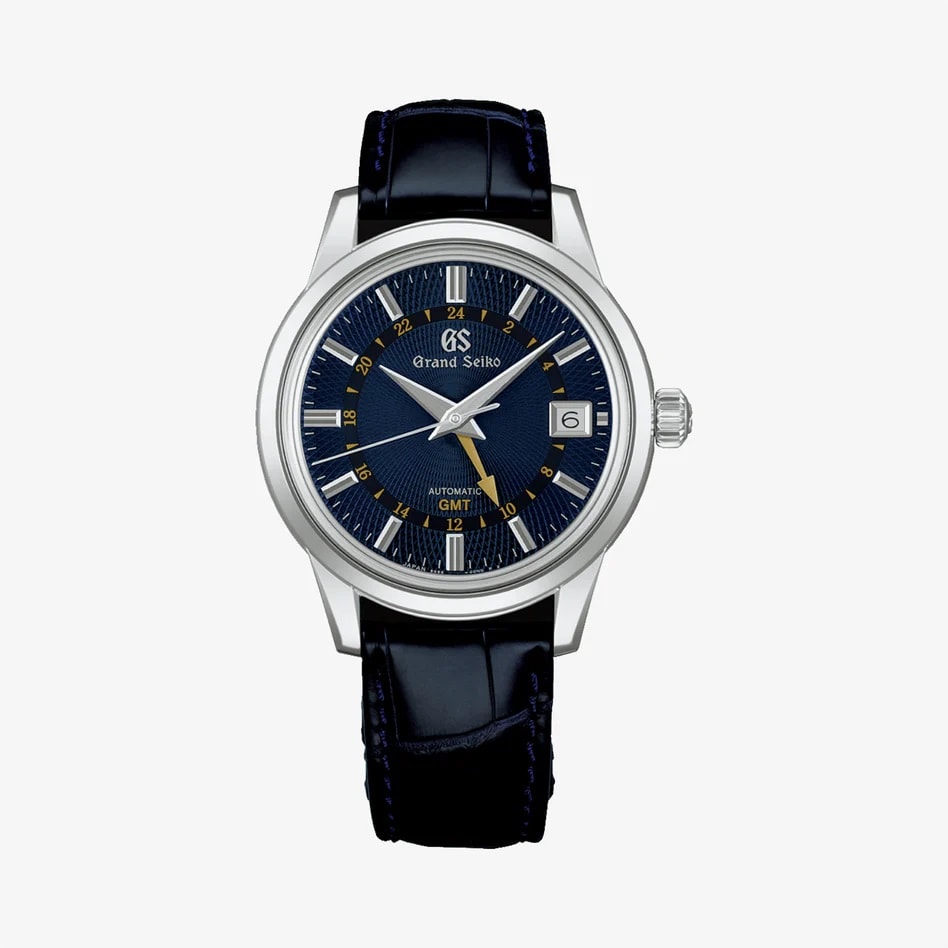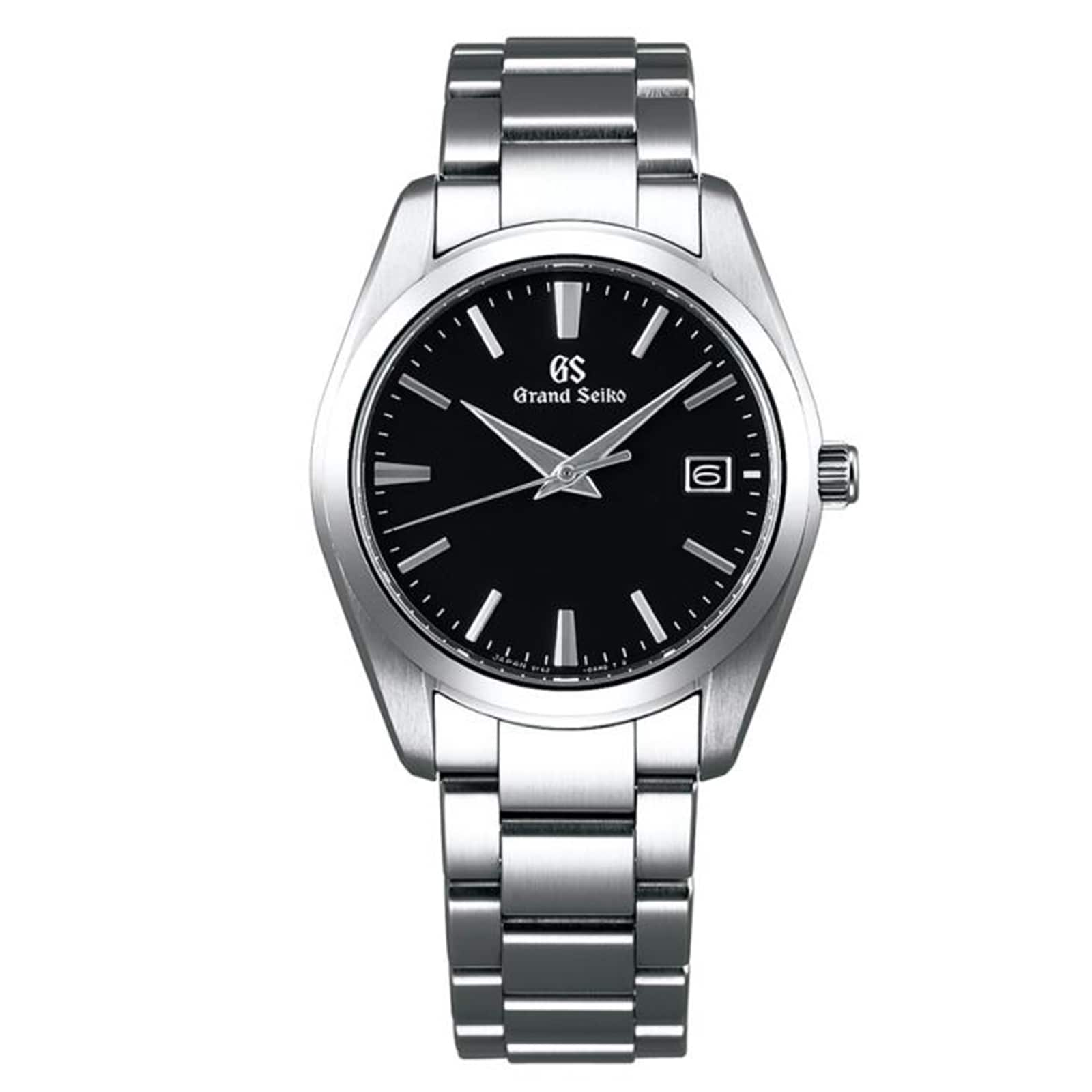
Tap the image to enlarge

Grand Seiko Heritage Quartz
Ref. SBGX261
See more premium optionsHide
Stepping up in Grand Seiko's range
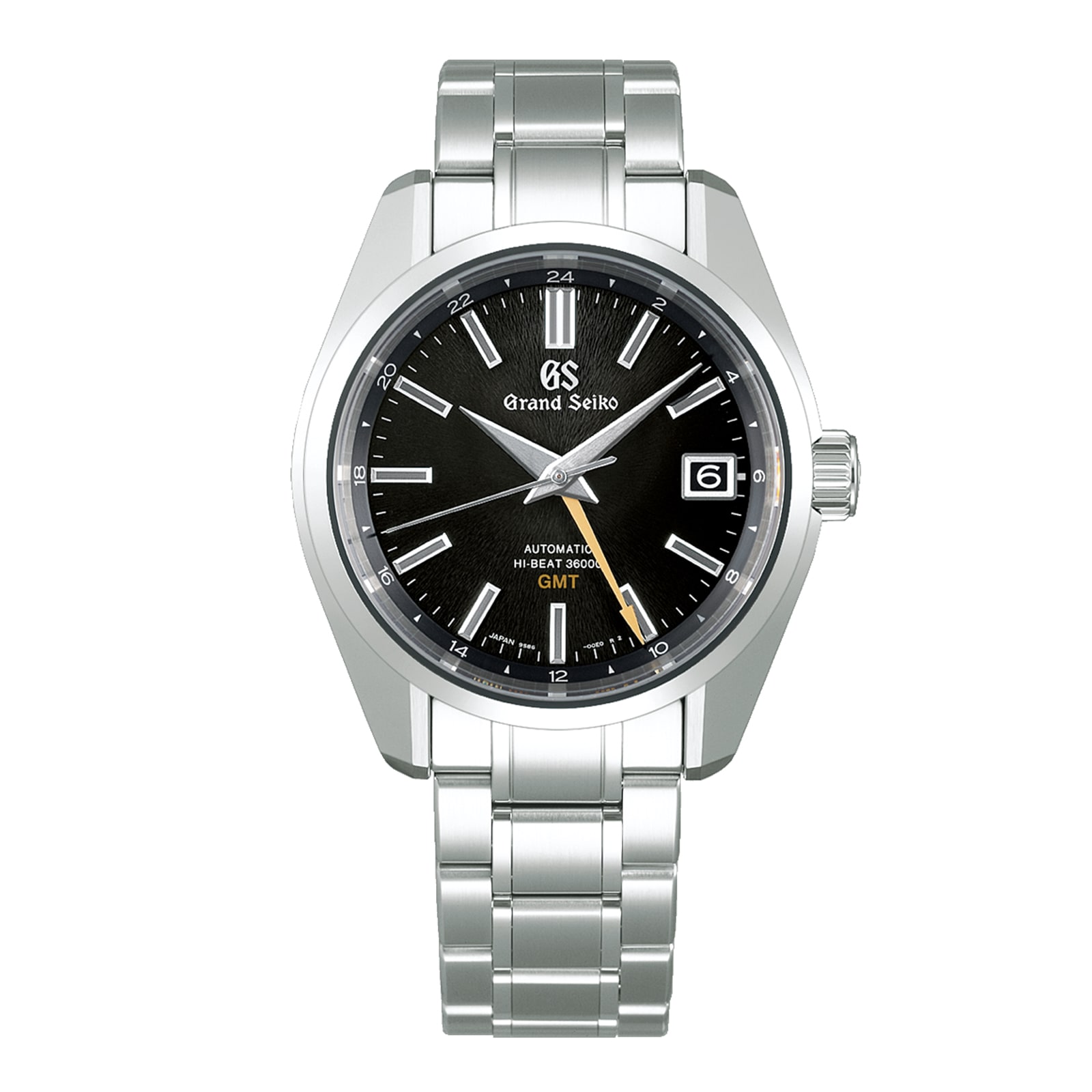
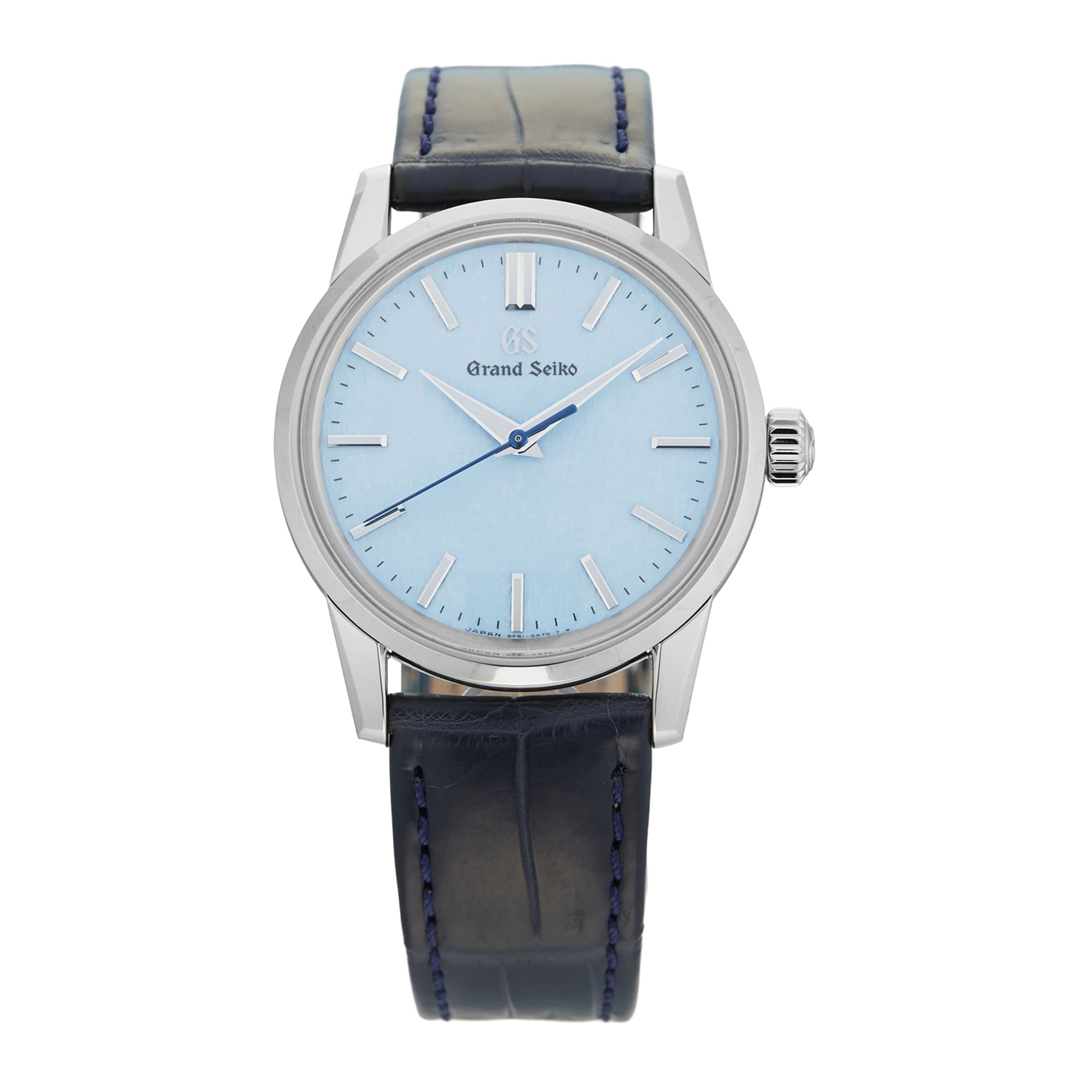
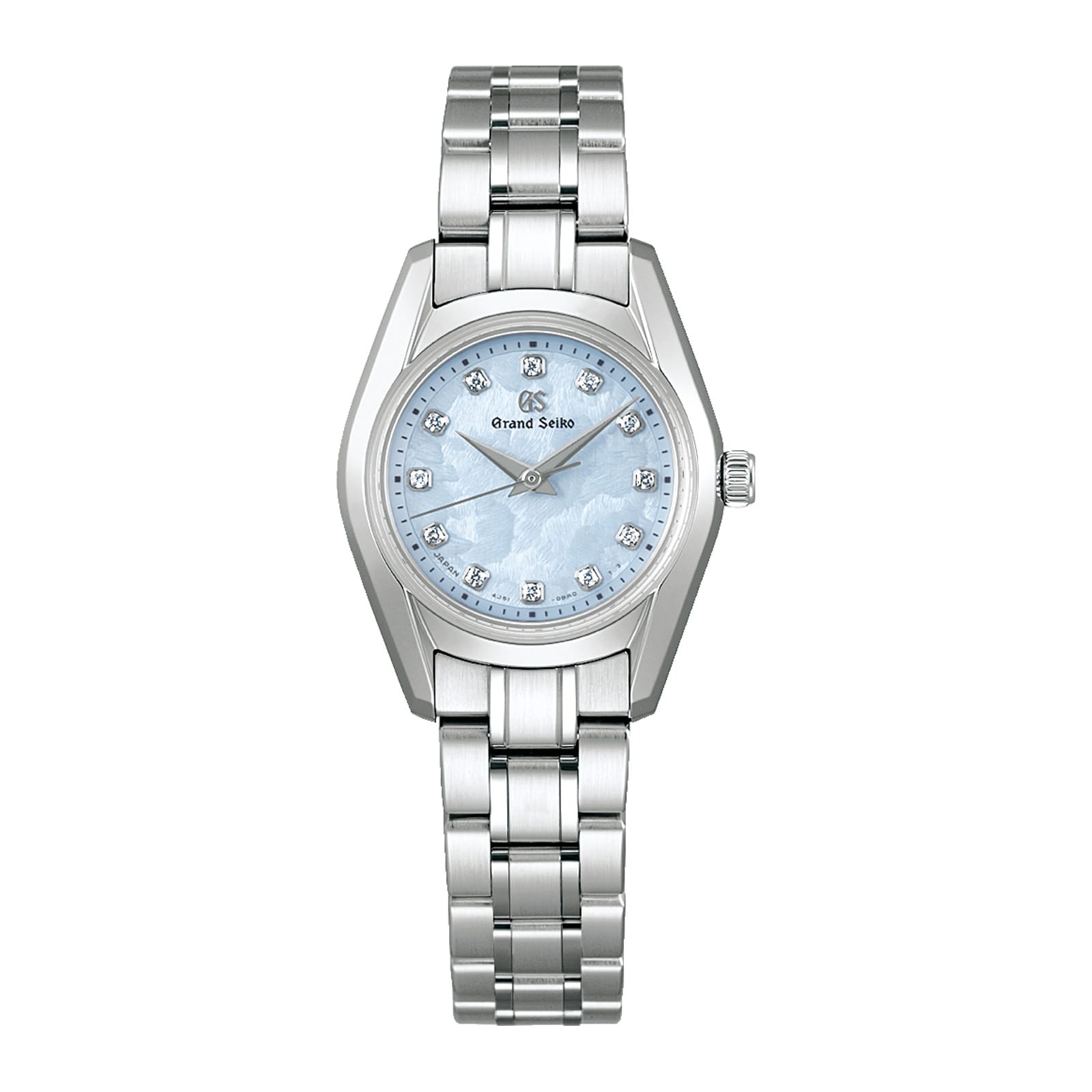
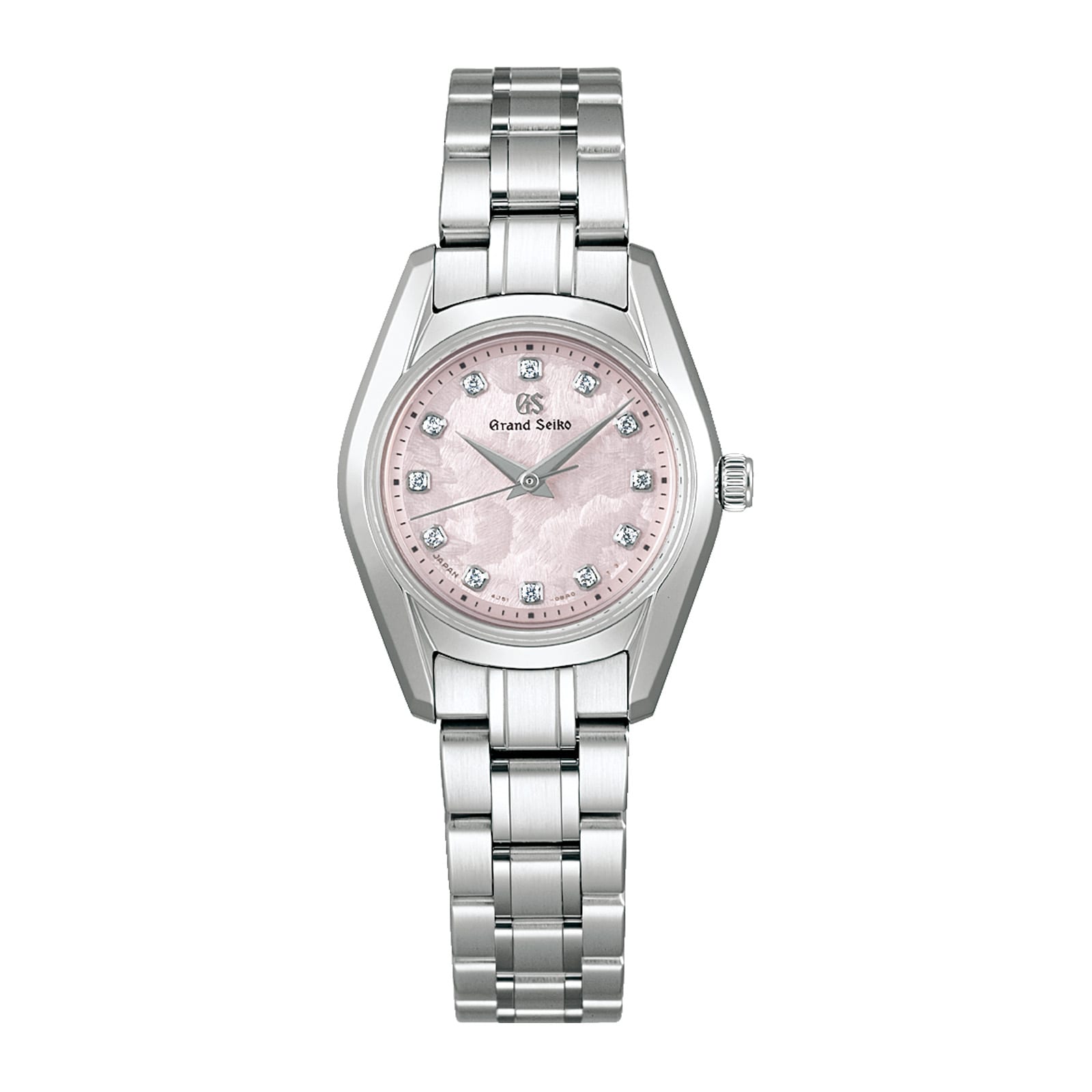
The SBGX261 is the direct successor to the SBGX061, distinguished primarily by a cleaner dial that replaced the older dual-logo arrangement with a single Grand Seiko signature at twelve. It is a small but telling revision — the kind a brand makes when it is confident enough to let the object speak without annotation. The 9F62 is not a standard quartz movement. Built entirely in-house, it uses a twin-pulse motor to drive the weighty dauphine hands without the judder that would otherwise result, changes the date instantaneously rather than crawling through midnight, and can be regulated by the owner to hold within ±10 seconds across a full year. At 10mm thin, the case disappears under a shirt cuff and sits closer to a dress watch in profile than most pieces rated to 100m. The Zaratsu-polished surfaces are what distinguish Grand Seiko finishing from the industry standard: flat planes ground to optical clarity, with no wavering at the edges where they meet the brushed flanks. The black dial carries no lume — the diamond-cut markers catch available light instead, and at this level of finishing that is the right trade.
- Reference
- SBGX261
- Brand
- Grand Seiko
- Collection
- Heritage Collection
- Case size
- 37mm
- Case thickness
- 10mm
- Lug width
- 19mm
- Case material
- Stainless steel
- Case shape
- Round
- Dial
- Black
- Crystal
- Sapphire
- Movement
- Quartz
- Calibre
- 9F62
- Functions
- Date
- Water resistance
- 100m
- Bracelet / strap
- Stainless steel bracelet
- Strap colour
- Silver
- Clasp
- Three-fold clasp
- Lume
- Luminous
- Retailer
- Mappin & Webb
Additional specifications
- Lug-to-lug
- 44.6mm
Learn more about Grand Seiko
Grand Seiko began in 1960 as Seiko's attempt to build a watch to the highest standard in the world, judged against Swiss chronometer criteria rather than Japanese ones. The first model met the Bureaux Officiels standard, and the ambition was explicit: not a good Japanese watch, but a better watch than the Swiss were making.
The 1967 Grammar of Design, laid down by Taro Tanaka, still governs the aesthetic. Flat surfaces and sharp facets rather than curves; hands and markers cut to catch light in defined planes; every surface either mirror-polished or perfectly flat, with no in-between. The polishing is done by hand on tin plates — Zaratsu — which produces distortion-free reflections and cannot be replicated by machine.
The precision case was made at observatory trials in the 1960s, where Grand Seiko movements placed among the leaders in Geneva and Neuchâtel before the competitions ended.
The house's distinctive technology is Spring Drive, introduced in 1999 after nearly three decades of development. A conventional mainspring drives the watch, but the escapement is replaced by an electromagnetic brake regulated by a quartz oscillator: mechanical power, quartz accuracy, and a seconds hand that sweeps without ticking at all.
Grand Seiko was separated into a standalone brand internationally in 2017, with dials frequently drawn from Japanese landscape — the Snowflake among the best known.
- 1960
- The first Grand Seiko is built to Swiss chronometer standards.
- 1967
- Taro Tanaka codifies the Grammar of Design.
- 1968
- The 61GS Hi-Beat reaches 36,000 vibrations per hour.
- 1999
- Spring Drive combines mechanical power with quartz regulation.
- 2017
- Established as an independent brand worldwide.
Also in 3 collections
This watch appears in the Grand Seiko Heritage Collection range (14), Back in Stock (5,241) and Stainless Steel Watches (3,391).
What the specifications mean
Strengths
- 100m water resistance covers swimming and watersports
- 37mm suits most wrists
- Sapphire crystal, which resists scratching
- Luminous hands and markers for low light
- Sits in the lower half of Grand Seiko's range as we list it
Grand Seiko Heritage alternatives
Watches from other brands at a similar price, style and size, so you can see what else your budget can buy.
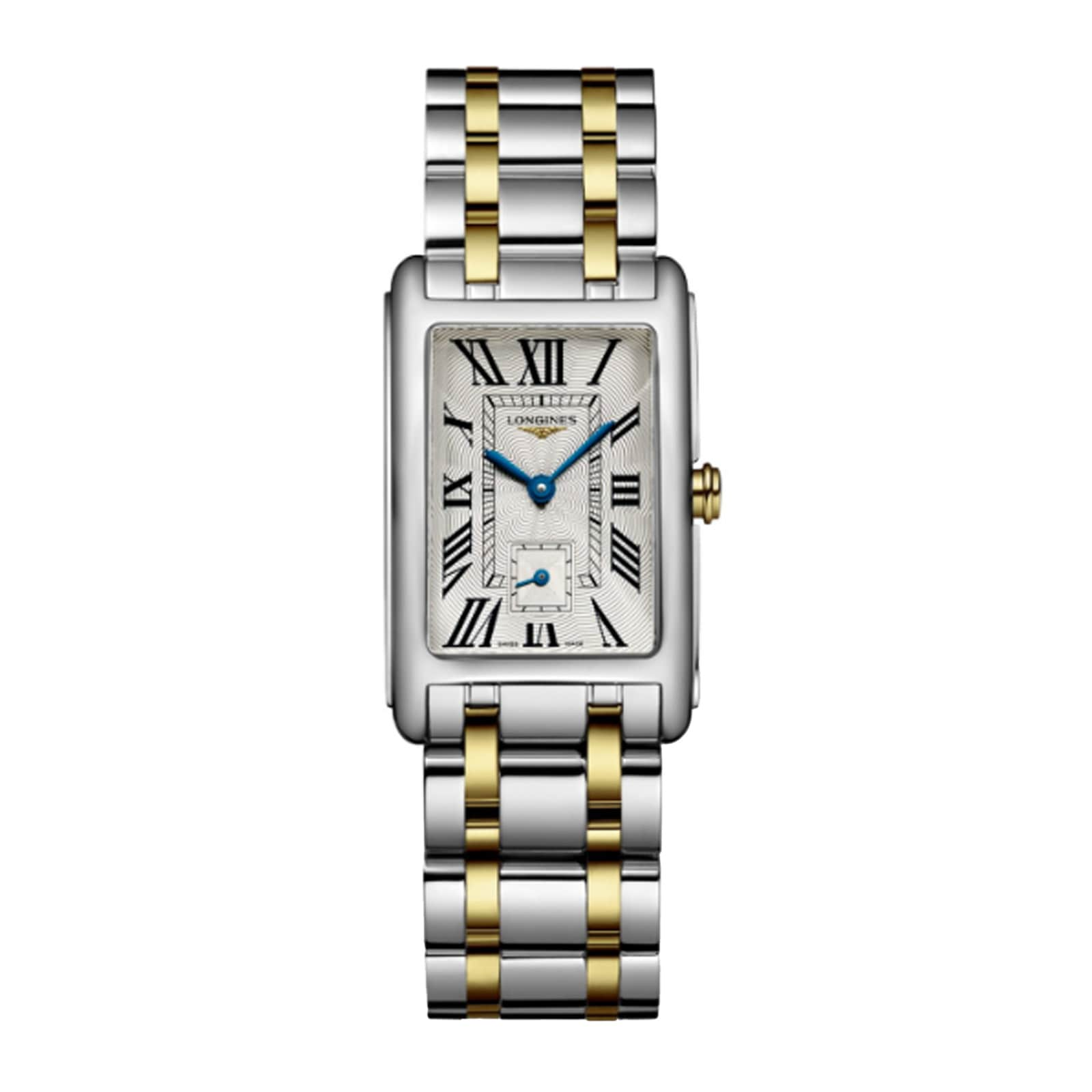
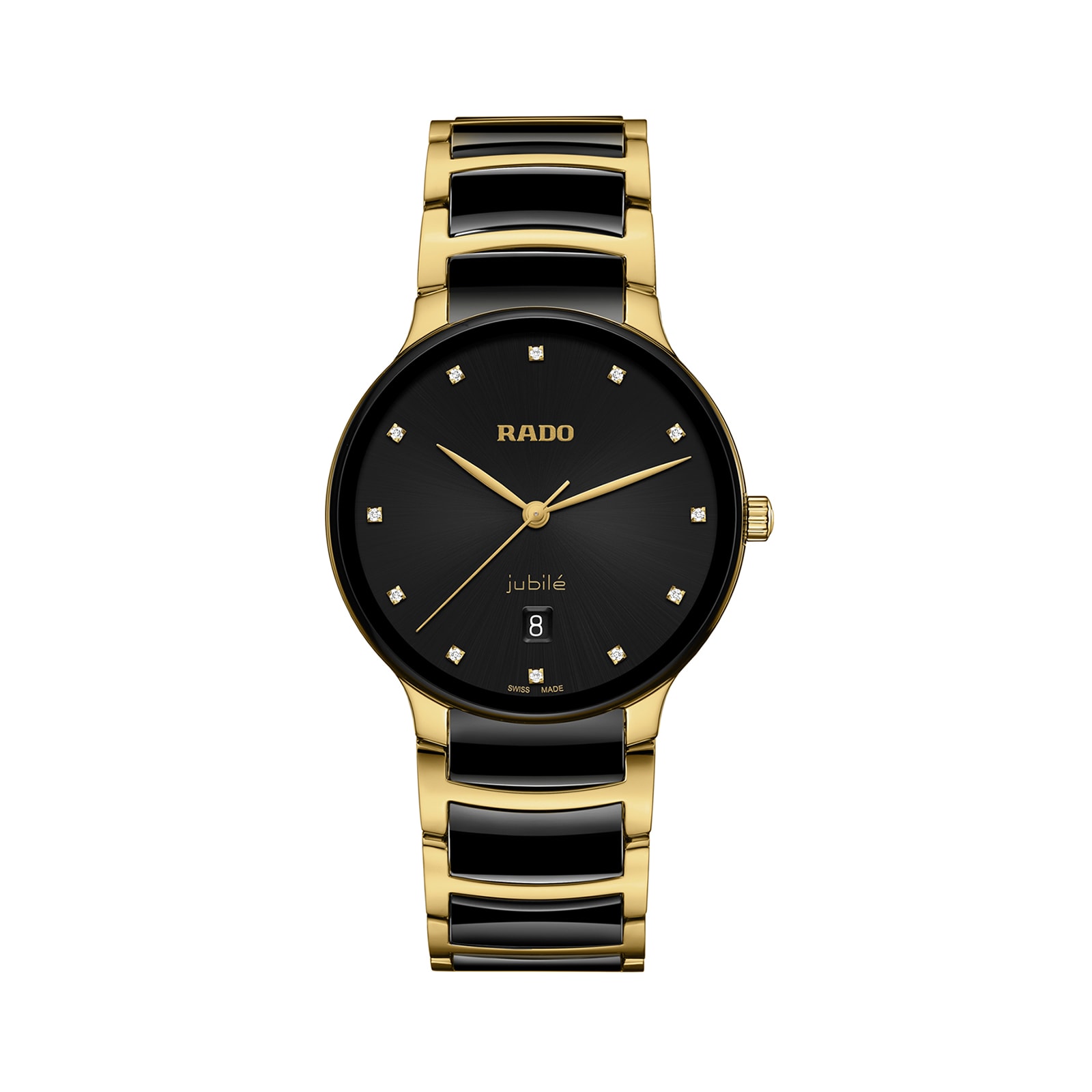
| Specification | SBGX261 | L55125707 | R30022742 |
|---|---|---|---|
| Price | £2,300 | £2,100 | £2,100 |
| Case size | 37mm | 37mm | 39.5mm |
| Water resistance | 100m | 30m | 50m |
| Movement | Quartz | Quartz | Quartz |
| Strap | Stainless steel bracelet | Stainless steel bracelet | Ceramic bracelet |
| This watch |
|
|
Your new watch
Frequently asked questions, and things you should know about this watch
Can I swim with it?
Yes. At 100m it is rated for swimming and snorkelling, though not for diving.
Water resistance explainedWill the glass scratch?
Unlikely. Sapphire is second only to diamond in hardness and shrugs off everyday marking.
Sapphire, mineral and acrylic comparedDoes it need a battery?
Yes. It is quartz, so expect a battery change every two to three years at a jeweller.
Quartz, automatic and solar comparedWhat size strap does it take?
19mm. Any strap of that width will fit, and on most modern watches quick-release bars make the swap a two-minute job with no tools.
Will it fit my wrist?
Lug-to-lug is 44.6mm, which suits wrists from roughly 16cm (6¼ inches) upward.
Lug-to-lug decides fit more than case diameter does.
How to size a watch to your wristIs it a men's or women's watch?
Listed as men's, though at 37mm it sits in the range that suits anyone.
Cheapest place to buy
Mappin & Webb is the only UK retailer we track stocking this reference, so there is nothing to compare it against today.
More Grand Seiko watches like the Heritage
In stock, and close on style and price