Tap the image to enlarge

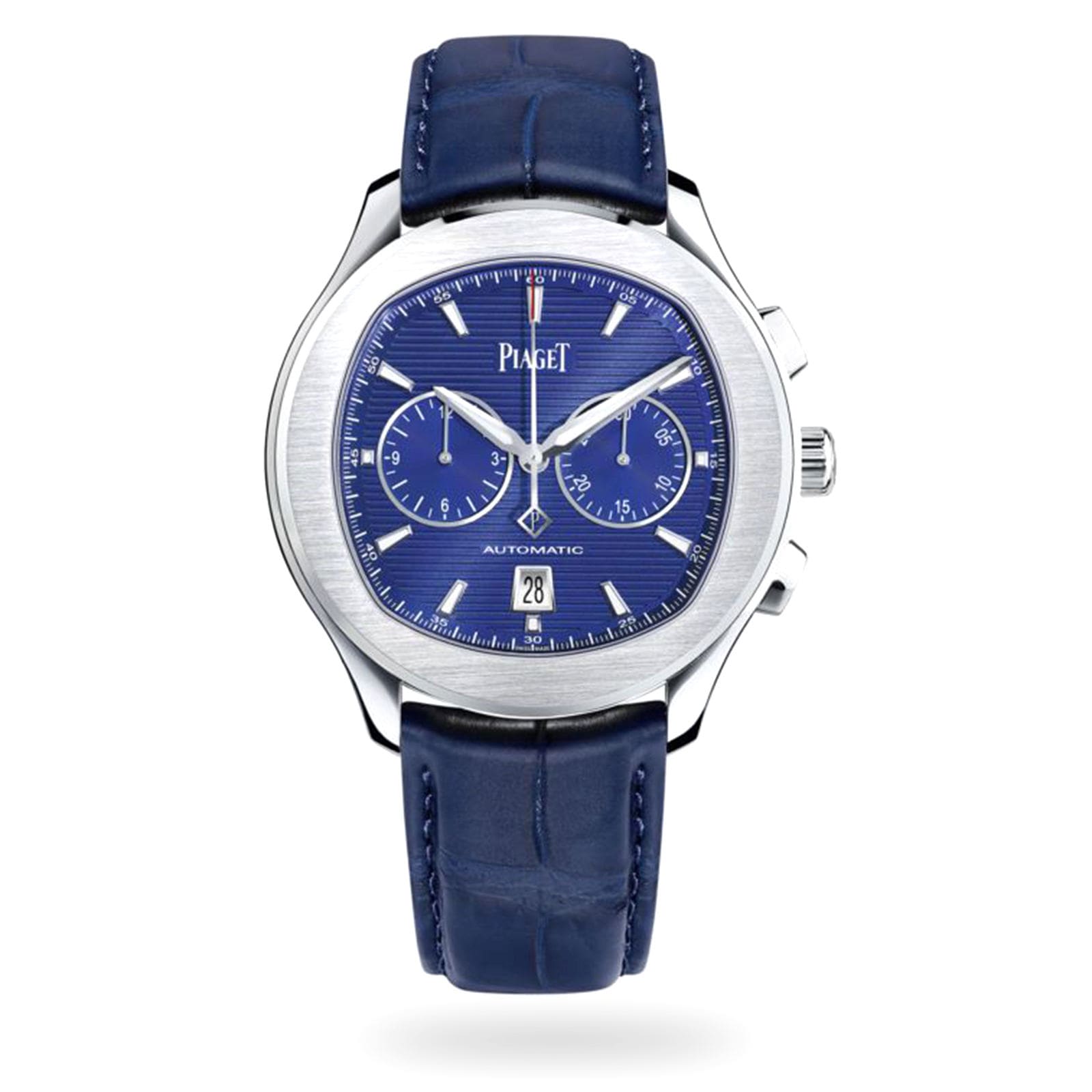
Piaget Polo
Ref. G0A41006
See more premium optionsHide
Stepping up in Piaget's range
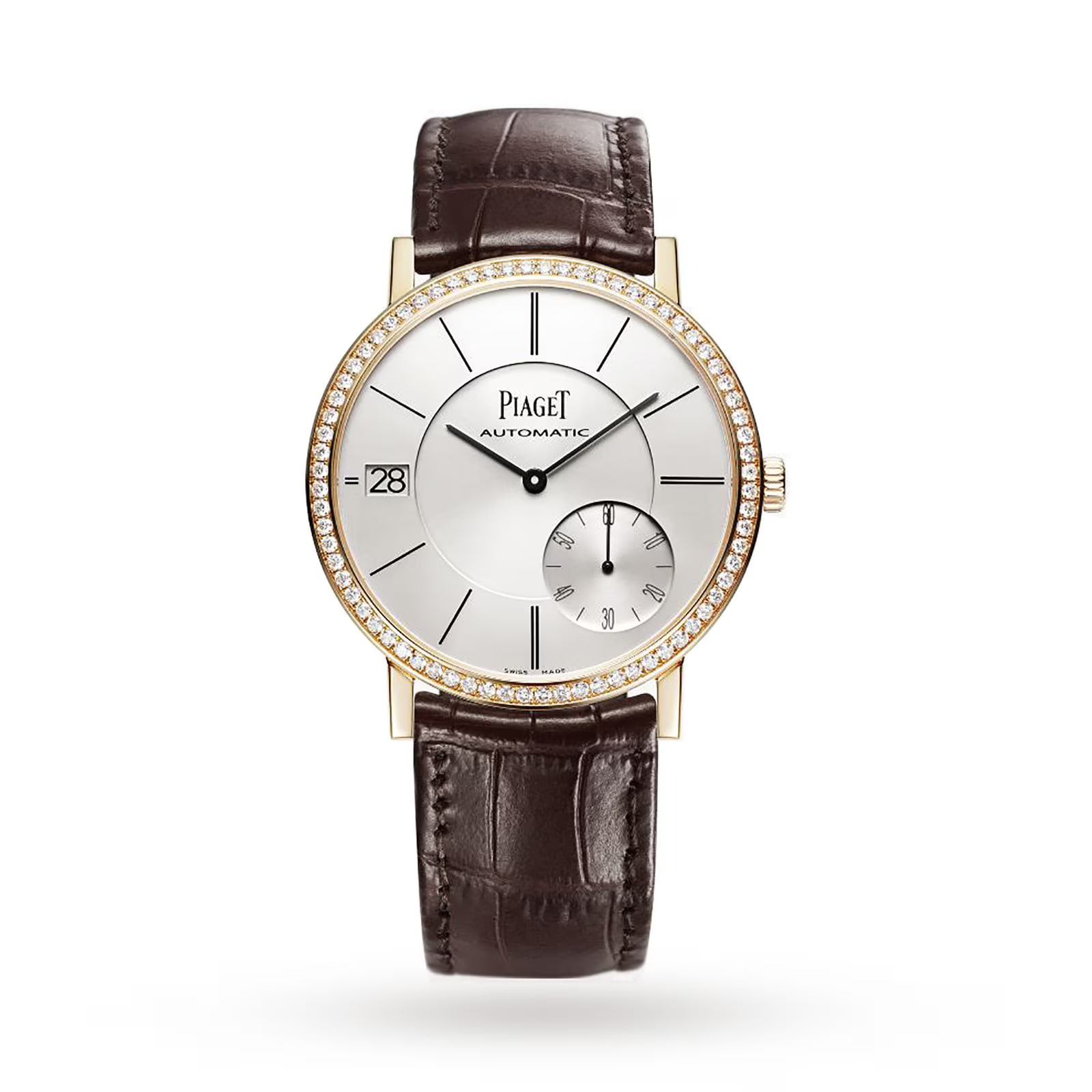

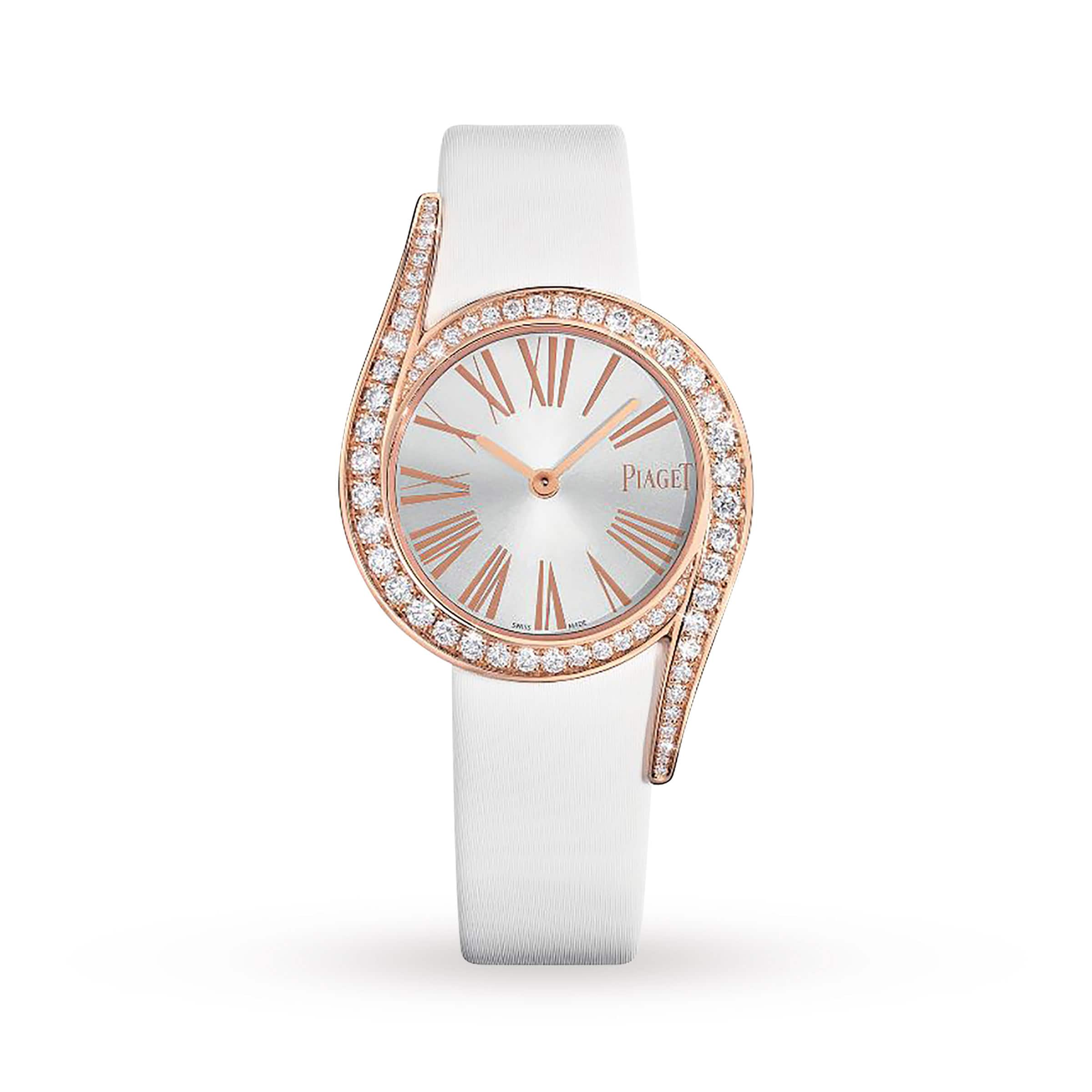
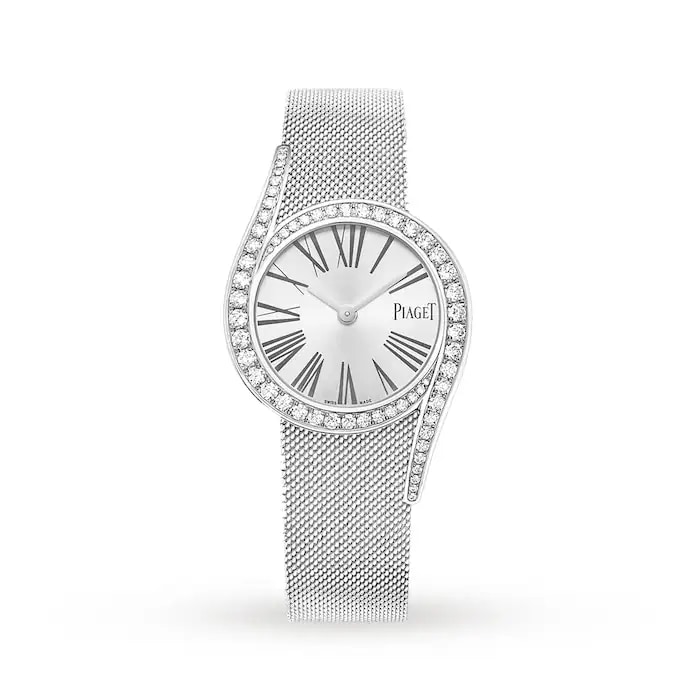
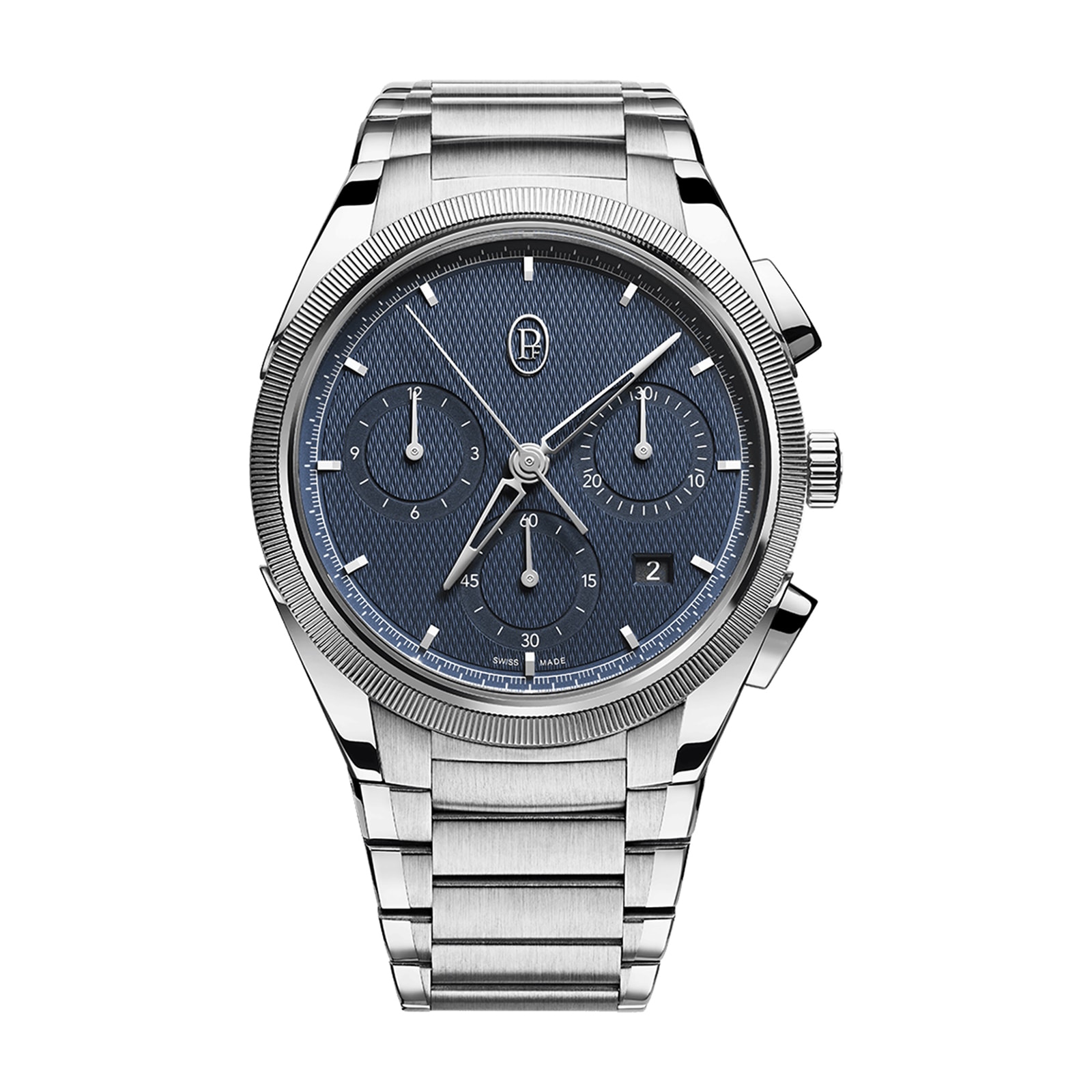
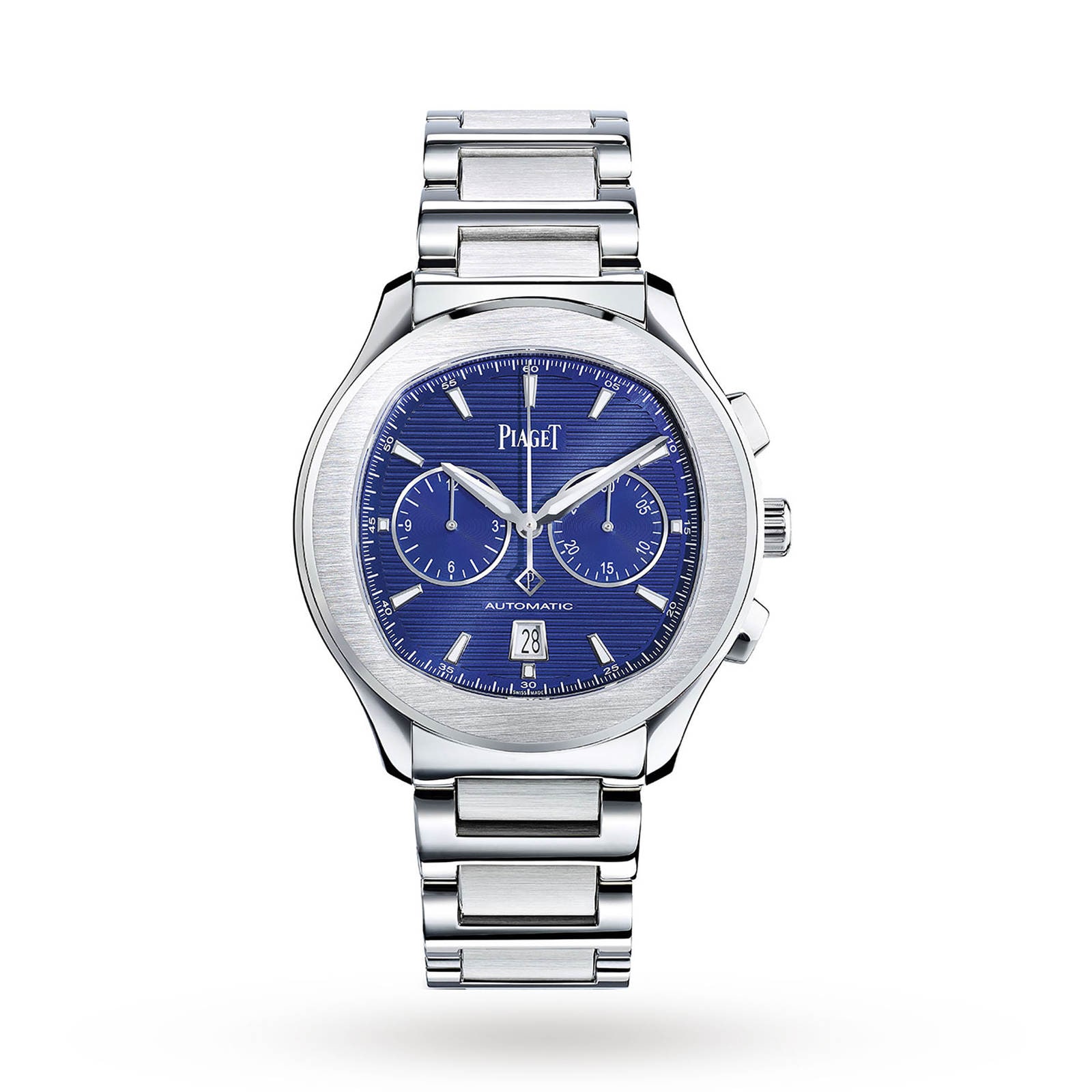
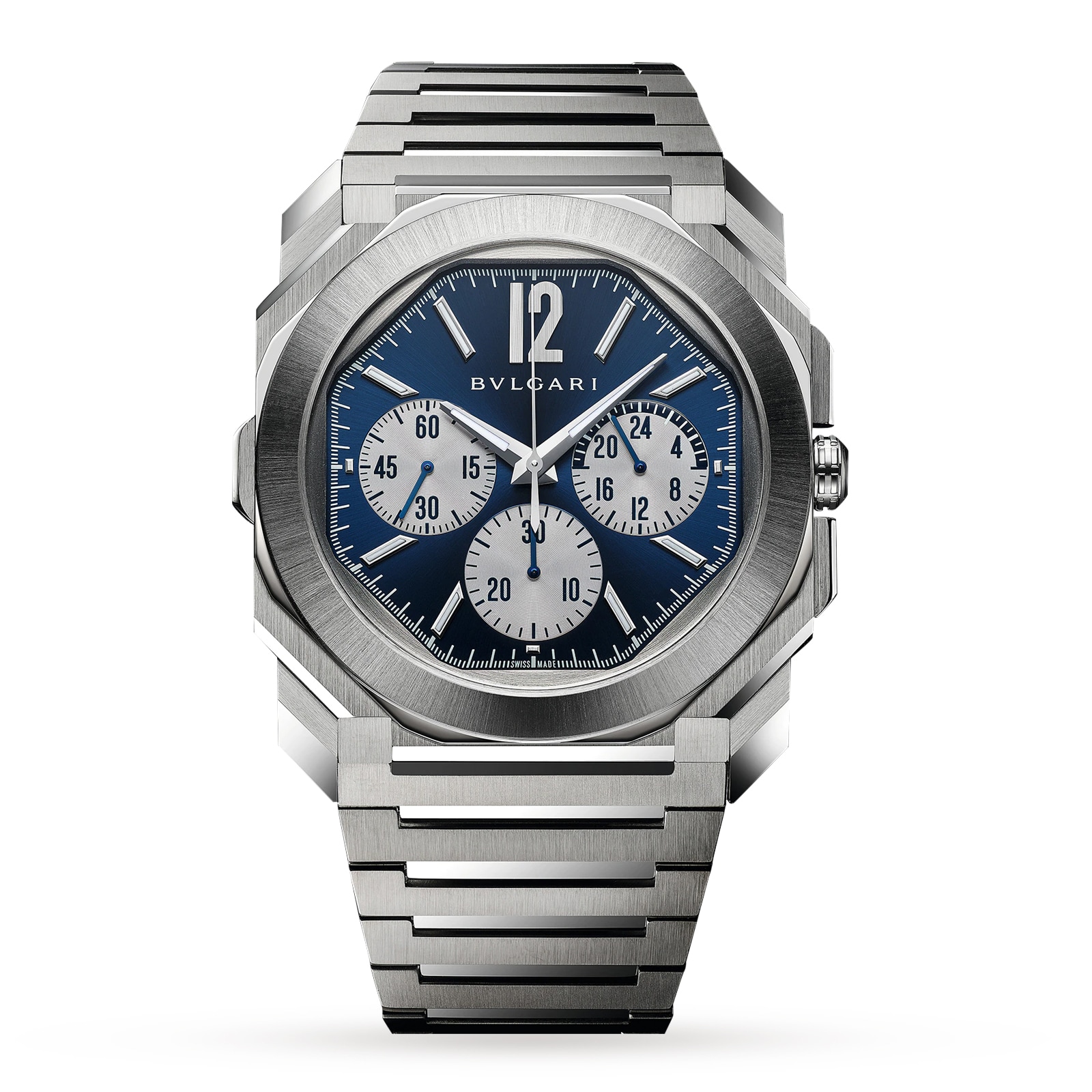
The Polo name goes back to 1979, when Piaget built a sports watch around the idea that a chronograph could be genuinely thin — something the brand had earned the right to claim through decades of ultra-flat movement manufacture. The Polo S continues that argument: the 1160P driving this piece is an integrated column-wheel chronograph built entirely in-house, running at 28,800 vph with a 50-hour reserve and an anthracite rotor engraved with the Piaget coat of arms. At 11.2mm thick for a full chronograph, it makes a case the table cannot — that serious complications and a low profile are not mutually exclusive. The dial is where the design thinking shows most clearly. Inside the round case sits a cushion-shaped chapter ring with horizontal guilloché, so the watch presents two geometries at once — a visual device that keeps the blue dial from reading as flat or simple. On the wrist, 42mm across at 46.9mm lug to lug sits squarely in the mainstream of modern sports watches, and the bracelet, alternating between polished and satin-brushed links, follows the integrated style that has become the reference for this category.
- Reference
- G0A41006
- Brand
- Piaget
- Collection
- Polo S
- Case size
- 42mm
- Case thickness
- 11.2mm
- Case material
- Stainless steel
- Case shape
- Round
- Dial
- Blue
- Crystal
- Sapphire
- Movement
- Automatic
- Calibre
- 1160P
- Functions
- Chronograph, Date
- Water resistance
- 100m
- Bracelet / strap
- Stainless steel bracelet
- Strap colour
- Silver
- Clasp
- Folding clasp
- Lume
- Luminous
- Retailer
- Mappin & Webb
Additional specifications
- Lug-to-lug
- 46.9mm
- Power reserve
- 50 hours
- Warranty
- 2 years
Learn more about Piaget
Georges Piaget set up a workshop on the family farm in La Côte-aux-Fées in 1874, producing movements for other houses. The name did not appear on dials until 1943, and the decision that defined the company came a decade later.
In 1957 Piaget released the calibre 9P, a hand-wound movement two millimetres thick. The 12P automatic followed in 1960 at 2.3mm, then the thinnest automatic in the world. Thinness became the house obsession and its competitive territory, pursued through decades of records and continuing in the Altiplano line — including complete watches, case and all, under four millimetres.
Extreme thinness forced Piaget into a distinctive aesthetic. There was no room for conventional dials, so the company used hardstone: lapis, opal, turquoise, tiger's eye. The 1960s and 70s cuff watches, with woven gold bracelets and gem-set bezels, made Piaget as much a jeweller as a watchmaker, and the Polo of 1979 gave it an integrated gold sports watch of its own.
The company remained family-run until 1988, when it was acquired by Cartier — later folded into Richemont — and it continues to manufacture ultra-thin calibres at La Côte-aux-Fées while assembling and gem-setting in Geneva.
- 1874
- Georges Piaget founds the workshop at La Côte-aux-Fées.
- 1943
- The Piaget name is registered as a brand.
- 1957
- The 9P sets an ultra-thin benchmark at 2mm.
- 1960
- The 12P becomes the thinnest automatic movement.
- 1979
- The Polo launches.
- 1988
- Acquired by Cartier, later Richemont.
Also in 5 collections
This watch appears in Back in Stock (4,528), Stainless Steel Watches (3,001), Automatic Watches (1,693), Chronograph Watches (1,151) and Blue Dial Watches (822).
Temporarily out of stock
Mappin & Webb is not currently taking orders for this reference. Last listed as available on 21 October 2026. Stock is checked nightly and this page updates when it returns.
What the specifications mean
A mechanical watch for everyday wear.
Strengths
- 100m water resistance covers swimming and watersports
- 46.9mm lug-to-lug keeps the 42mm case wearable
- Sapphire crystal, which resists scratching
- Luminous hands and markers for low light
- Sits in the lower half of Piaget's range as we list it
Piaget Polo alternatives
Watches from other brands at a similar price, style and size, so you can see what else your budget can buy.
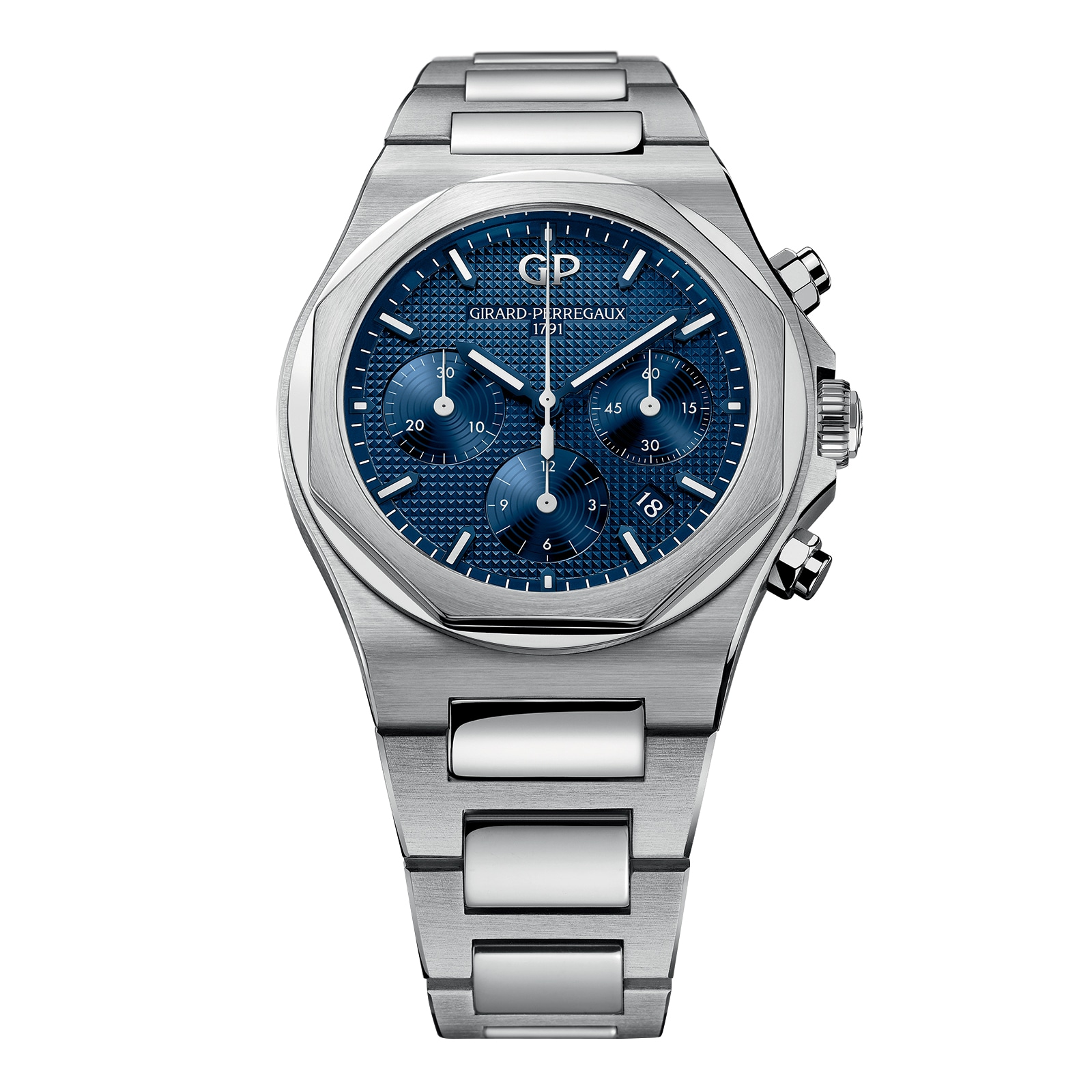
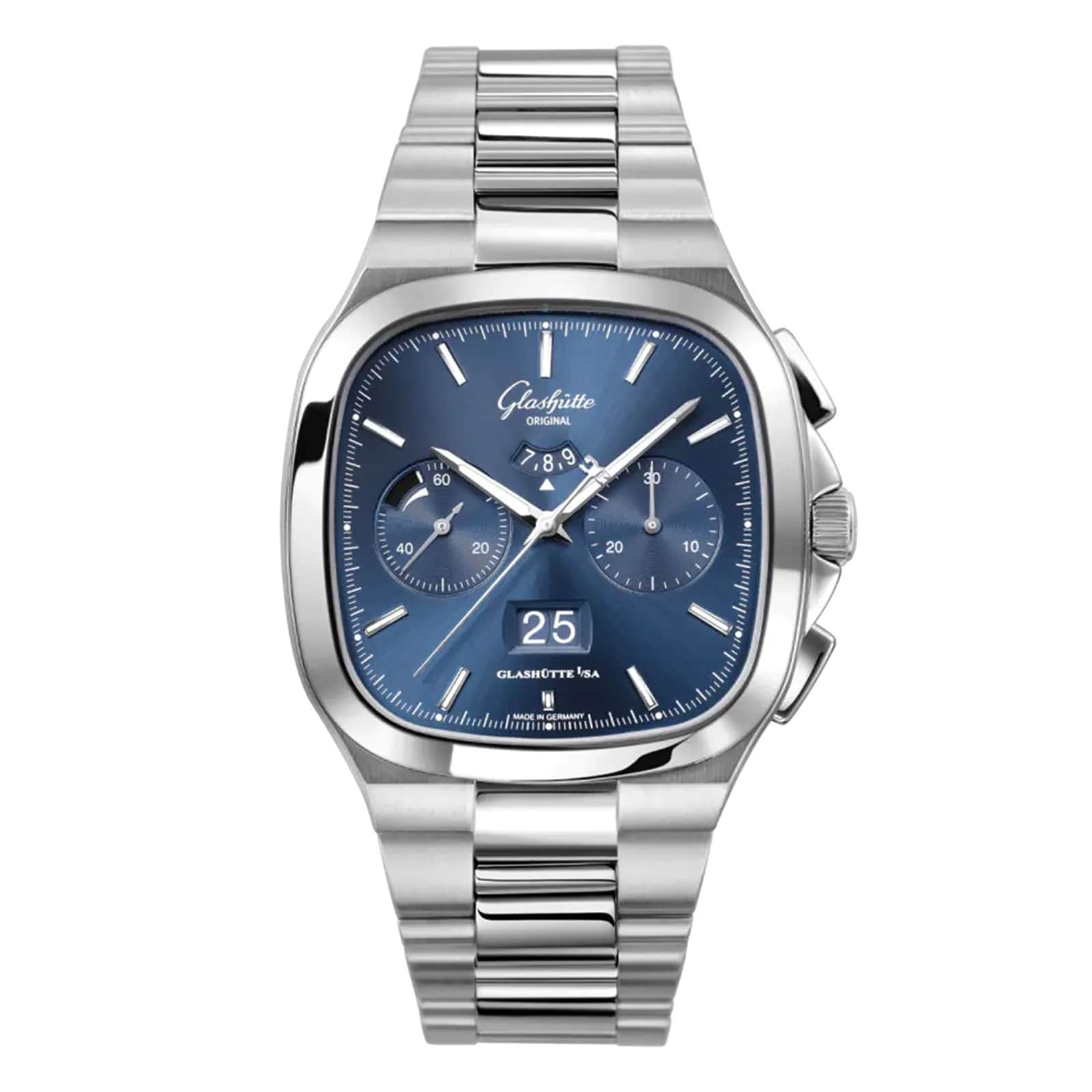
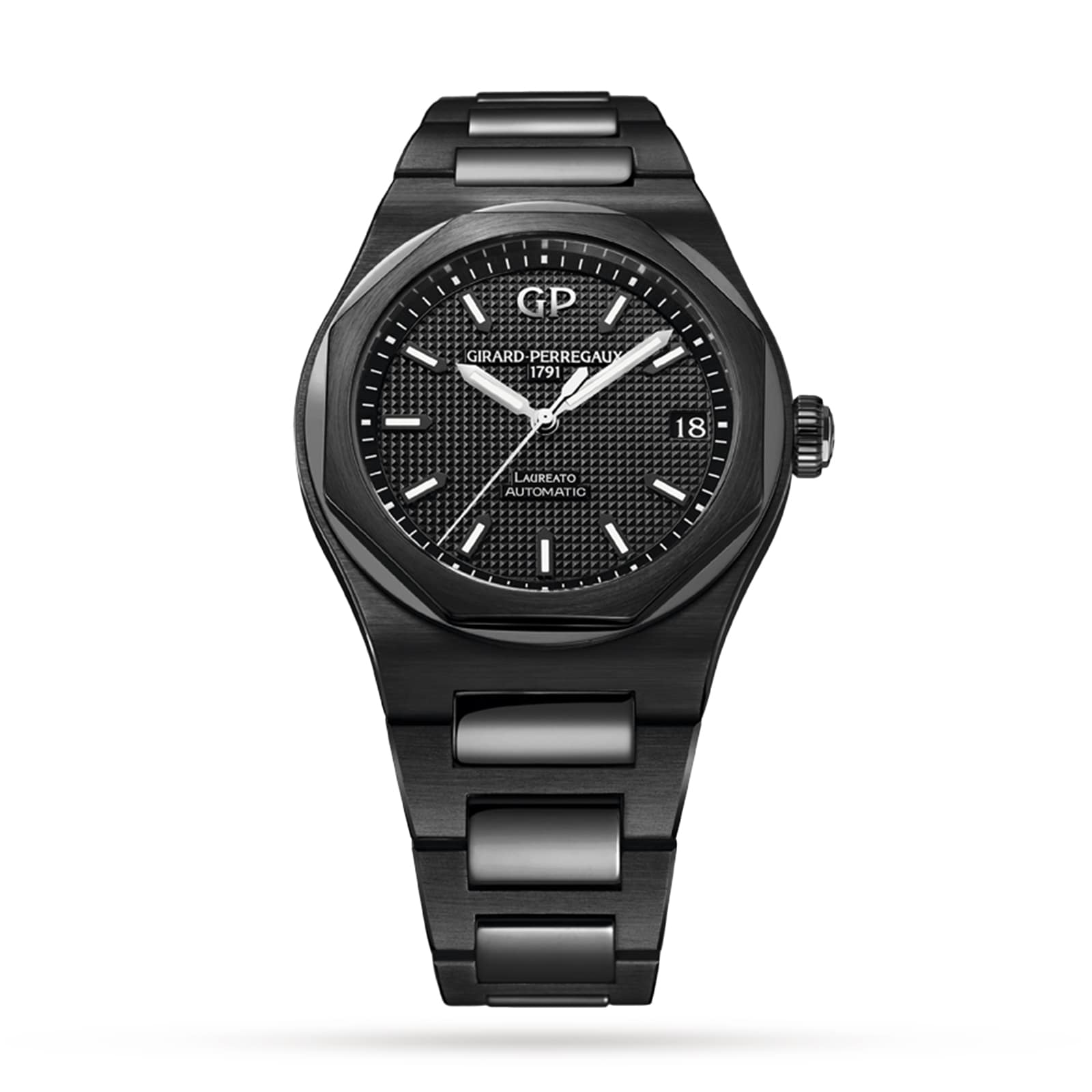
| Specification | G0A41006 | 81010-32-631-32A | 103467 |
|---|---|---|---|
| Price | £18,100 | £17,500 | £16,400 |
| Case size | 42mm | 42mm | 43mm |
| Water resistance | 100m | 100m | 100m |
| Movement | Automatic | Automatic | Automatic |
| Strap | Stainless steel bracelet | Ceramic bracelet | Stainless steel bracelet |
| Power reserve | 50 hours | 54 hours | 55 hours |
| This watch | Closely matched | Closely matched |
Your new watch
Frequently asked questions, and things you should know about this watch
Can I swim with it?
Yes. At 100m it is rated for swimming and snorkelling, though not for diving.
Water resistance explainedWill the glass scratch?
Unlikely. Sapphire is second only to diamond in hardness and shrugs off everyday marking.
Sapphire, mineral and acrylic comparedDoes it need a battery?
No. It is automatic — the motion of your wrist winds it, and there is no cell to replace.
Quartz, automatic and solar comparedHow long does it run for when it's not worn?
About 50 hours fully wound — enough to survive a night off the wrist, but not a full weekend.
Will it fit my wrist?
Lug-to-lug is 46.9mm, which suits wrists from roughly 16cm (6¼ inches) upward.
Lug-to-lug decides fit more than case diameter does.
How to size a watch to your wristIs it a men's or women's watch?
Listed as men's.
More Piaget watches like the Polo
In stock, and close on style and price