
Brand
Omega
Est. 1848 · Biel/Bienne, Switzerland
Pioneering timepieces worn on the moon and by secret agents alike, blending heritage with innovation.
Half cost less than £13,558, and a quarter less than £10,000.
Learn more about OmegaShow less
Louis Brandt began assembling pocket watches in La Chaux-de-Fonds in 1848. His sons moved production to Biel in 1880 and, in 1894, released a calibre whose parts were fully interchangeable and which could be serviced by any watchmaker with standard tools. They named it Omega. The movement was successful enough that the company took its name.
Omega's history is bound up with measurement in public. It became official timekeeper of the Olympic Games in 1932 and has held the role for most Games since, which drove genuine engineering: photo-finish cameras, touchpads in swimming pools, and the timing systems that made hundredths of a second meaningful.
NASA qualified the Speedmaster for manned spaceflight in 1965 after testing chronographs from several manufacturers to destruction, and it was on Buzz Aldrin's wrist on the lunar surface in 1969. The watch has never been substantially redesigned.
The Seamaster line dates to 1948 and covers everything from dress watches to saturation diving instruments. Omega's technical position strengthened considerably after 1999 with the adoption of George Daniels' co-axial escapement, the first genuinely new escapement to reach series production in two centuries, and more recently through Master Chronometer certification testing resistance to magnetic fields at 15,000 gauss.
The company has been part of the Swatch Group since its formation.
Omega holds 12 models, from £6,950 to £33,000. Half cost less than £13,558, and a quarter less than £10,000. 8 of 12 are automatic. 7 are stocked by more than one retailer, giving 20 offers in total. Prices are checked nightly against the retailers’ own feeds.
- 1848
- Louis Brandt starts assembling watches in La Chaux-de-Fonds.
- 1894
- The Omega calibre gives the company its name.
- 1932
- Becomes official timekeeper of the Olympic Games.
- 1948
- The Seamaster line is introduced.
- 1965
- NASA qualifies the Speedmaster for manned spaceflight.
- 1999
- The co-axial escapement enters series production.
18 watches

Omega
Constellation 39mm Yellow Gold Automatic Mens Watch
£33,000
Omega
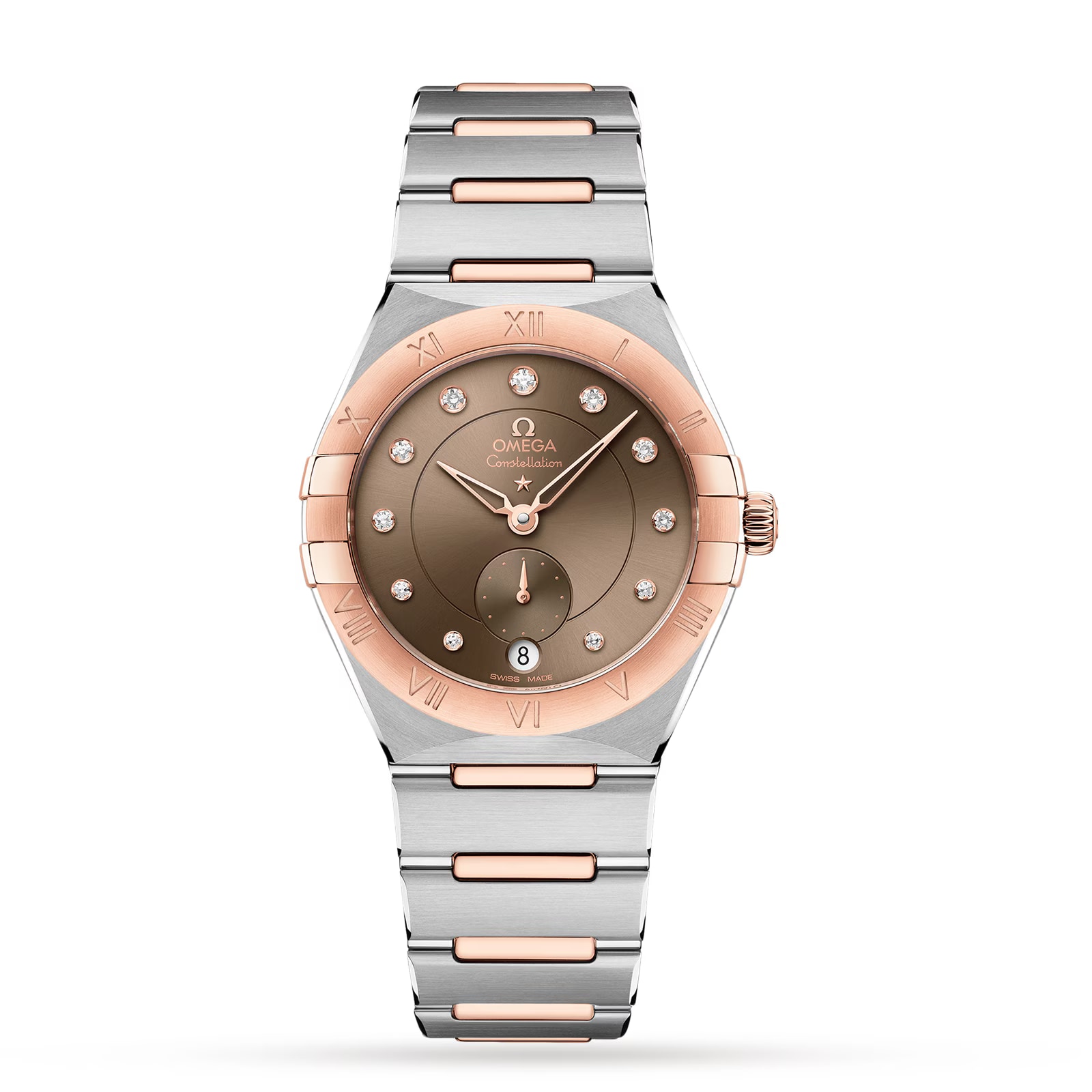
Constellation Co-Axial Master Chronometer Small Seconds 34mm Automatic Ladies Watch
£9,850

Omega
Dark Side Of The Moon Co-Axail Chronograph Pitch Black 44.25mm Automatic Mens Watch
£10,050
Omega
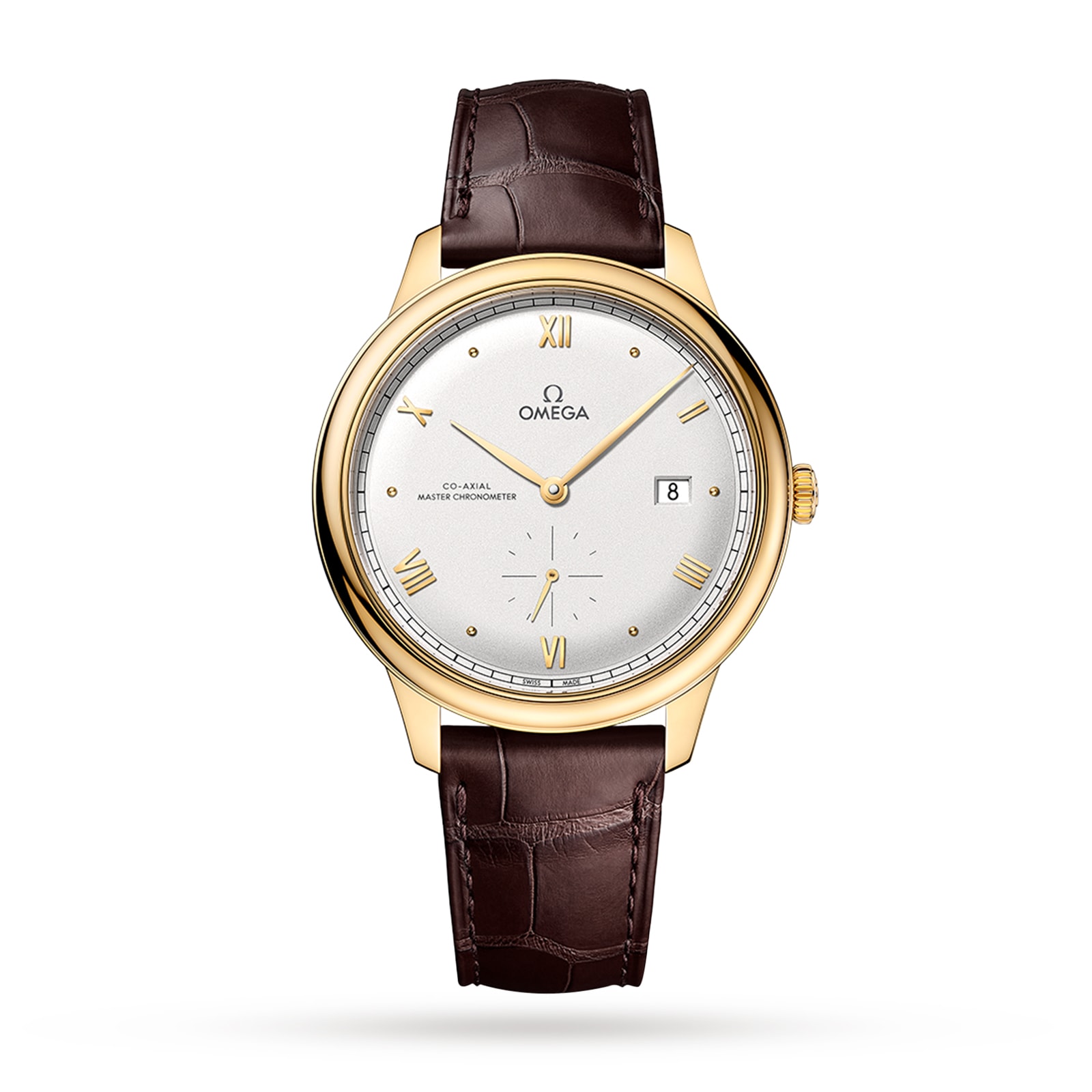
De Ville Co-Axial Master Chronometer 41mm Mens Watch Silver
£13,800

Omega
De Ville Mini Trésor Quartz 26mm - Moonshine™ Gold Ladies Watch
£23,900
Omega
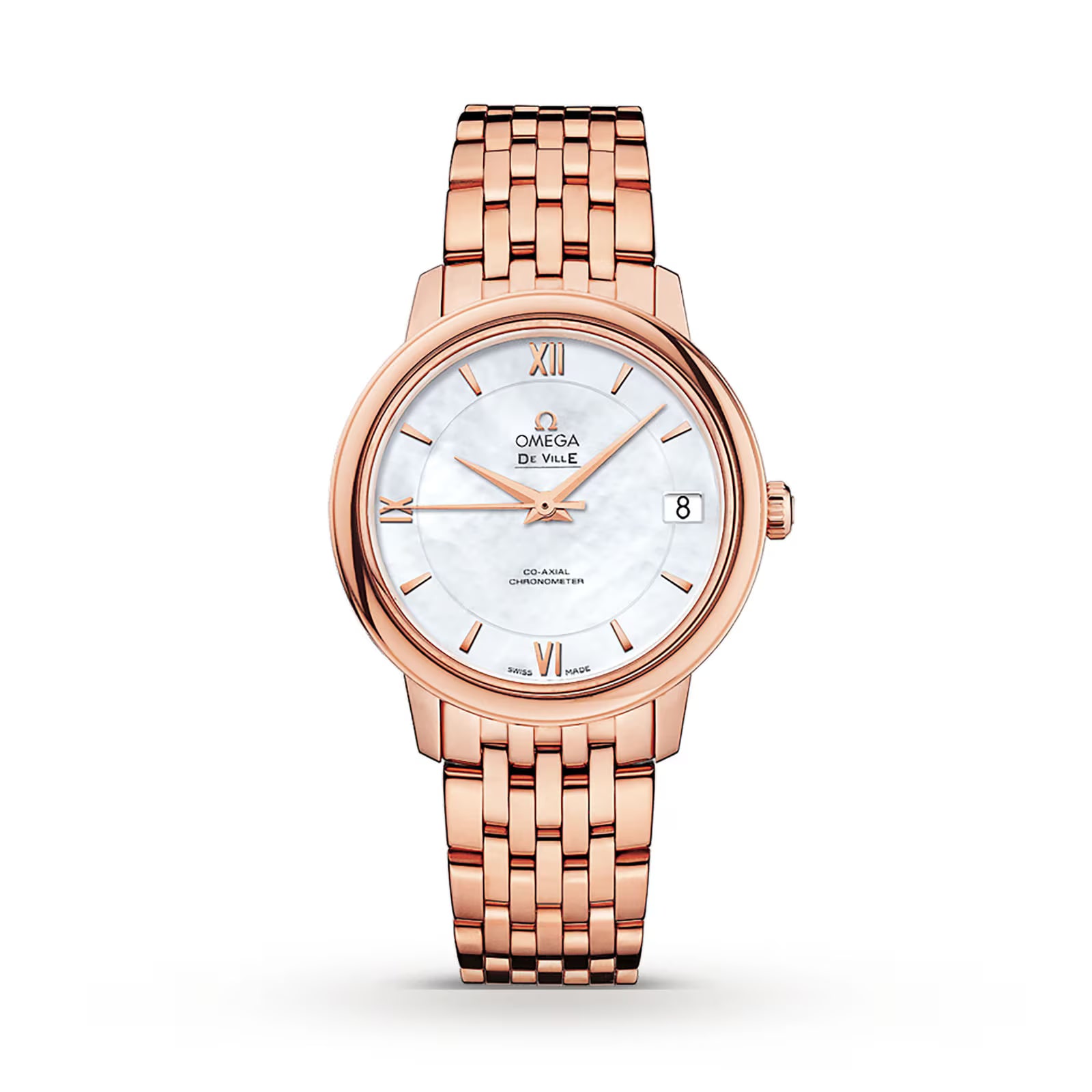
De Ville Prestige Co-Axial 32.7mm Automatic Ladies Watch
£13,615

Omega
Seamaster 300 Co-Axial Chronometer 41mm Automatic Mens Watch
£10,700

Omega
Seamaster Aqua Terra 150M Co Axial Master Chronometer Small Seconds 38mm Ladies Watch
£24,500

Omega
Seamaster Aqua Terra 150M Co-Axial Master Chronometer 41mm Beijing 2022 Automatic Ladies Watch
£14,500

Omega
Seamaster Bullhead 1960s 43mm Stainless Steel
£9,000
Omega
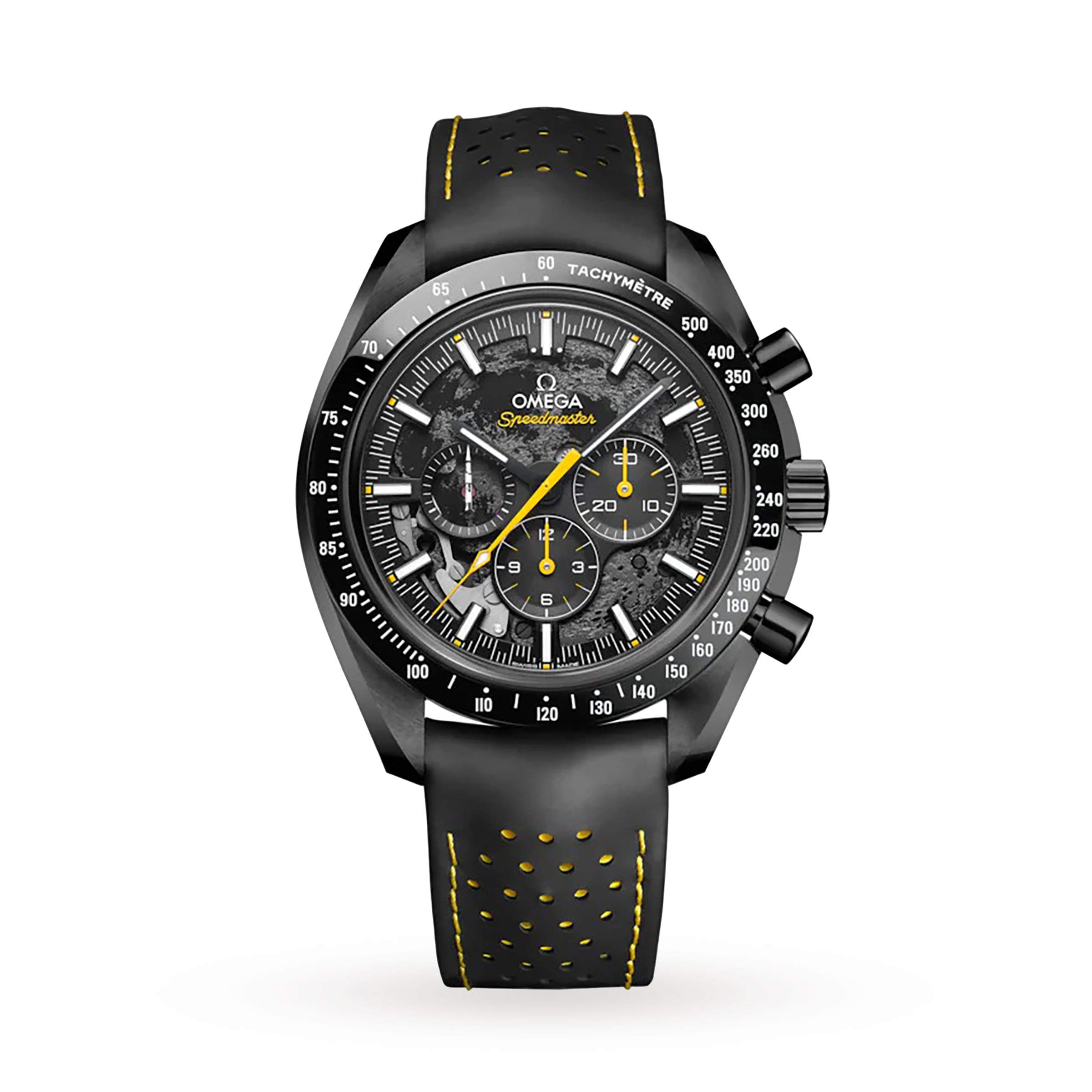
Speedmaster Moonwatch Apollo 8 Dark Side Of The Moon 44.25mm Mens Watch
£13,500
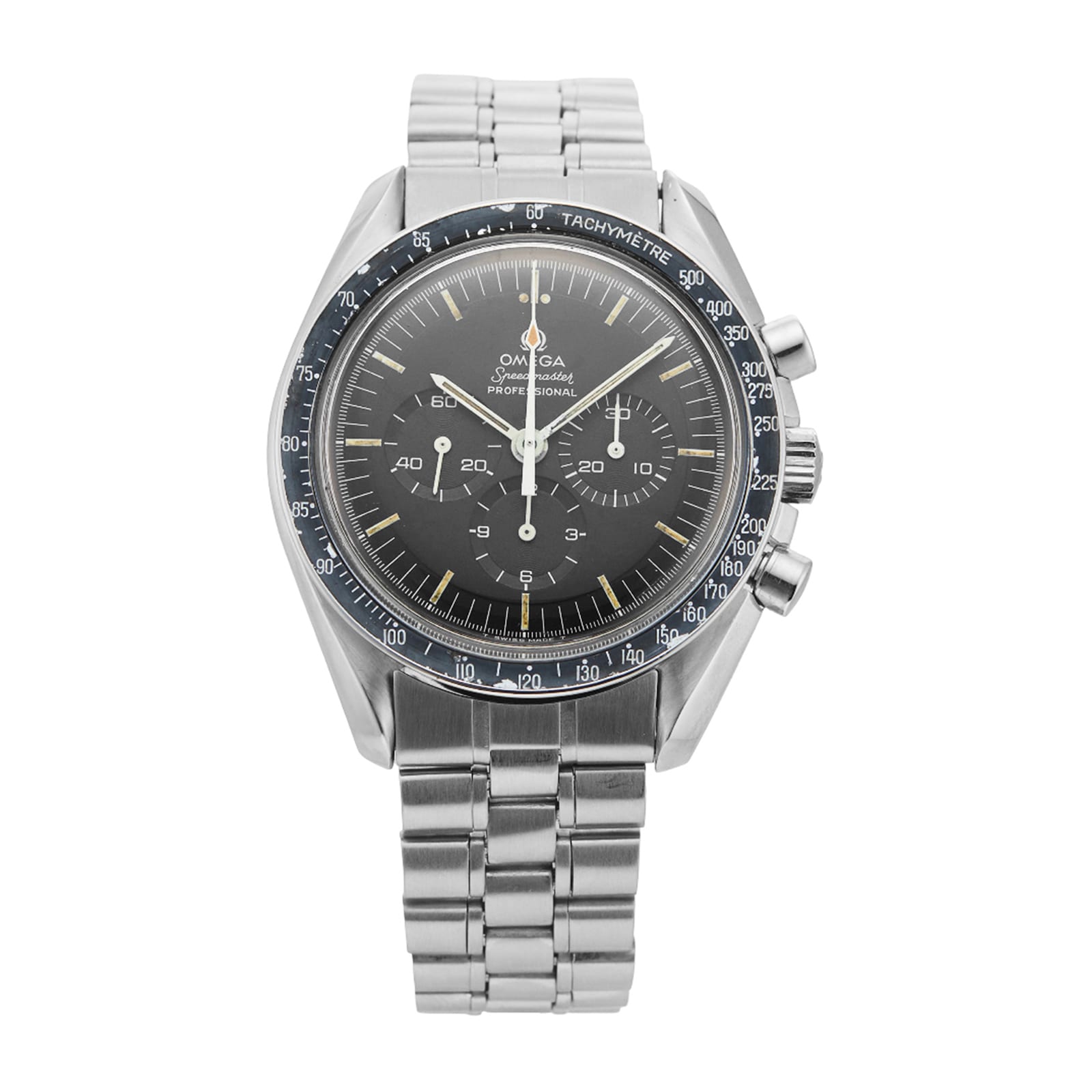
Omega
Speedmaster Professional Moonwatch 42mm Stainless Steel
£6,950

Omega
De Ville Prestige 30mm Quartz Ladies Watch Mother Of Pearl
£2,495
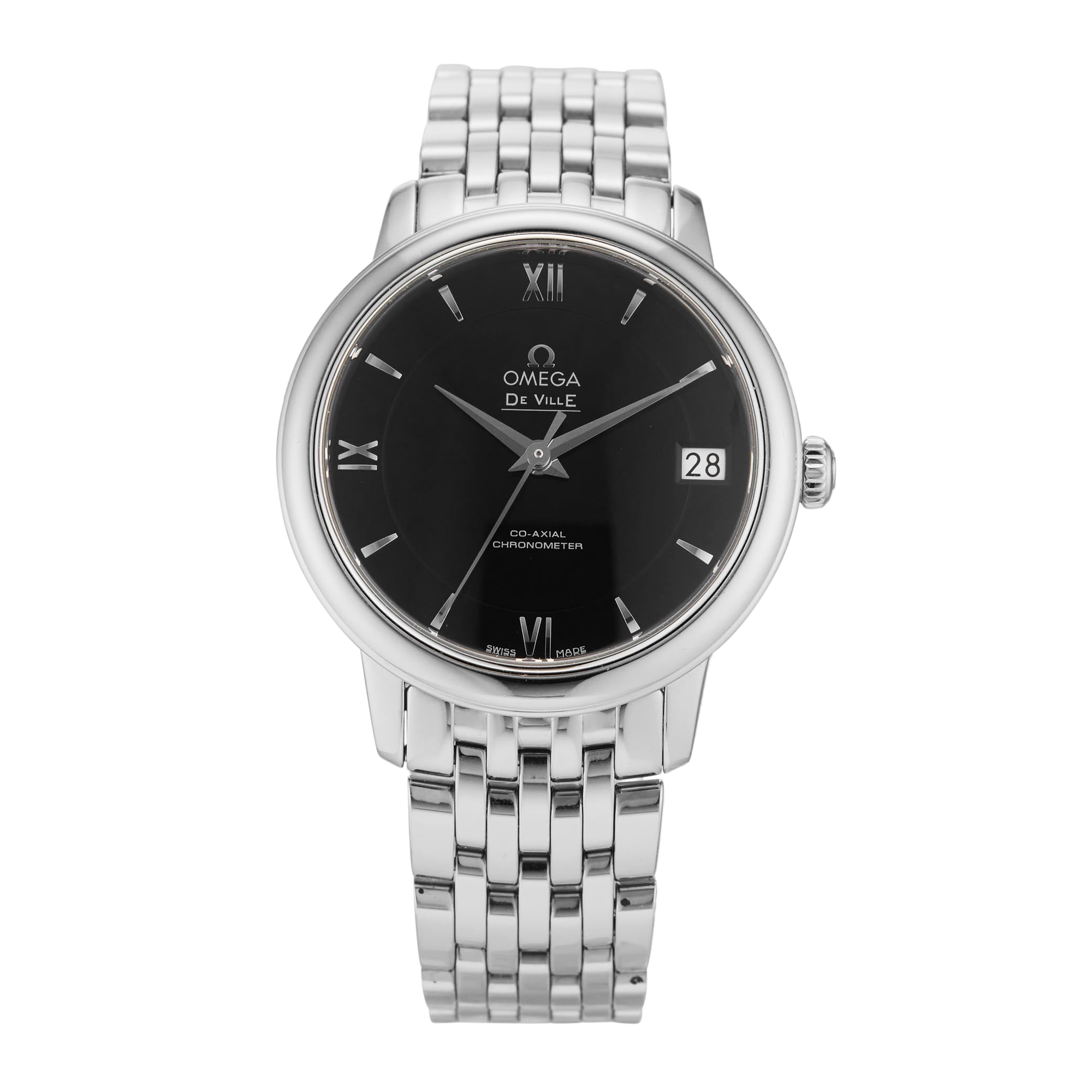
Omega
De Ville Prestige 32.7mm Stainless Steel
£2,450
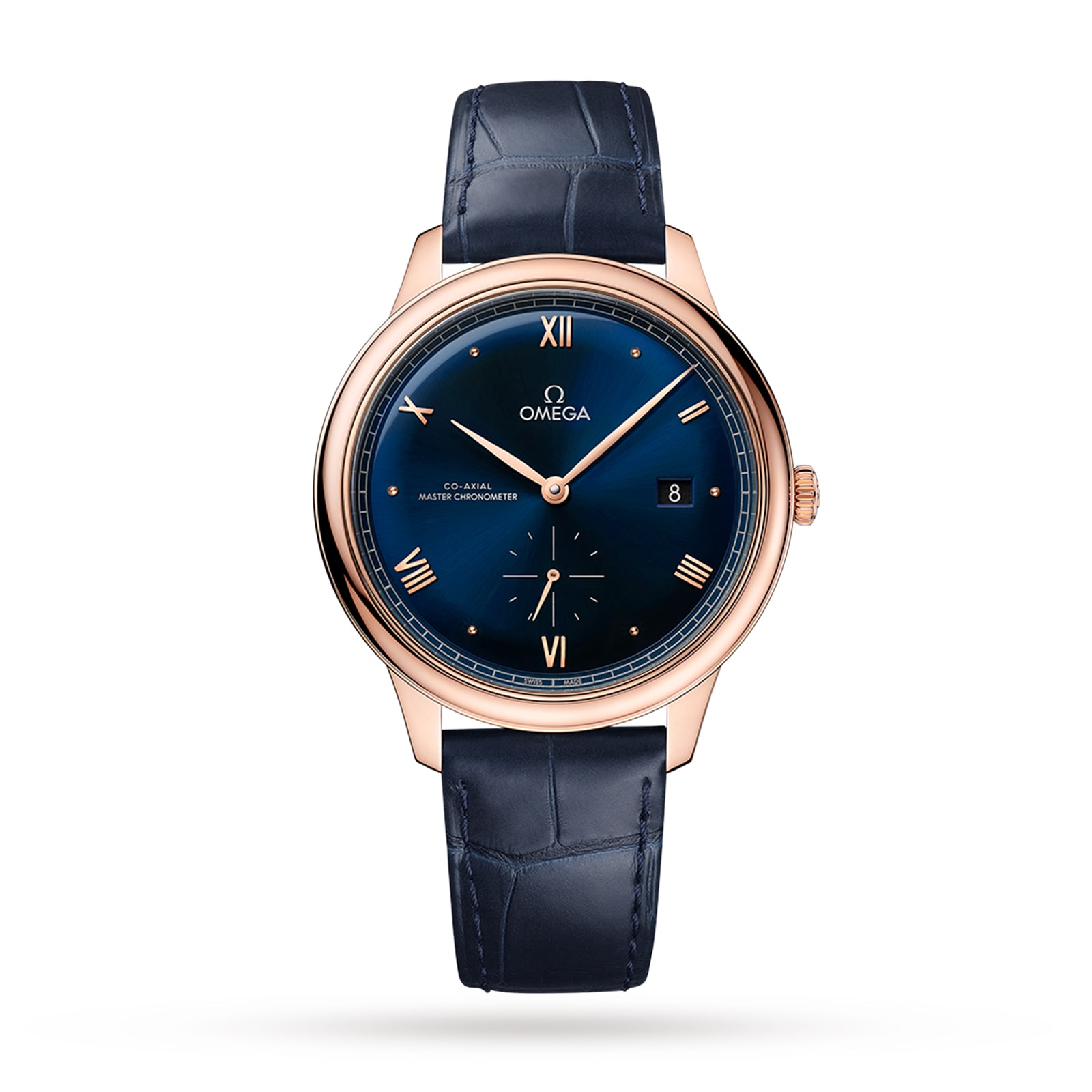
Omega
De Ville Prestige Co-Axial Master Chronometer Small Seconds 41mm Mens Watch Blue
£13,800

Omega
Seamaster Aqua Terra 30mm Stainless Steel
£2,150
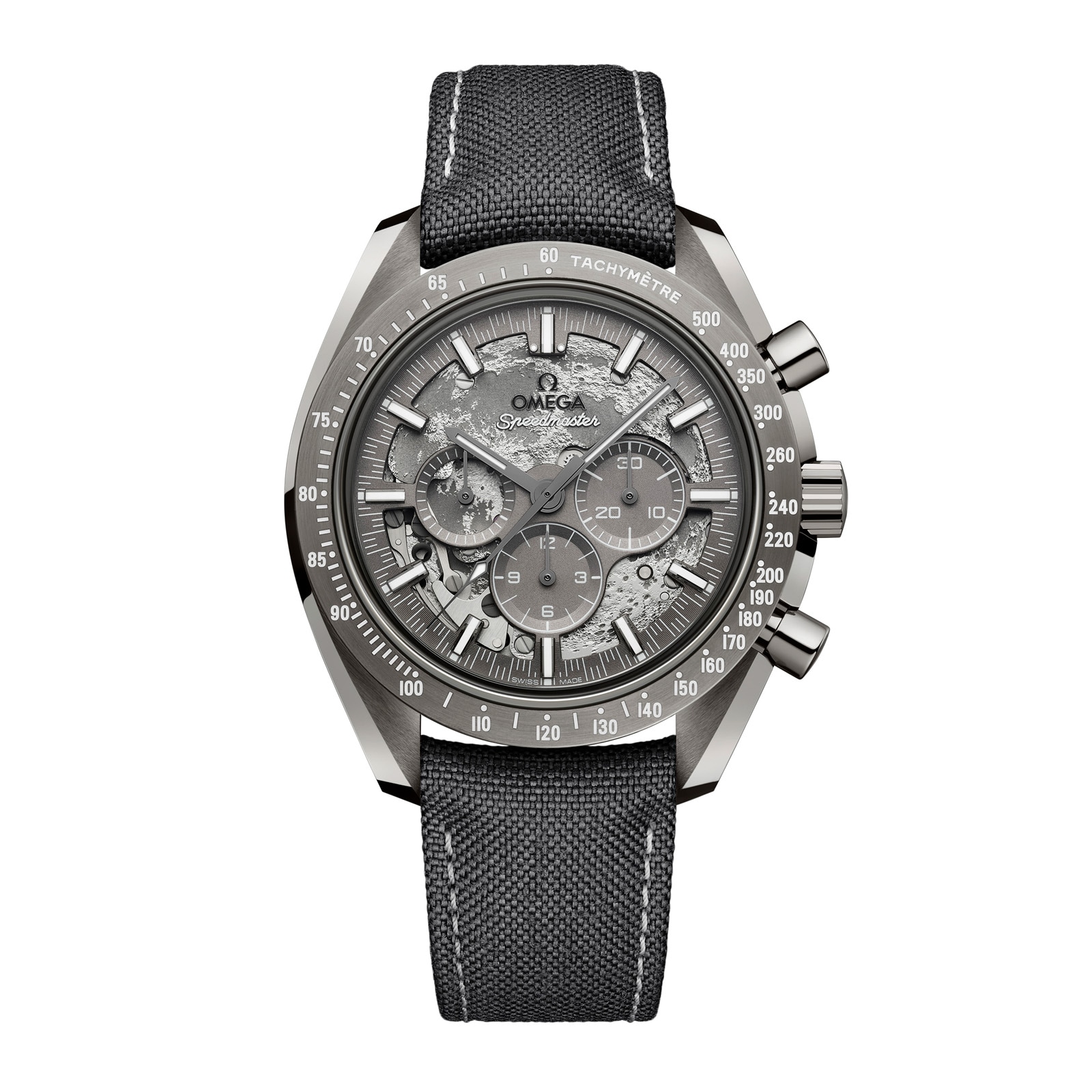
Omega
Speedmaster Dark Side Of The Moon 44.2mm Mens Watch Grey
£13,800
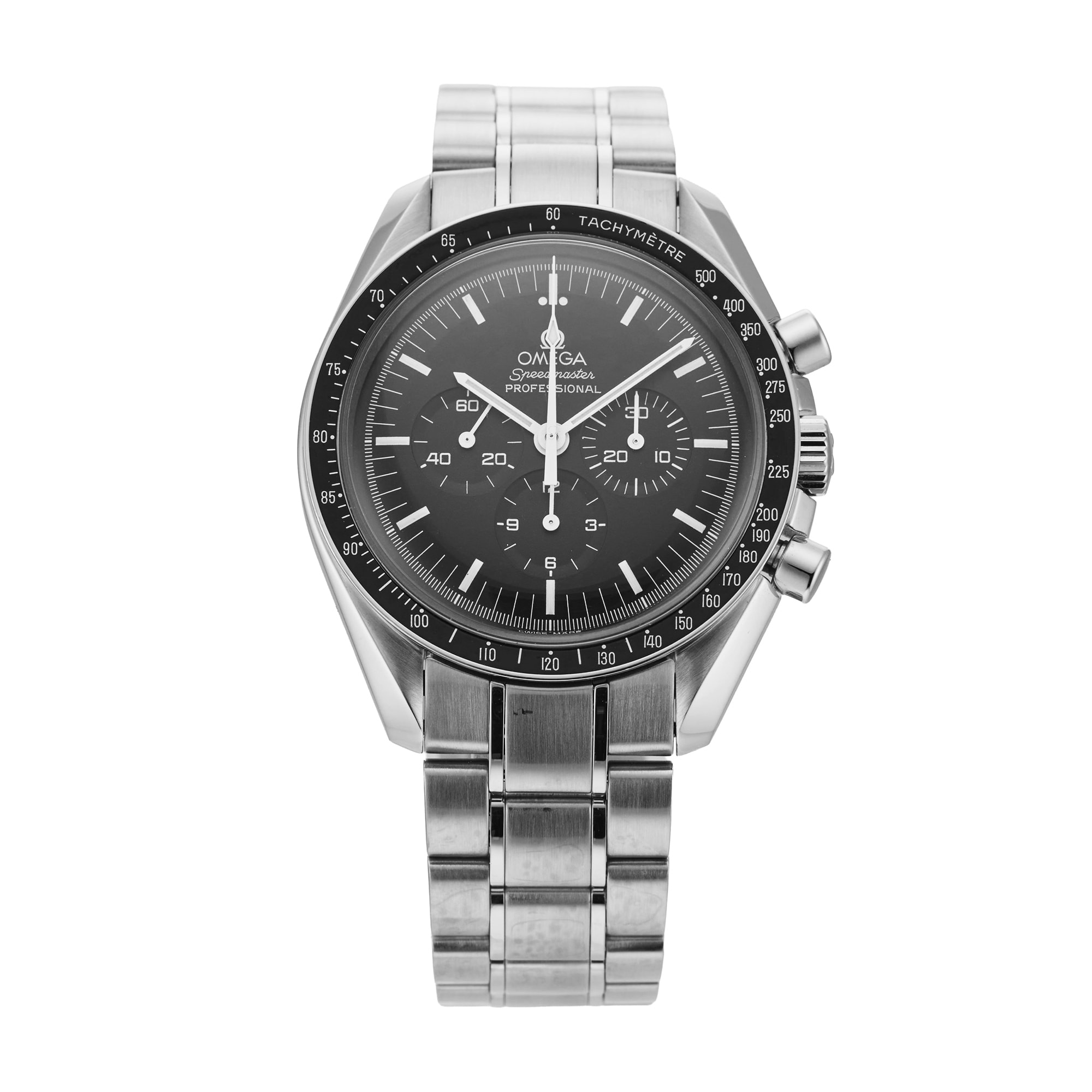
Omega
Speedmaster Professional Moonwatch 42mm Stainless Steel
£4,850