Tap the image to enlarge

Omega Seamaster Bullhead 1960s 43mm Stainless Steel
Ref. 146.001HG
See more premium optionsHide
Stepping up in Omega's range
 Seamaster 300 Co-Axial Chronometer 41mm Automatic Mens Watch£10,700
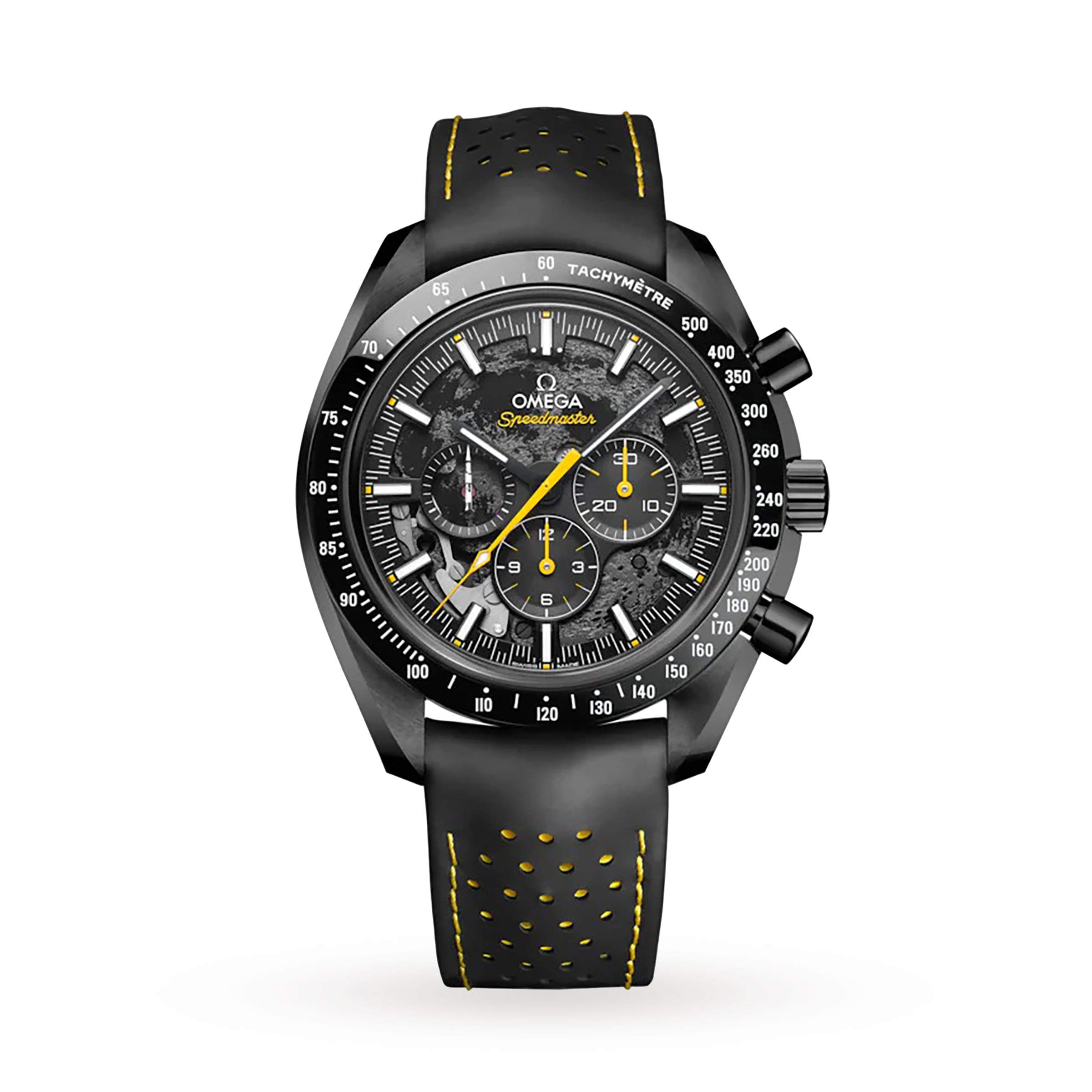 Speedmaster Moonwatch Apollo 8 Dark Side Of The Moon 44.25mm Mens Watch£13,500
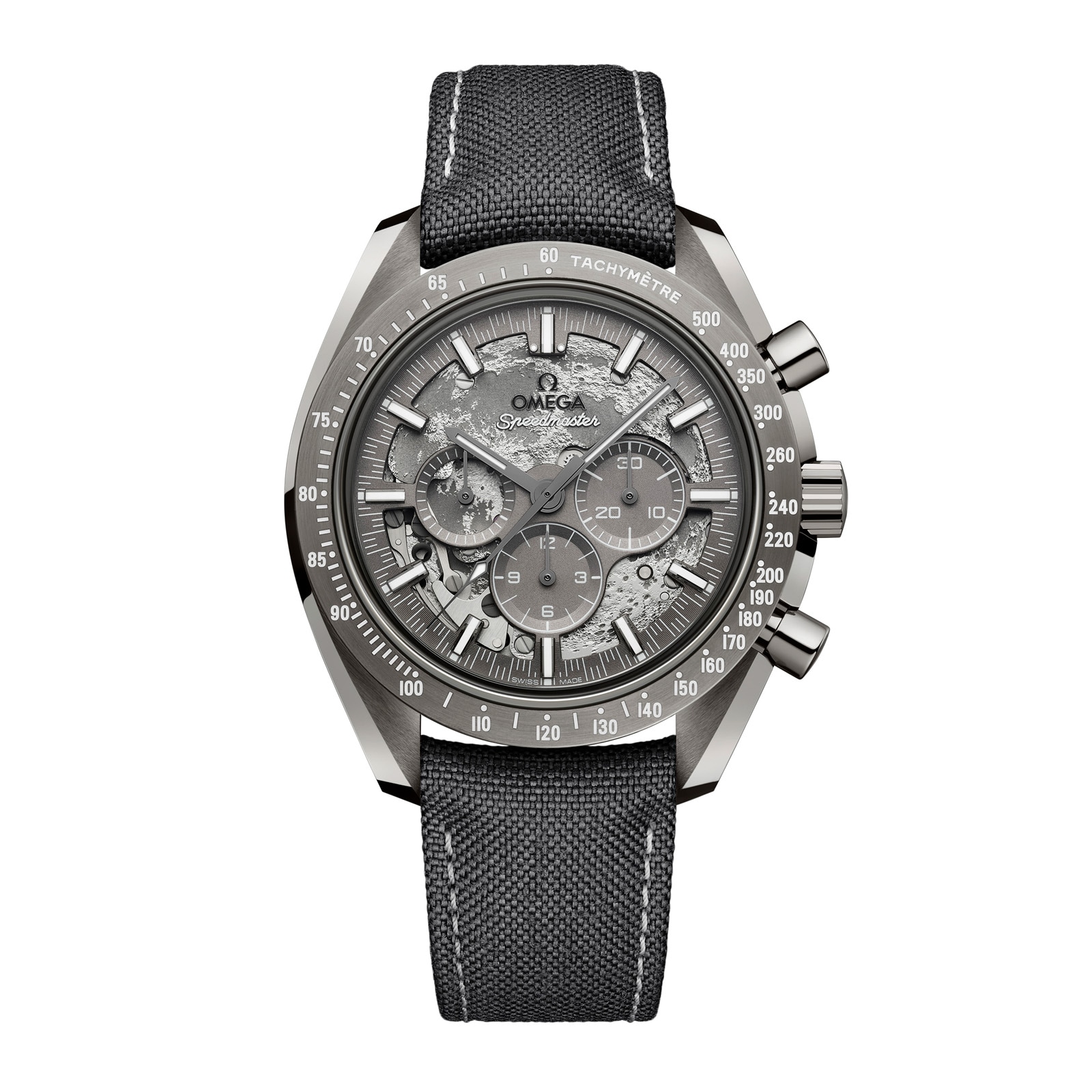 Speedmaster Dark Side Of The Moon 44.2mm Mens Watch Grey£13,800
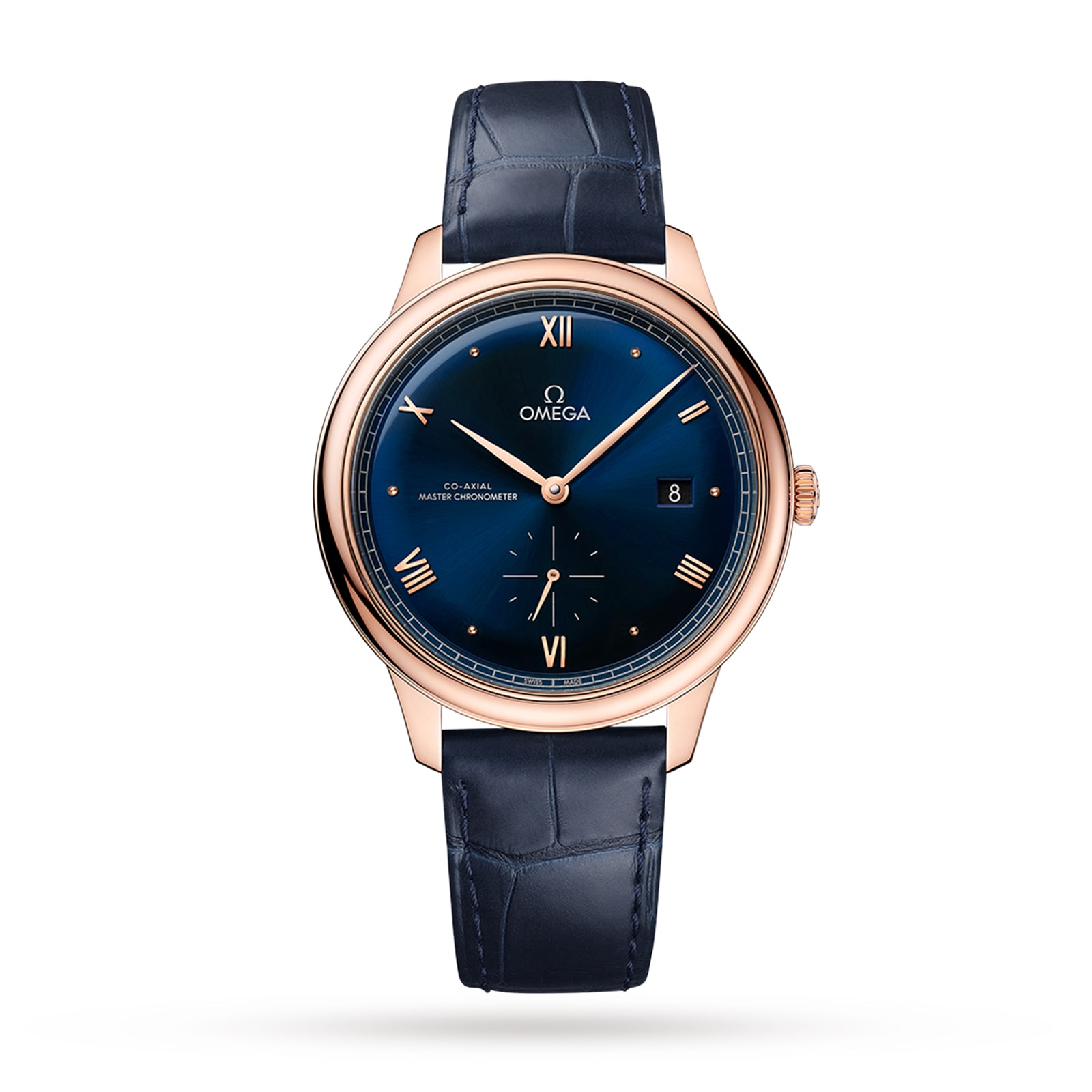 De Ville Prestige Co-Axial Master Chronometer Small Seconds 41mm Mens Watch Blue£13,800
 Seamaster Aqua Terra 150M Co-Axial Master Chronometer 41mm Beijing 2022 Automatic Ladies Watch£14,500
The Bullhead was one of the more radical ideas to come out of the late 1960s chronograph boom: a case deliberately inverted so that the crown and pushers sit at twelve o'clock rather than three. The logic was practical — a rally driver or motorcyclist could operate the timing functions with the index finger of the hand already on the wheel, without any awkward rotation of the wrist. That function determined the form entirely, giving the case its distinctive widening at the top and the silhouette that earned the nickname. The Calibre 930 inside is a hand-wound movement from the generation Omega collectors tend to regard most seriously, sharing its architecture with the chronograph calibres that defined the brand's sporting output in that period. Winding a watch of this age is an act of engagement the table of a modern automatic never requires, and on something this scarce it feels appropriate. At 43mm on a round case that reads wider at the crown end, the Bullhead sits differently on the wrist from any conventional chronograph. The yellow dial pushes hard against the steel — there is nothing restrained about it — and the acrylic crystal sits with a slight convexity that catches light in the way no sapphire does. This is not a watch that asks for attention quietly.
- Reference
- 146.001HG
- Brand
- Omega
- Collection
- Seamaster
- Case size
- 43mm
- Case material
- Stainless steel
- Case shape
- Round
- Dial
- Yellow
- Crystal
- Acrylic
- Movement
- Manual
- Functions
- Chronograph, Date
- Bracelet / strap
- Leather strap
- Strap colour
- Black
- Lume
- Luminous
- Condition
- Vintage
- Retailer
- Mappin & Webb
Additional specifications
- Gem set
- Yes
Learn more about Omega
Louis Brandt began assembling pocket watches in La Chaux-de-Fonds in 1848. His sons moved production to Biel in 1880 and, in 1894, released a calibre whose parts were fully interchangeable and which could be serviced by any watchmaker with standard tools. They named it Omega. The movement was successful enough that the company took its name.
Omega's history is bound up with measurement in public. It became official timekeeper of the Olympic Games in 1932 and has held the role for most Games since, which drove genuine engineering: photo-finish cameras, touchpads in swimming pools, and the timing systems that made hundredths of a second meaningful.
NASA qualified the Speedmaster for manned spaceflight in 1965 after testing chronographs from several manufacturers to destruction, and it was on Buzz Aldrin's wrist on the lunar surface in 1969. The watch has never been substantially redesigned.
The Seamaster line dates to 1948 and covers everything from dress watches to saturation diving instruments. Omega's technical position strengthened considerably after 1999 with the adoption of George Daniels' co-axial escapement, the first genuinely new escapement to reach series production in two centuries, and more recently through Master Chronometer certification testing resistance to magnetic fields at 15,000 gauss.
The company has been part of the Swatch Group since its formation.
- 1848
- Louis Brandt starts assembling watches in La Chaux-de-Fonds.
- 1894
- The Omega calibre gives the company its name.
- 1932
- Becomes official timekeeper of the Olympic Games.
- 1948
- The Seamaster line is introduced.
- 1965
- NASA qualifies the Speedmaster for manned spaceflight.
- 1999
- The co-axial escapement enters series production.
Also in 7 collections
This watch appears in the Omega Seamaster range (5), Back in Stock (4,847), Stainless Steel Watches (3,197), Chronograph Watches (1,234), Leather Strap Watches (1,049), Dive Watches (554) and Pre-Owned, Ex-Display & Vintage Watches (344).
Best of 2 retailers
What the specifications mean
Strengths
- Luminous hands and markers for low light
- Sits in the lower half of Omega's range as we list it
Worth knowing
- 43mm sits at the larger end
- Acrylic crystal marks easily, though it polishes out
Omega Seamaster Bullhead 1960s alternatives
Watches from other brands at a similar price, style and size, so you can see what else your budget can buy.
| Specification | 146.001HG | 7149/0 |
|---|---|---|
| Price | £9,000 | £13,950 |
| Case size | 43mm | 39.5mm |
| Water resistance | — | — |
| Movement | Manual | Manual |
| Strap | Leather strap | Stainless steel bracelet |
| This watch |
|
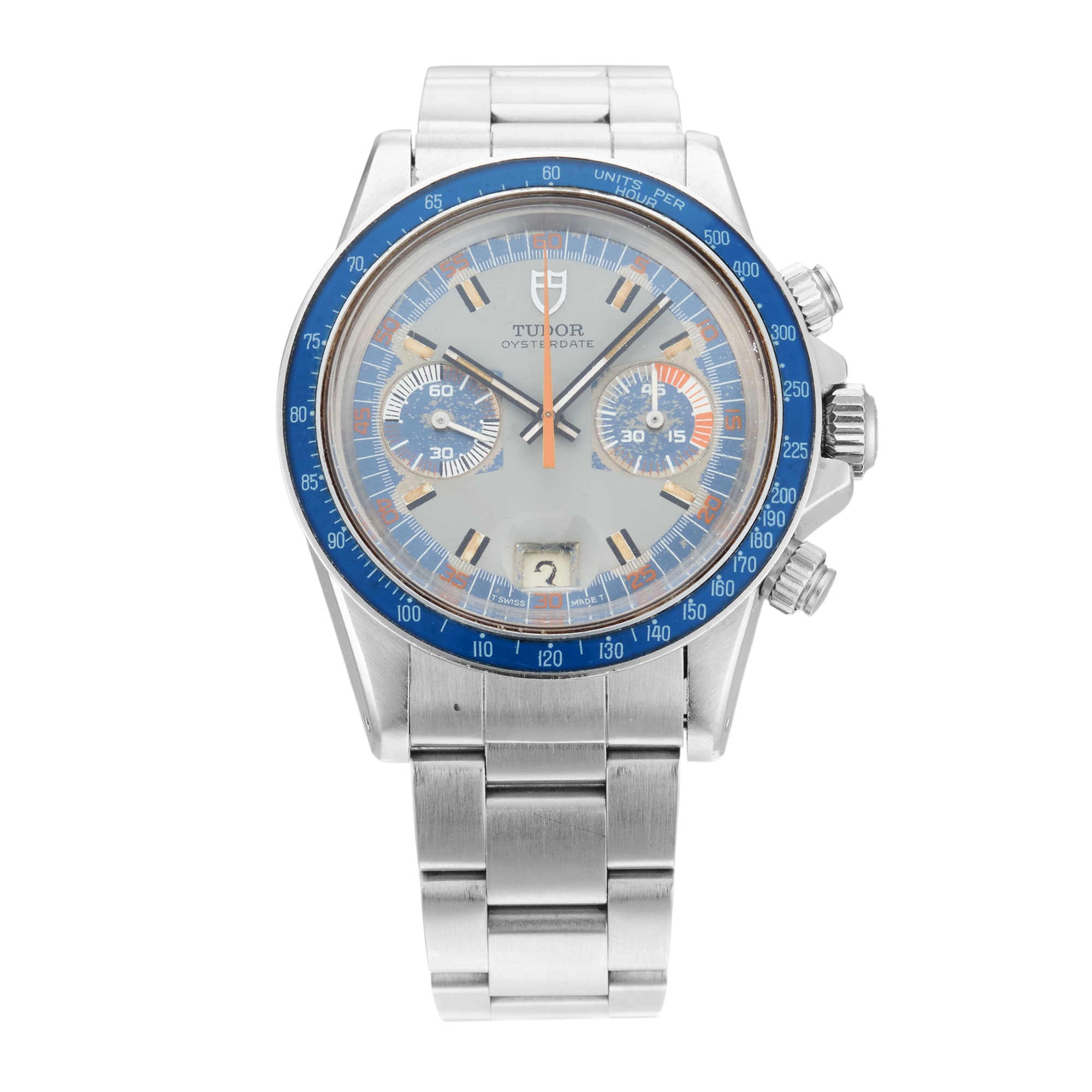
Your new watch
Frequently asked questions, and things you should know about this watch
Will the glass scratch?
Yes, but it polishes out. Acrylic marks easily and a scratch can be buffed away at home, which is why vintage-style watches still use it.
Sapphire, mineral and acrylic comparedDoes it need a battery?
No. It is hand-wound, so it needs winding every day or two but never a battery.
Quartz, automatic and solar comparedIs it a men's or women's watch?
Listed as men's.
Cheapest place to buy
Both Mappin & Webb and Goldsmiths list it at £9,000, so choose on delivery and warranty rather than price.
More Omega watches like the Seamaster Bullhead 1960s
In stock, and close on style and price