
Brand
Rado
Est. 1917 · Lengnau, Switzerland
Scratch-resistant high-tech ceramics pioneer within the Swatch Group.
Half cost less than £2,250, and a quarter less than £1,750.
Learn more about RadoShow less
Rado began as Schlup & Co, a movement manufacturer founded by the Schlup brothers in Lengnau in 1917. It became one of the largest movement producers in the world before releasing watches under the Rado name in 1957.
The brand's entire identity rests on a single question: how do you stop a watch from looking worn? The DiaStar of 1962 was marketed as the world's first scratchproof watch, using hardmetal — tungsten carbide — and a sapphire crystal at a time when both were exotic in watchmaking.
Rado then spent decades pushing further into materials most watchmakers avoided because they are difficult to machine and impossible to correct. High-tech ceramic arrived in 1986 with the Integral, and the Ceramica of 1990 was made almost entirely from it. The company developed plasma high-tech ceramic, which is heated to 20,000 degrees to acquire a metallic sheen without any metal content, and Ceramos, a ceramic-metal composite.
The V10K of 2002 used high-tech diamond and reached 10,000 on the Vickers scale — the hardness of diamond itself, and a Guinness record.
Rado's design language is correspondingly clean and monolithic, with the True and Captain Cook lines carrying the modern collection. The company has been part of the Swatch Group since 1983.
Rado holds 63 models, from £1,050 to £5,150. Half cost less than £2,250, and a quarter less than £1,750. 36 of 63 are automatic. 31 are stocked by more than one retailer, giving 108 offers in total. Prices are checked nightly against the retailers’ own feeds.
- 1917
- Founded as Schlup & Co in Lengnau.
- 1957
- The first watches carry the Rado name.
- 1962
- The DiaStar introduces a scratchproof hardmetal case.
- 1986
- High-tech ceramic enters production.
- 2002
- The V10K reaches diamond-level surface hardness.
80 watches
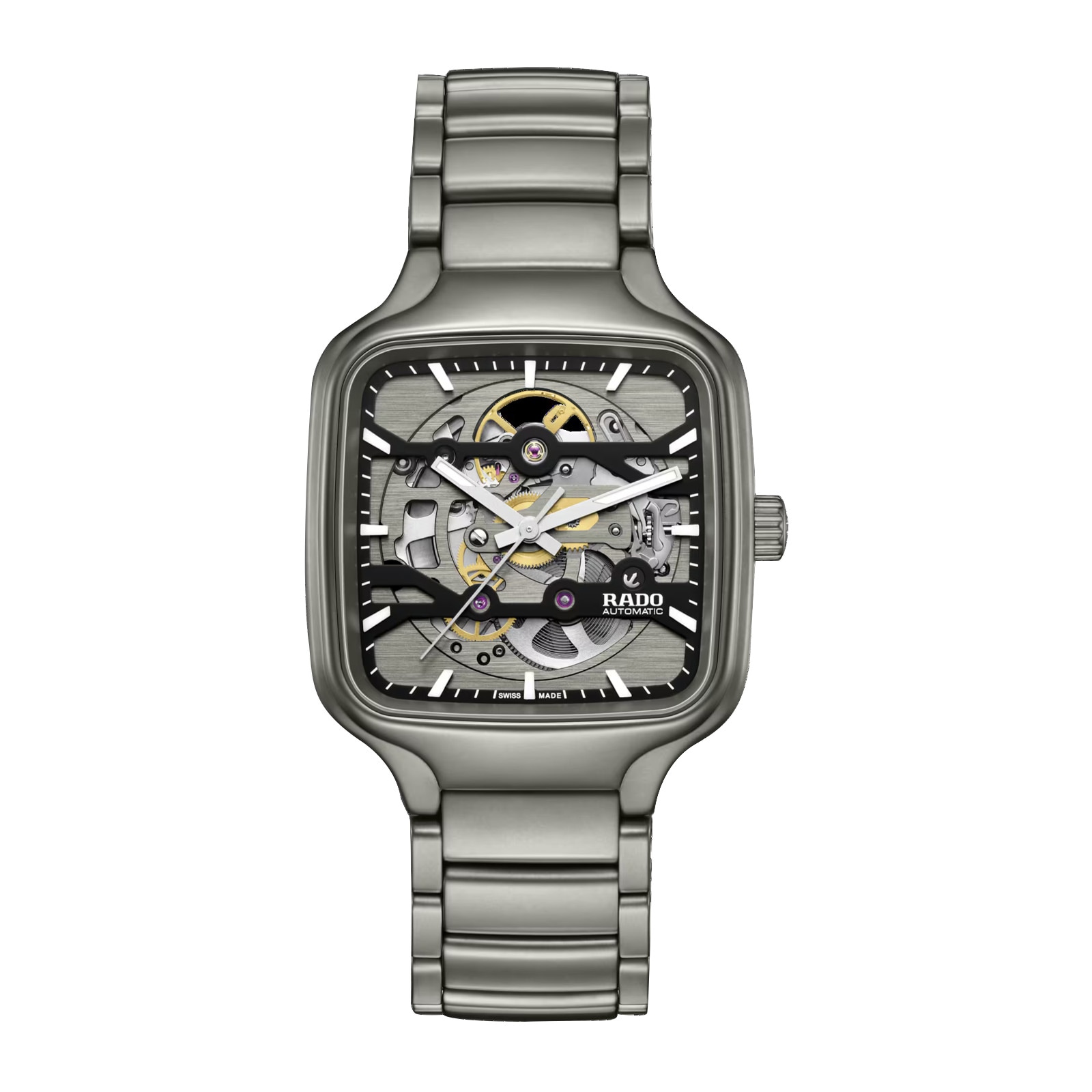
Rado
True Square Automatic Skeleton 38mm Unisex Watch
£2,850

Rado
True Square Automatic Skeleton 38mm Unisex Watch
£2,850
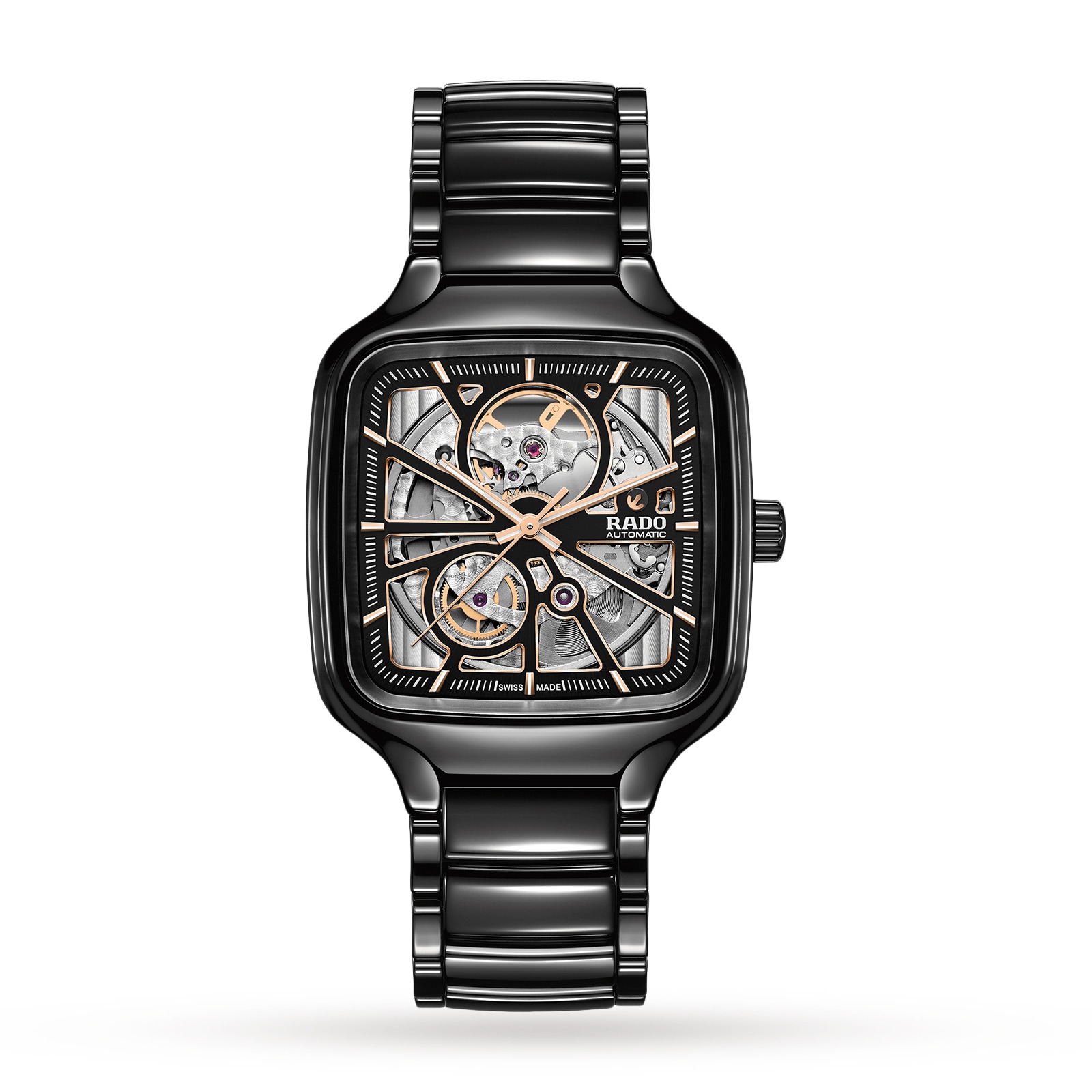
Rado
True Square Open Heart Unisex Watch
£2,450
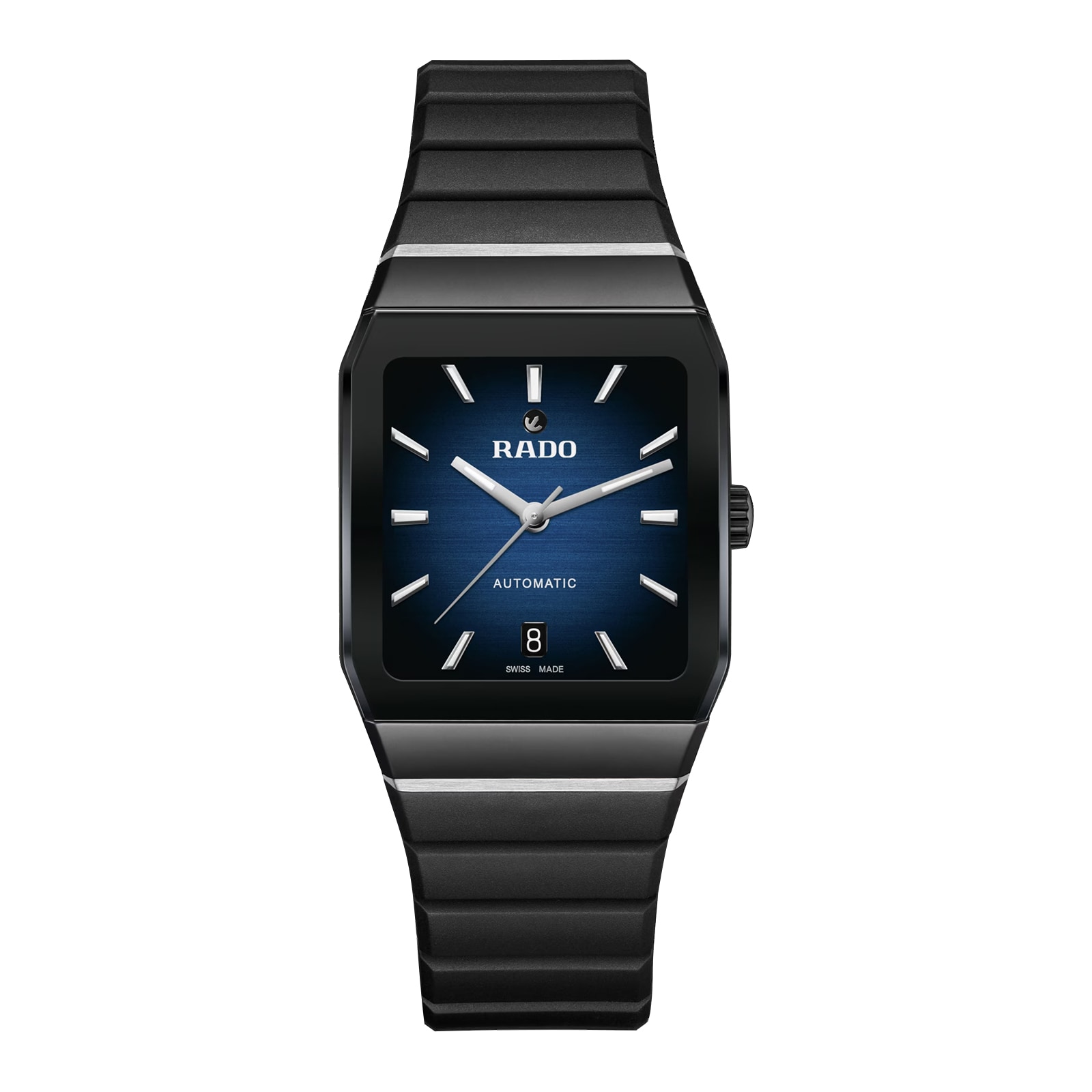
Rado
Anatom Automatic 32.5mm Unisex Watch Blue
£3,150
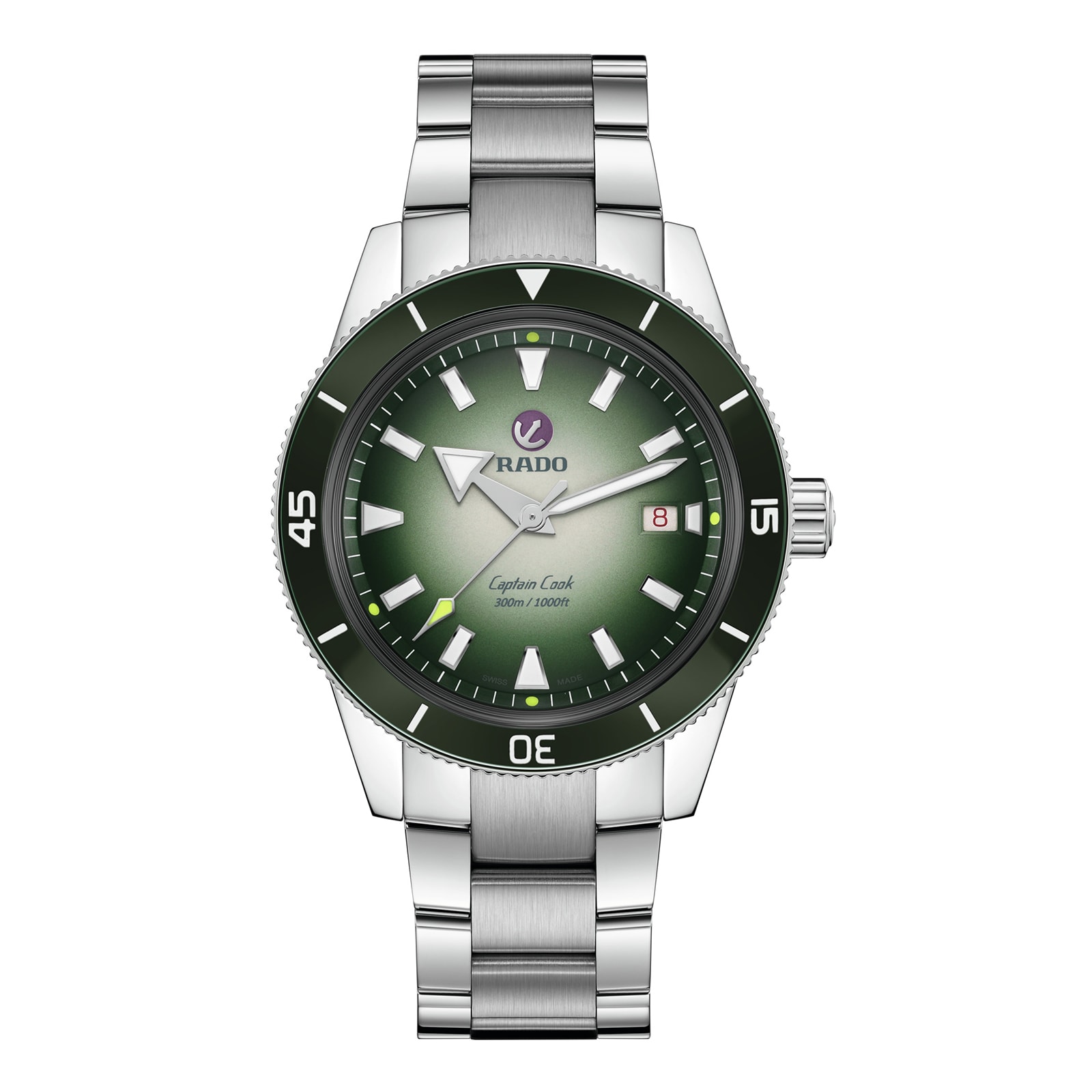
Rado
Captain Cook X Cameron Norrie Limited Edition 42mm Mens Watch 3 Strap Set
£2,500
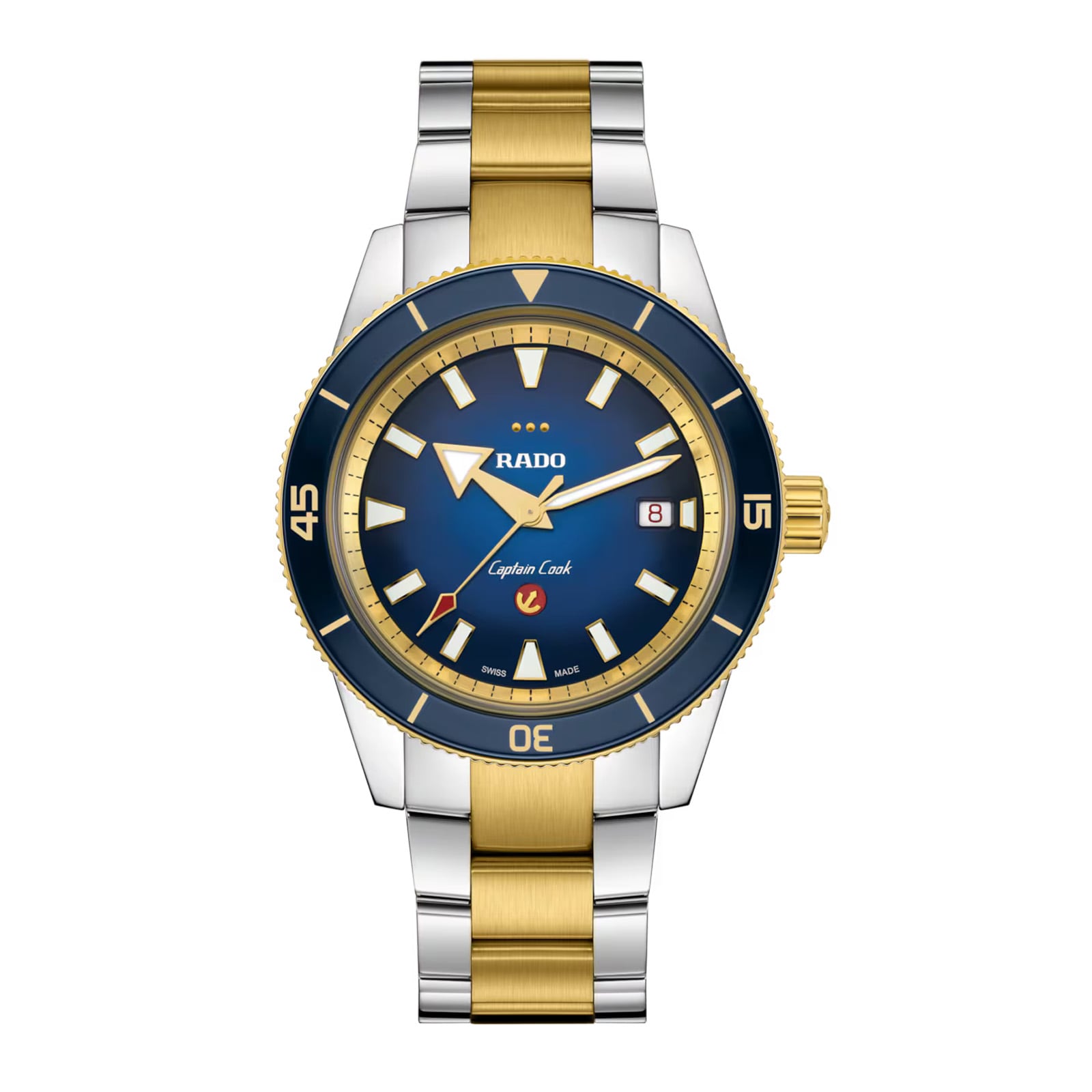
Rado
Captain Cook X European Cricket Special Edition 42mm Mens Watch Blue
£2,500
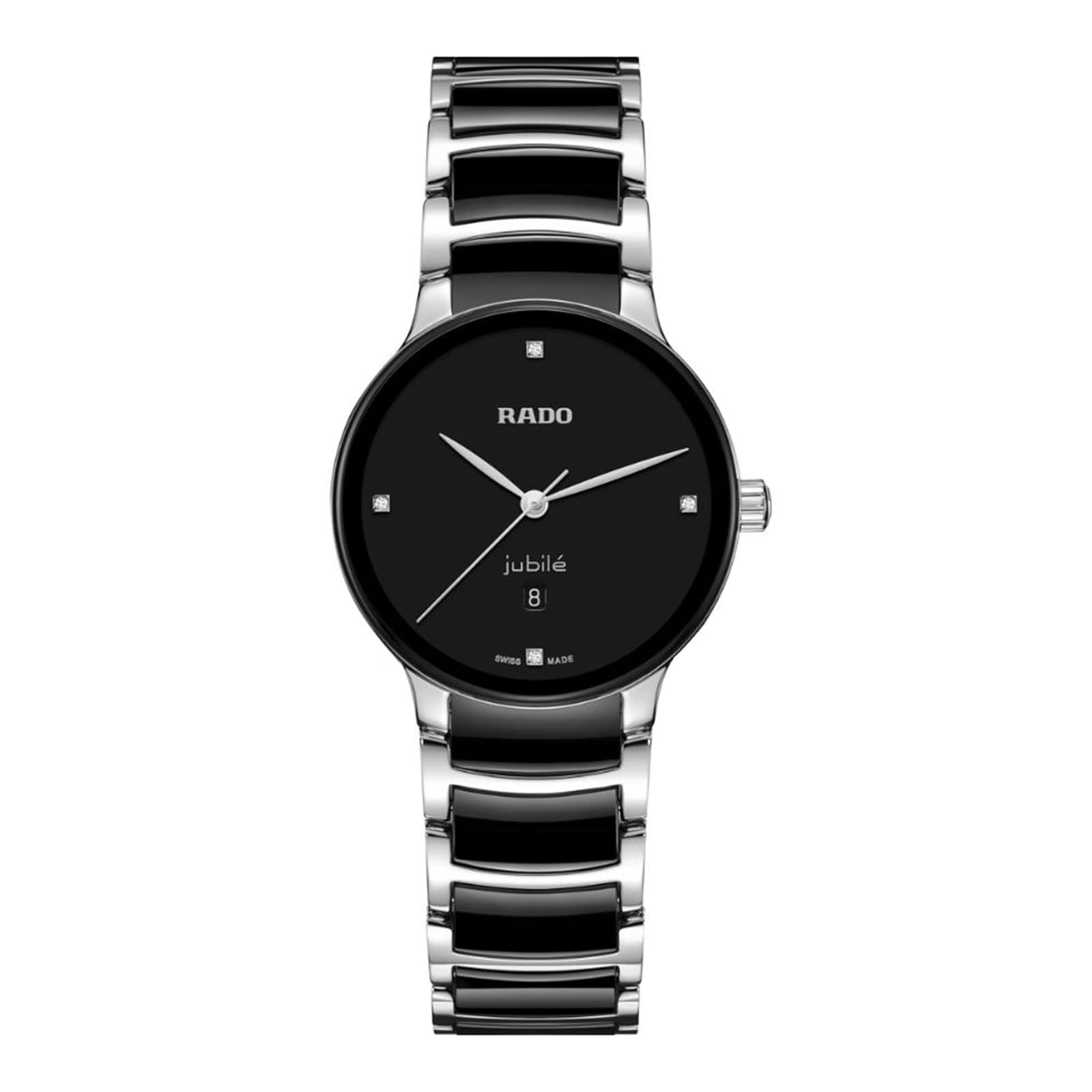
Rado
Centrix 30.5mm Stainless Steel Ladies Watch Black
£1,700
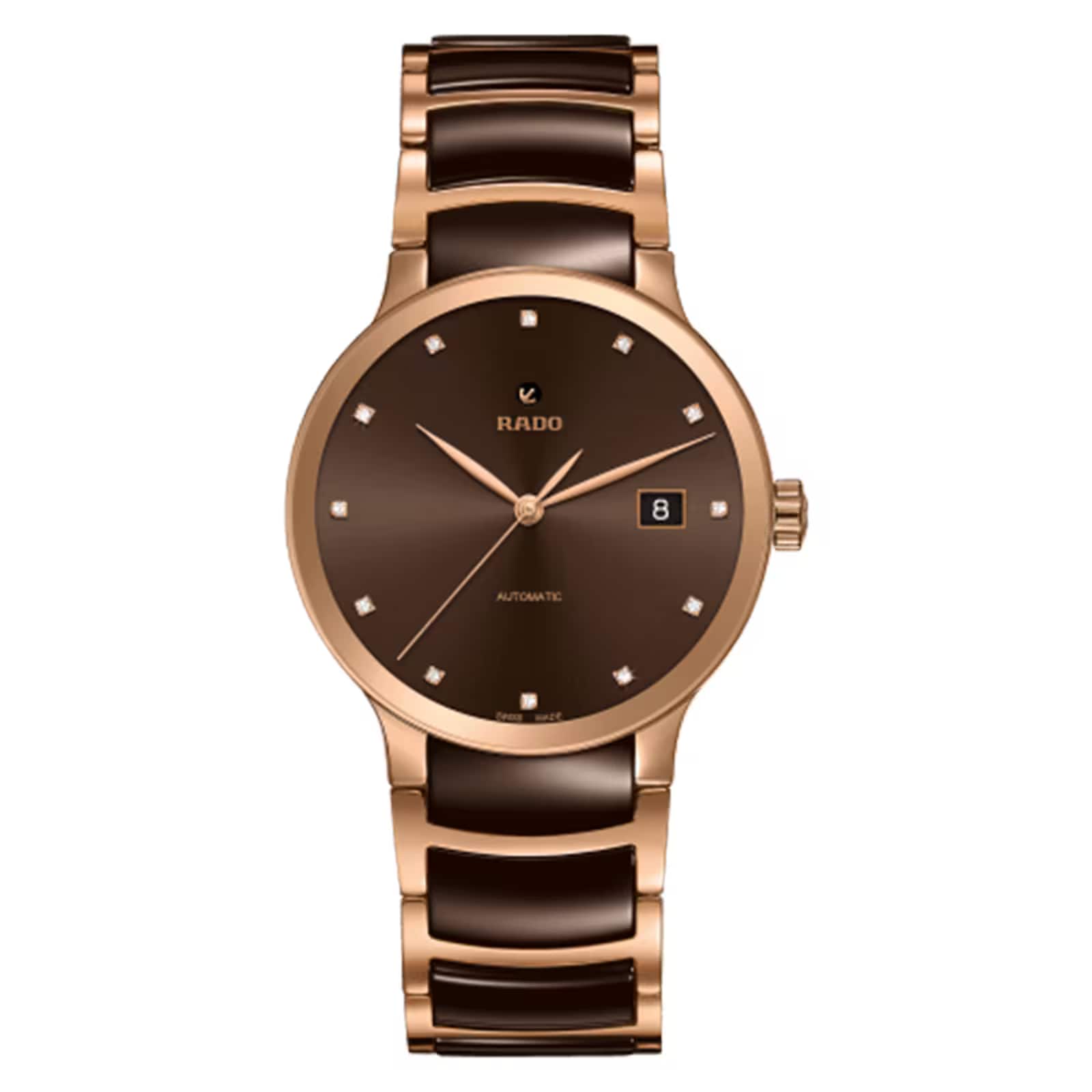
Rado
Centrix Automatic Diamonds 38mm Stainless Steel and PVD
£1,850
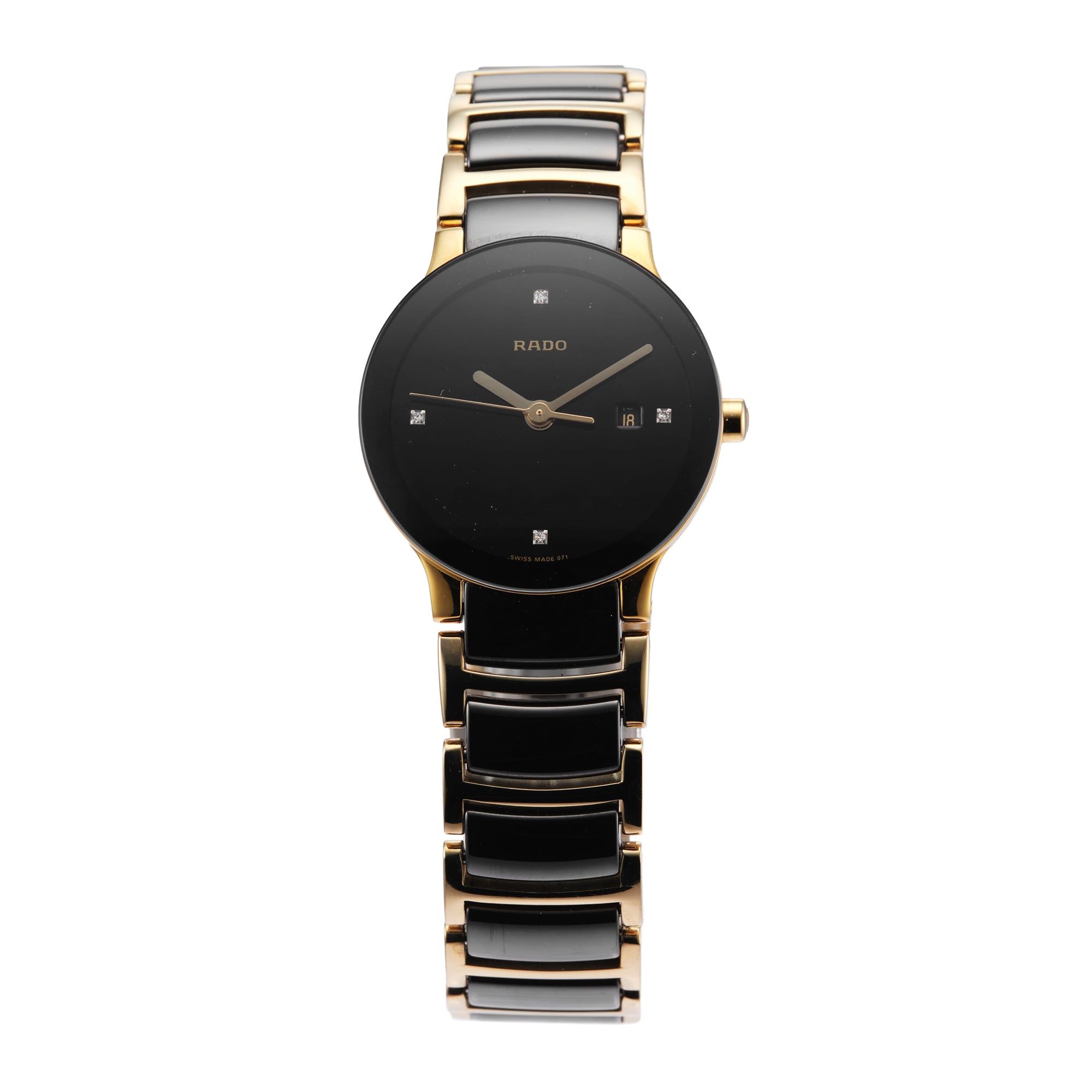

Rado
DiaStar Limited Edition 38mm Unisex Watch Grey
£1,400
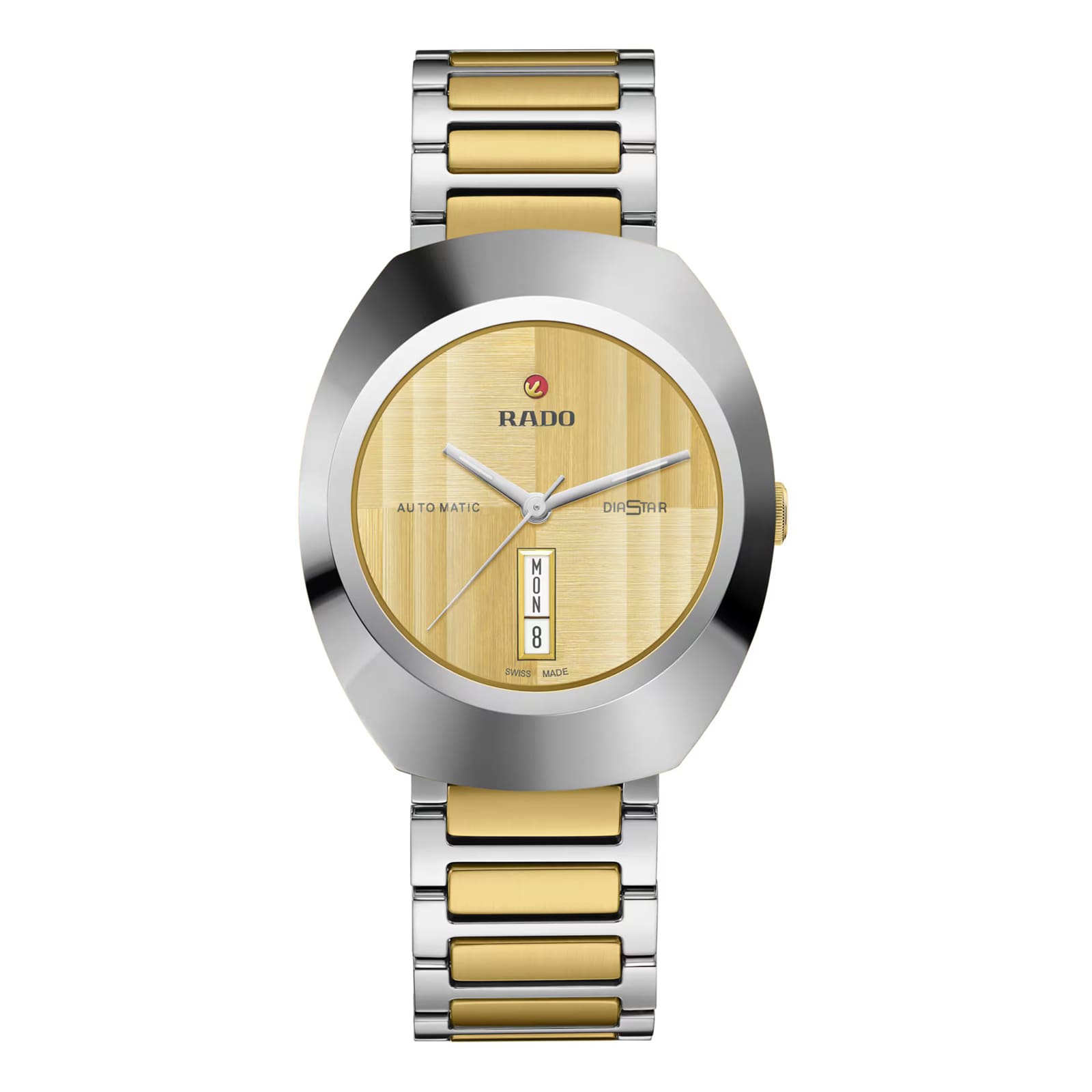

Rado
DiaStar Original Automatic 30mm Ladies Watch Black
£1,800
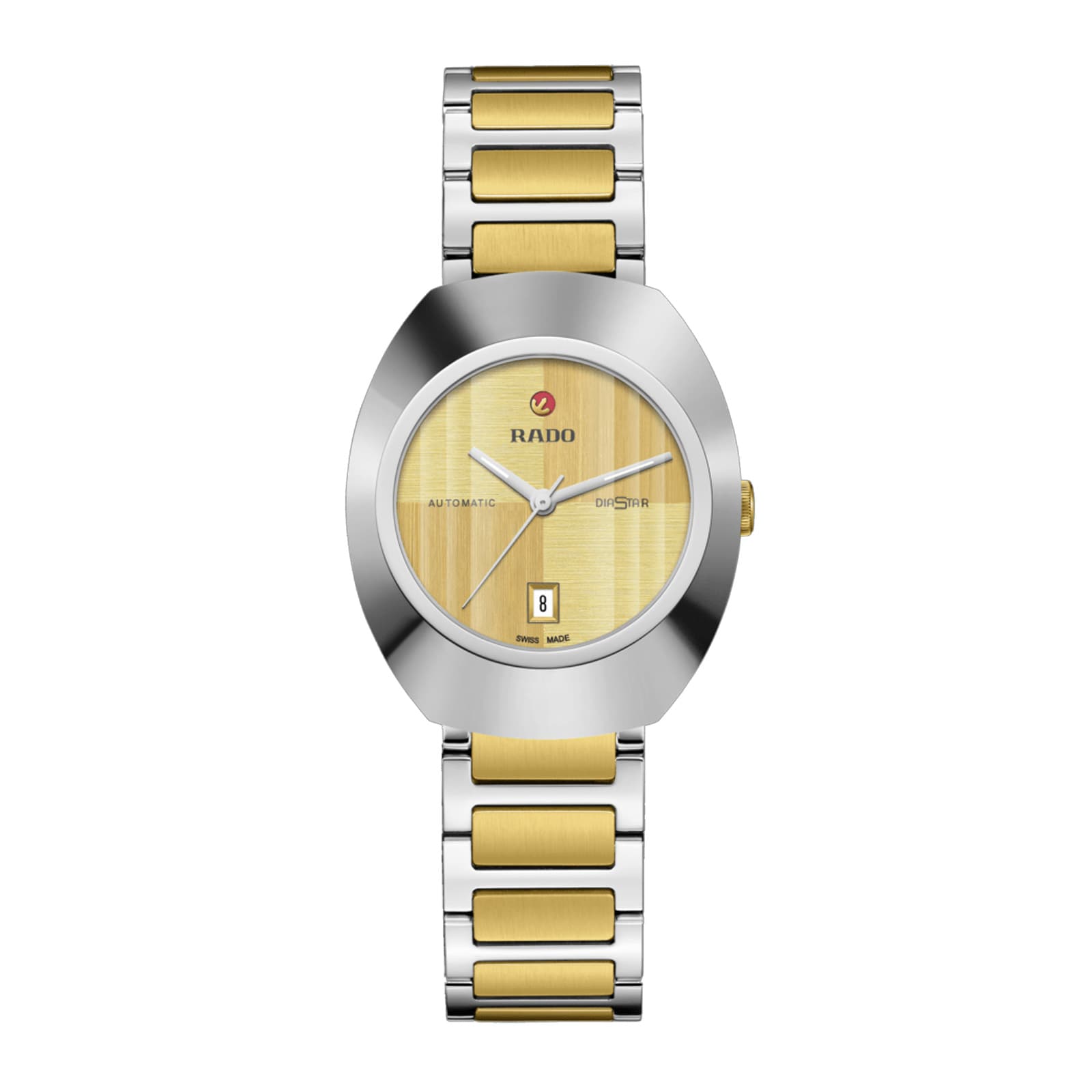
Rado
Diastar Original Automatic 30mm Unisex Watch
£1,500
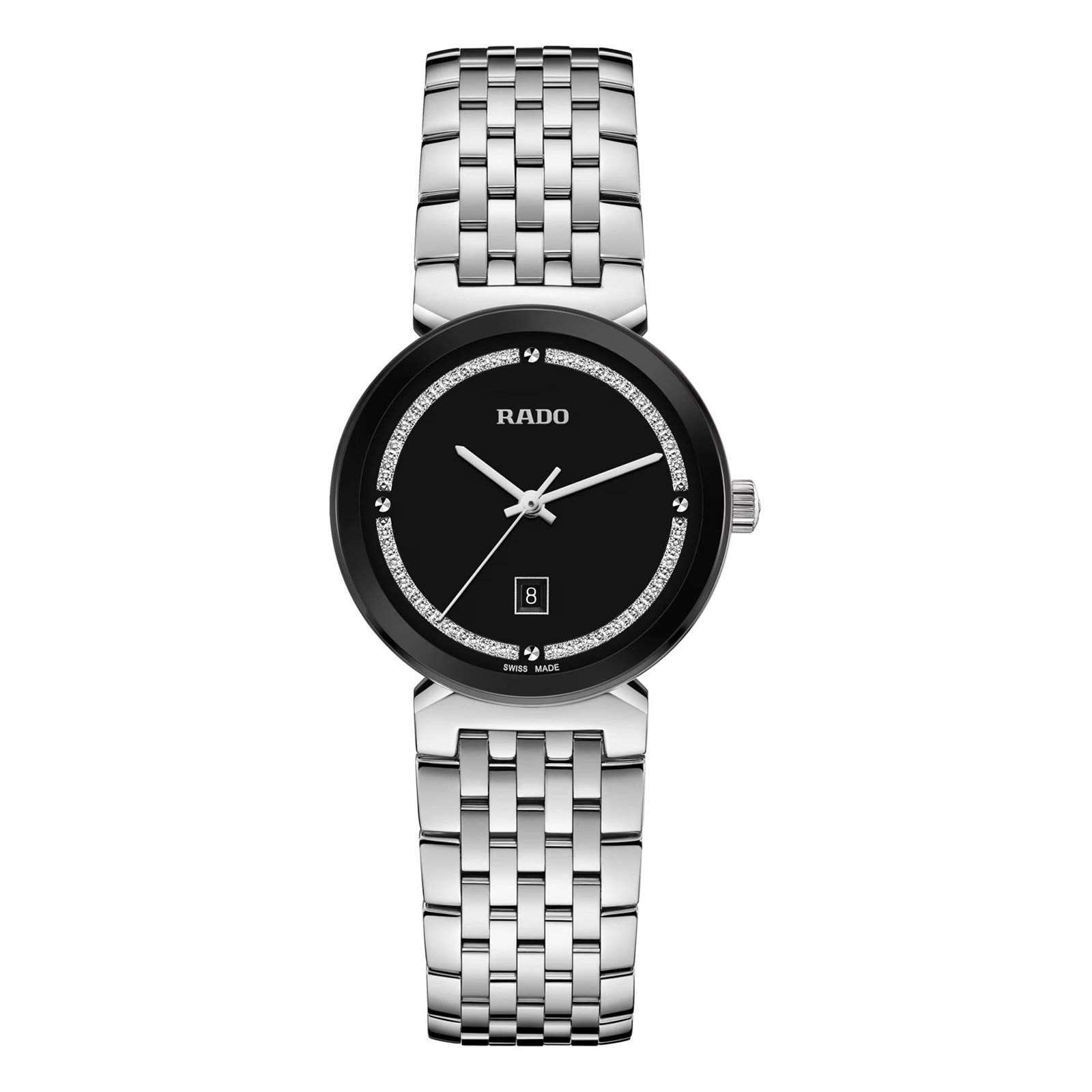
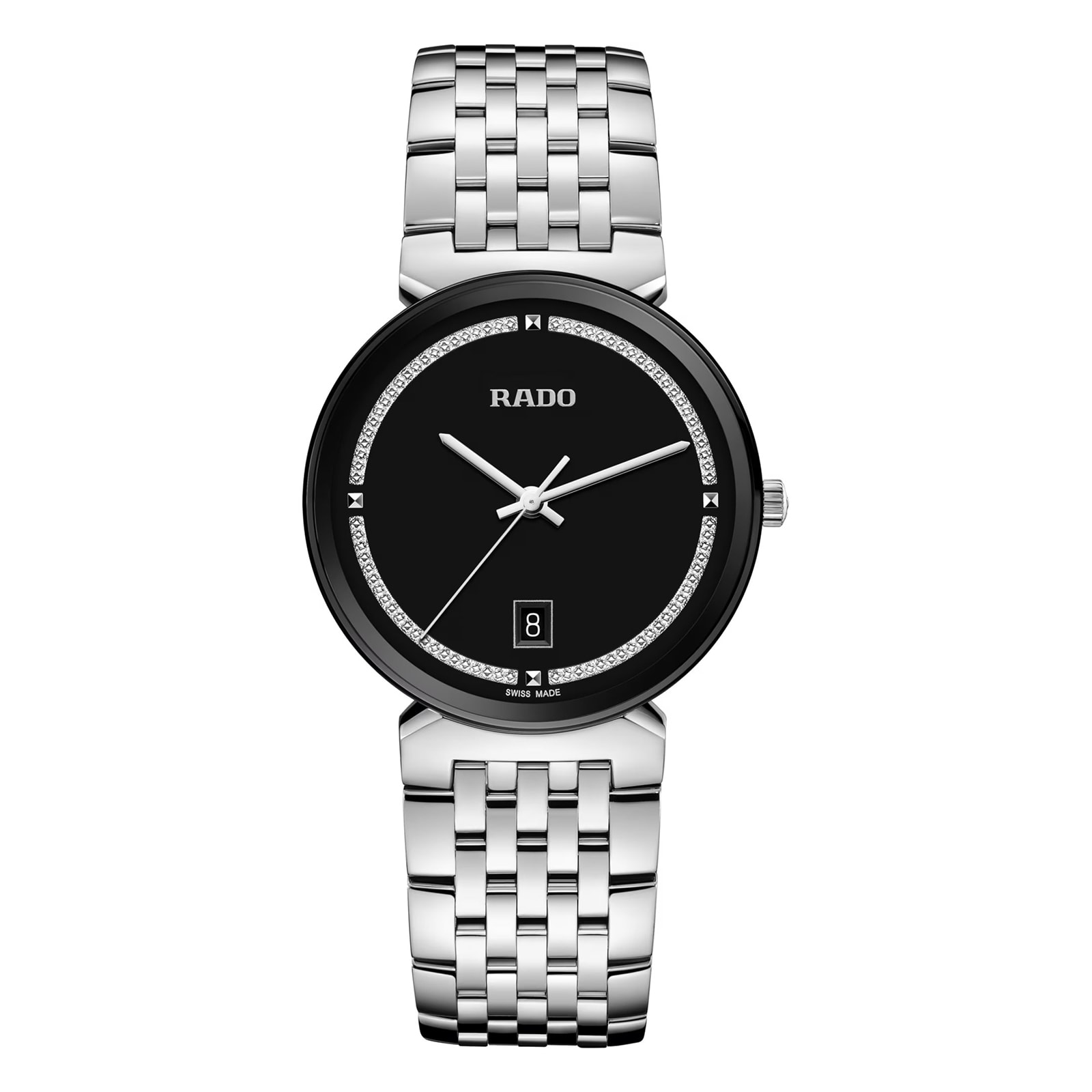
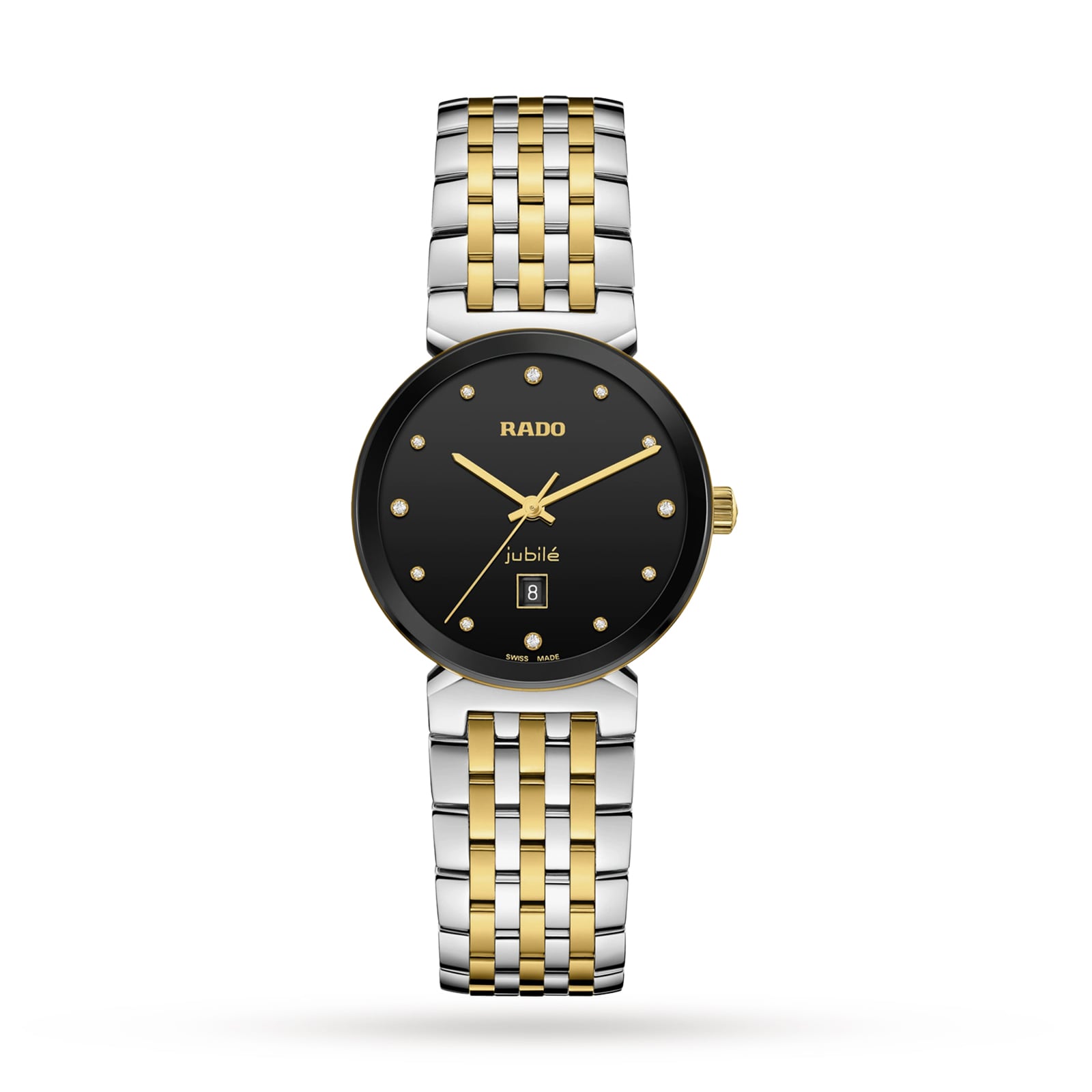
Rado
Florence Classic Diamonds 30mm Ladies Watches
£1,300
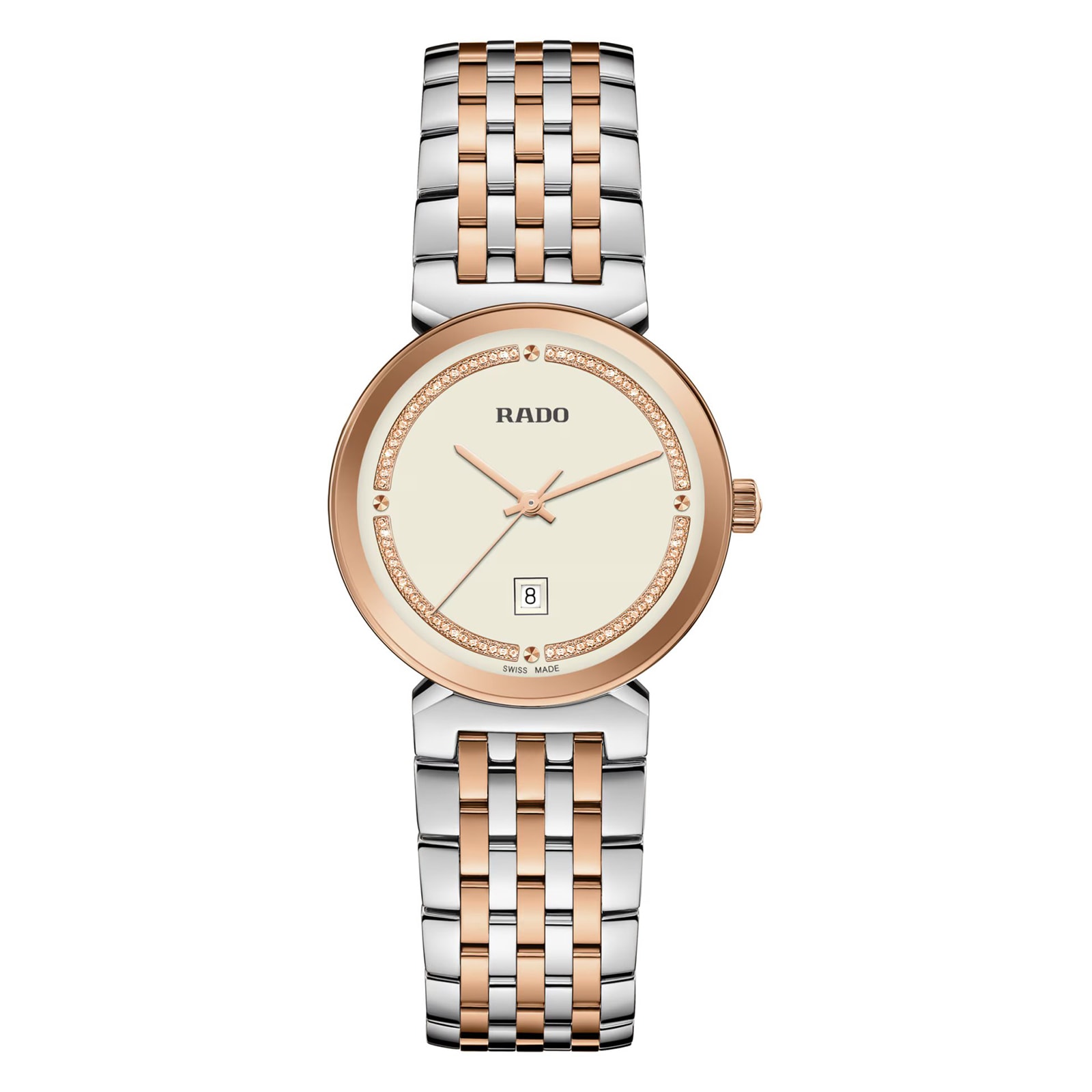

Rado
Hyperchrome Quartz 41.5mm Unisex Watch Black
£1,450
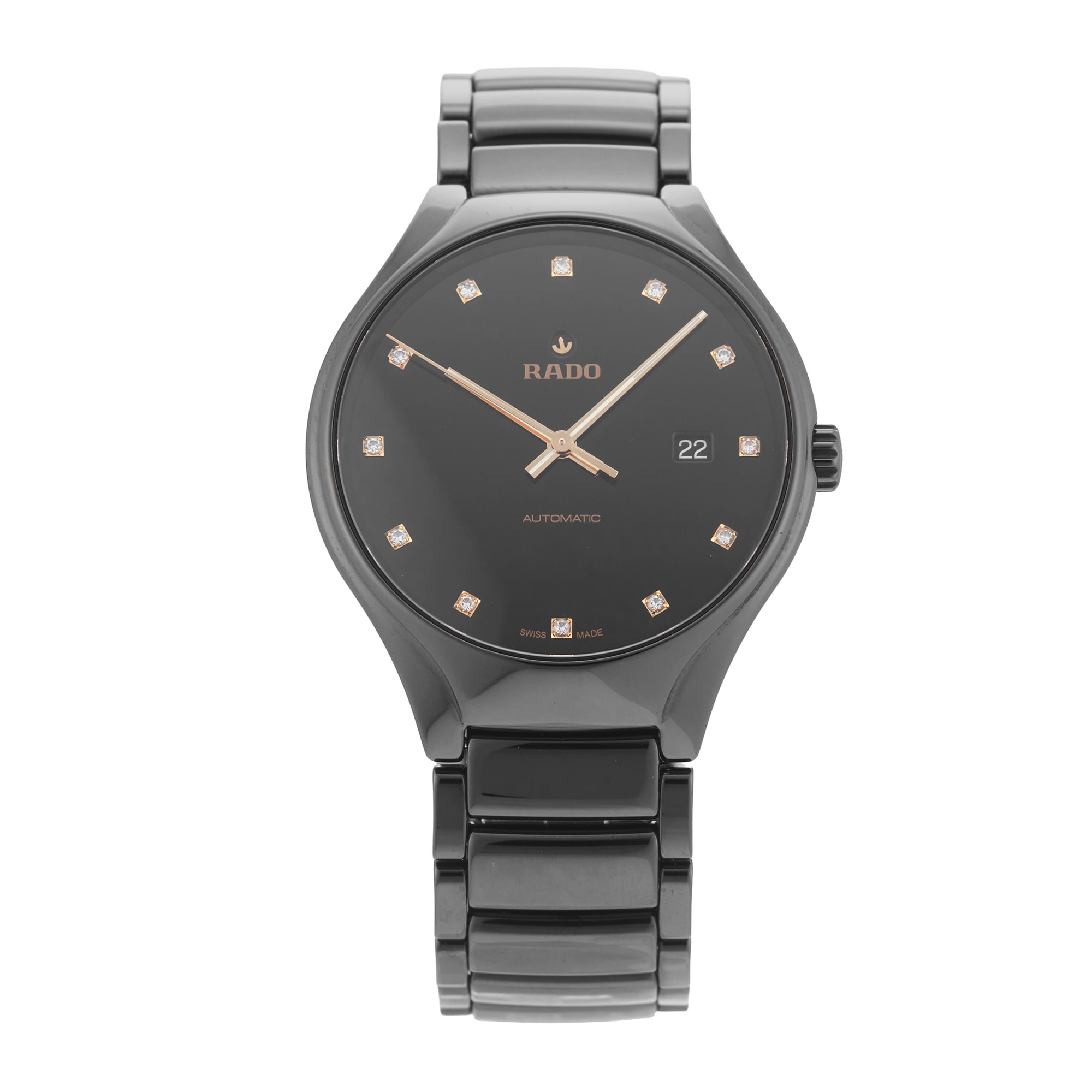
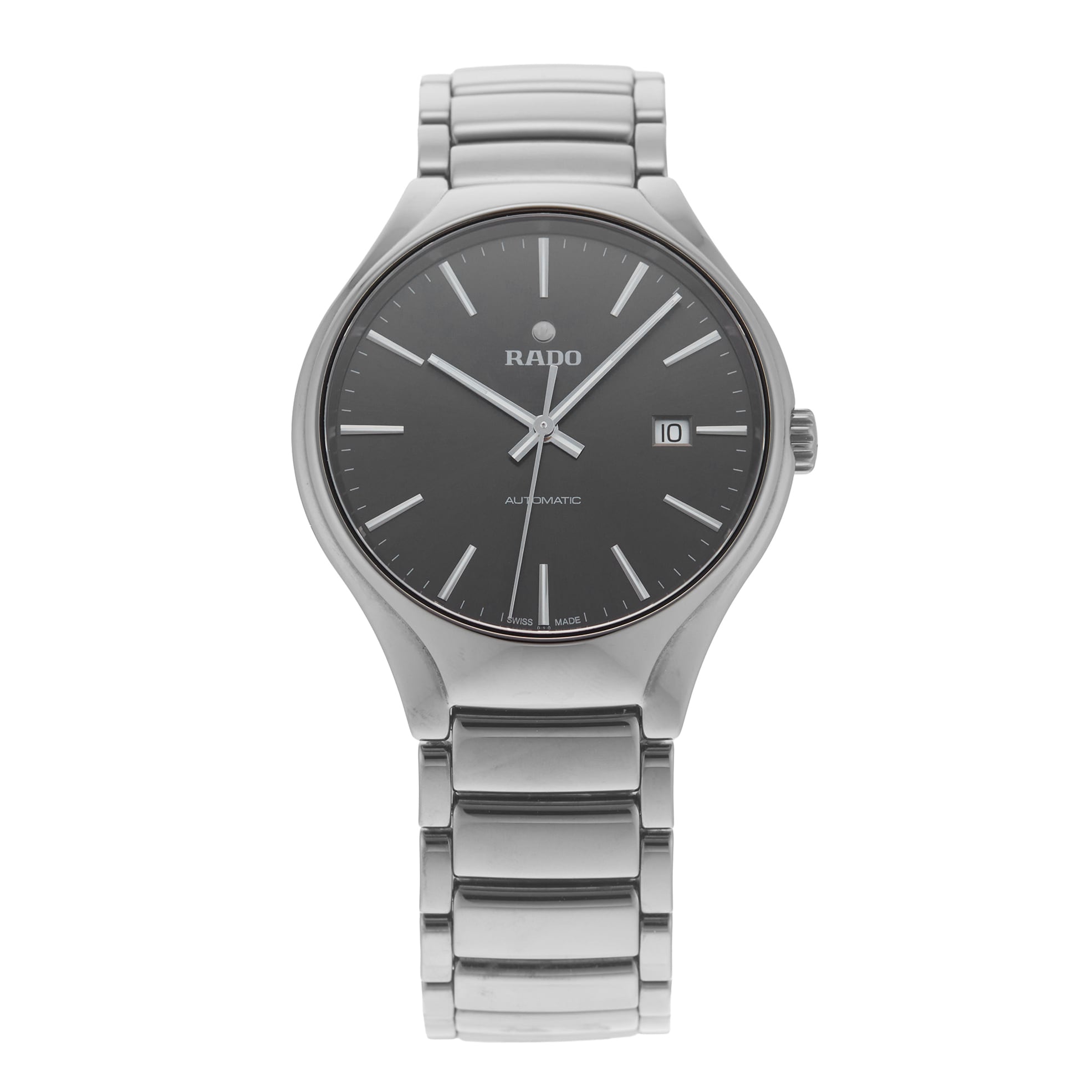
Rado
True Round Automatic 40mm Ceramic and Titanium R27057102
£1,550