 Save £7,995
Tap the image to enlarge

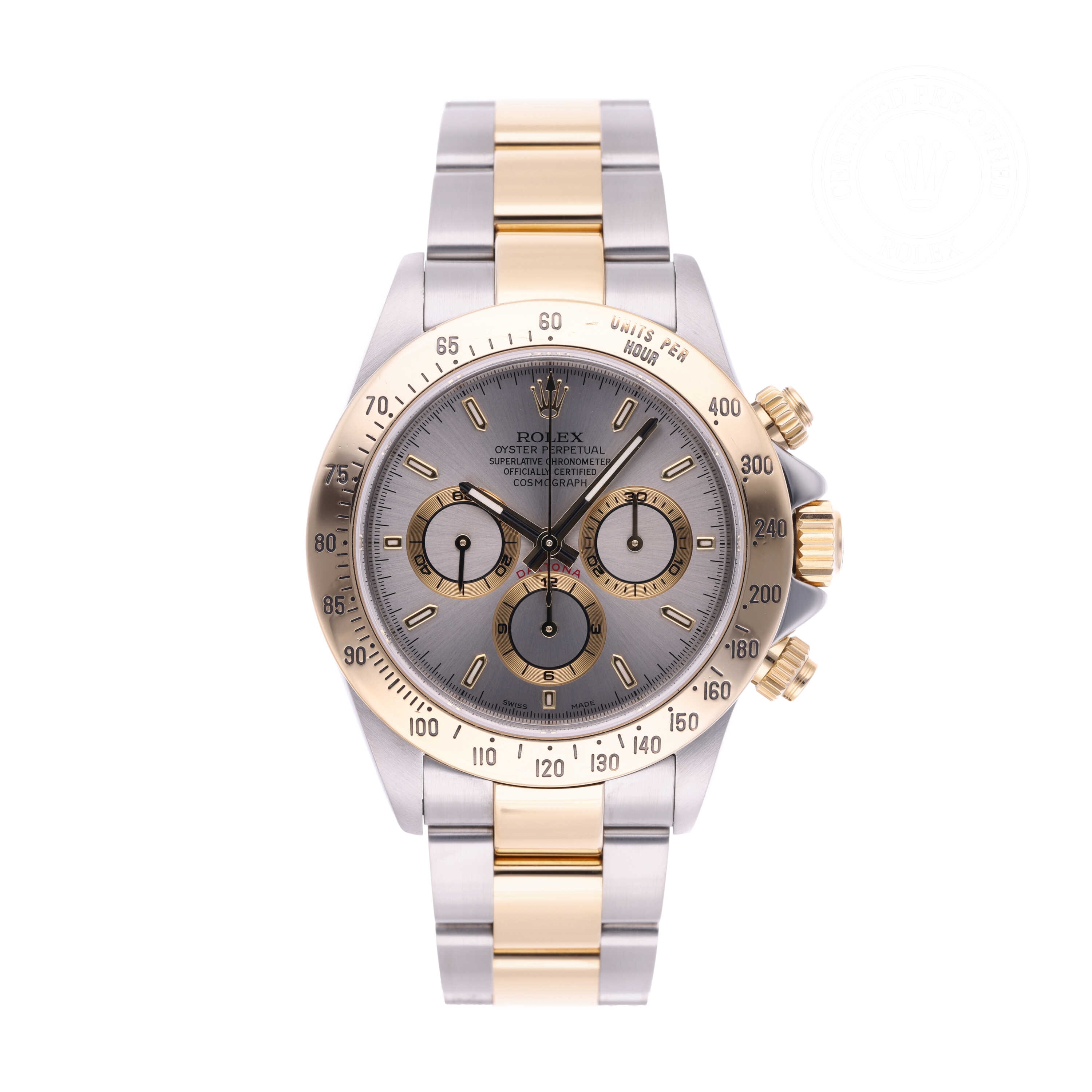
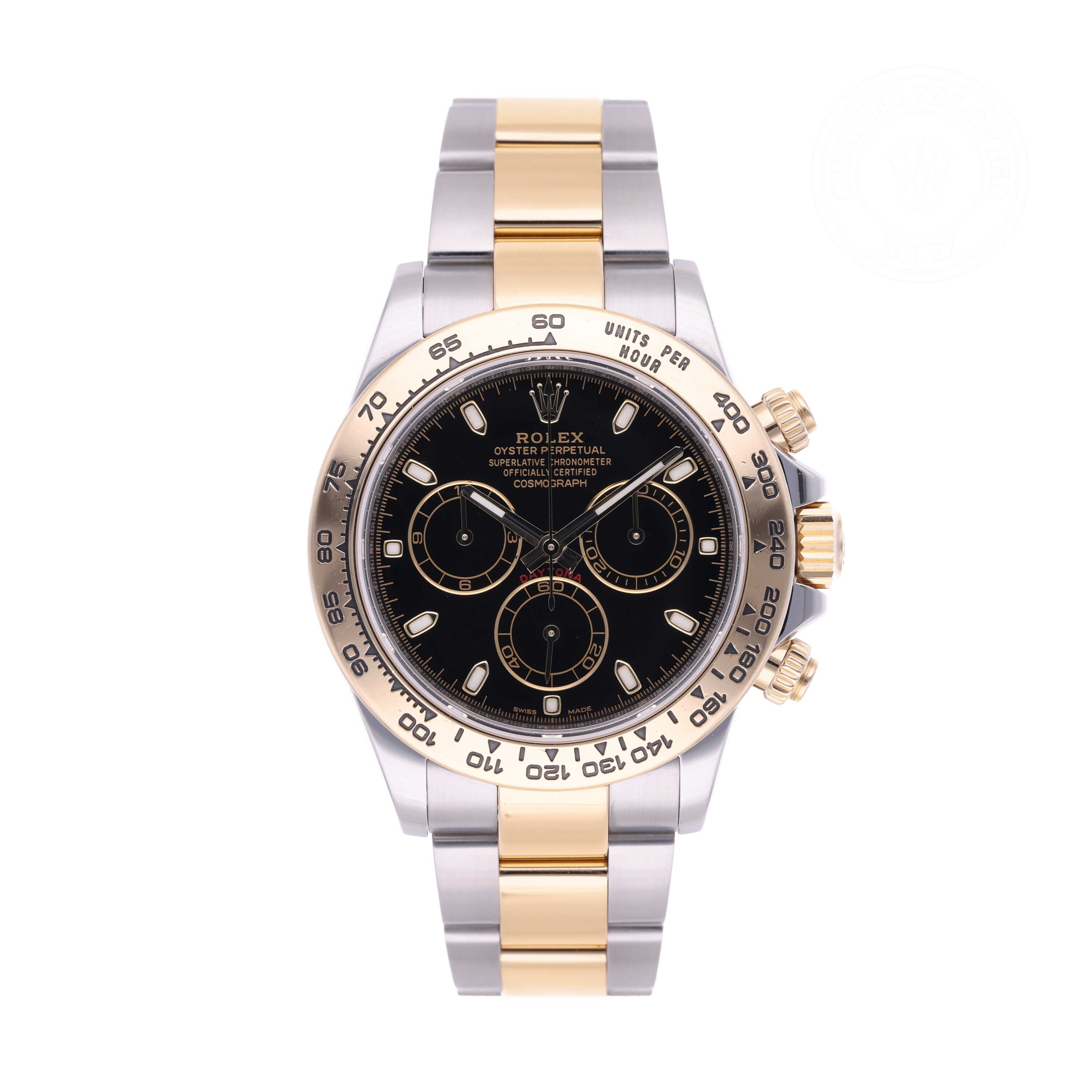
Rolex Cosmograph Daytona
Ref. 116523
See more premium optionsHide
Stepping up in Rolex's range
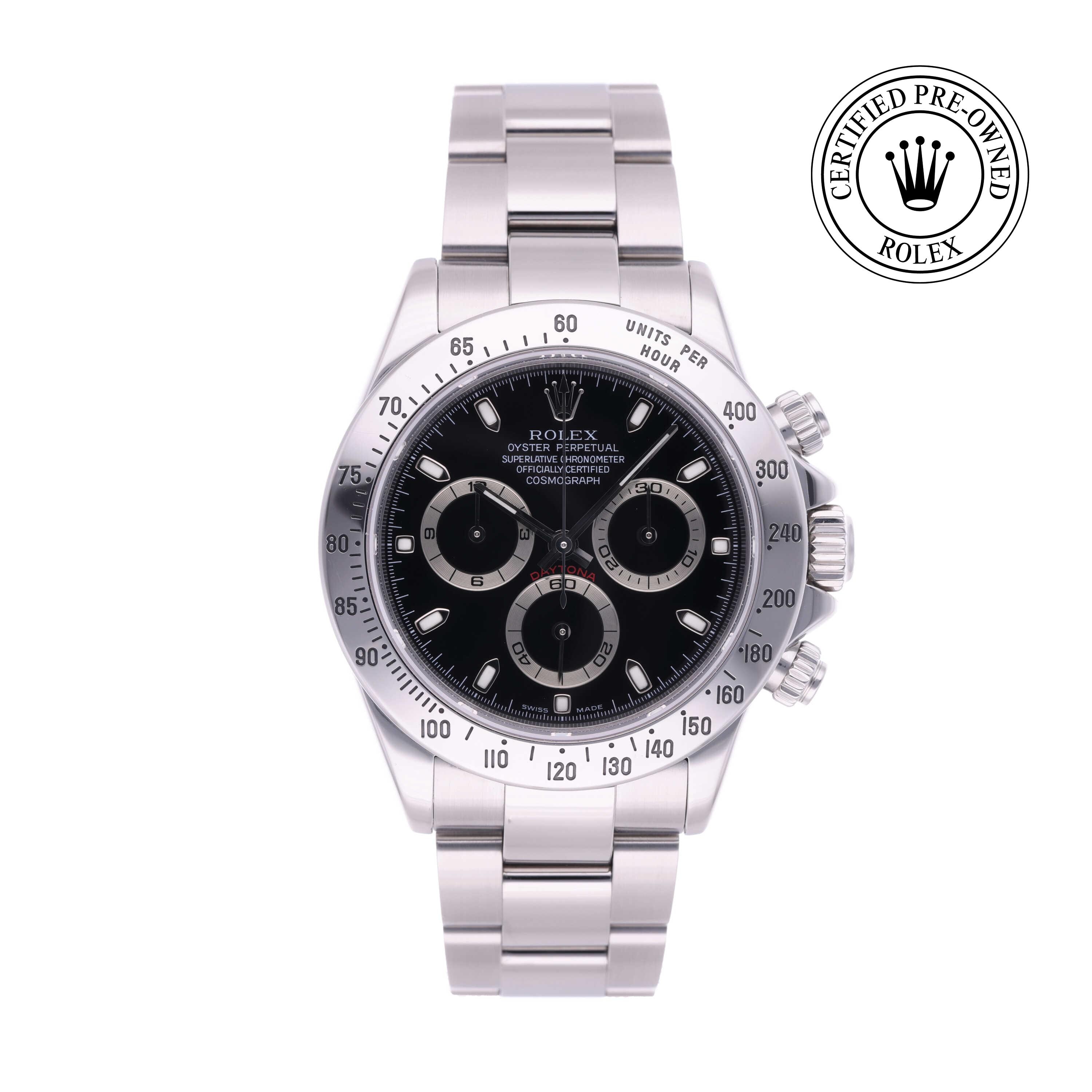
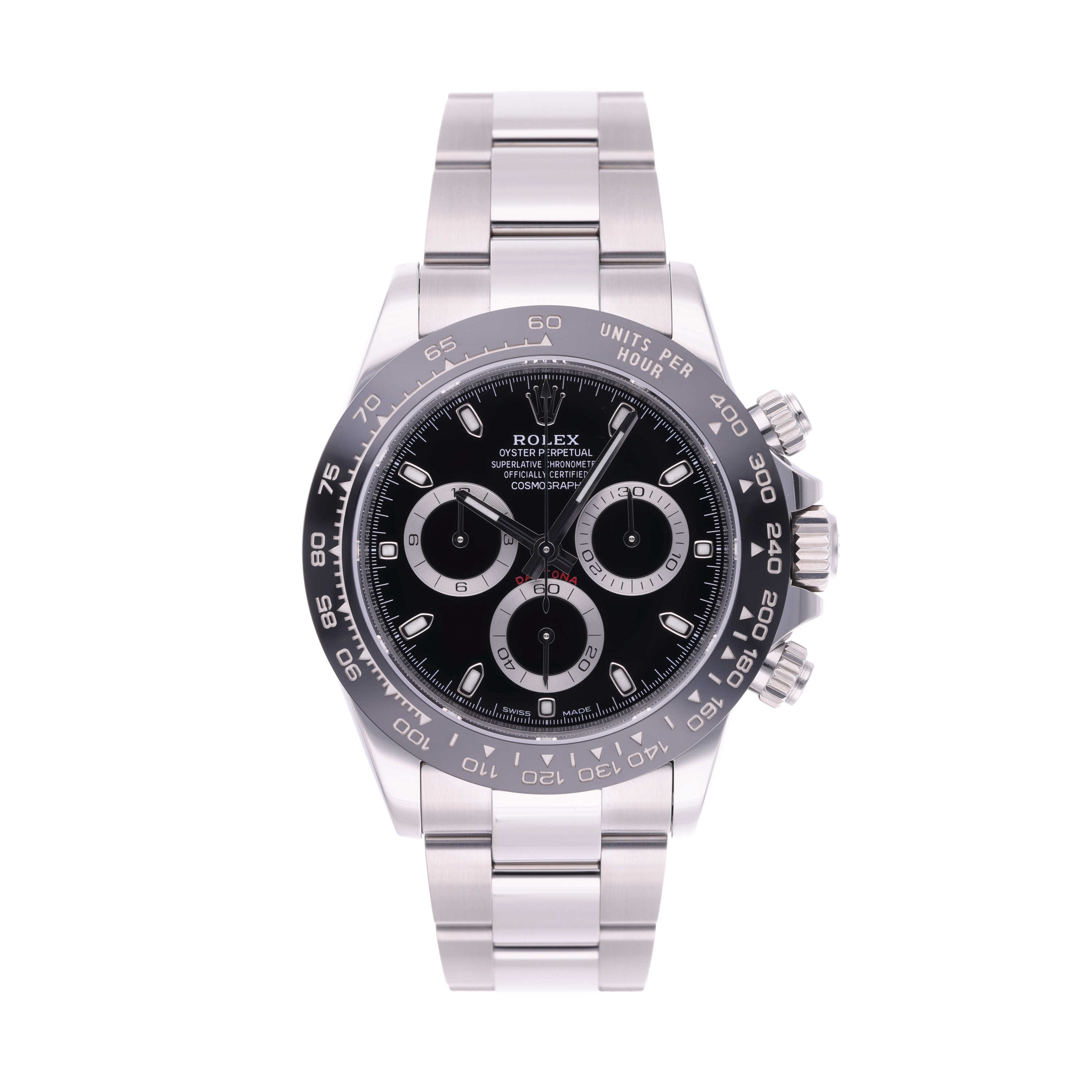

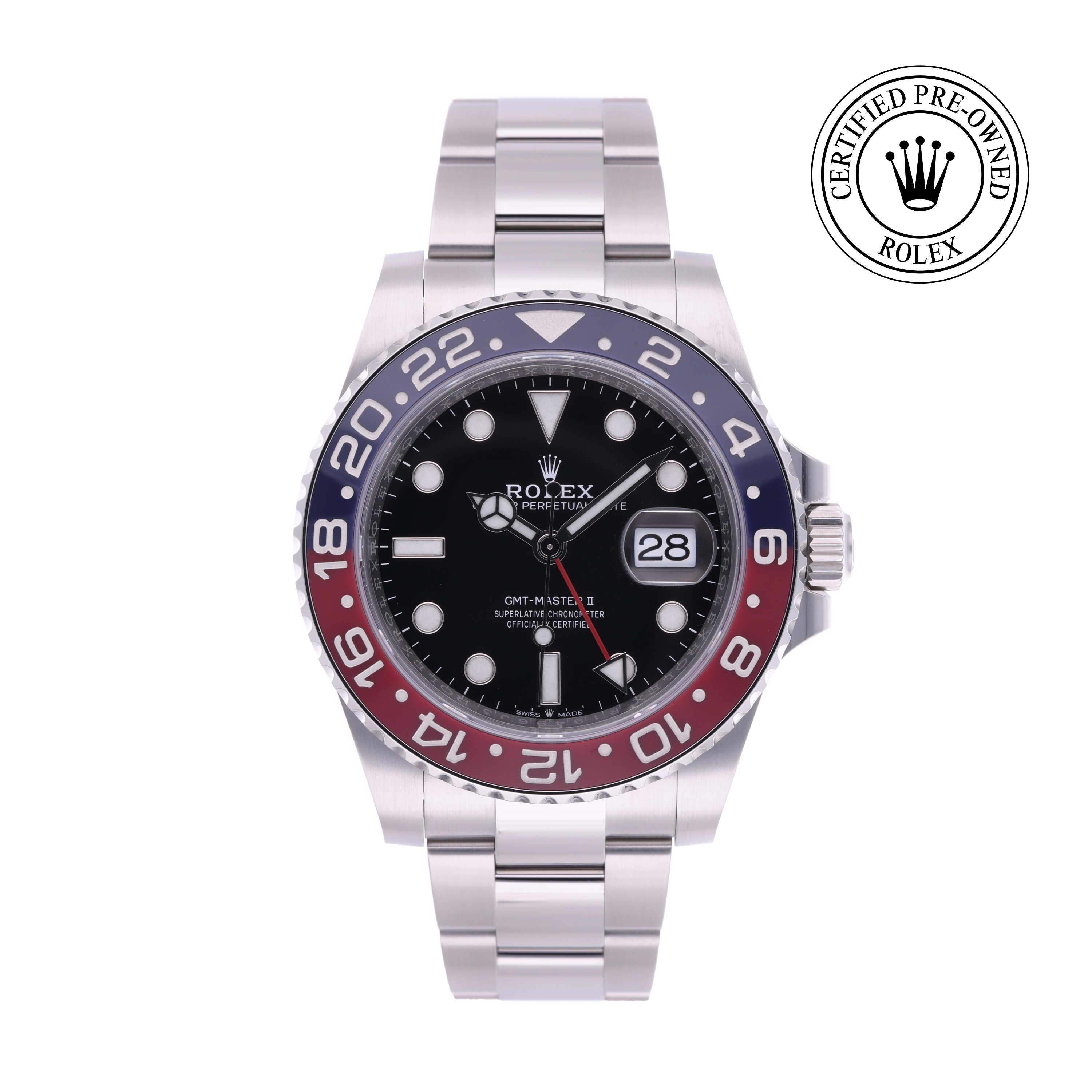
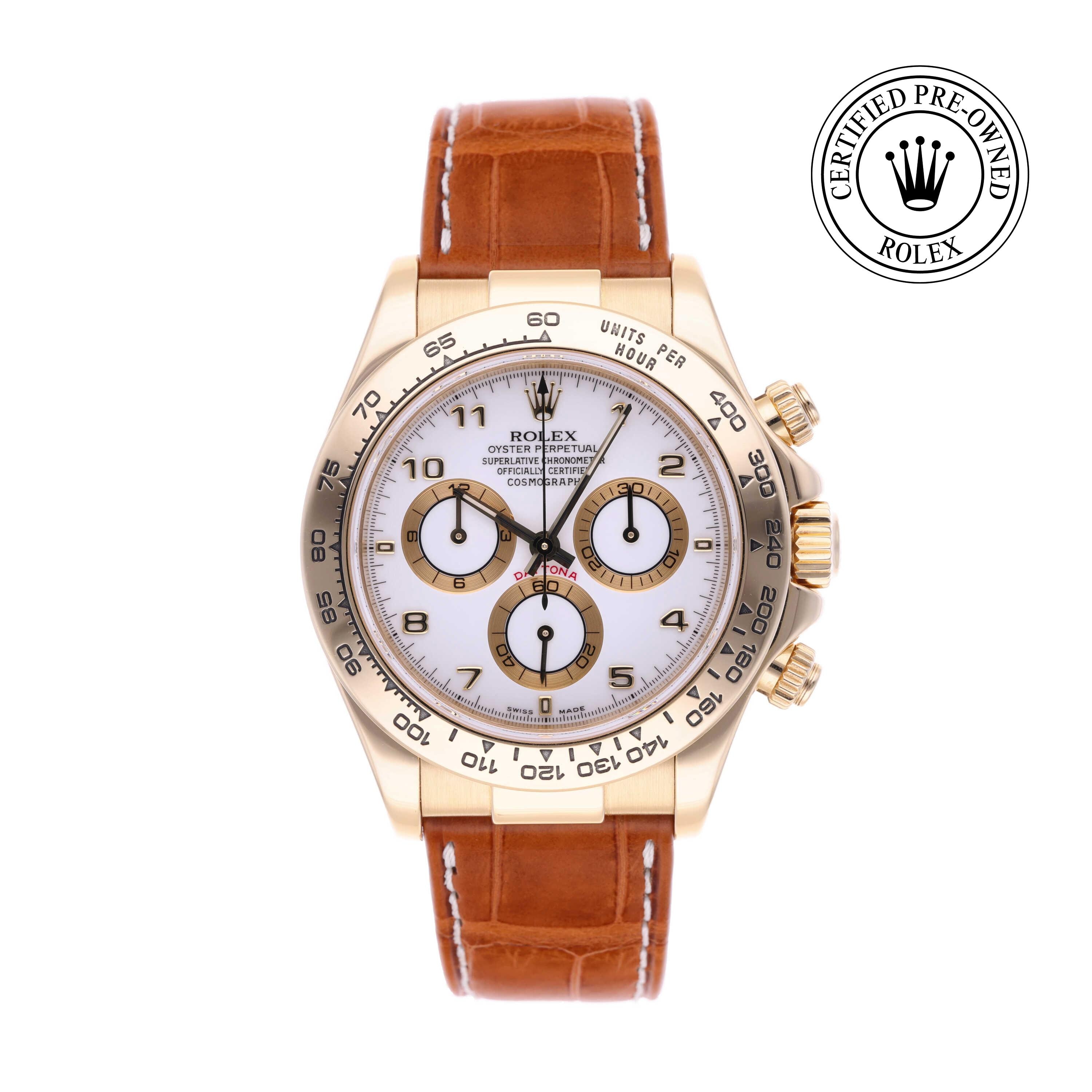
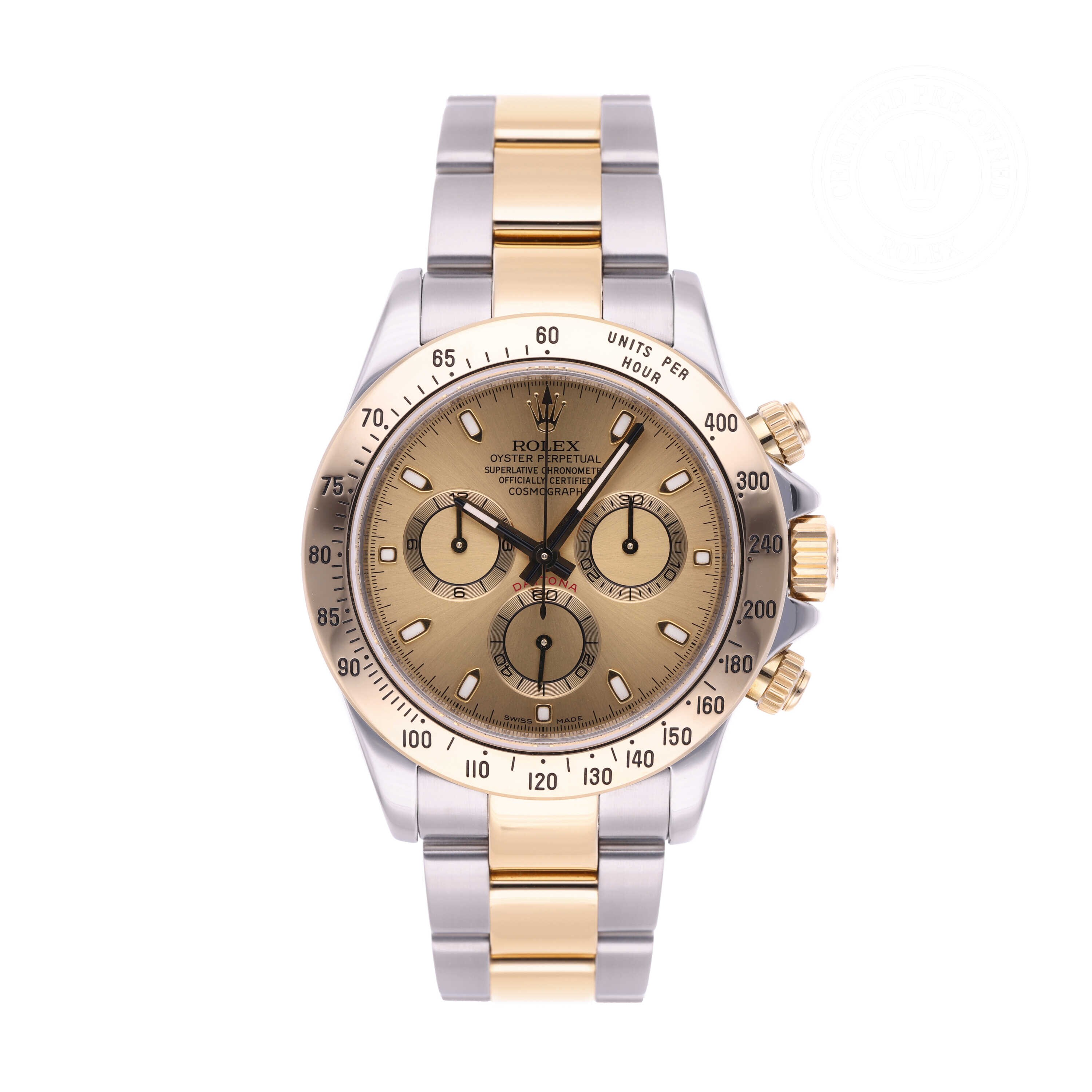
The 116523 arrived in 2000 as the watch that ended Rolex's long reliance on Zenith for its chronograph movement. The calibre 4130 beneath the dial was the result: designed entirely in-house, built around a vertical clutch and column-wheel, it gave the Daytona a pusher action that engages without the slight jolt of a lateral clutch, and a 72-hour reserve that outlasts most weekends away from the drawer. At 12.3mm thick the watch is genuinely flat for a chronograph of this complication, and it sits under a cuff in a way that many rivals at 40mm will not. The two-tone Rolesor case pairs with a champagne dial in a combination that reads as dressed without being formal — the warm registers against the steel subdials giving the layout a depth that plain white or black does not. The Oysterlock clasp carries an Easylink extension, adjustable without tools, which makes a real difference across a day when a wrist expands slightly in heat.
- Reference
- 116523
- Brand
- Rolex
- Collection
- Cosmograph Daytona
- Case size
- 40mm
- Case thickness
- 12.5mm
- Lug width
- 20mm
- Case material
- Two-tone
- Case shape
- Round
- Dial
- Champagne
- Crystal
- Sapphire
- Bezel
- Fixed
- Movement
- Automatic
- Calibre
- 4130
- Functions
- Chronograph, Small seconds, Tachymeter
- Water resistance
- 100m
- Bracelet / strap
- Stainless steel bracelet
- Strap colour
- Two-tone
- Clasp
- Folding clasp
- Lume
- Super-LumiNova
- Condition
- Pre-owned
- Retailer
- Goldsmiths
Additional specifications
- Lug-to-lug
- 46.5mm
- Power reserve
- 72 hours
- Gem set
- Yes
Learn more about Rolex
Hans Wilsdorf founded Wilsdorf & Davis in London in 1905 with his brother-in-law Alfred Davis, importing Swiss movements and casing them in England. He registered the name Rolex in 1908 — short, pronounceable in any language, and easy to fit on a dial.
Wilsdorf's conviction was that the wristwatch, then regarded as a woman's ornament and hopelessly fragile, could be made accurate and durable. He proved the first half in 1910 by obtaining the first chronometer certification for a wristwatch, and the second in 1926 with the Oyster case, sealed by a screw-down crown and caseback. Mercedes Gleitze swam the Channel wearing one in 1927, and Wilsdorf bought the front page of the Daily Mail to say so — arguably the first modern watch marketing campaign.
The Perpetual rotor followed in 1931, giving automatic winding in a form the whole industry eventually copied. The company relocated to Geneva during the First World War to escape British wartime duties.
The professional models arrived in a compressed burst in the 1950s: Submariner, Explorer, GMT-Master, Milgauss, and later the Daytona. Each was built for a specific job — diving, exploration, aviation, laboratory work, racing — and each became a design template.
Wilsdorf left his shares to a private foundation on his death, so Rolex answers to no shareholders. It remains the largest producer of certified chronometers in Switzerland by a wide margin.
- 1905
- Hans Wilsdorf founds Wilsdorf & Davis in London.
- 1908
- The Rolex name is registered.
- 1926
- The Oyster case introduces genuine water resistance.
- 1931
- The Perpetual rotor brings modern automatic winding.
- 1953
- The Submariner and Explorer launch.
- 1963
- The Cosmograph Daytona arrives.
Also in 7 collections
This watch appears in the Rolex Cosmograph Daytona range (15), Automatic Watches (1,693), Chronograph Watches (1,151), Two-Tone Watches (448), Pre-Owned, Ex-Display & Vintage Watches (344), Watch Price Drops (314) and Champagne & Cream Dial Watches (172).
2-year Goldsmiths warranty
What the specifications mean
A mechanical watch for everyday wear.
Strengths
- 100m water resistance covers swimming and watersports
- 40mm suits most wrists
- 46.5mm lug-to-lug keeps the 40mm case wearable
- Sapphire crystal, which resists scratching
- 72-hour reserve survives a weekend off the wrist
Price history
This watch is currently at its lowest recorded price. It reached £19,850 on 20 September. Prices are checked every day, and we record any changes.
Rolex Cosmograph Daytona alternatives
Watches from other brands at a similar price, style and size, so you can see what else your budget can buy.
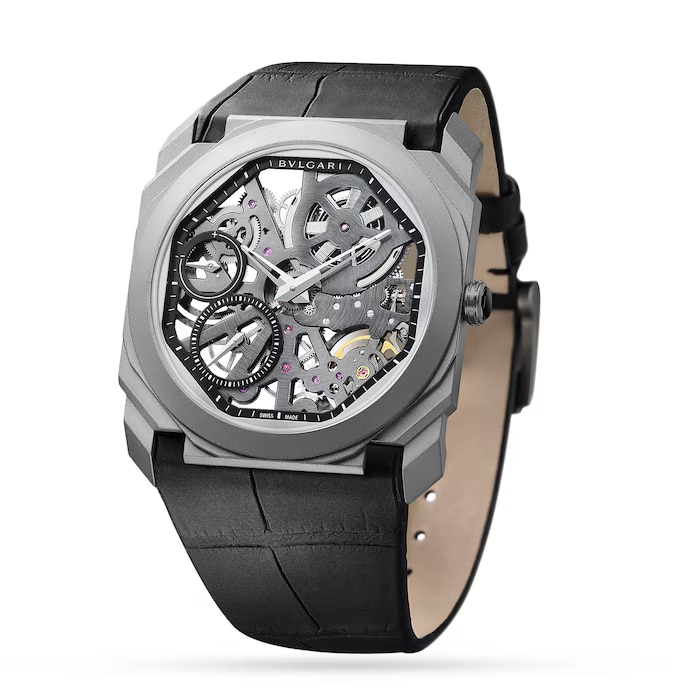
| Specification | 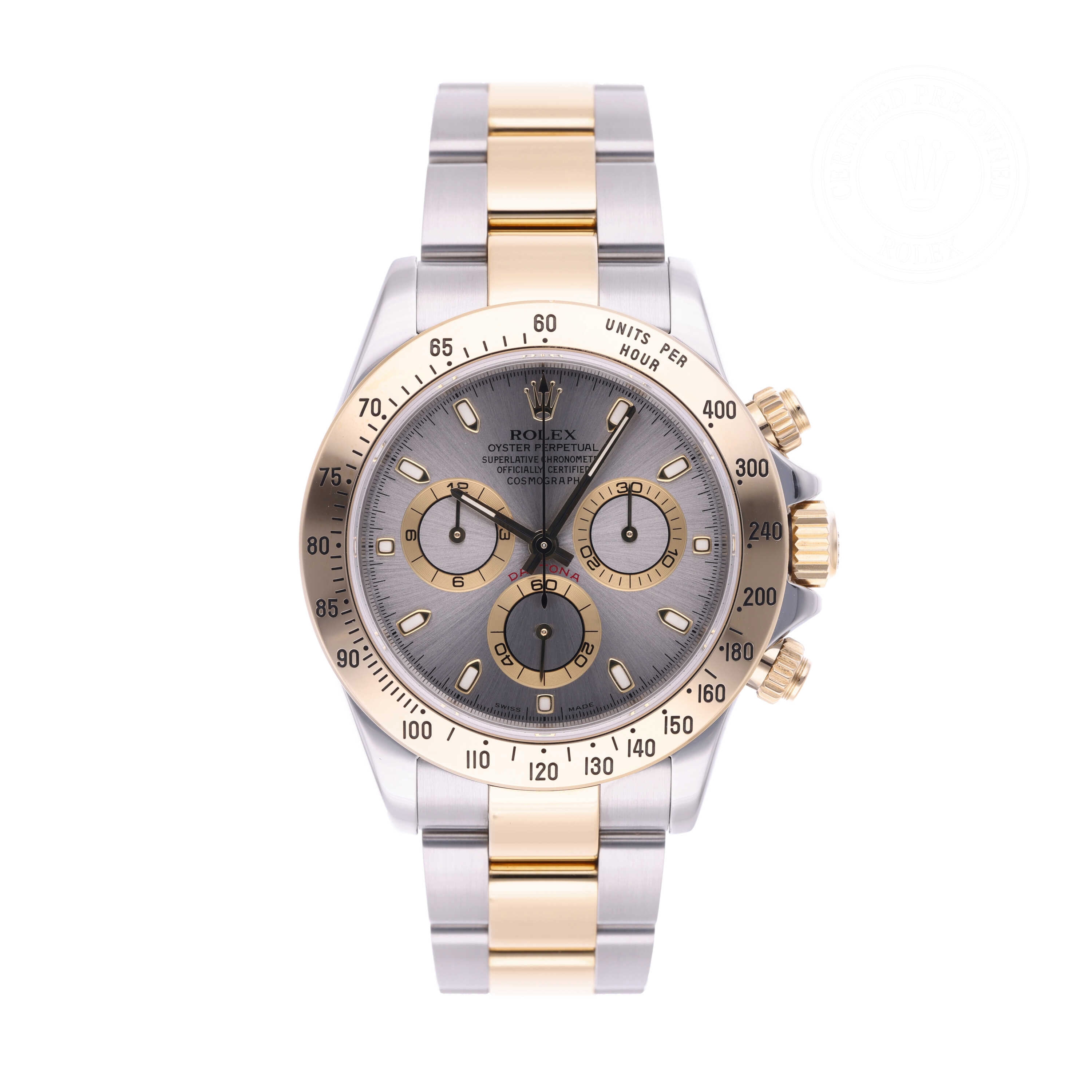 116523 116523 | LONGITUDE-WG-R-S | 102714 |
|---|---|---|---|
| Price | £16,455 | £17,325 | £17,325 |
| Case size | 40mm | 40mm | 40mm |
| Water resistance | 100m | 50m | 30m |
| Movement | Automatic | Automatic | Automatic |
| Strap | Stainless steel bracelet | Leather strap | Leather strap |
| Power reserve | 72 hours | — | 65 hours |
| This watch |
|
|

Your new watch
Frequently asked questions, and things you should know about this watch
Can I swim with it?
Yes. At 100m it is rated for swimming and snorkelling, though not for diving.
Water resistance explainedWill the glass scratch?
Unlikely. Sapphire is second only to diamond in hardness and shrugs off everyday marking.
Sapphire, mineral and acrylic comparedDoes it need a battery?
No. It is automatic — the motion of your wrist winds it, and there is no cell to replace.
Quartz, automatic and solar comparedHow long does it run for when it's not worn?
About 72 hours fully wound — enough to sit off the wrist over a weekend and still be running.
What size strap does it take?
20mm. Any strap of that width will fit, and on most modern watches quick-release bars make the swap a two-minute job with no tools.
Will it fit my wrist?
Lug-to-lug is 46.5mm, which suits wrists from roughly 16cm (6¼ inches) upward.
Lug-to-lug decides fit more than case diameter does.
How to size a watch to your wristIs it a men's or women's watch?
Listed as men's, though at 40mm it sits in the range that suits anyone.
Cheapest place to buy
Goldsmiths at £16,455 is the cheapest of 20 UK retailers, against £24,450 at the dearest — a difference of £7,995.
Has the price changed recently?
It's currently at its lowest recorded price since we began tracking it. It's ranged between £16,455 and £19,850, today it's £16,455.
More Rolex watches like the Cosmograph Daytona
In stock, and close on style and price