
Brand
Seiko
Est. 1881 · Tokyo, Japan
A century of Japanese watchmaking spanning quartz pioneers to in-house Spring Drive.
Half cost less than £360, and a quarter less than £299.
Learn more about SeikoShow less
Kintaro Hattori opened a watch and clock shop in Tokyo in 1881, aged twenty-one, and began manufacturing under the name Seikosha — roughly, house of exquisite workmanship — in 1892. The Seiko name appeared on watches from 1924.
The company's significance is that it broke the Swiss monopoly twice. First on precision: Seiko was appointed official timekeeper of the 1964 Tokyo Olympics and built the quartz chronometers and printing timers to do it, and in the 1960s its movements placed highly at the Neuchâtel and Geneva observatory trials against the best Swiss houses.
Then on technology. On Christmas Day 1969 Seiko released the Astron, the world's first quartz wristwatch, accurate to five seconds a month where mechanical watches managed that per day. The consequences for Switzerland were catastrophic — employment in the Swiss industry fell by roughly two-thirds over the following decade. Seiko deliberately did not enforce its quartz patents, allowing the technology to spread.
The same year it produced the 6139, among the first automatic chronographs, and it has since introduced Kinetic, Spring Drive — a hybrid regulating a mechanical mainspring electronically, giving a perfectly gliding seconds hand — and its own dive and field lines.
Seiko remains fully vertically integrated, making its own hairsprings, quartz crystals, and even the Zaratsu-polished cases, at price points from under a hundred pounds upward.
Seiko holds 203 models, from £110 to £3,550. Half cost less than £360, and a quarter less than £299. 143 of 203 are automatic. 55 are stocked by more than one retailer, giving 280 offers in total. Prices are checked nightly against the retailers’ own feeds.
- 1881
- Kintaro Hattori opens his Tokyo shop.
- 1924
- The first watches carry the Seiko name.
- 1964
- Official timekeeper of the Tokyo Olympics.
- 1969
- The Astron becomes the first quartz wristwatch.
- 1999
- Spring Drive enters production.
261 watches
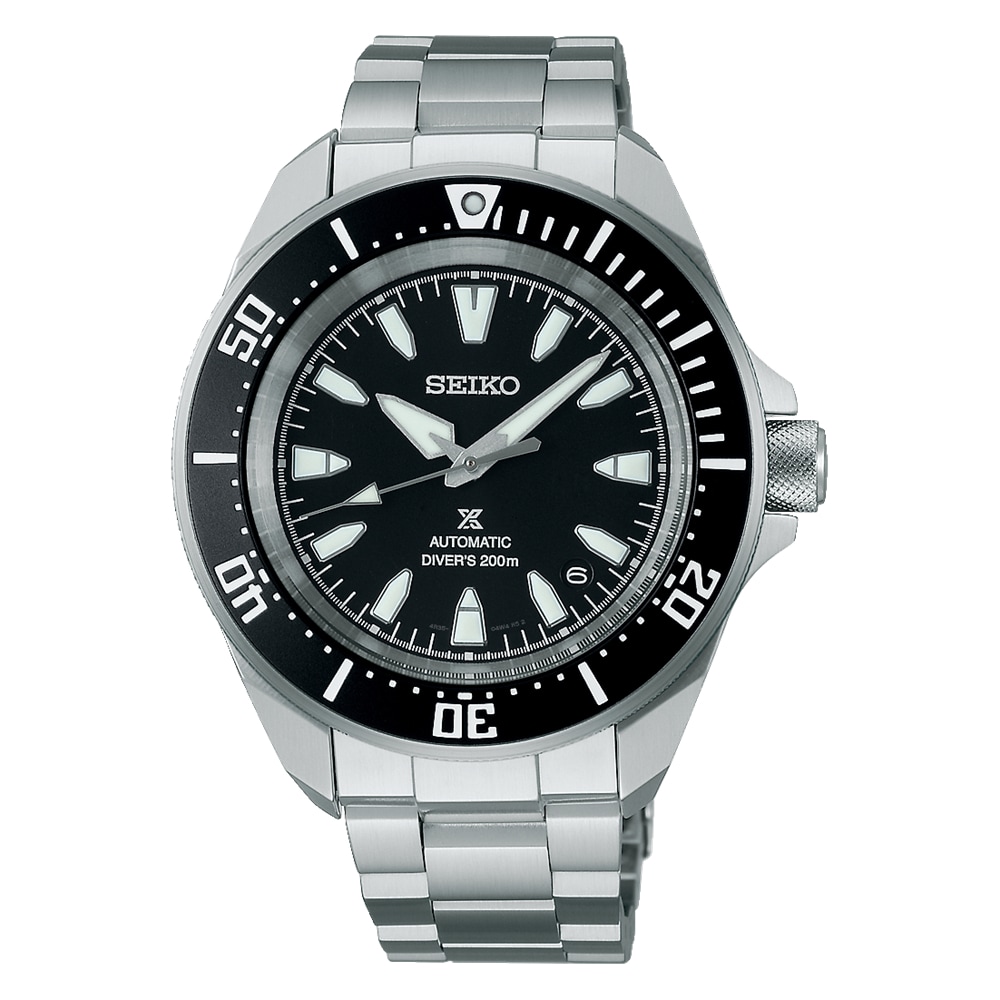
Seiko
4R Black 'Shog-urai' Diver 41.7mm Mens Watch
£580
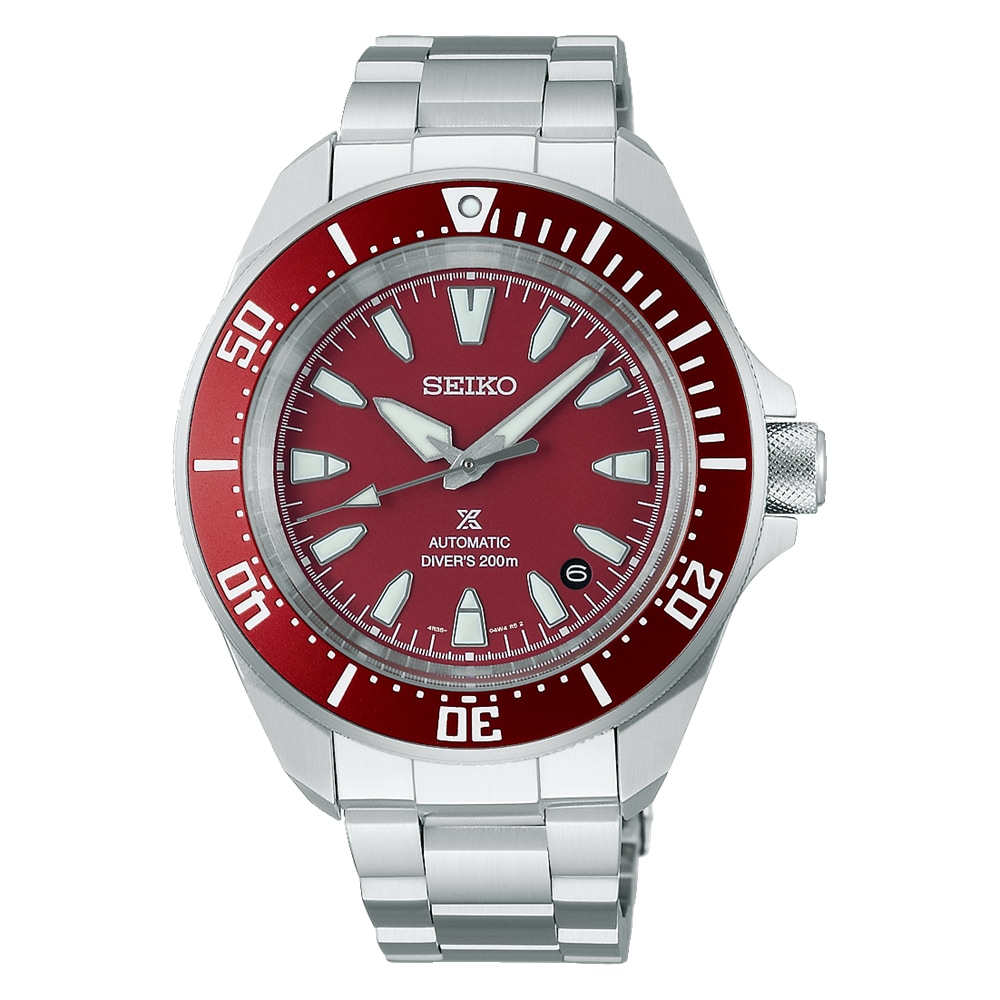
Seiko
4R Red 'Shog-urai' Diver 41.7mm Mens Watch
£580
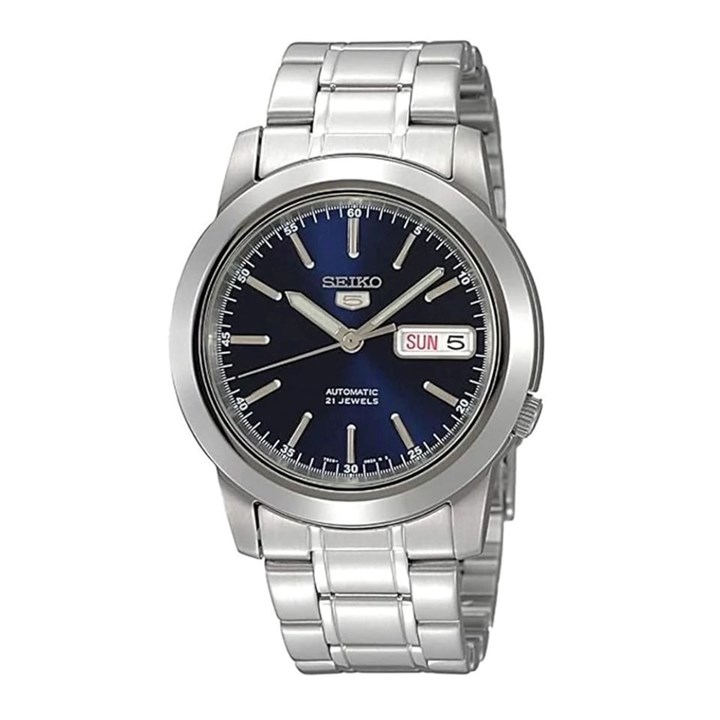
Seiko
5 SNKE51K1 Automatic Bracelet Watch - W25538
£174
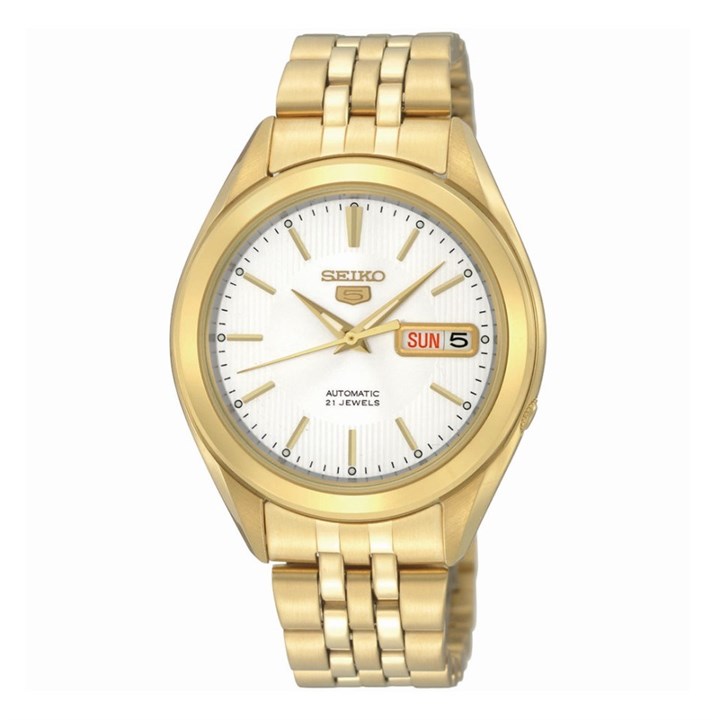
Seiko
5 SNKL26K1 Automatic Bracelet Watch - W25333
£140
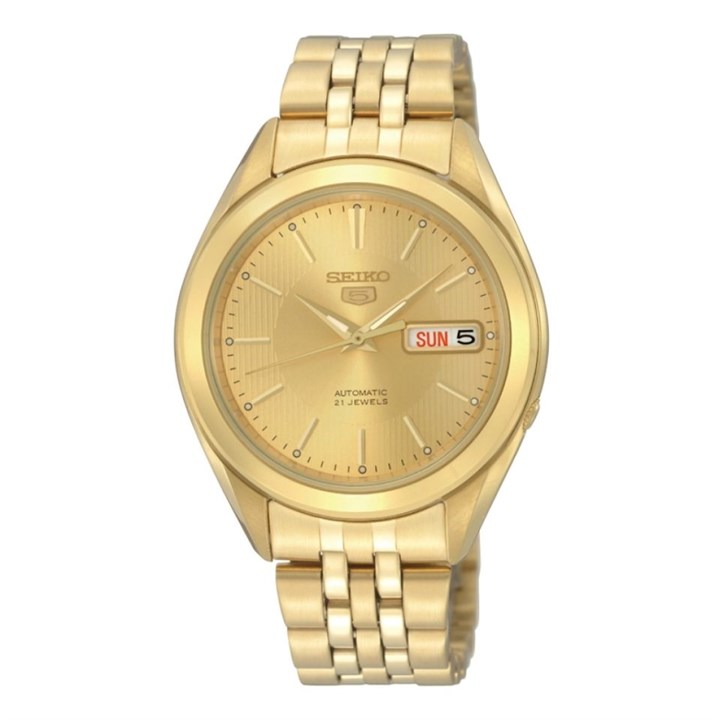
Seiko
5 SNKL28K1 Automatic Gold Tone Bracelet Watch - W25468
£175
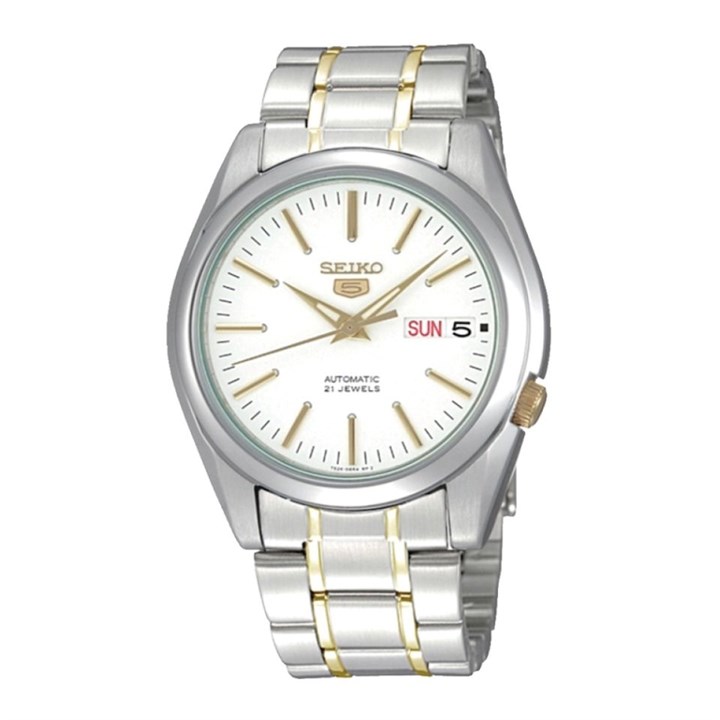
Seiko
5 SNKL47K1 Automatic Two Tone Bracelet Watch - W25470
£174
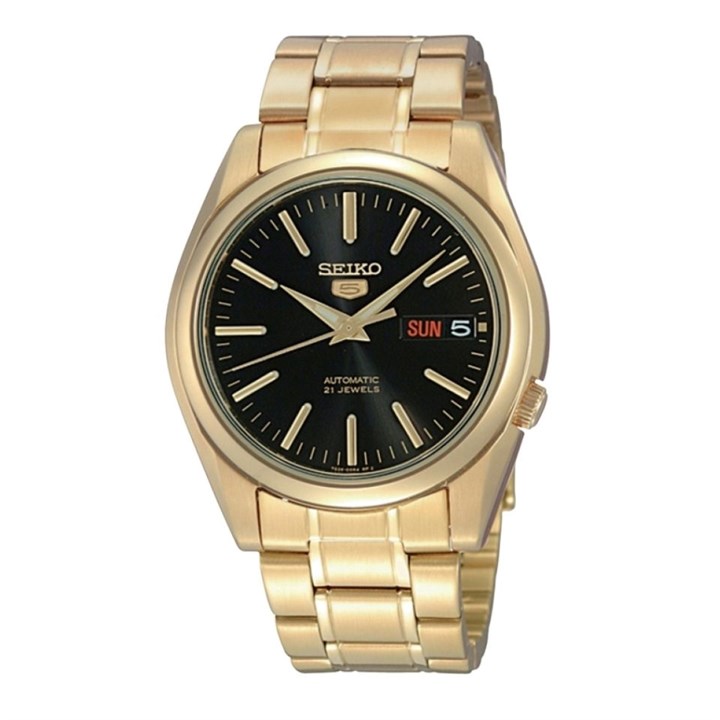
Seiko
5 SNKL50K1 Automatic Gold Tone Bracelet Watch - W25469
£195
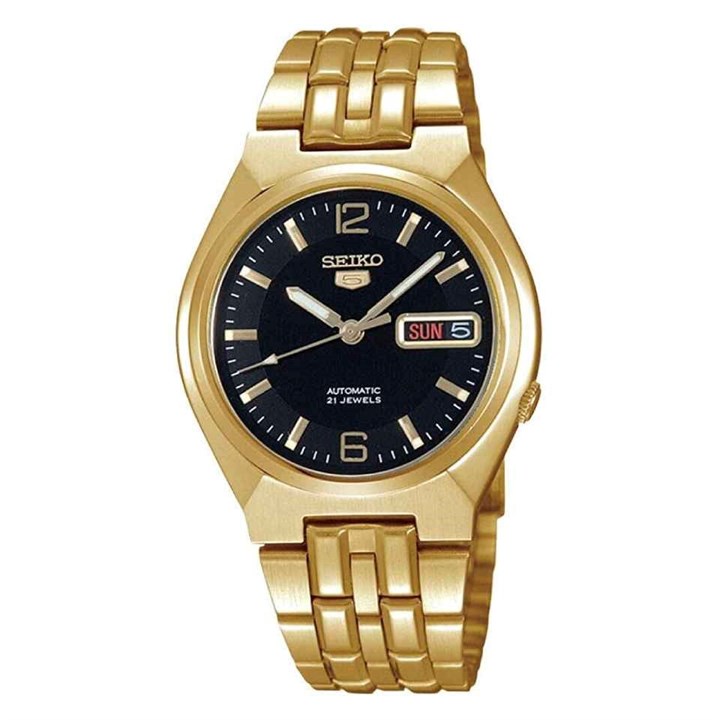
Seiko
5 SNKL66K1 Gold Plated Bracelet Watch - W25479
£175
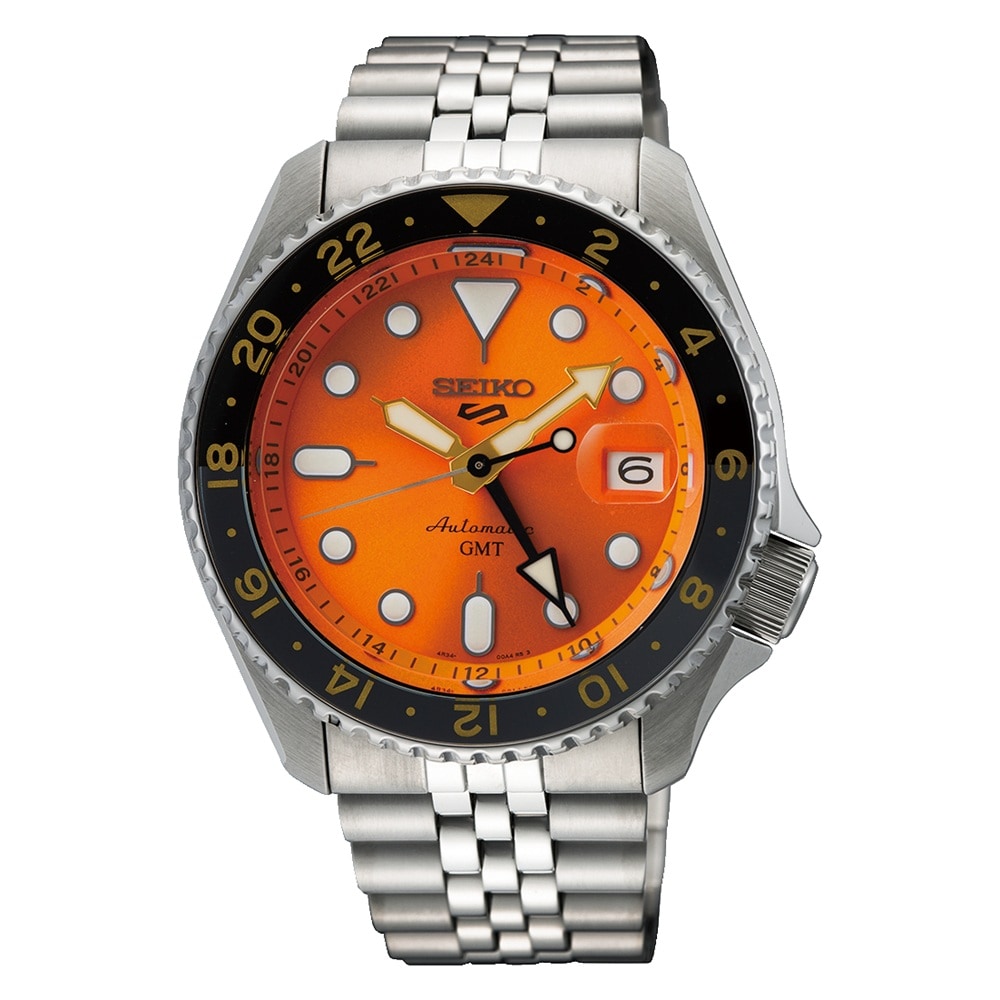
Seiko
5 Sports 'Mikan Orange' GMT SKX Re-Interpretation 42.5mm Mens Watch
£430
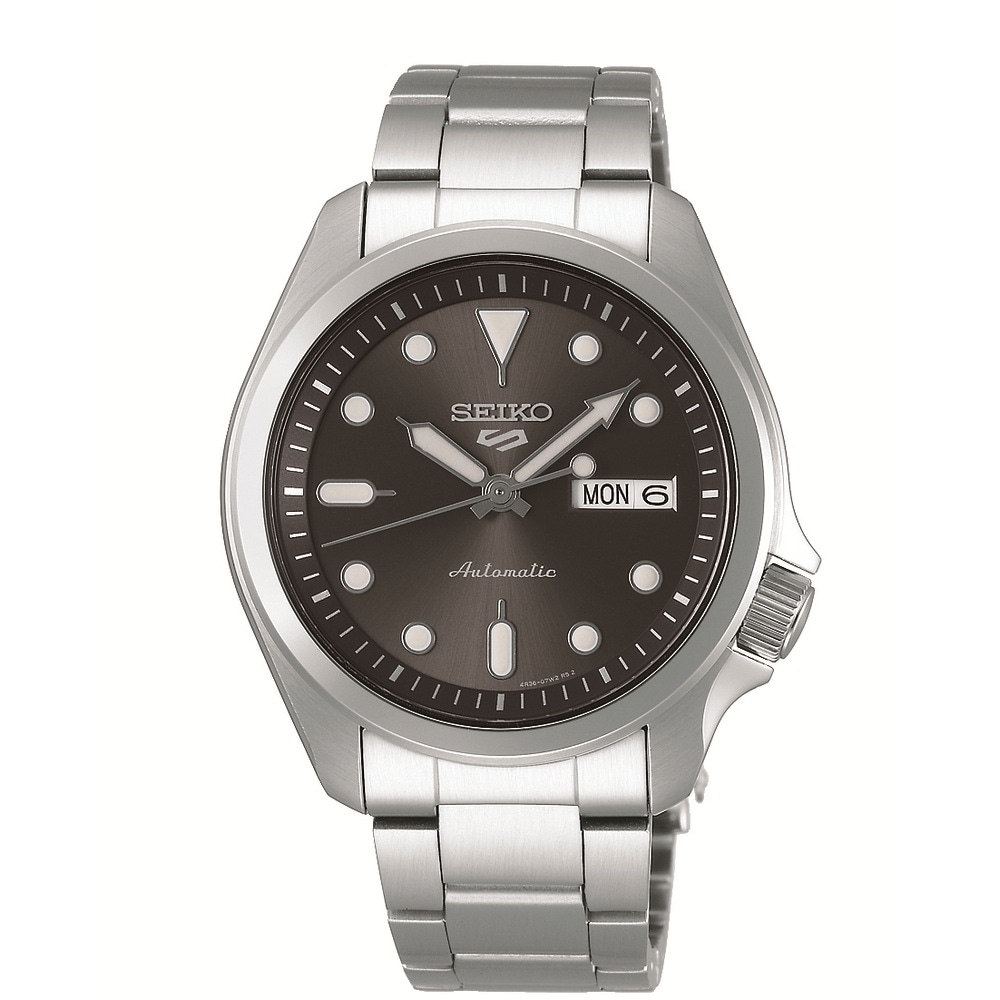
Seiko
5 Sports 40mm Mens Watch Black
£260
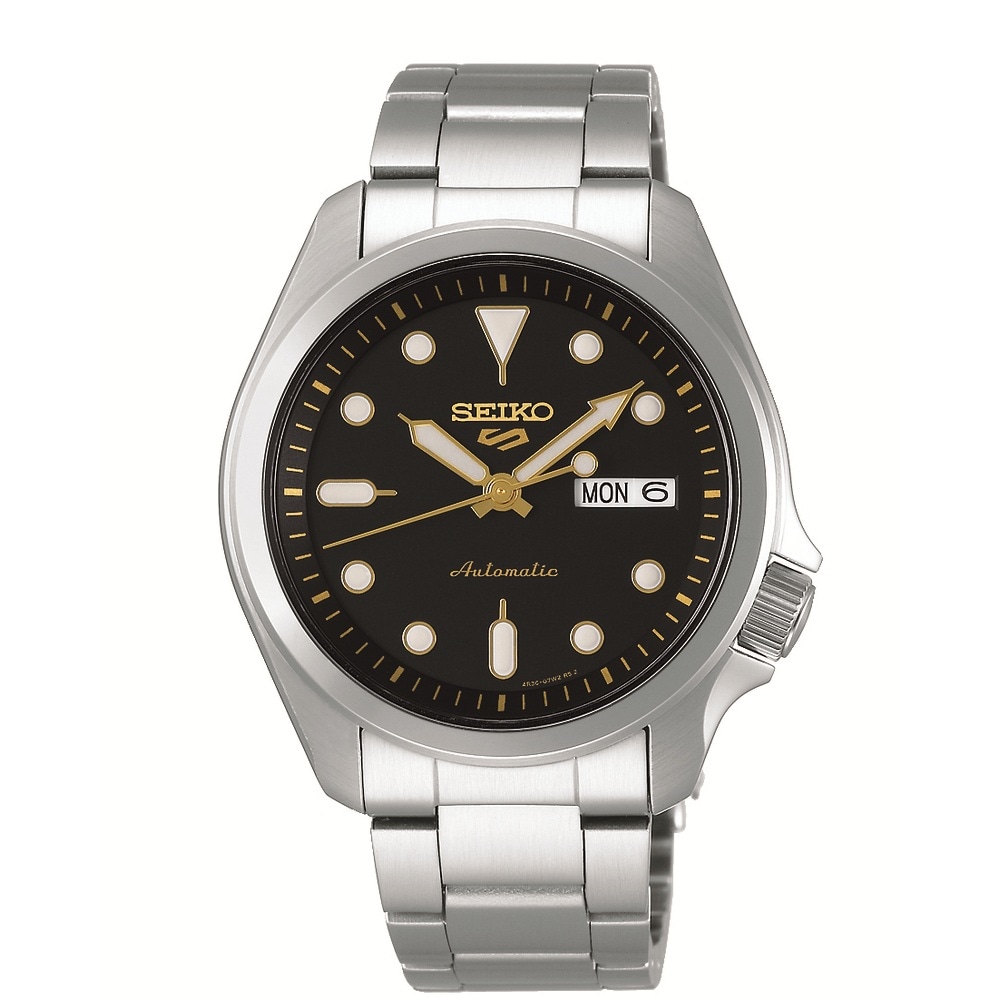
Seiko
5 Sports 40mm Mens Watch Black
£280
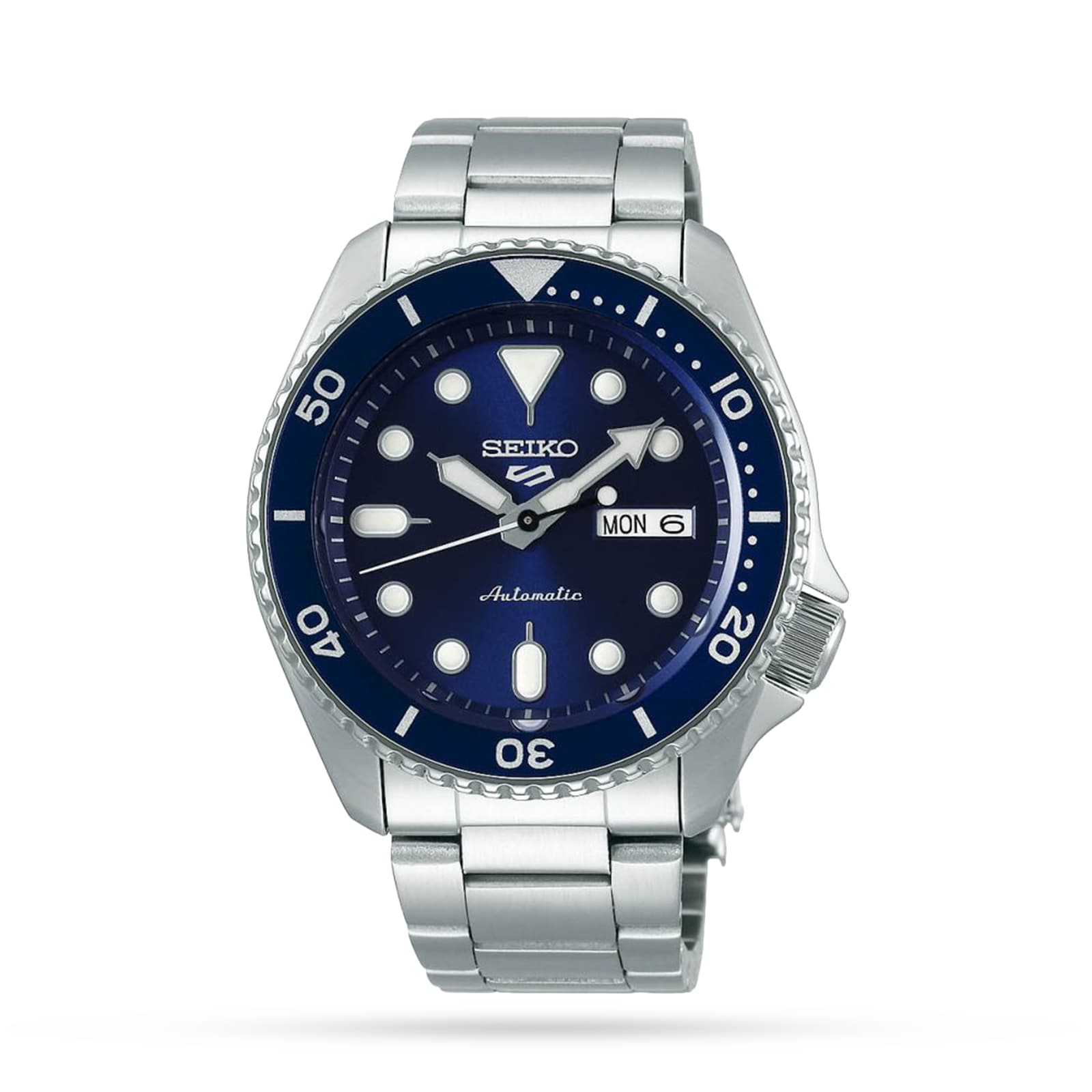
Seiko
5 Sports 42mm Mens Watch
£290

Seiko
5 Sports 145th Anniversary SKX Limited Edition 42.5mm Mens Watch Edo Purple
£390
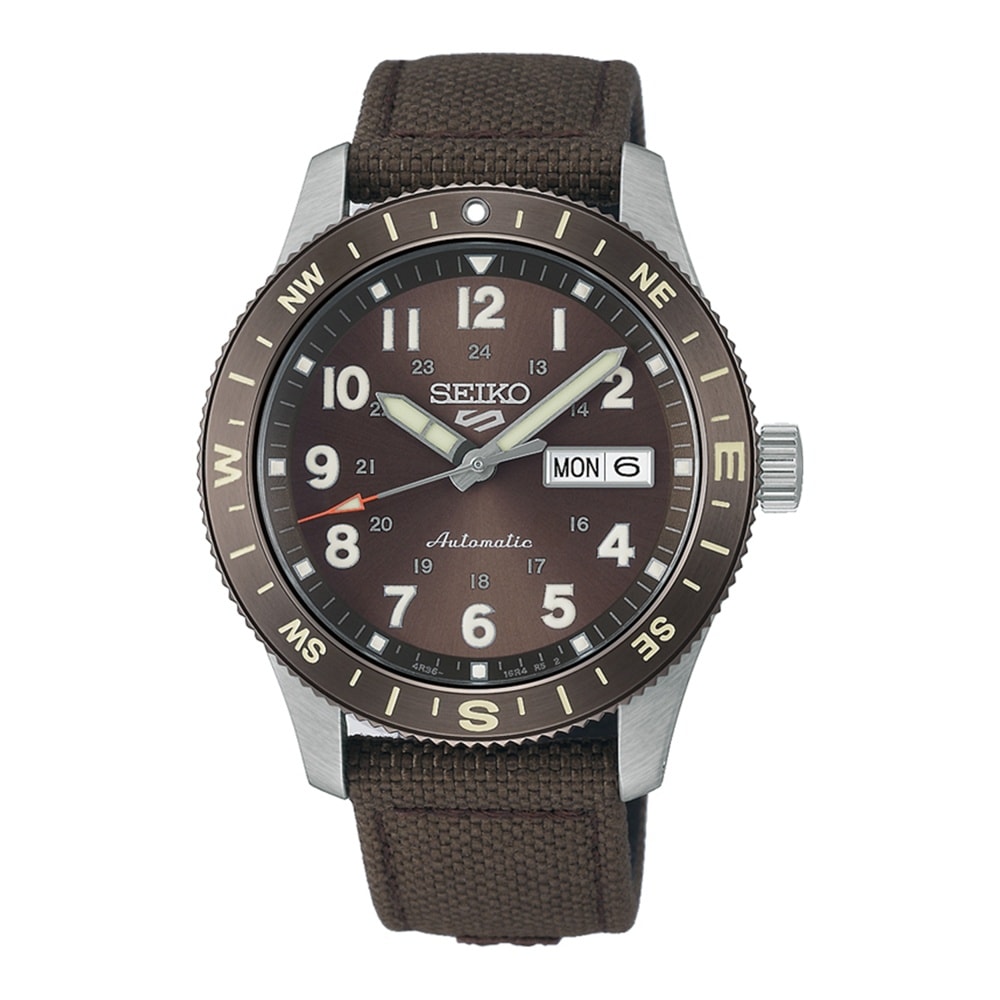
Seiko
5 Sports Field 41mm Mens Watch Coyote Brown
£350
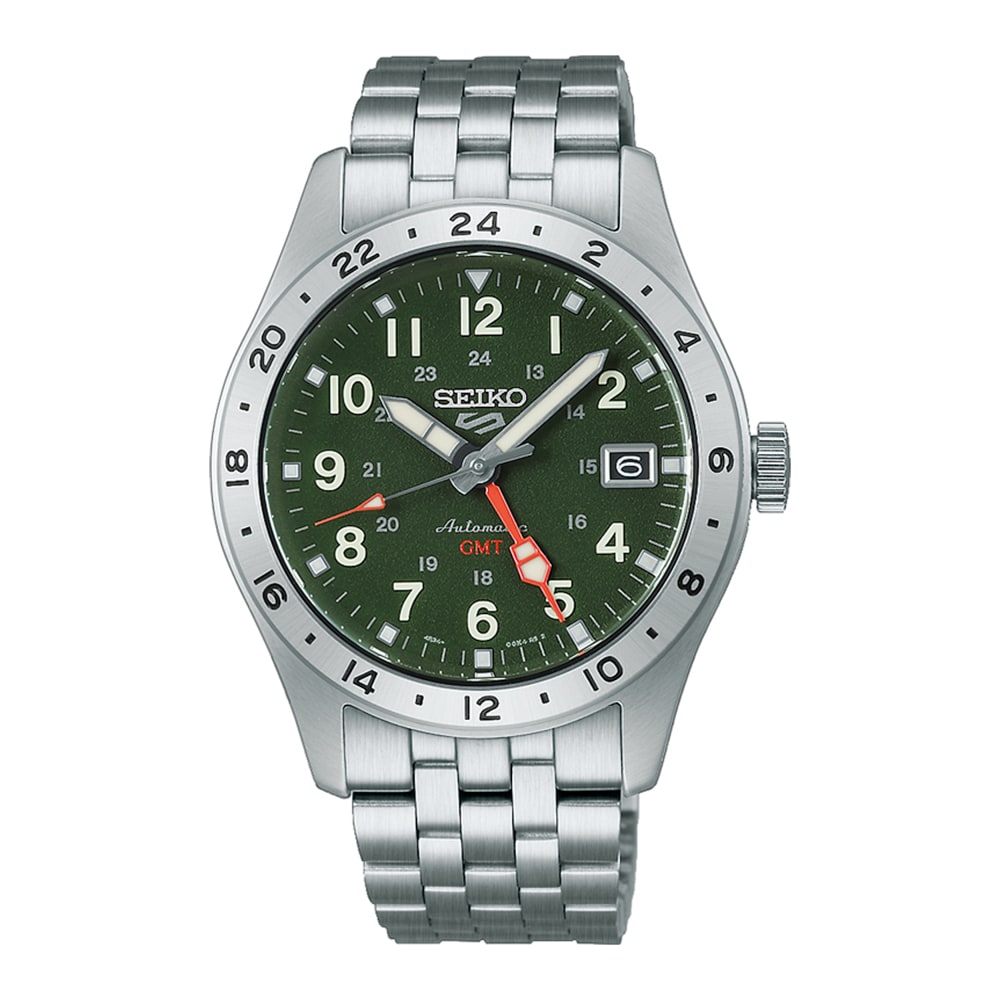
Seiko
5 Sports Field GMT Khaki Drill Green Mens Watch
£410
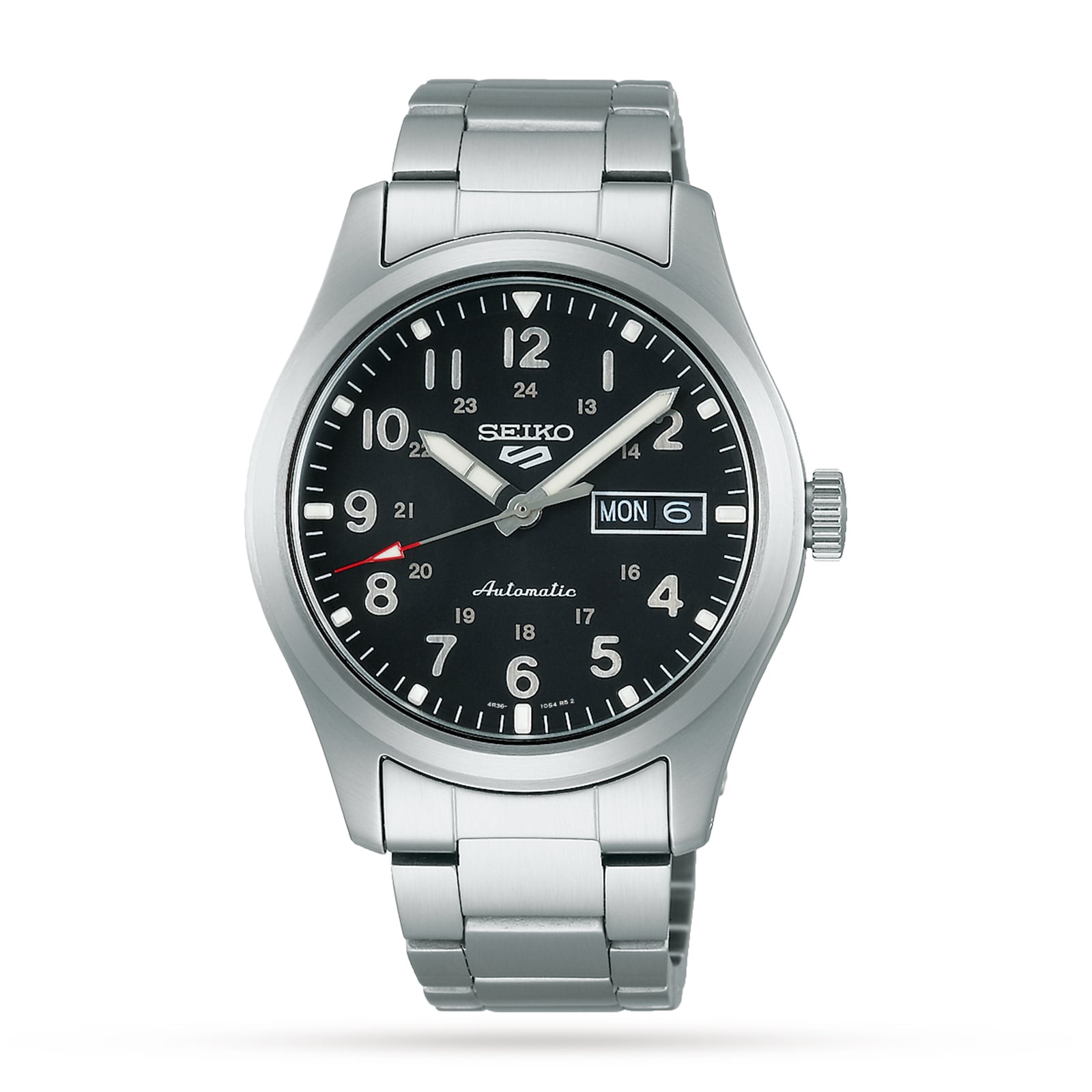
Seiko
5 Sports Field Series 39.5mm Mens Watch Black
£220

Seiko
5 Sports Field series SRPG41K1 Men's Watch – 39.4mm Black Dial Leather
£309

Seiko
5 Sports Field SRPH29K1 Men's Watch – 39.4mm Green Dial Nylon
£280
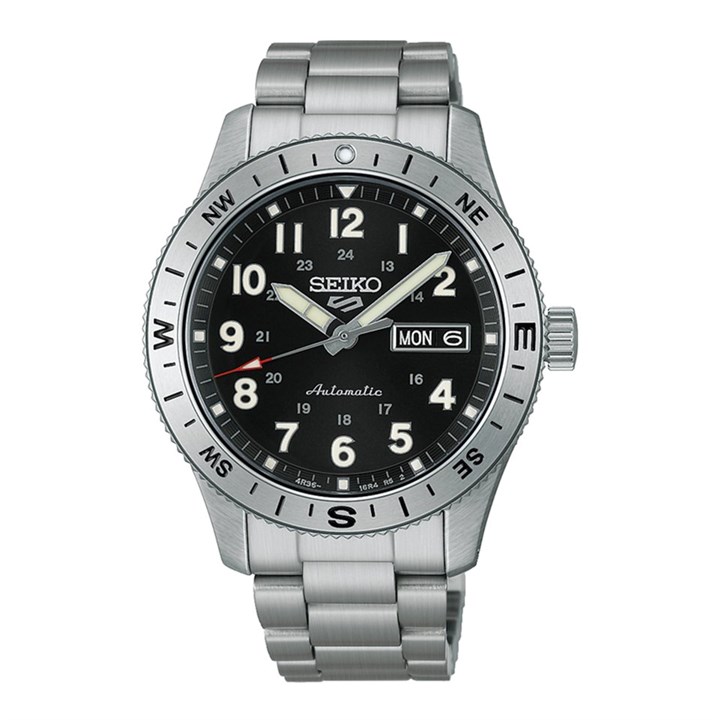
Seiko
5 Sports HDB006K1 Automatic Sports Field Bracelet Watch - W25559
£370
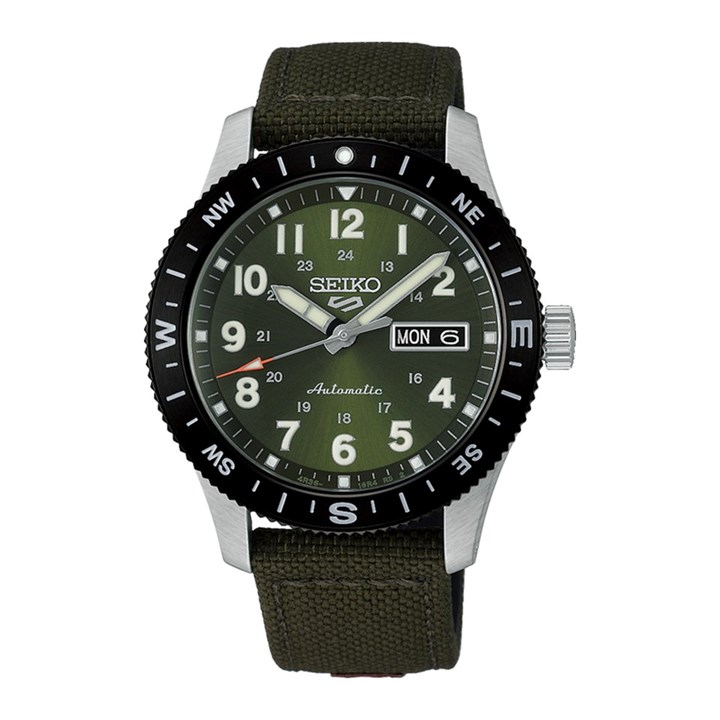
Seiko
5 Sports HDB008K1 Automatic Sports Field Green Strap Watch - W25560
£350
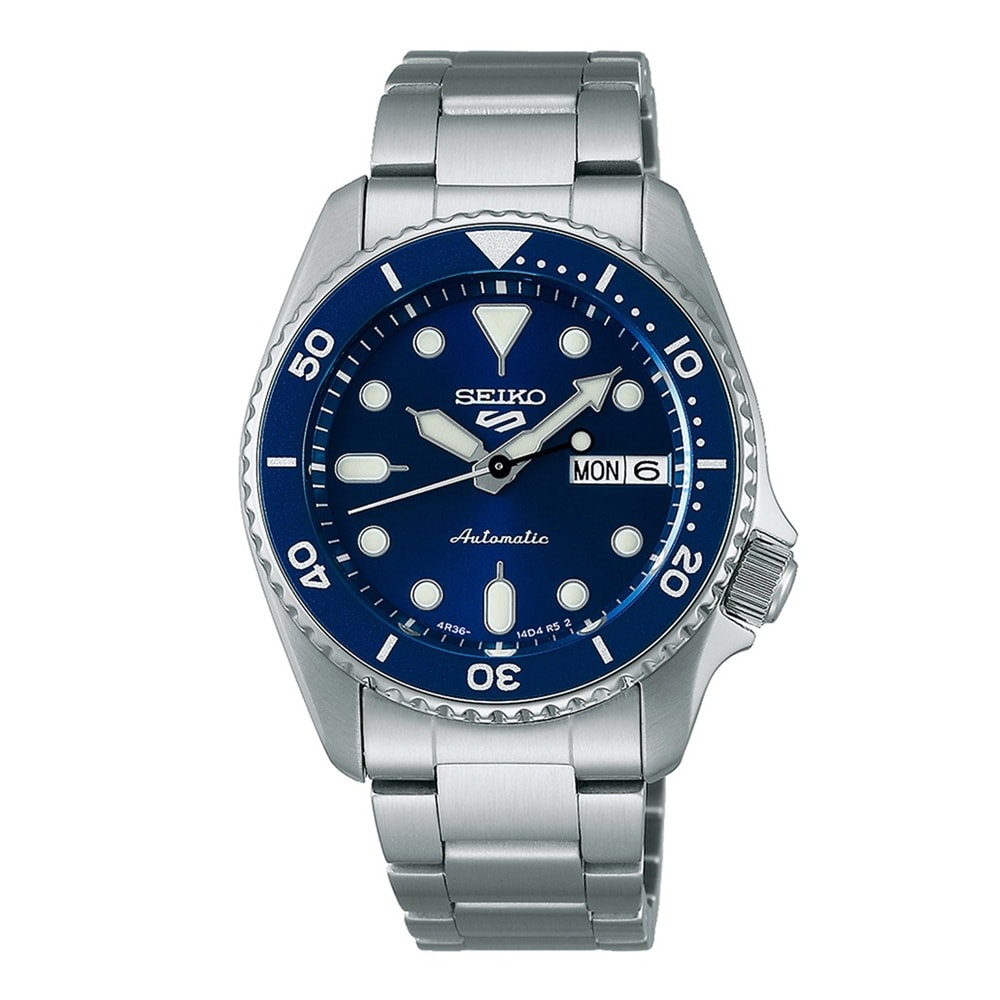
Seiko
5 Sports SKX 'Street Denim' 38mm Mens Bracelet Watch Blue
£310
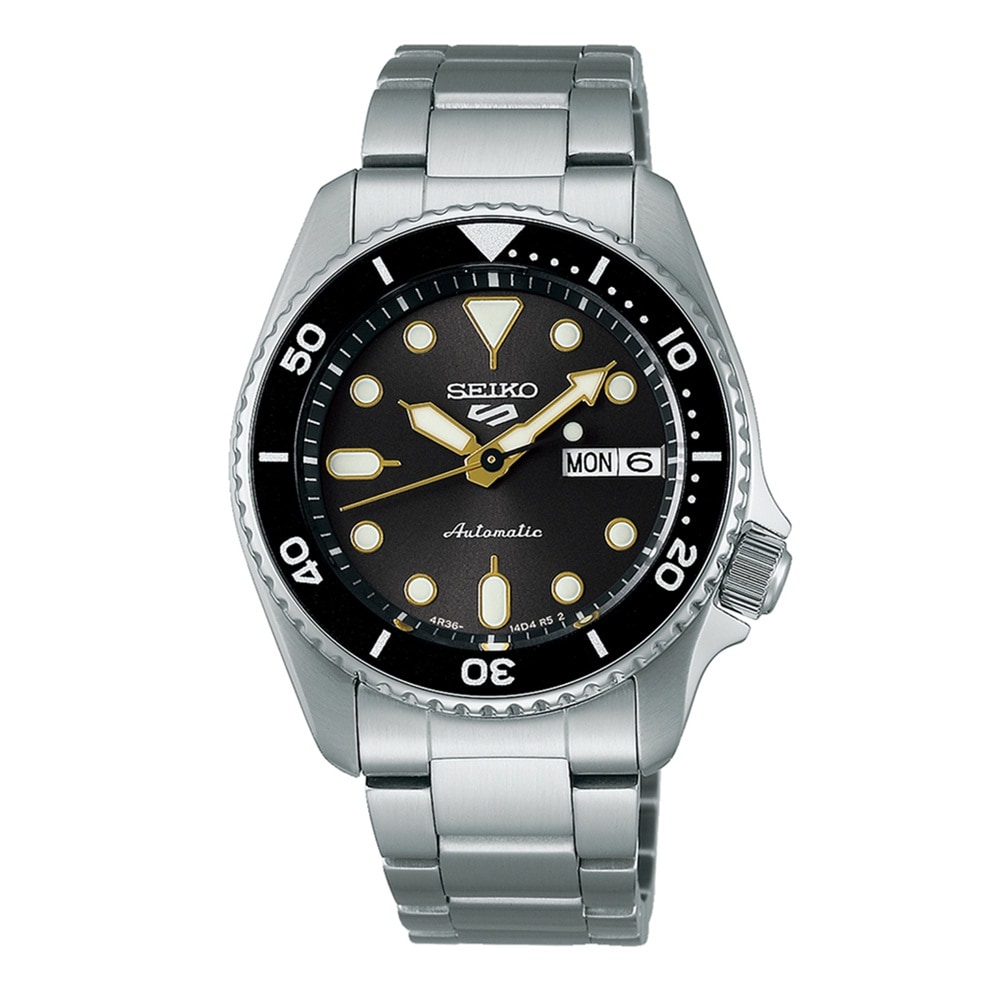
Seiko
5 Sports SKX 'Street Stonewash' 38mm Mens Watch
£310
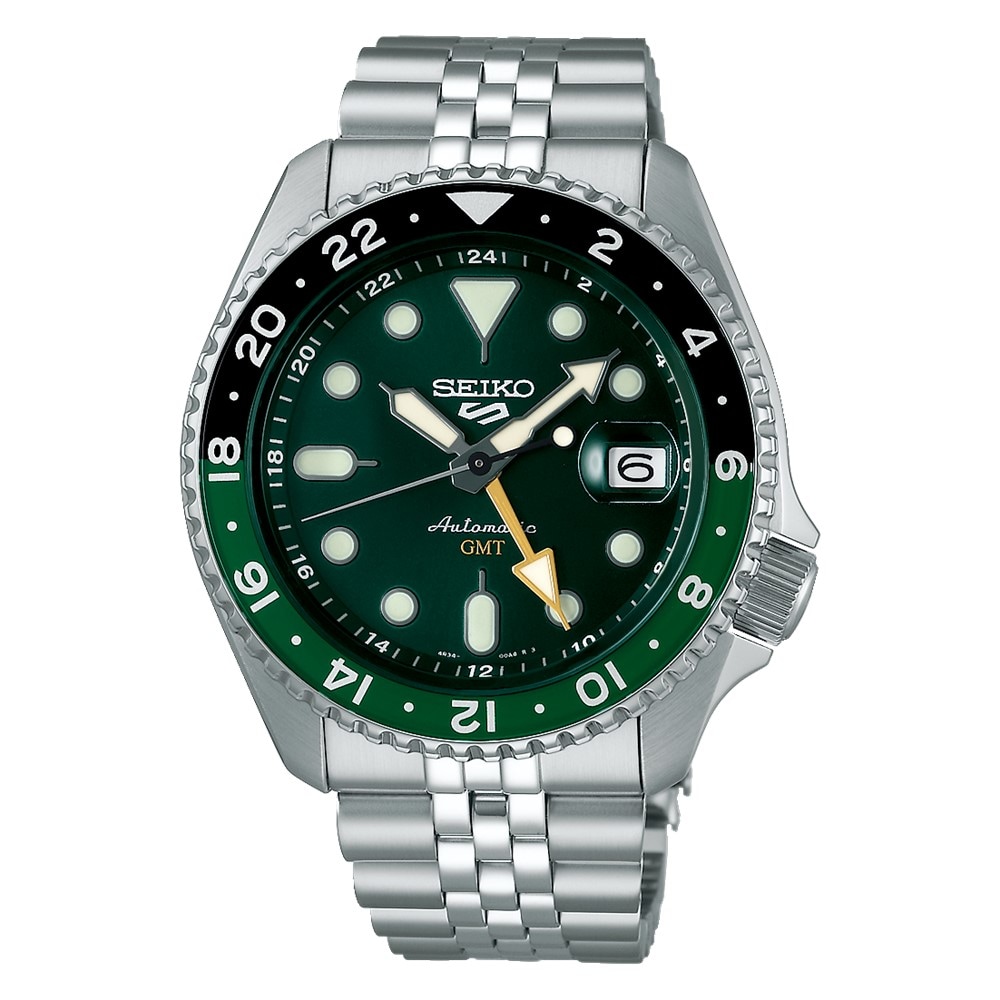
Seiko
5 Sports SKX GMT Bi- Colour 42.5mm Mens Bracelet Watch Green
£430
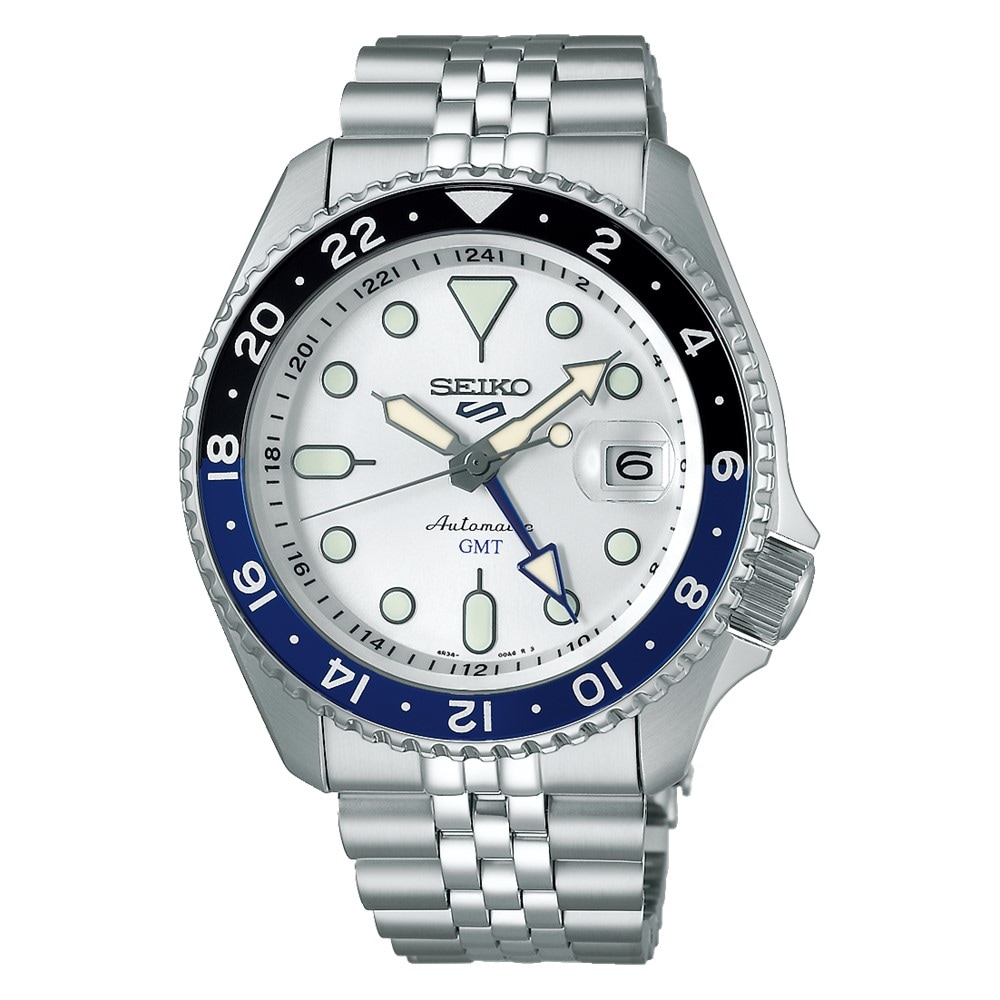
Seiko
5 Sports SKX GMT Sky Blue Silver Cloud 42.5mm Mens Bracelet Watch
£430
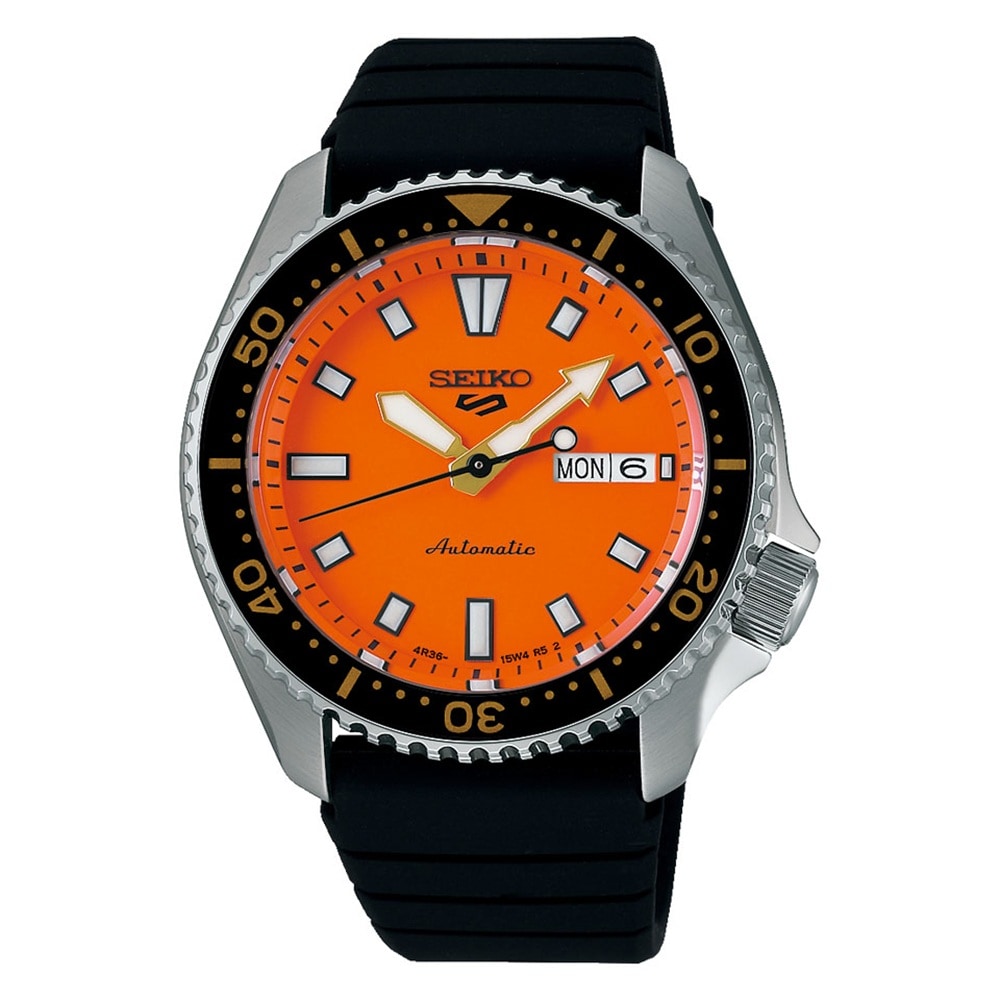
Seiko
5 Sports SKX Redux 'Diachi Orange' 42.5mm Mens Watch Orange
£360
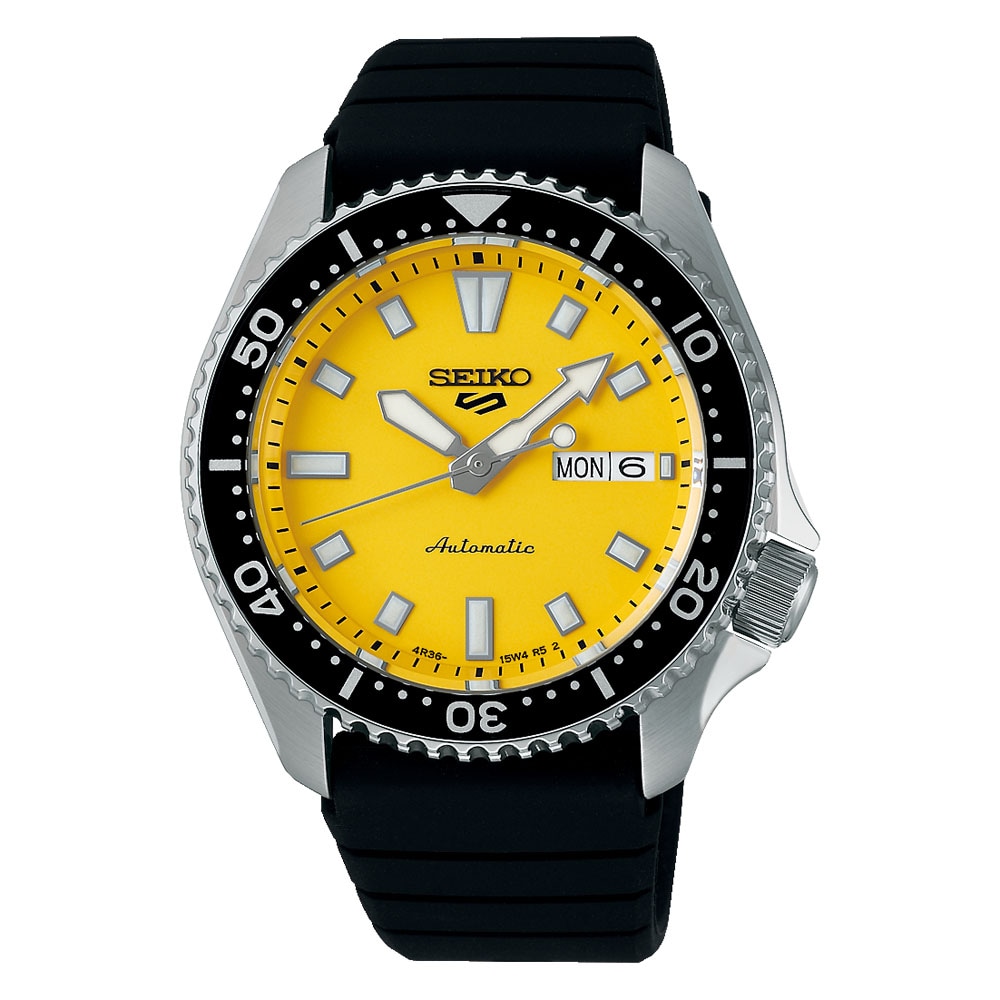
Seiko
5 Sports SKX Redux in Ki-Iro 42.5mm Mens Watch Yellow
£360

Seiko
5 Sports SNXS SRPL55K1 Men's Watch – 37.4mm Navy Dial Stainless Steel
£360

Seiko
5 Sports SNXS SRPL57K1 Men's Watch – 37.4mm Green Dial Stainless Steel
£349

Seiko
5 Sports SNXS SRPL59K1 Men's Watch – 37.4mm Gold Dial Stainless Steel
£349

Seiko
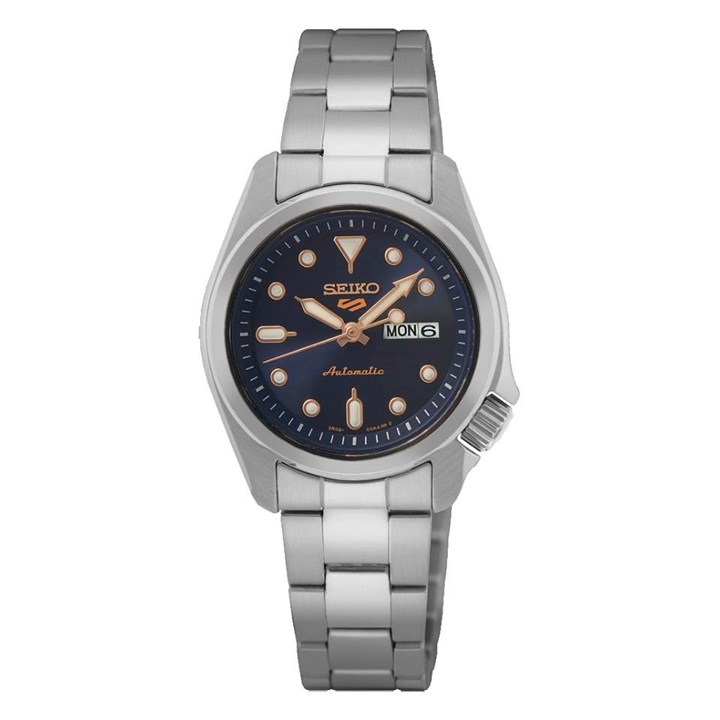
5 Sports Sports Style SRPG29K1 Men's Watch – 39.4mm Blue Dial Stainless Steel
£289
Seiko
5 Sports SRE003K1 'Compact' Bracelet Watch - W78106
£270
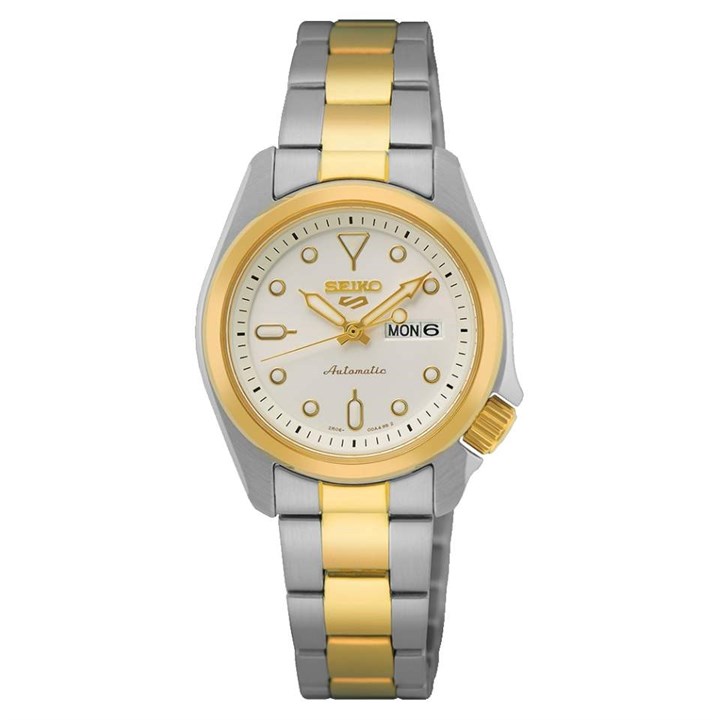
Seiko
5 Sports SRE004K1 'Compact' Two Tone Bracelet Watch - W78107
£320
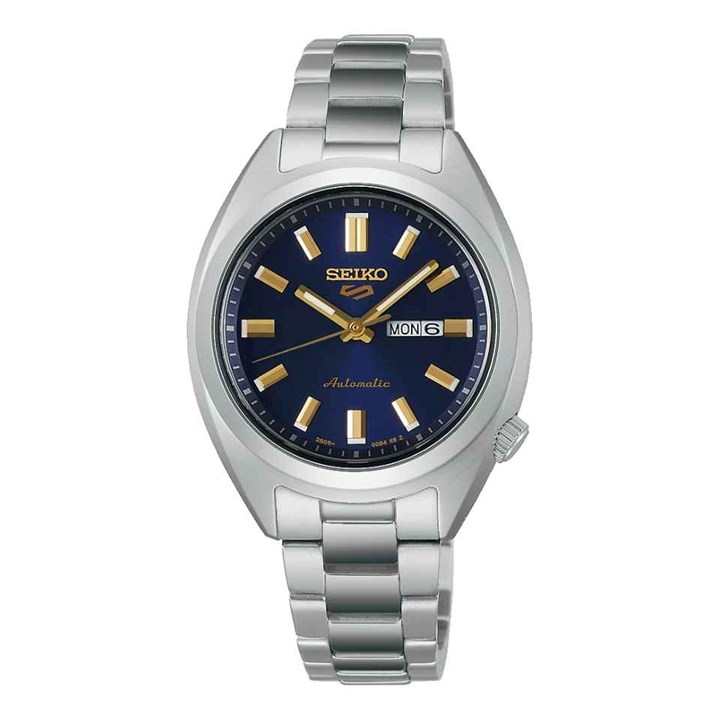
Seiko
5 Sports SRE021K1 SNXS 'Denim Blue' Bracelet Watch - W25533
£330
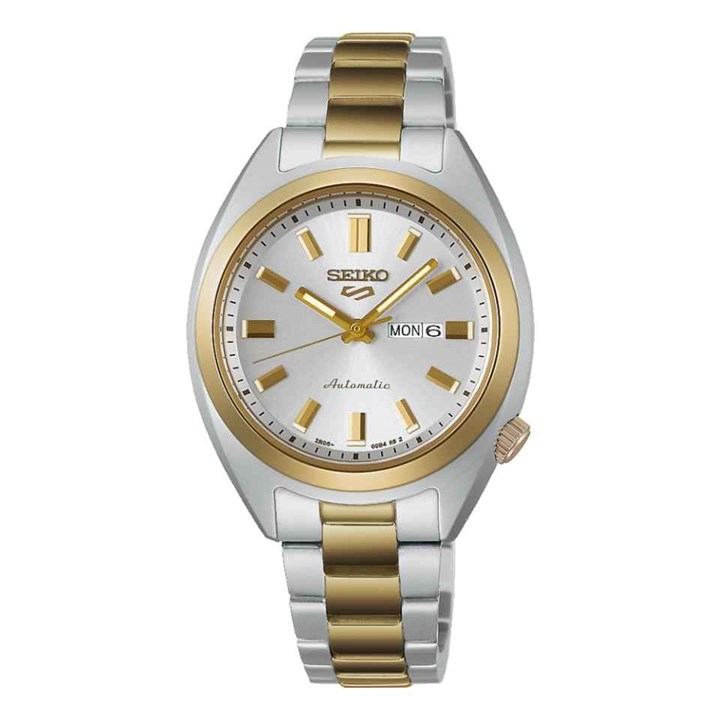
Seiko
5 Sports SRE024K1 SNXS Two Tone Bracelet Watch - W25535
£370

Seiko
5 Sports SRPD51K2 Men's Watch – 42.5mm Blue Dial Nylon
£299

Seiko
5 Sports SRPD53K1 Men's Watch – 42.5mm Blue Dial Stainless Steel
£290

Seiko
5 Sports SRPD55K1 Men's Watch – 42.5mm Black Dial Stainless Steel
£230

Seiko
5 Sports SRPD55K2 Men's Watch – 42.5mm Black Dial Leather
£329

Seiko
5 Sports SRPD57K1 Men's Watch – 42.5mm Black Dial Stainless Steel
£299

Seiko
5 Sports SRPD59K1 Men's Watch – 42.5mm Orange Dial Stainless Steel
£290

Seiko
5 Sports SRPD65K1 Men's Watch – 42.5mm Black Dial Stainless Steel
£329

Seiko
5 Sports SRPD65K2 Men's Watch – 42.5mm Black Dial Silicone
£299

Seiko
5 Sports SRPD65K3 Men's Watch – 42.5mm Black Dial Leather
£329

Seiko
5 Sports SRPD67K1 Men's Watch – 42.5mm White Dial Stainless Steel
£319

Seiko
5 Sports SRPD71K1 Men's Watch – 42.5mm Blue Dial Stainless Steel
£319

Seiko
5 Sports SRPD71K2 Men's Watch – 42.5mm Blue Dial Silicone
£299

Seiko
5 Sports SRPD73K1 Men's Watch – 42.5mm Black Dial Stainless Steel
£329

Seiko
5 Sports SRPD75K1 Men's Watch – 42.5mm Green Dial Stainless Steel
£319

Seiko
5 Sports SRPD76K1 Men's Watch – 42.5mm Black Dial Leather
£329

Seiko
5 Sports SRPD81K1 Men's Watch – 42.5mm Black Dial Nylon
£299

Seiko
5 Sports SRPD95 Men's Watch – 42.5mm Black Dial Silicone
£299

Seiko
5 Sports SRPE53K1 Men's Watch – 40mm Blue Dial Stainless Steel
£280

Seiko
5 Sports SRPE58K1 Men's Watch – 40.0mm Black Dial Stainless Steel
£299

Seiko
5 Sports SRPE71K1 Men's Watch – 42.5mm Silver Dial Stainless Steel
£339

Seiko
5 Sports SRPE75K1 Men's Watch – 42.5mm Gold Dial Stainless Steel
£329

Seiko
5 Sports SRPE77K1 Men's Watch – 42.5mm Blue Dial Stainless Steel
£329

Seiko
5 Sports SRPG35K1 Automatic Fabric Strap Watch - W24117
£290
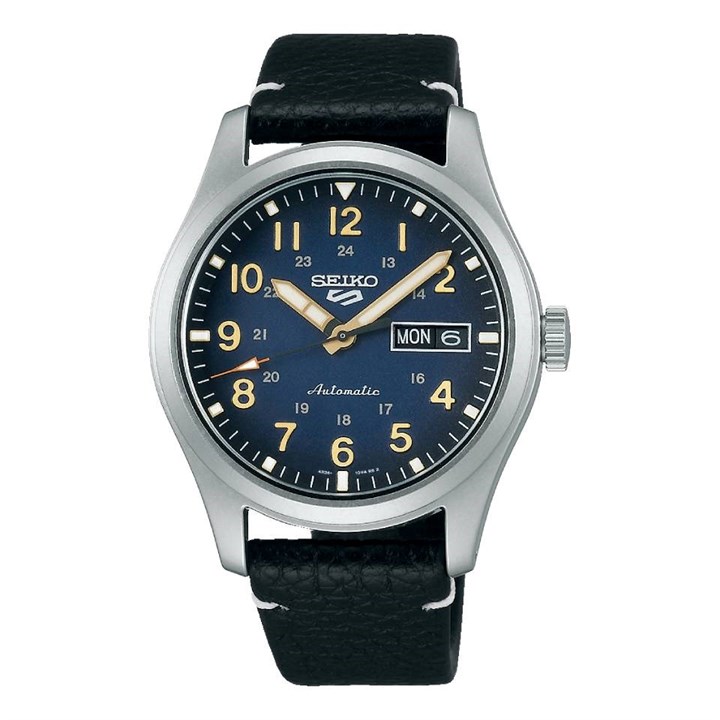
Seiko
5 Sports SRPG39K1 Black Leather Strap Watch - W25423
£280

Seiko
5 Sports SRPH25K1 Men's Watch – 39.4mm Black Dial Stainless Steel
£329

Seiko
5 Sports SRPJ09K1 Men's Watch – 39.4mm Black Dial Stainless Steel
£309