Tap the image to enlarge

Grand Seiko Heritage 40mm Mens Watch Grey
Ref. SBGH333
See more premium optionsHide
Stepping up in Grand Seiko's range
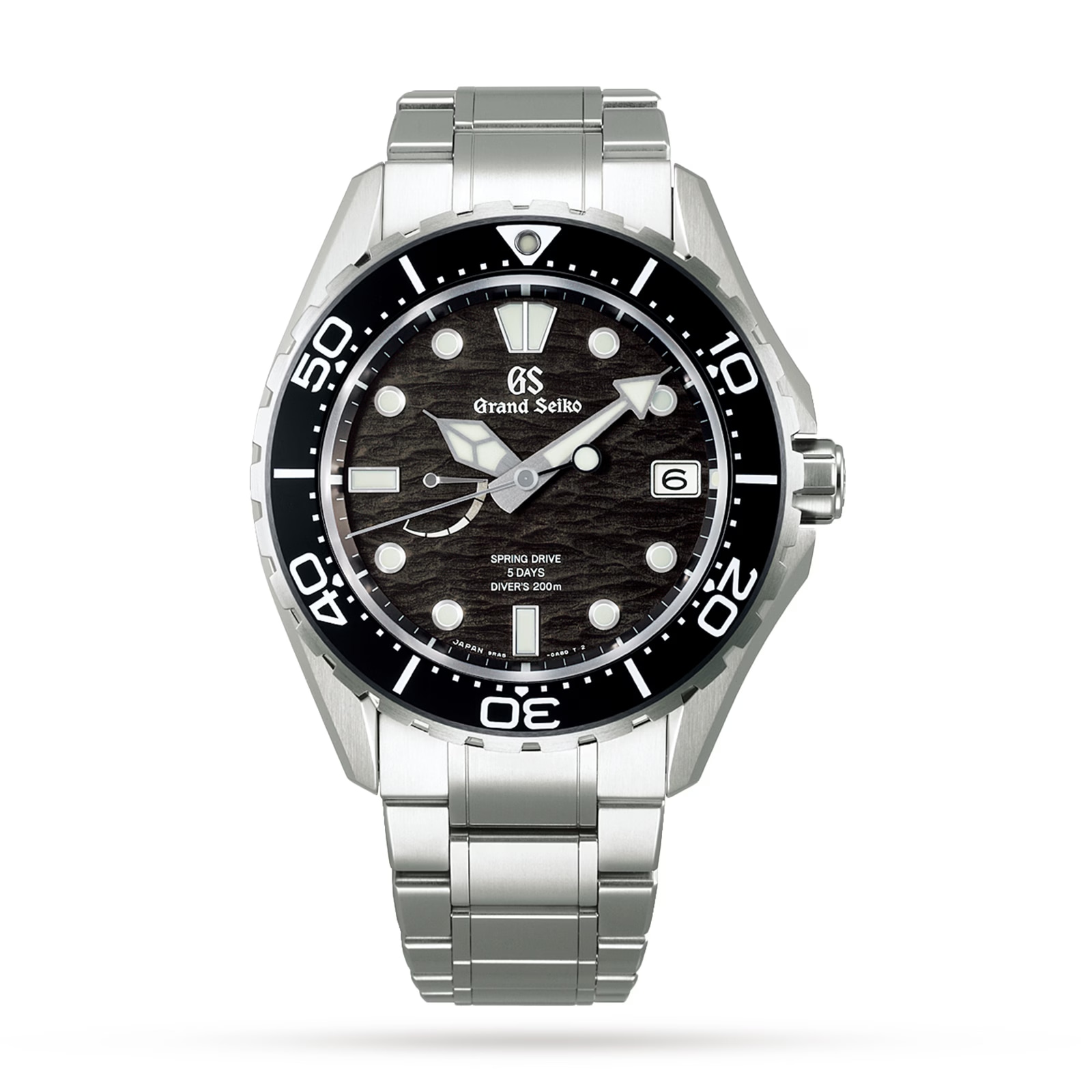
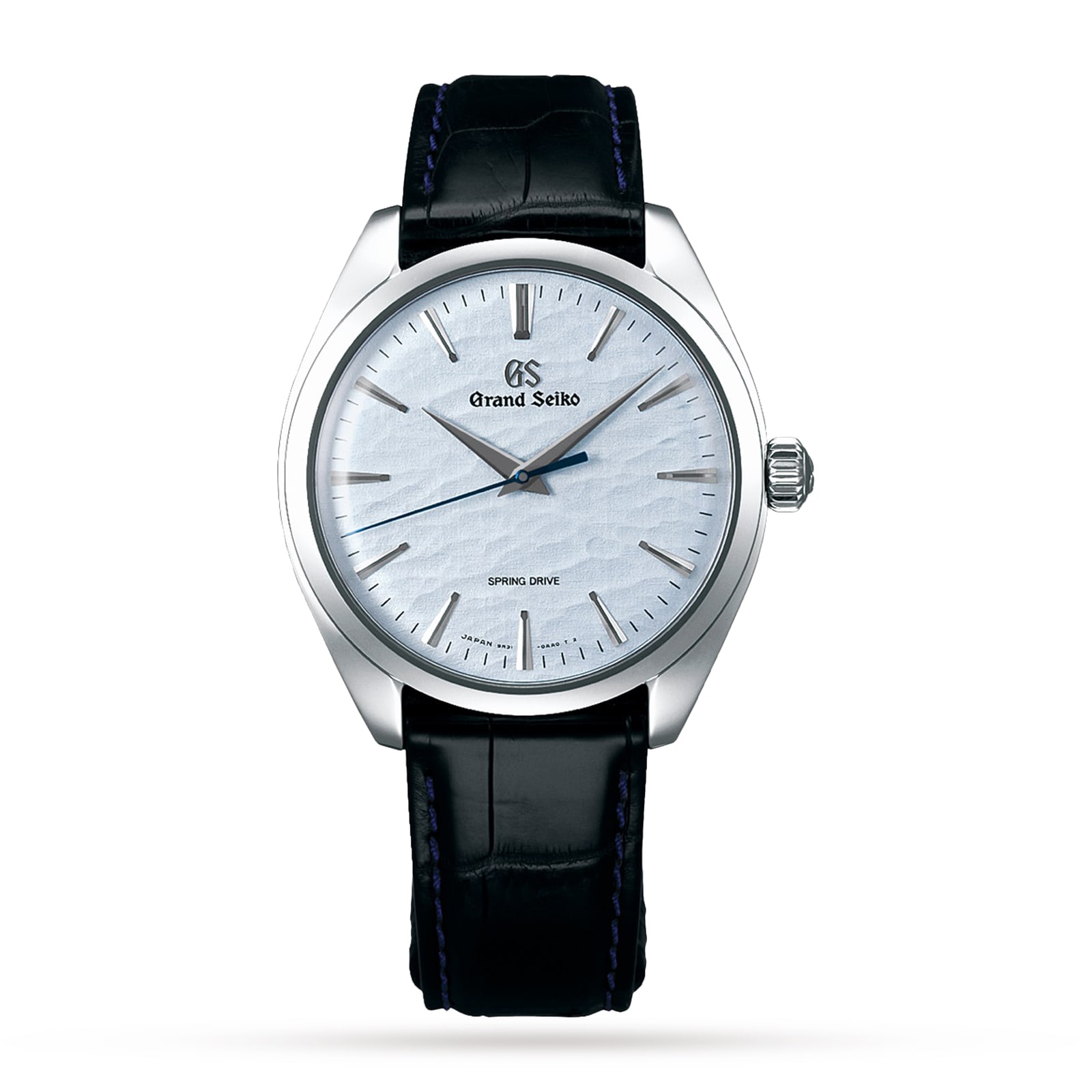

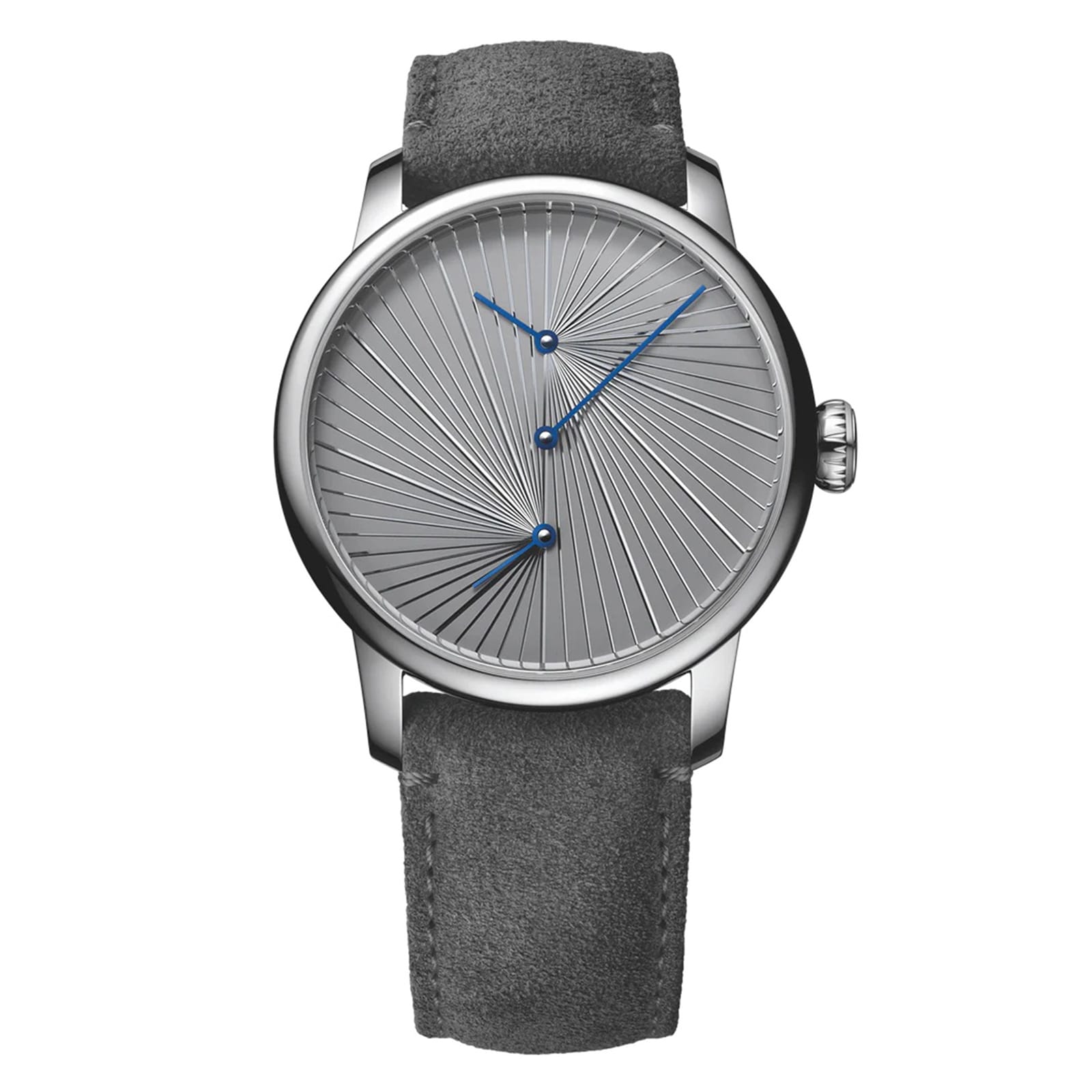
Jōdogahama — the beach at Miyako Bay in northern Tōhoku — is a designated place of scenic beauty in Japan, and this is a collaboration with the Watches of Switzerland Group that takes its name from the view after dark: the dial's deep grey radiating mosaic is meant to read as a star-filled sky, and the blue seconds hand stands in for the moonlit water below it. One of three exclusive editions built around this theme, the SBGH333 is the grey-sky interpretation. The case descends directly from the 1967 62GS architecture — angular, bezel-free, with the long flat flanks that make Zaratsu polishing so legible and so demanding. At 47mm lug to lug the fit is closer than the 40mm diameter might suggest, the integrated geometry pulling the watch in against the wrist rather than letting it float. The mosaic texture of the dial shifts as the light angle changes, which is where the night-sky reading becomes convincing. The 9S85 inside runs at 36,000 vibrations per hour, assembled by hand in Grand Seiko's Shizukuishi studio, and holds a tolerance of +5 to -3 seconds per day over its 55-hour reserve. The caseback is sapphire, so the movement is visible; at 12.9mm the case is not thin, but the architecture distributes that depth well enough that it rarely announces itself under a cuff.
- Reference
- SBGH333
- Brand
- Grand Seiko
- Collection
- Heritage
- Case size
- 40mm
- Case thickness
- 12.9mm
- Lug width
- 21mm
- Case material
- Stainless steel
- Case shape
- Round
- Dial
- Grey
- Crystal
- Sapphire
- Movement
- Automatic
- Calibre
- 9S85
- Functions
- Date
- Water resistance
- 100m
- Bracelet / strap
- Stainless steel bracelet
- Strap colour
- Silver
- Clasp
- Three-fold clasp
- Lume
- Luminous
- Retailer
- Mappin & Webb
Additional specifications
- Lug-to-lug
- 47mm
- Power reserve
- 55 hours
Learn more about Grand Seiko
Grand Seiko began in 1960 as Seiko's attempt to build a watch to the highest standard in the world, judged against Swiss chronometer criteria rather than Japanese ones. The first model met the Bureaux Officiels standard, and the ambition was explicit: not a good Japanese watch, but a better watch than the Swiss were making.
The 1967 Grammar of Design, laid down by Taro Tanaka, still governs the aesthetic. Flat surfaces and sharp facets rather than curves; hands and markers cut to catch light in defined planes; every surface either mirror-polished or perfectly flat, with no in-between. The polishing is done by hand on tin plates — Zaratsu — which produces distortion-free reflections and cannot be replicated by machine.
The precision case was made at observatory trials in the 1960s, where Grand Seiko movements placed among the leaders in Geneva and Neuchâtel before the competitions ended.
The house's distinctive technology is Spring Drive, introduced in 1999 after nearly three decades of development. A conventional mainspring drives the watch, but the escapement is replaced by an electromagnetic brake regulated by a quartz oscillator: mechanical power, quartz accuracy, and a seconds hand that sweeps without ticking at all.
Grand Seiko was separated into a standalone brand internationally in 2017, with dials frequently drawn from Japanese landscape — the Snowflake among the best known.
- 1960
- The first Grand Seiko is built to Swiss chronometer standards.
- 1967
- Taro Tanaka codifies the Grammar of Design.
- 1968
- The 61GS Hi-Beat reaches 36,000 vibrations per hour.
- 1999
- Spring Drive combines mechanical power with quartz regulation.
- 2017
- Established as an independent brand worldwide.
Also in 6 collections
This watch appears in the Grand Seiko Heritage range (7), Back in Stock (5,241), Stainless Steel Watches (3,391), Automatic Watches (1,792), Grey Dial Watches (266) and Limited Edition Watches (202).
What the specifications mean
A mechanical watch for everyday wear.
Strengths
- 100m water resistance covers swimming and watersports
- 40mm suits most wrists
- 47mm lug-to-lug keeps the 40mm case wearable
- Sapphire crystal, which resists scratching
- Luminous hands and markers for low light
Price history
This watch is currently at its highest recorded price. It was £5,040 on 4 September. Prices are checked every day, and we record any changes.
Grand Seiko Heritage alternatives
Watches from other brands at a similar price, style and size, so you can see what else your budget can buy.
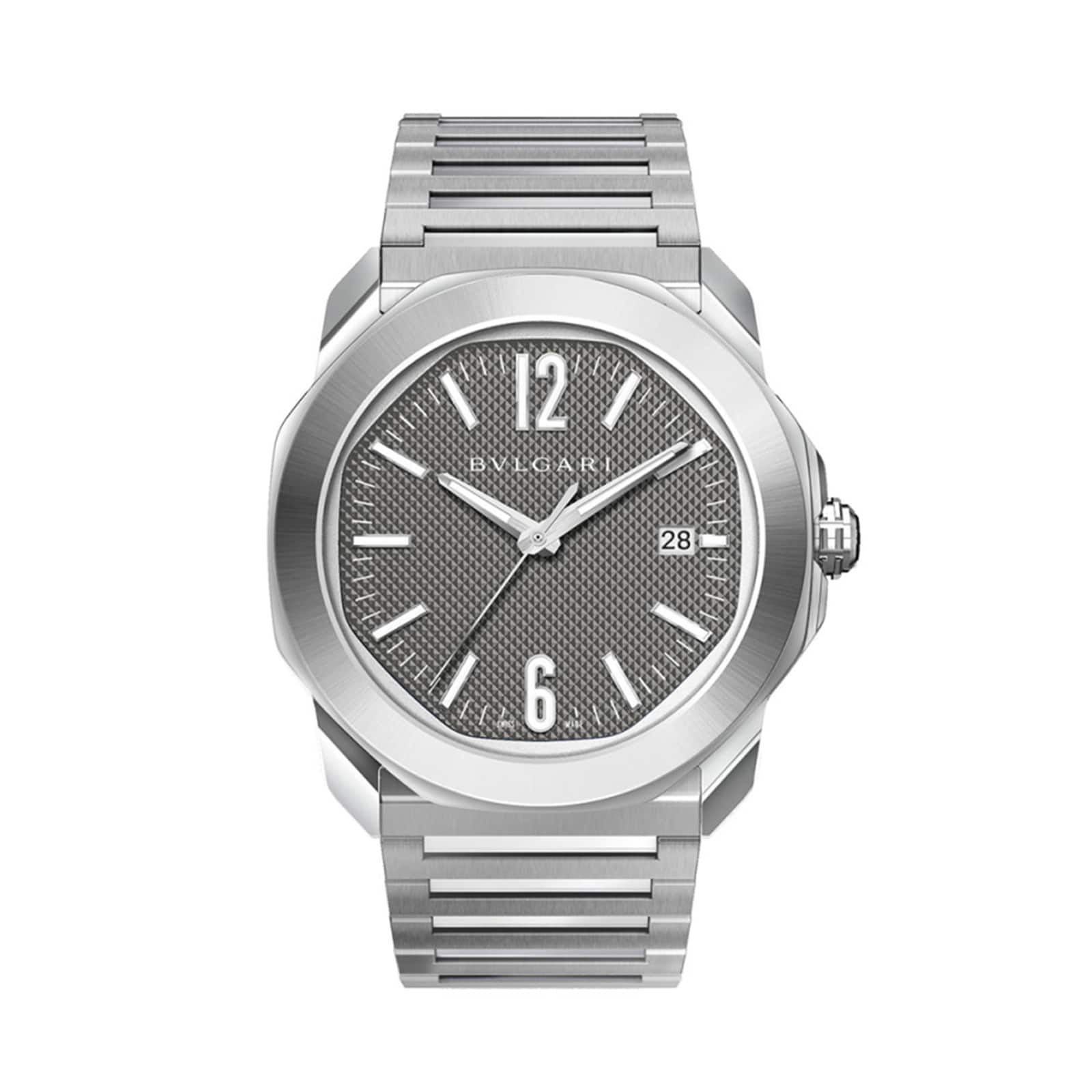
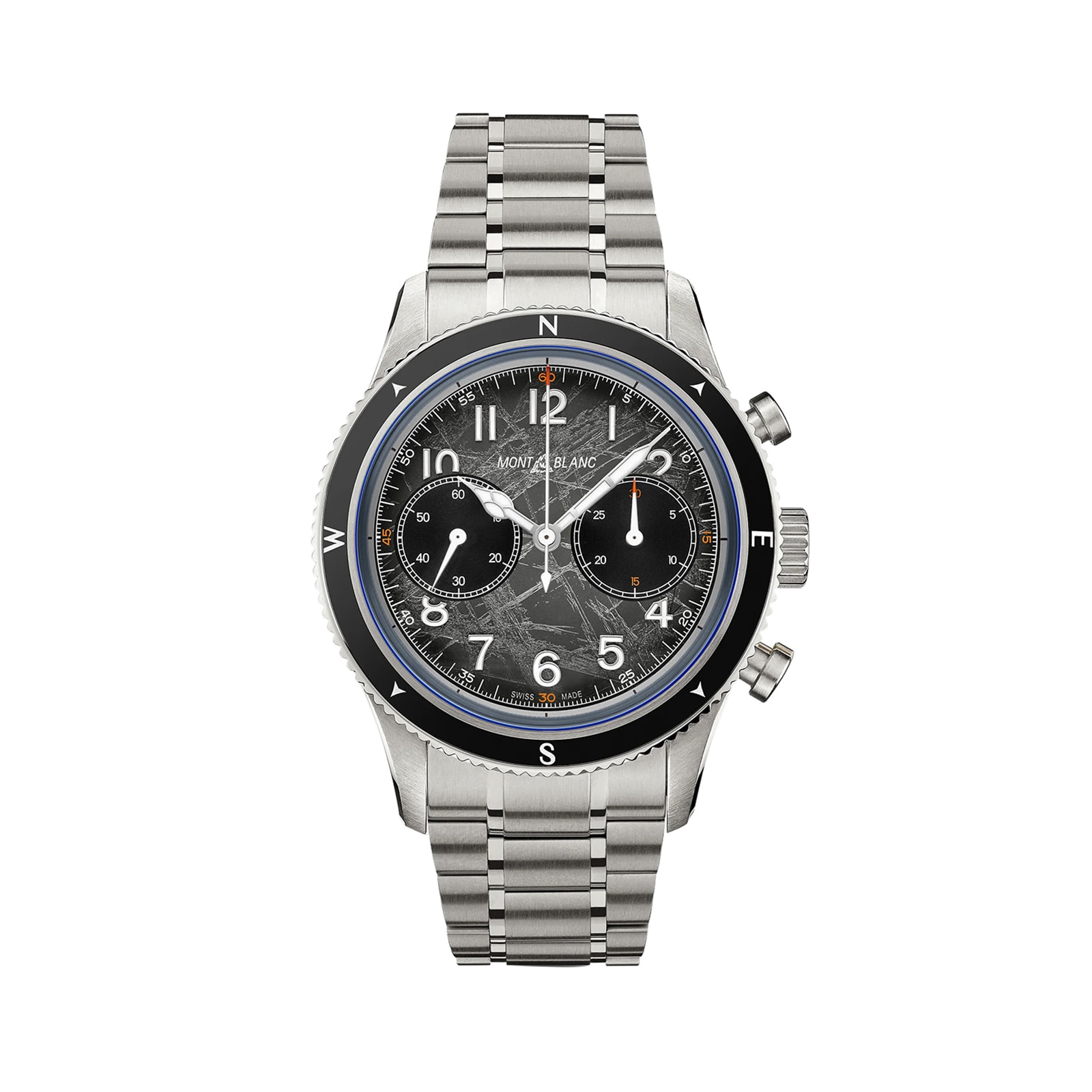
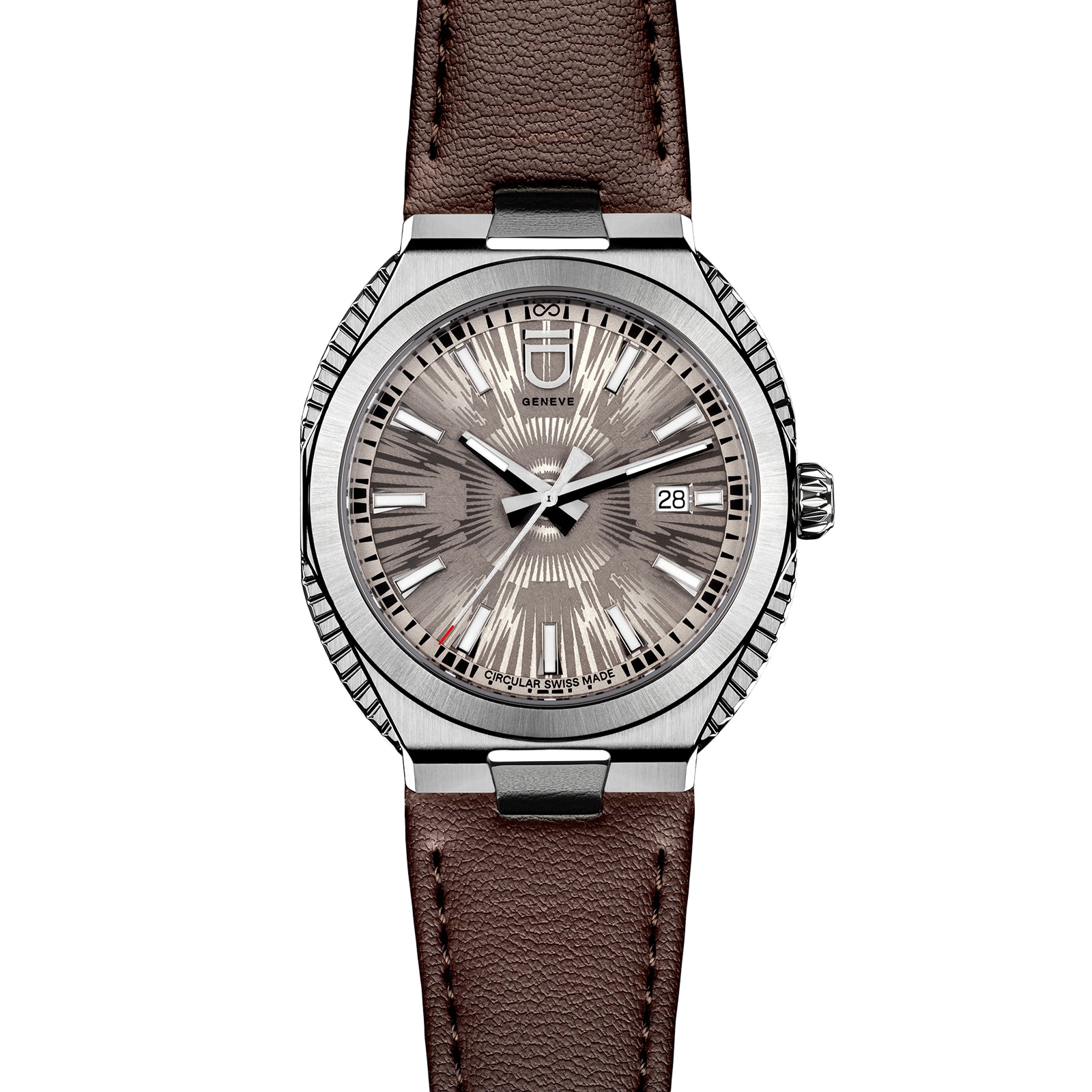
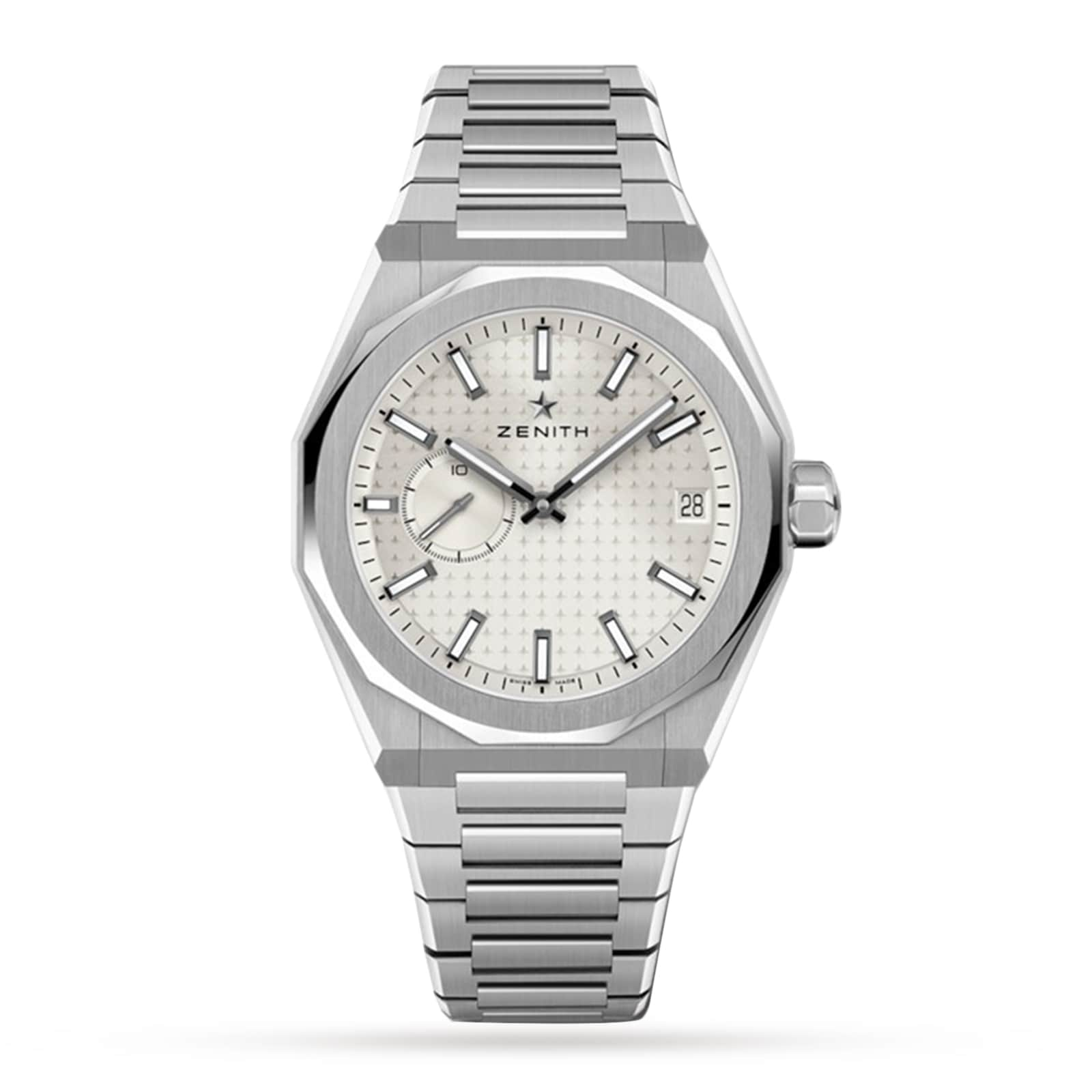
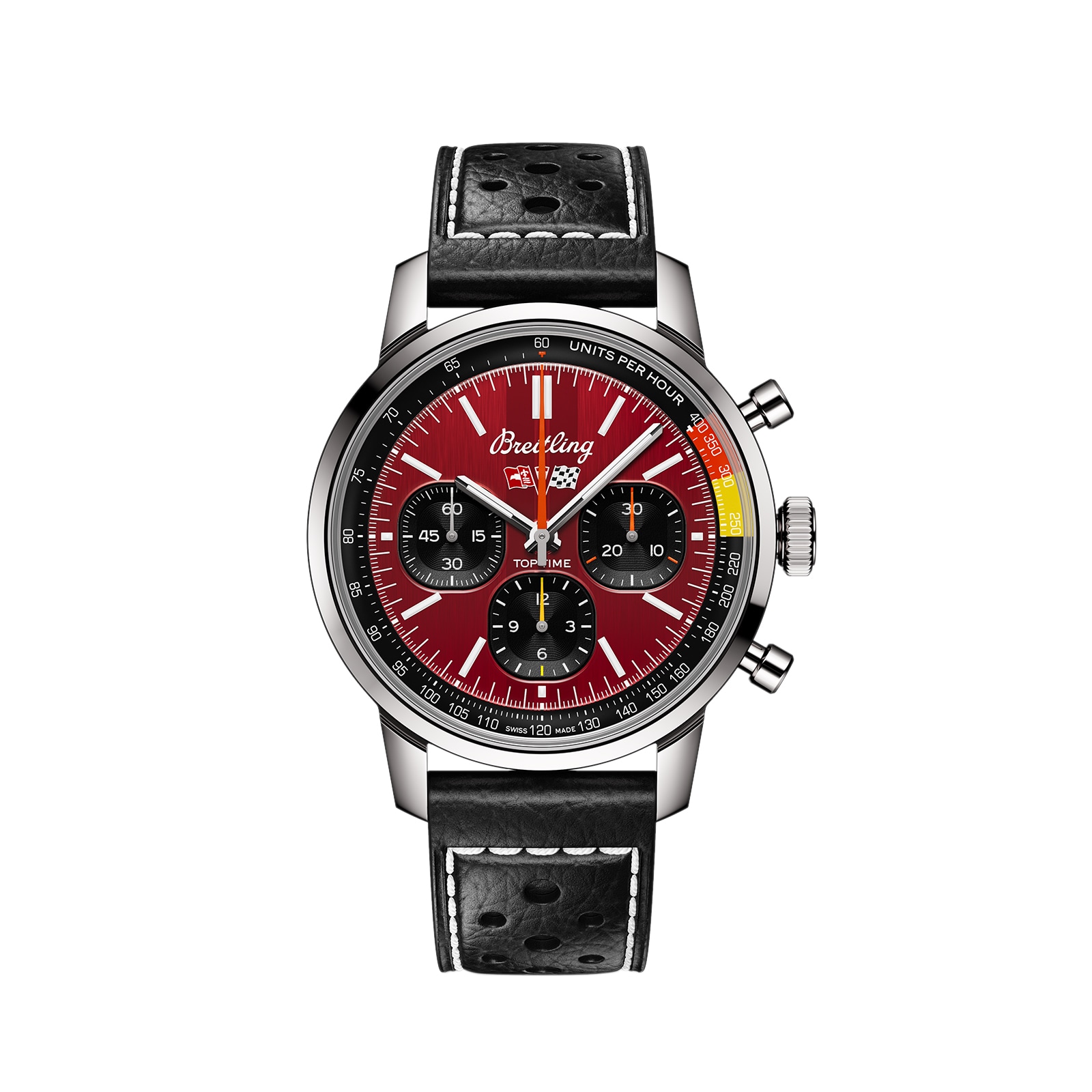
| Specification | SBGH333 | 03.9300.3620/01.I001 | AB01761A1K1X1 |
|---|---|---|---|
| Price | £6,300 | £6,090 | £5,950 |
| Case size | 40mm | 41mm | 41mm |
| Water resistance | 100m | 100m | 100m |
| Movement | Automatic | Automatic | Automatic |
| Strap | Stainless steel bracelet | Stainless steel bracelet | Leather strap |
| Power reserve | 55 hours | 60 hours | 70 hours |
| This watch | Closely matched | Closely matched |
Your new watch
Frequently asked questions, and things you should know about this watch
Can I swim with it?
Yes. At 100m it is rated for swimming and snorkelling, though not for diving.
Water resistance explainedWill the glass scratch?
Unlikely. Sapphire is second only to diamond in hardness and shrugs off everyday marking.
Sapphire, mineral and acrylic comparedDoes it need a battery?
No. It is automatic — the motion of your wrist winds it, and there is no cell to replace.
Quartz, automatic and solar comparedHow long does it run for when it's not worn?
About 55 hours fully wound — enough to survive a night off the wrist, but not a full weekend.
What size strap does it take?
21mm. Any strap of that width will fit, and on most modern watches quick-release bars make the swap a two-minute job with no tools.
Will it fit my wrist?
Lug-to-lug is 47mm, which suits wrists from roughly 16cm (6¼ inches) upward.
Lug-to-lug decides fit more than case diameter does.
How to size a watch to your wristIs it a men's or women's watch?
Listed as men's, though at 40mm it sits in the range that suits anyone.
Cheapest place to buy
Mappin & Webb is the only UK retailer we track stocking this reference, so there is nothing to compare it against today.
Has the price changed recently?
It's currently at its highest recorded price. It's ranged between £5,040 and £6,300, today it's £6,300.
More Grand Seiko watches like the Heritage
In stock, and close on style and price