Brand
Girard-Perregaux
Est. 1791 · La Chaux-de-Fonds, Switzerland
One of the oldest manufactures in Switzerland, known for the iconic Three Bridges movement.
Half cost less than £15,600, and a quarter less than £12,300.
Learn more about Girard-PerregauxShow less
The company traces to Jean-François Bautte, who was making watches in Geneva by 1791, and takes its name from the 1854 marriage of Constant Girard and Marie Perregaux, which joined two watchmaking families.
Its signature is a bridge. Constant Girard's Tourbillon with Three Gold Bridges, developed from 1867 and patented in the United States in 1884, arranged the barrel, gear train, and tourbillon in a line beneath three parallel arrow-shaped bridges — turning the movement architecture itself into the design. Most decorative watchmaking hides its structure; this made structure the ornament. It remains the house's defining object.
Girard-Perregaux also has a serious claim on modern quartz: in 1971 it developed a quartz wristwatch calibre oscillating at 32,768 Hz, and that frequency became the industry standard used in essentially every quartz watch since.
The company supplied precision pocket watches to the German Imperial Navy in the 1880s, an early example of the wristwatch being taken seriously as a professional instrument.
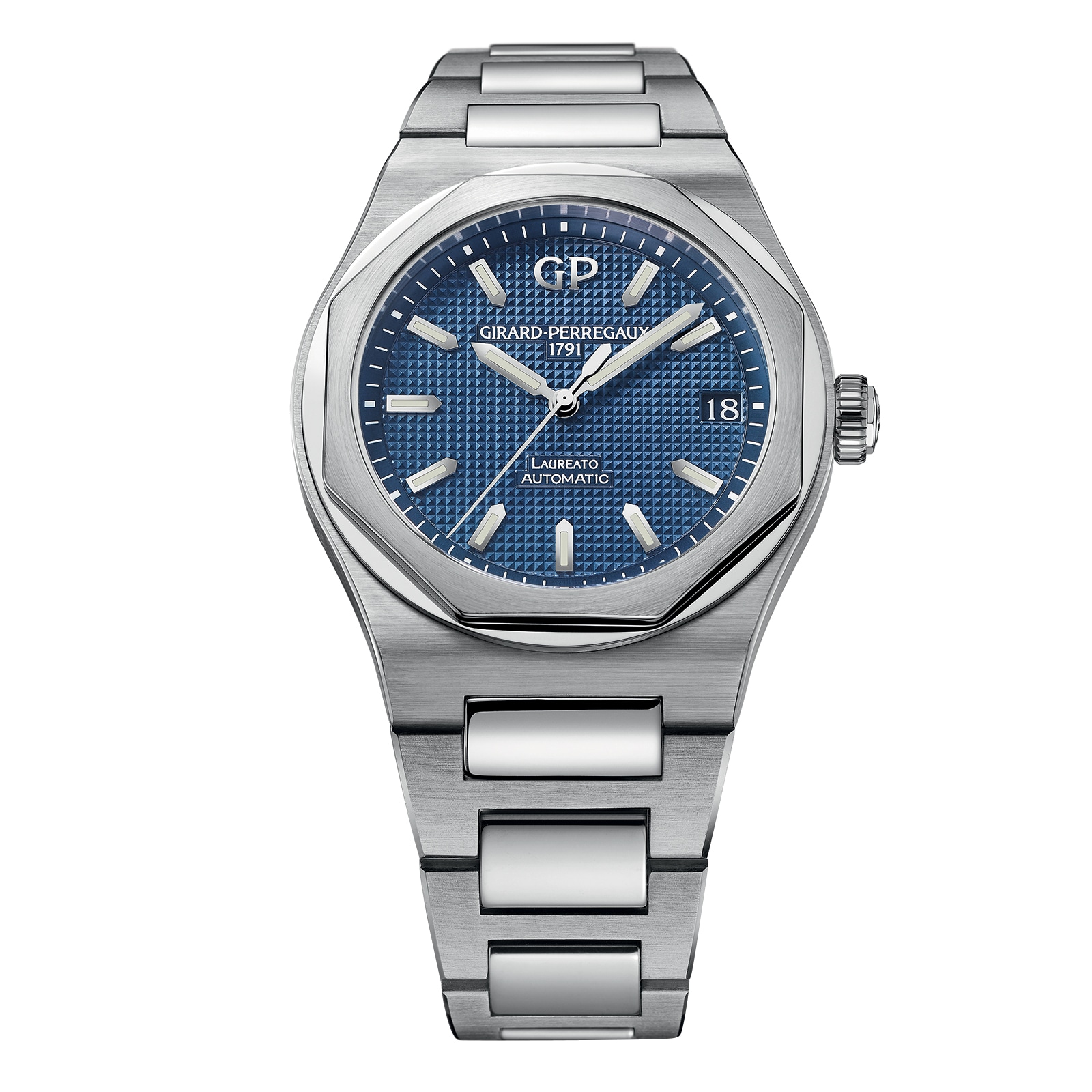
Modern collections include the Laureato, an integrated-bracelet sports watch dating from 1975 that predates most of its rivals, and the Free Bridge and Neo lines, which rework the bridge architecture in contemporary materials. The house is owned by Kering.
Girard-Perregaux holds 32 models, from £7,900 to £146,000. Half cost less than £15,600, and a quarter less than £12,300. 32 of 32 are automatic. 22 are stocked by more than one retailer, giving 55 offers in total. Prices are checked nightly against the retailers’ own feeds.
- 1791
- Jean-François Bautte begins watchmaking in Geneva.
- 1854
- Constant Girard and Marie Perregaux marry, uniting the names.
- 1867
- The Three Gold Bridges tourbillon is developed.
- 1971
- Develops the 32,768 Hz quartz standard.
- 1975
- The Laureato launches.
37 watches
Girard-Perregaux
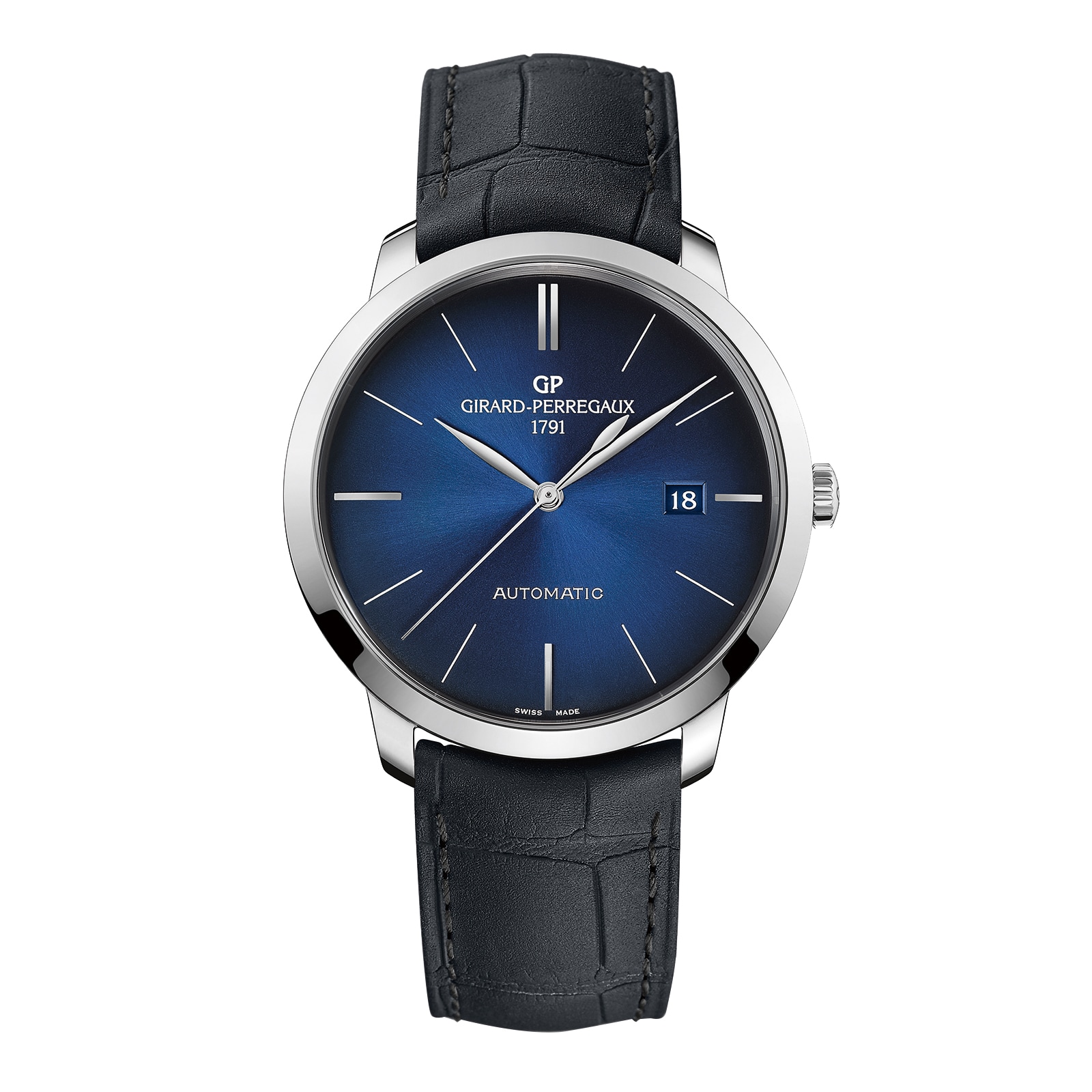
1966 Blue 40mm Mens Watch
£7,900
Girard-Perregaux
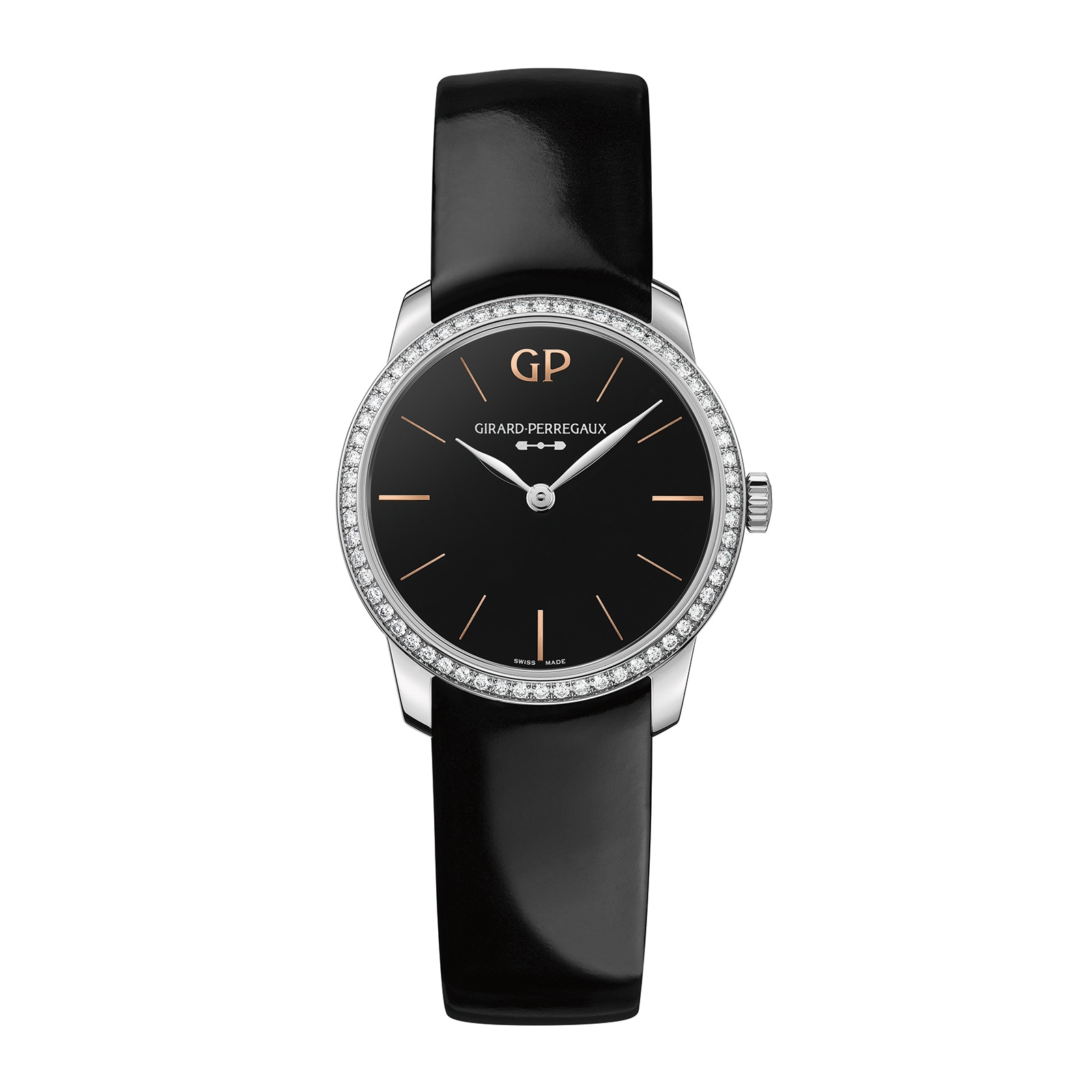
1966 Infinity Edition 30mm Ladies Watch
£11,700
Girard-Perregaux
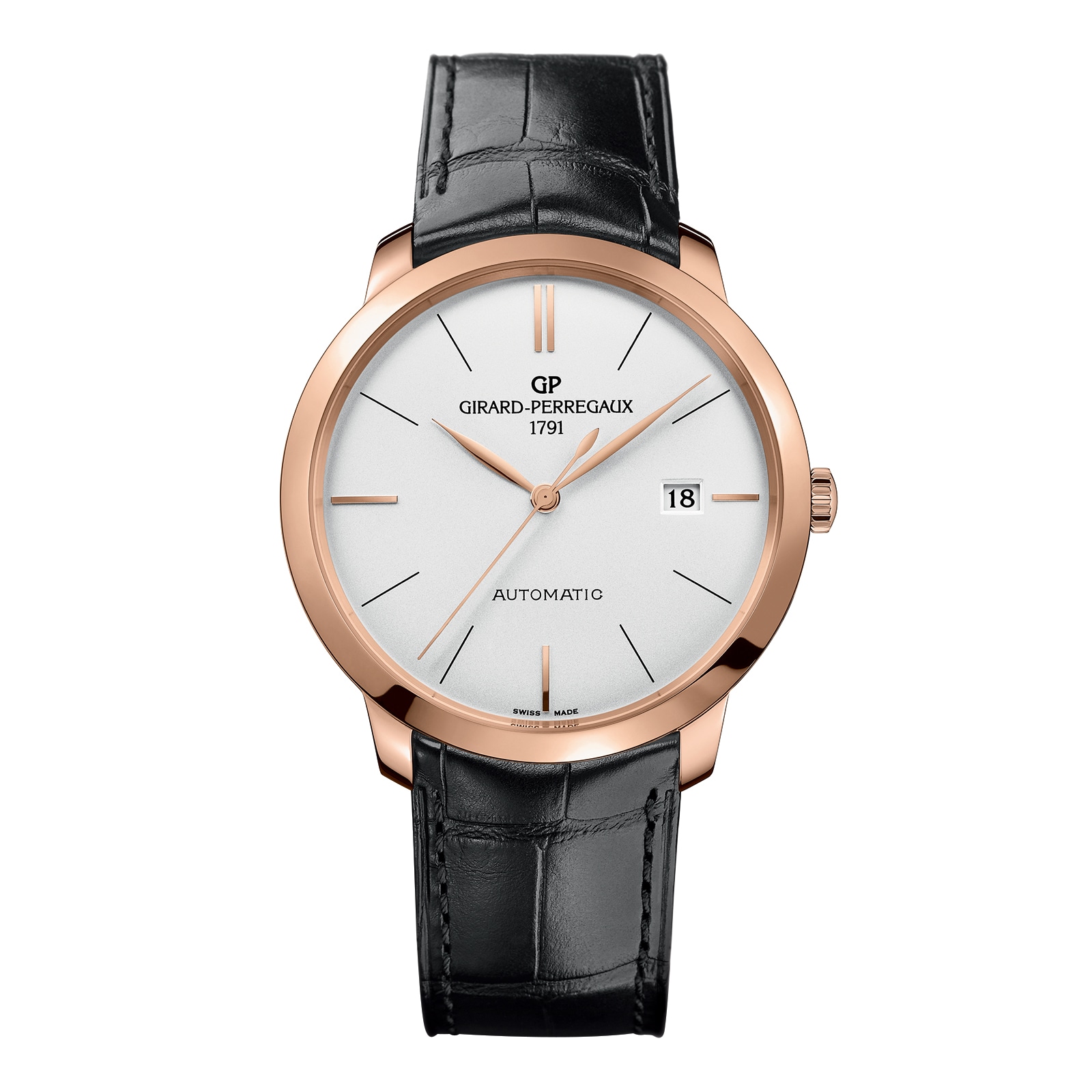
1966 Rose Gold 40mm Mens Watch
£18,400
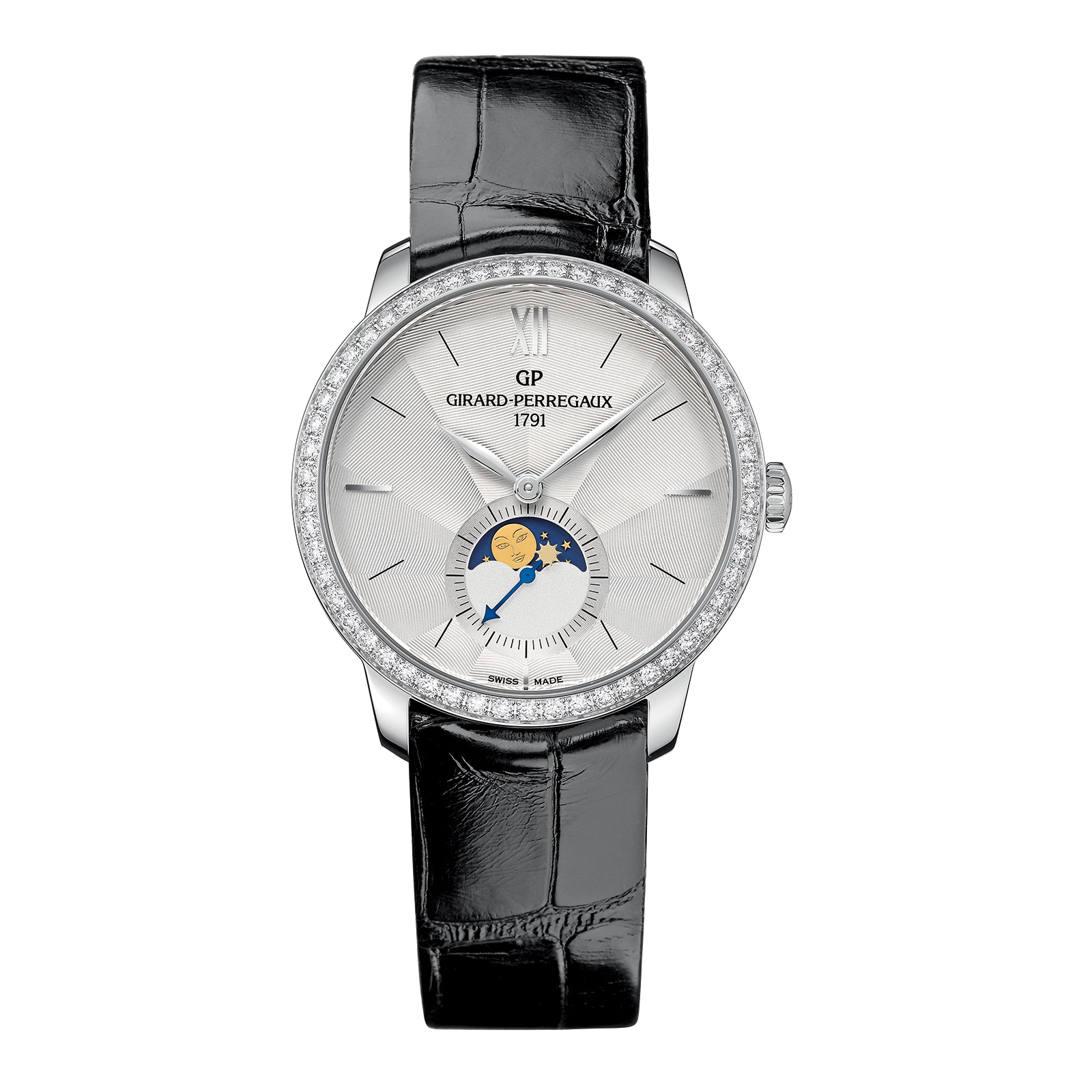
Girard-Perregaux
1966 Silver 36mm Ladies Watch
£16,200
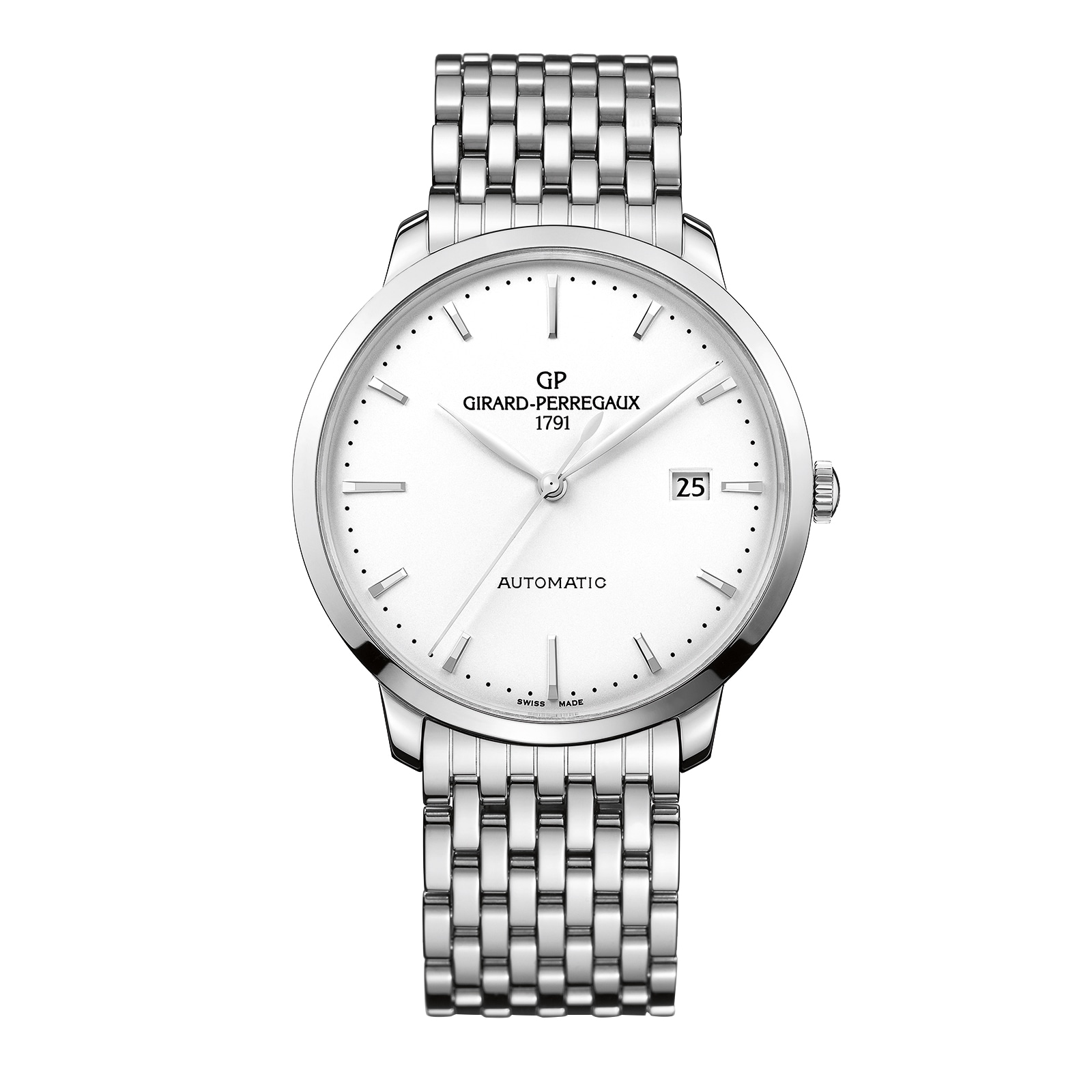
Girard-Perregaux
1966 Silver 40mm
£8,700
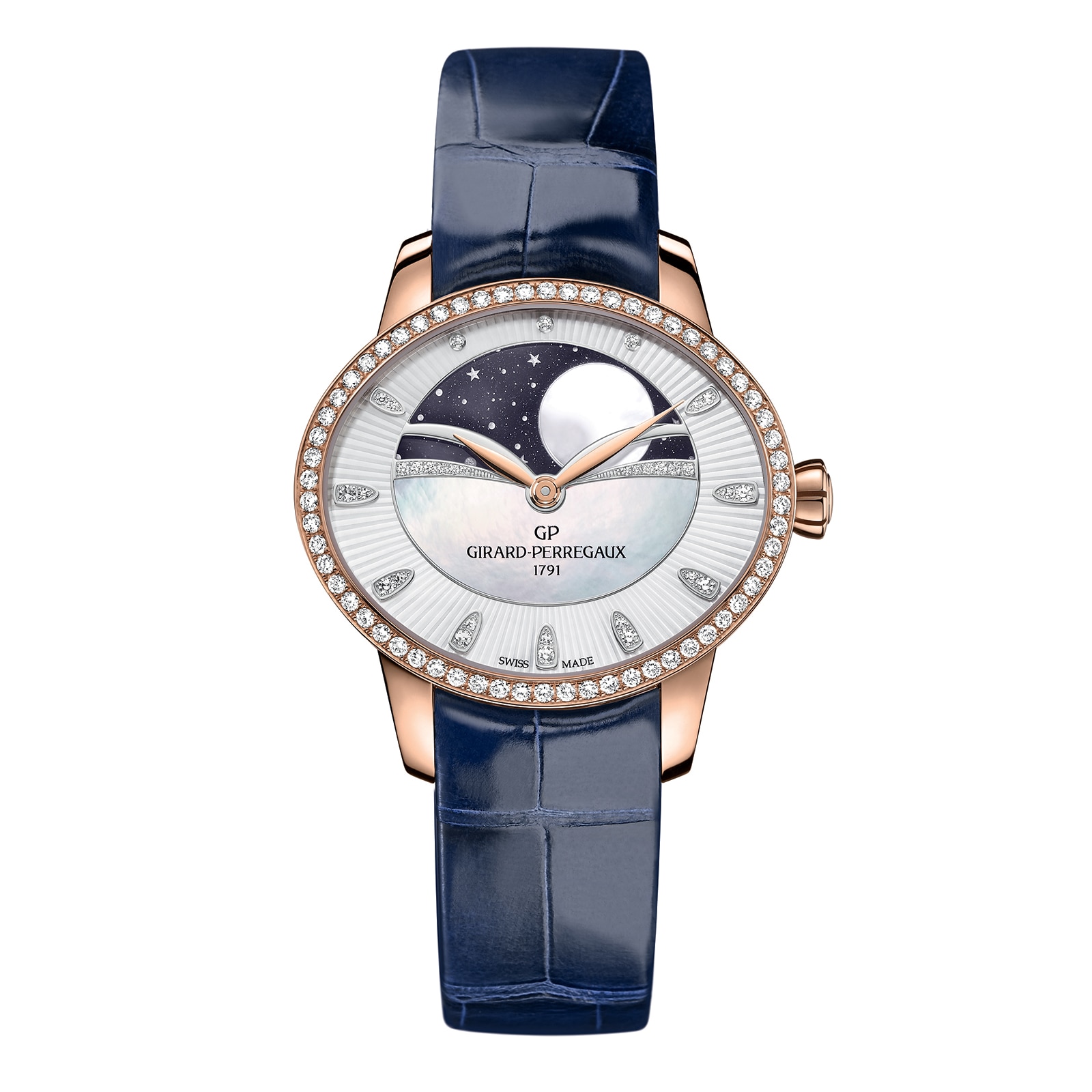
Girard-Perregaux
Cat's Eye Celestial 35mm Ladies Watch
£33,500
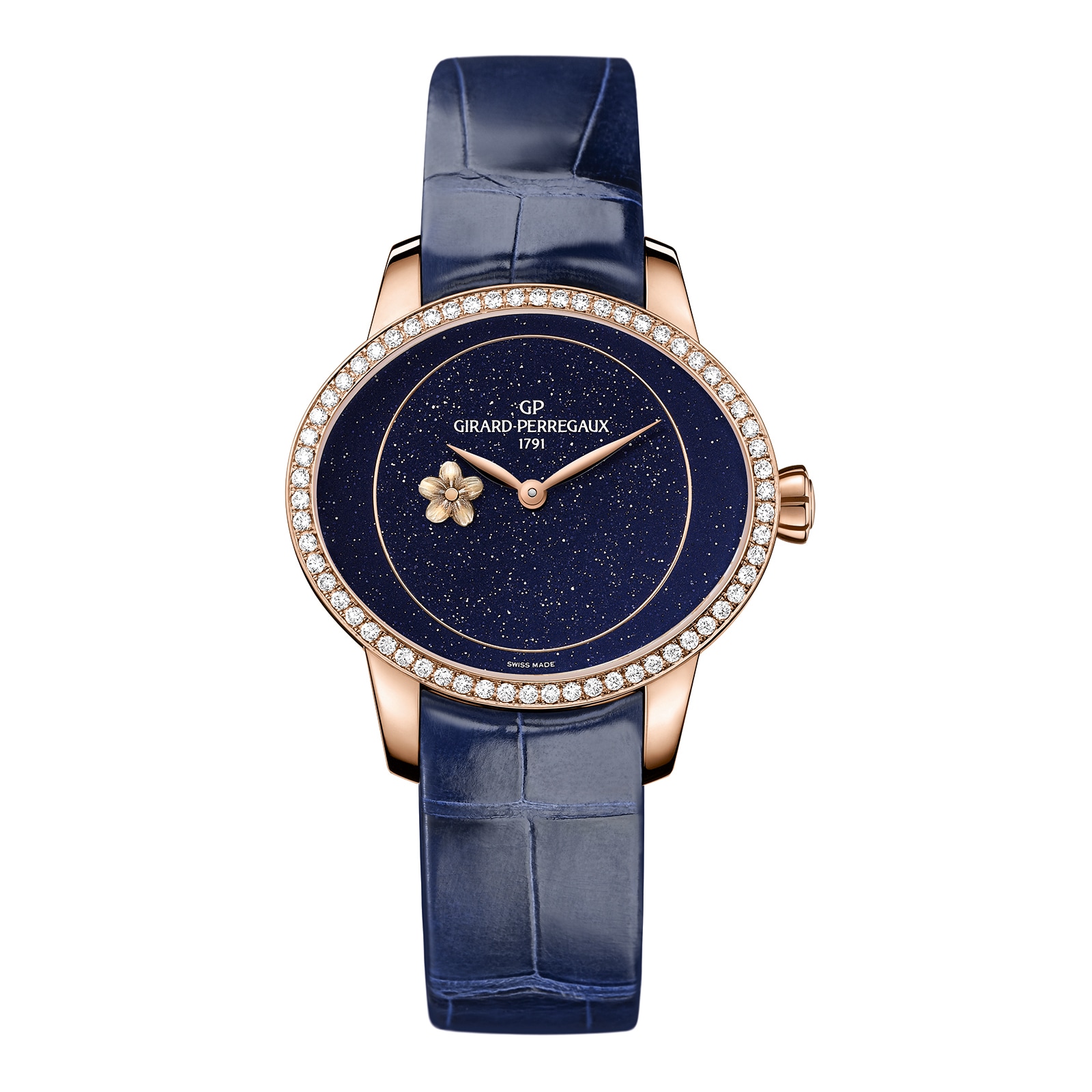
Girard-Perregaux
Cat's Eye Plum Blossom 35mm Ladies Watch
£29,400
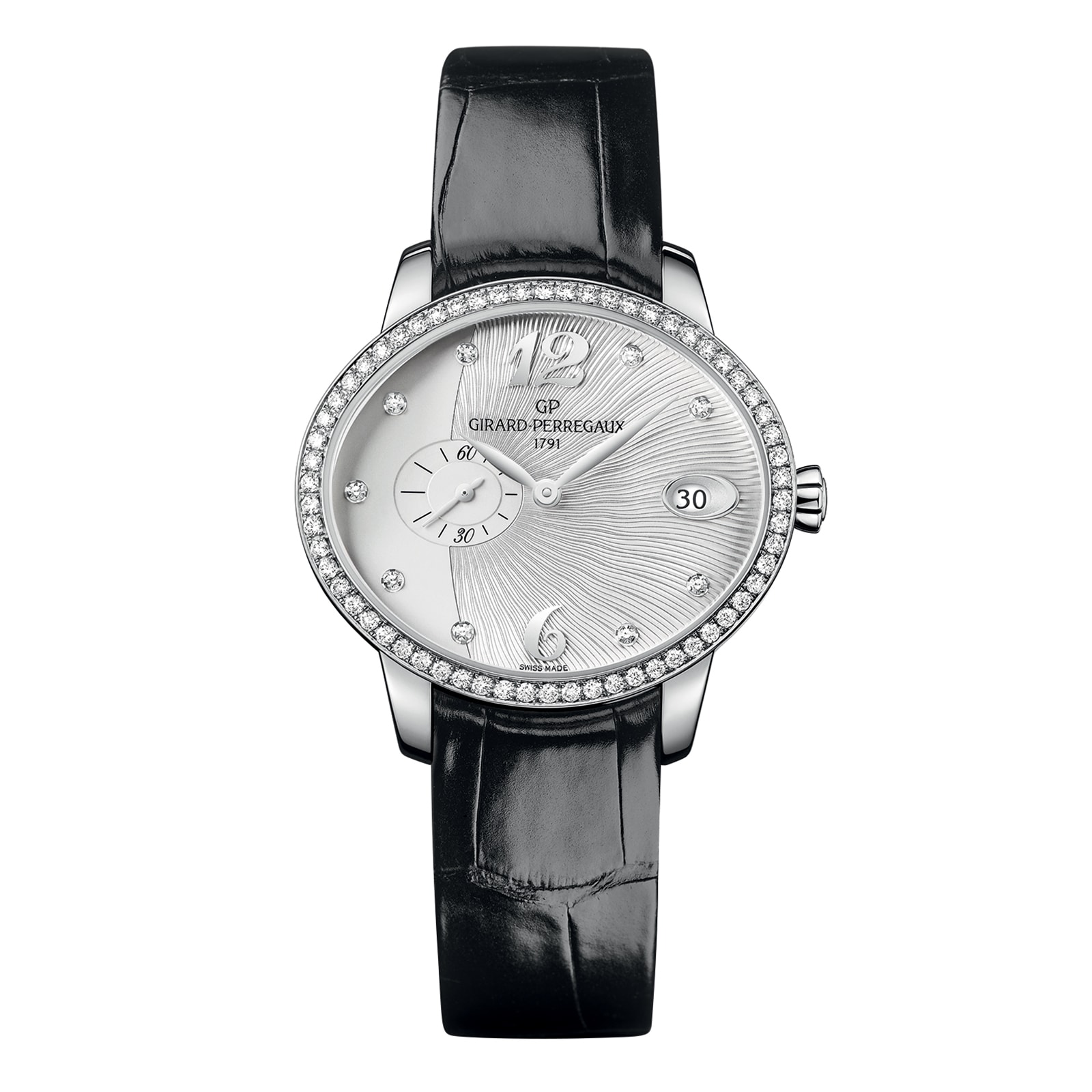
Girard-Perregaux
Cat's Eye Small Seconds 35mm Ladies Watch
£14,100
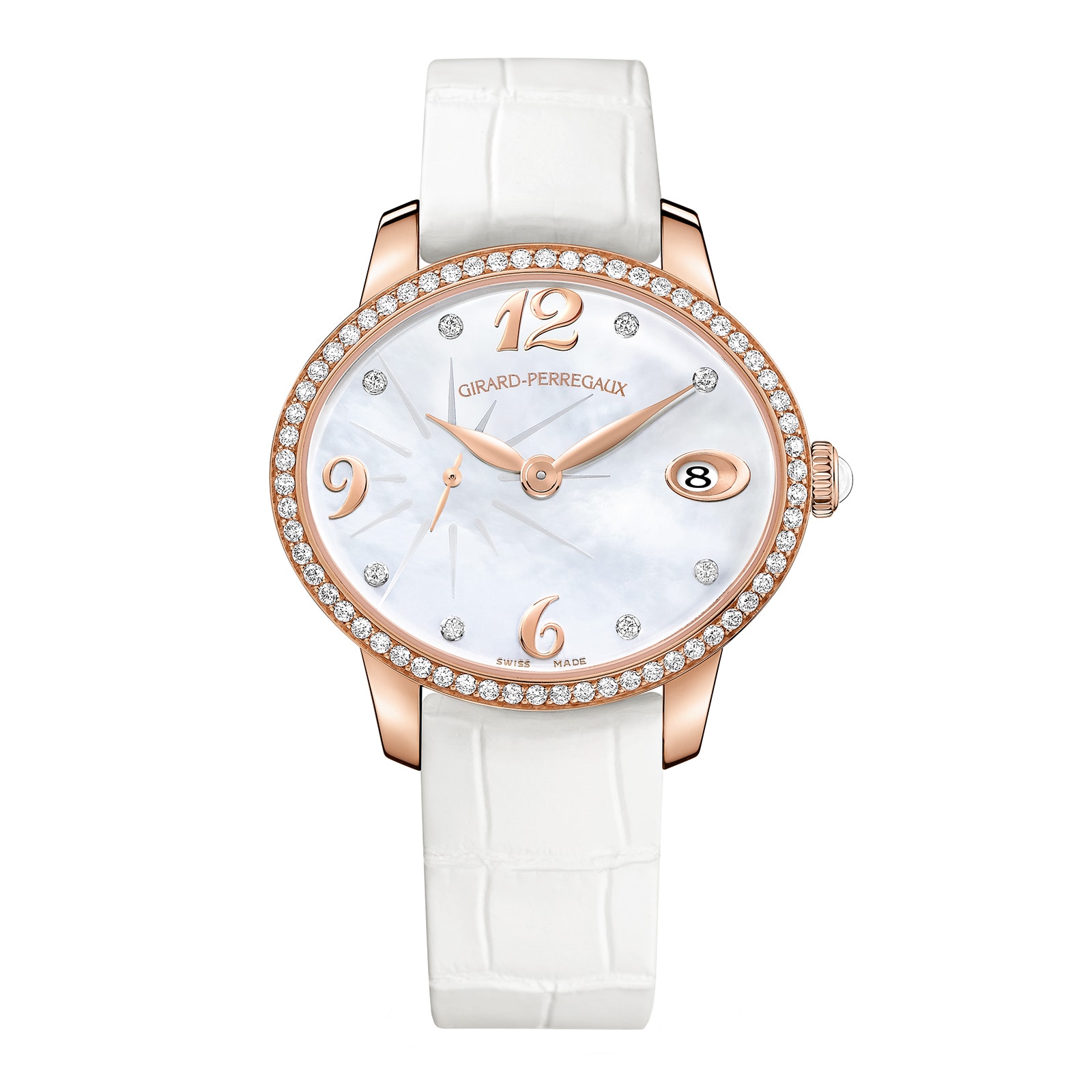
Girard-Perregaux
Cat's Eye Small Seconds 35mm Ladies Watch
£29,400
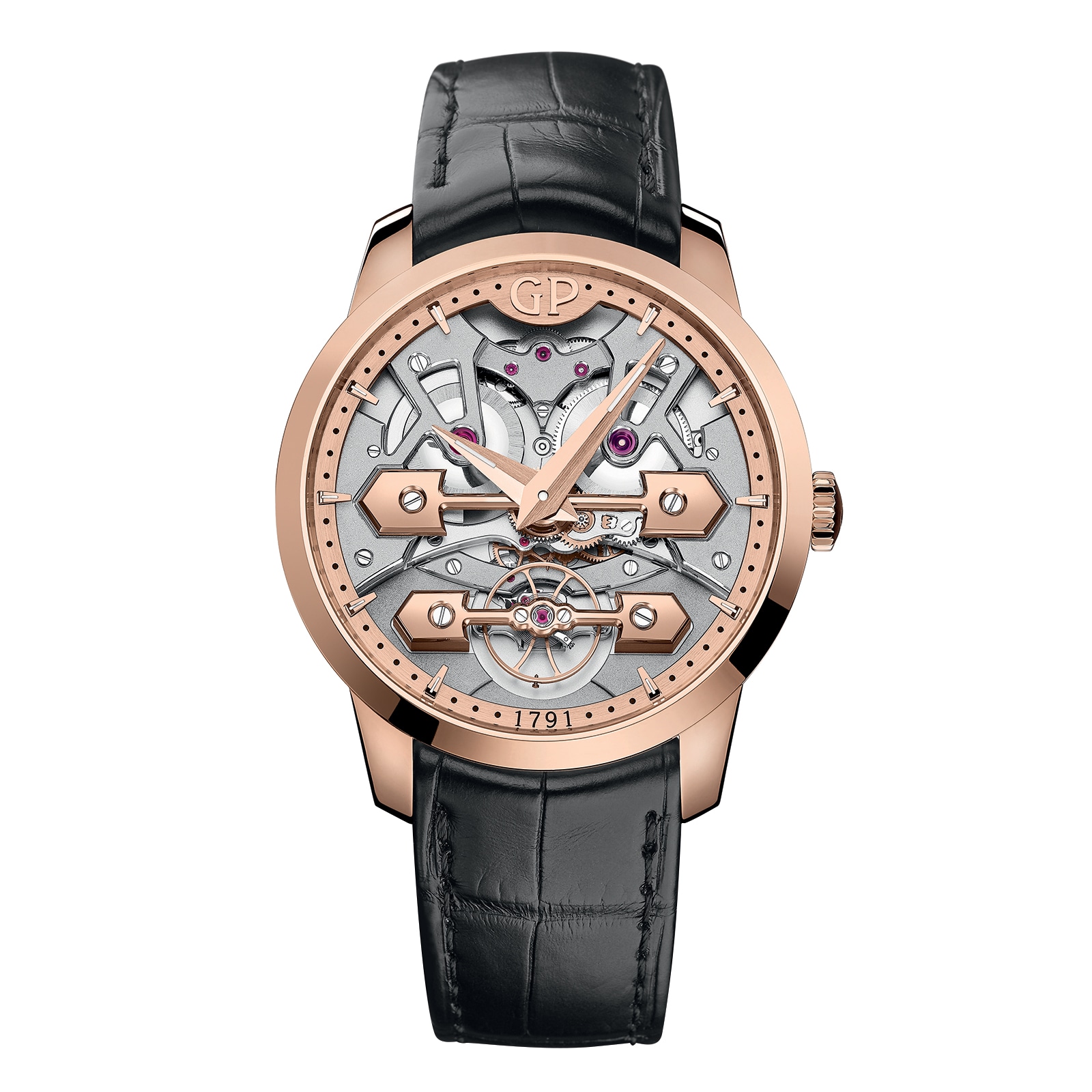
Girard-Perregaux
Classic Bridges 45mm Mens Watch
£43,800
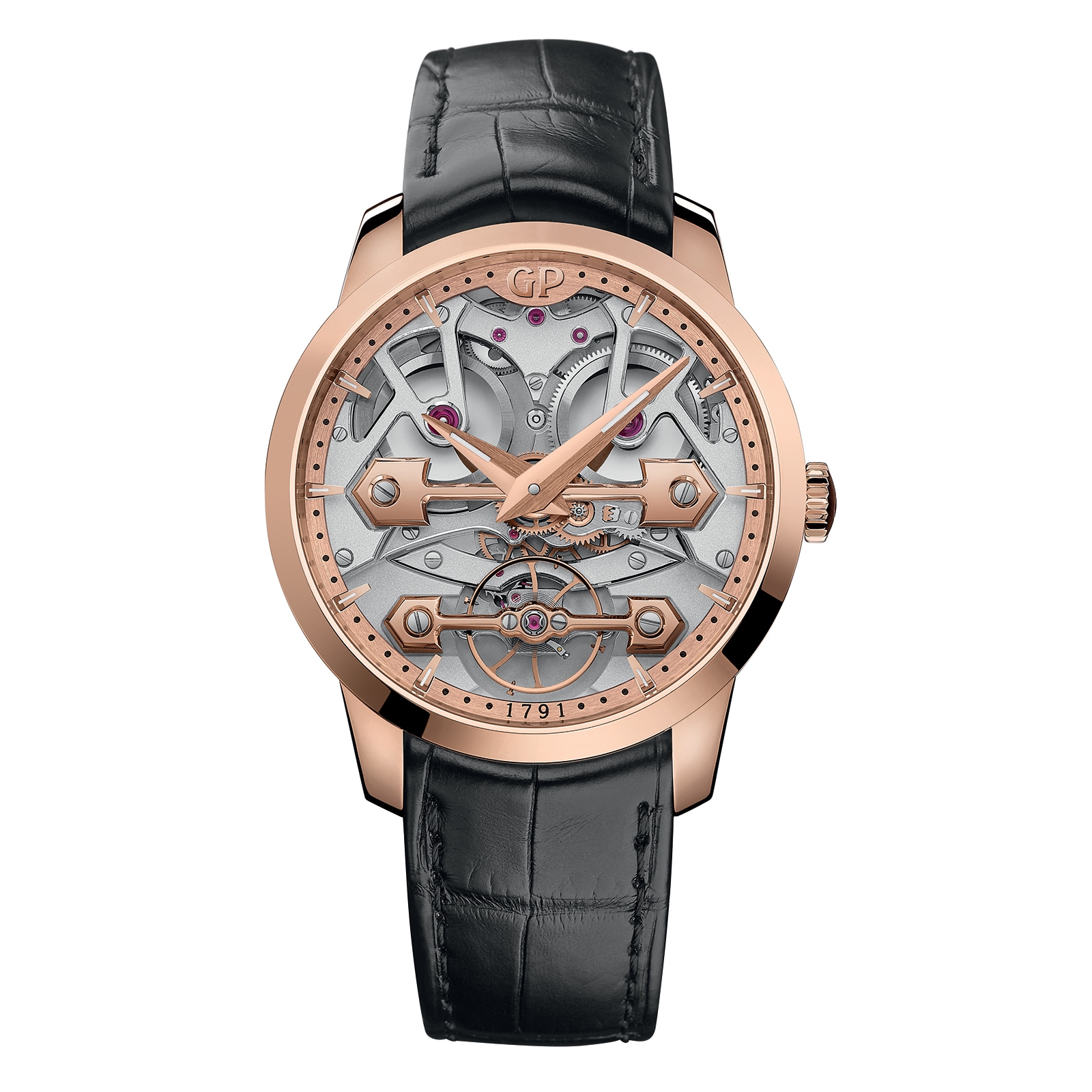
Girard-Perregaux
Classic Bridges Rose Gold 40mm
£39,300
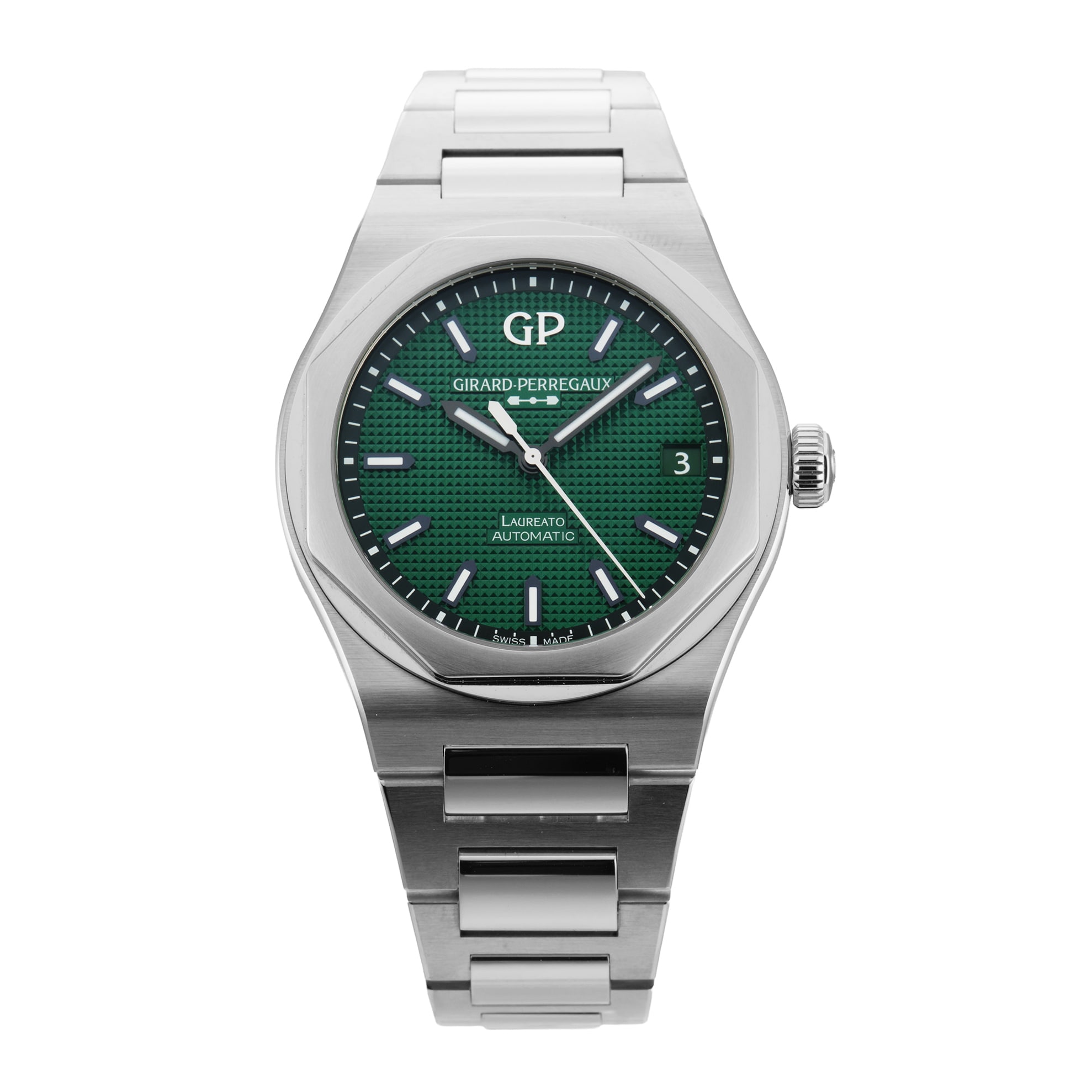
Girard-Perregaux
Girard-Perregaux Laureato 42mm Stainless Steel
£9,450
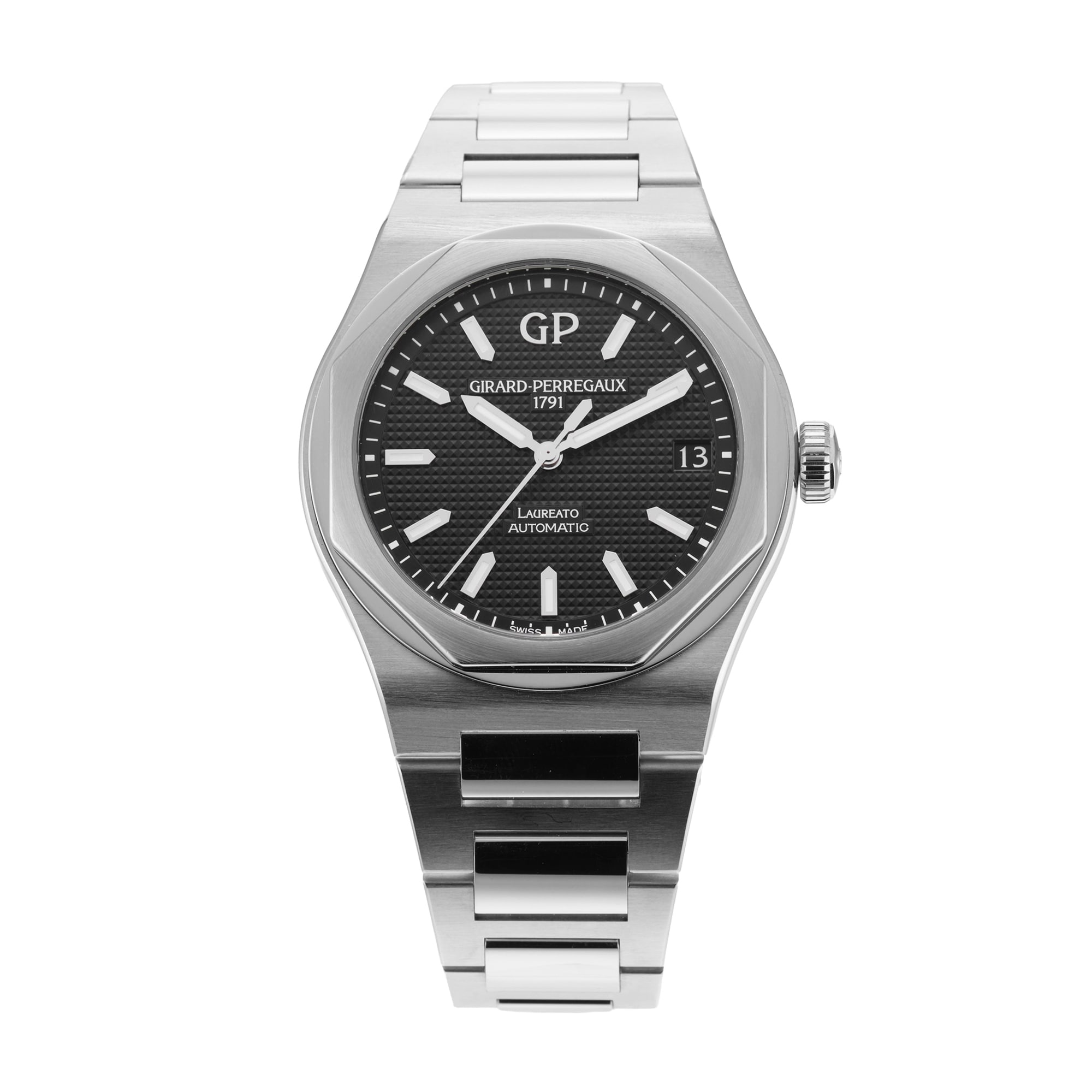
Girard-Perregaux
Girard-Perregaux Laureato 42mm Stainless Steel 81010-11-634-11A
£8,950
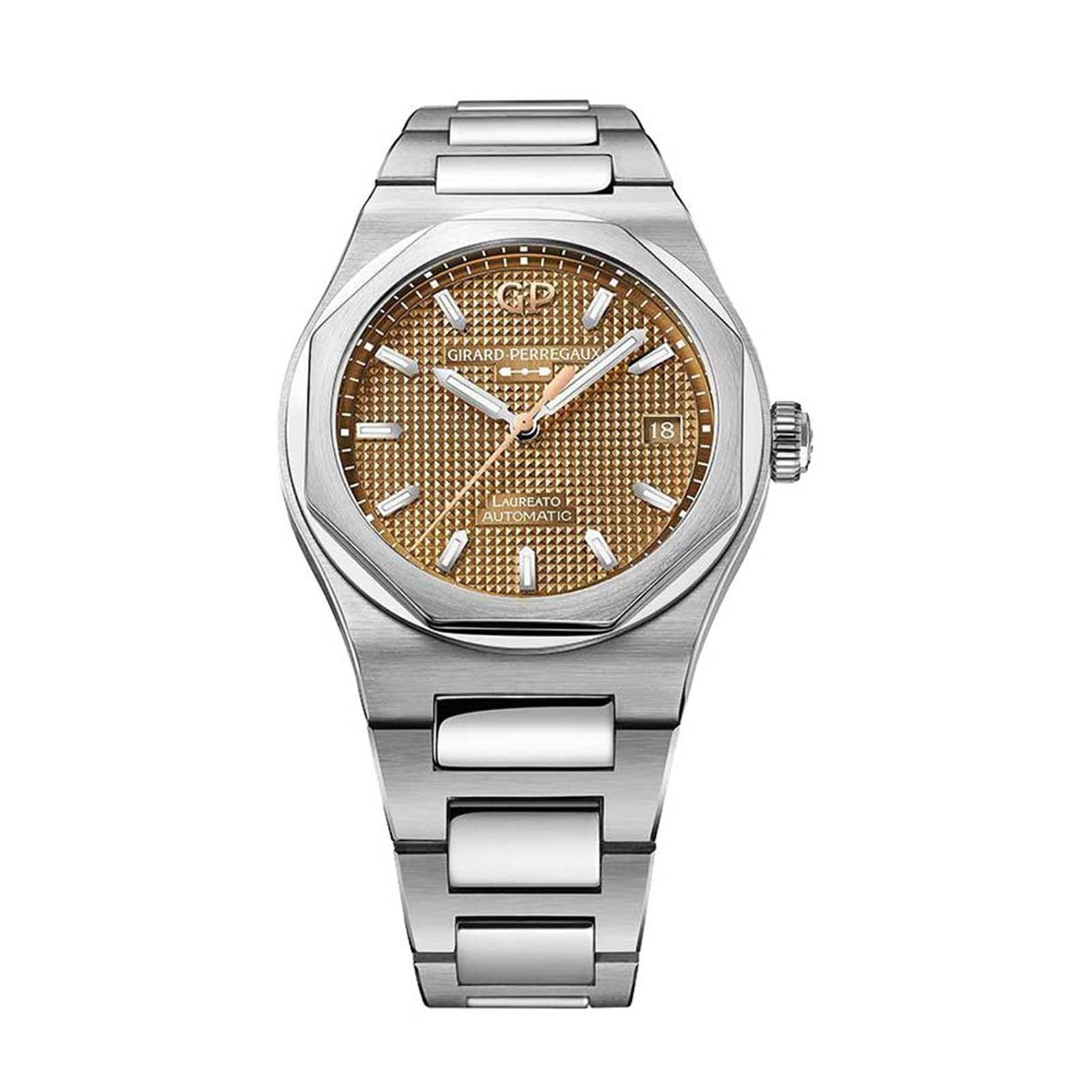
Girard-Perregaux
Laureato 38mm Unisex Watch
£12,800
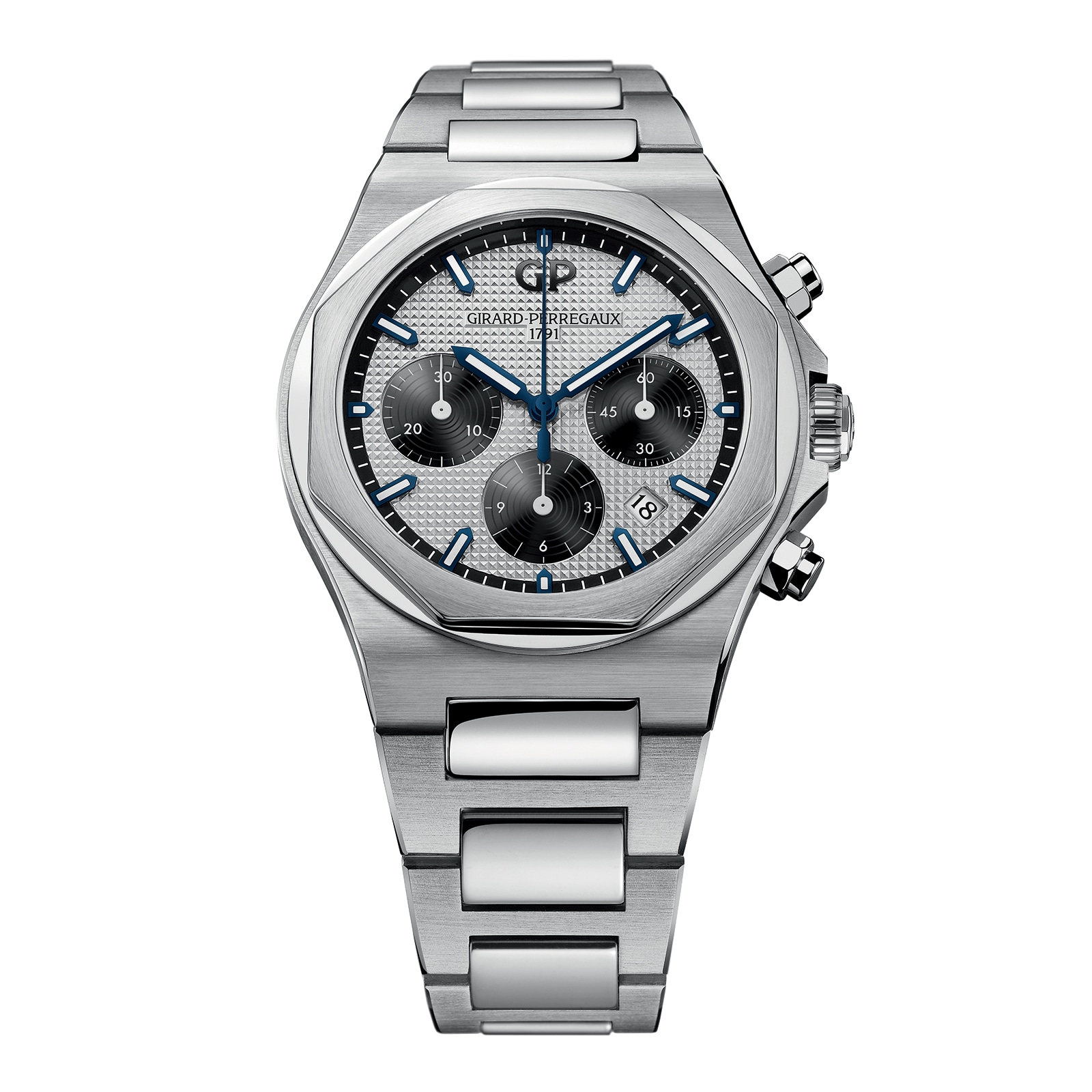
Girard-Perregaux
Laureato 42mm Chronograph
£11,850
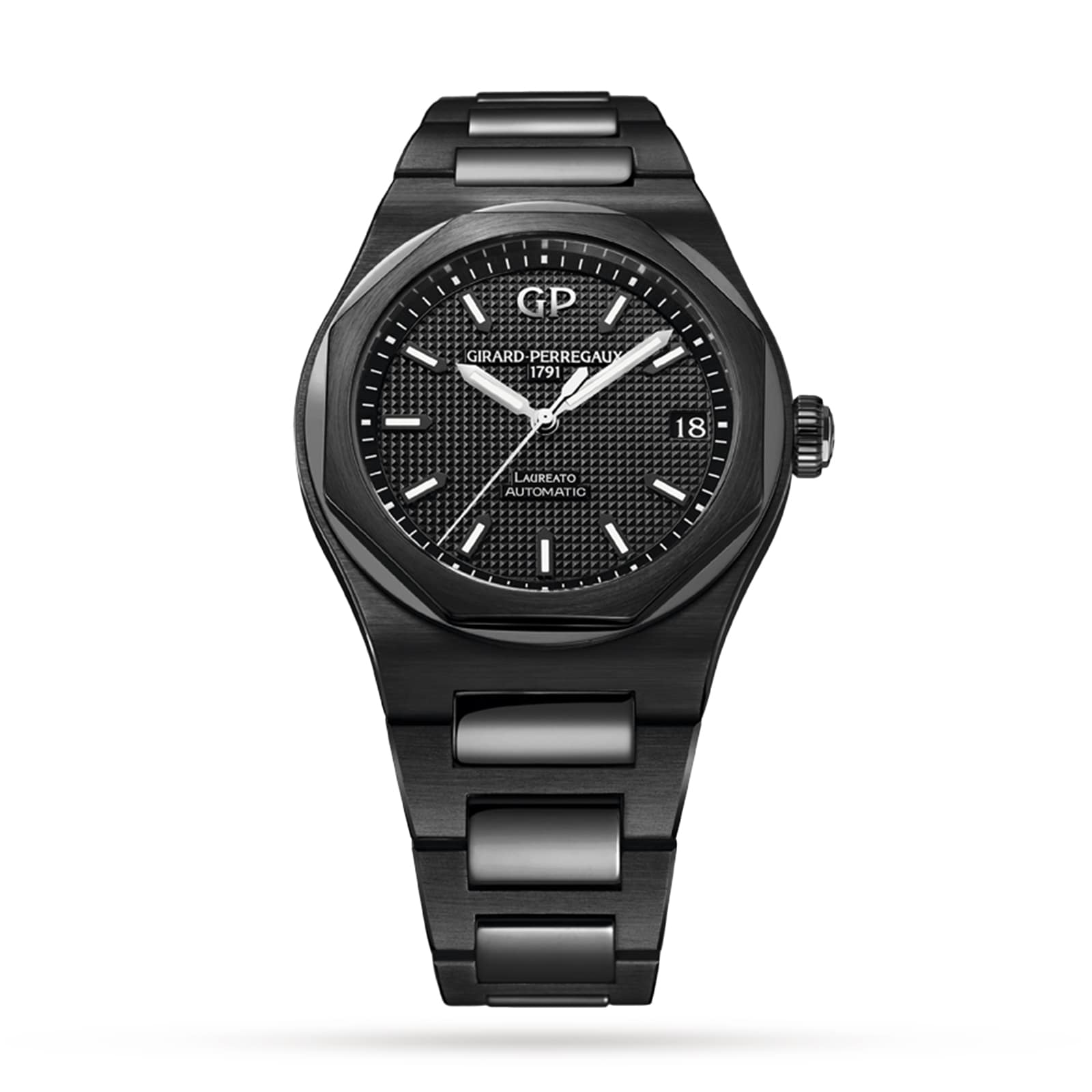
Girard-Perregaux
Laureato 42mm Mens Watch
£17,500
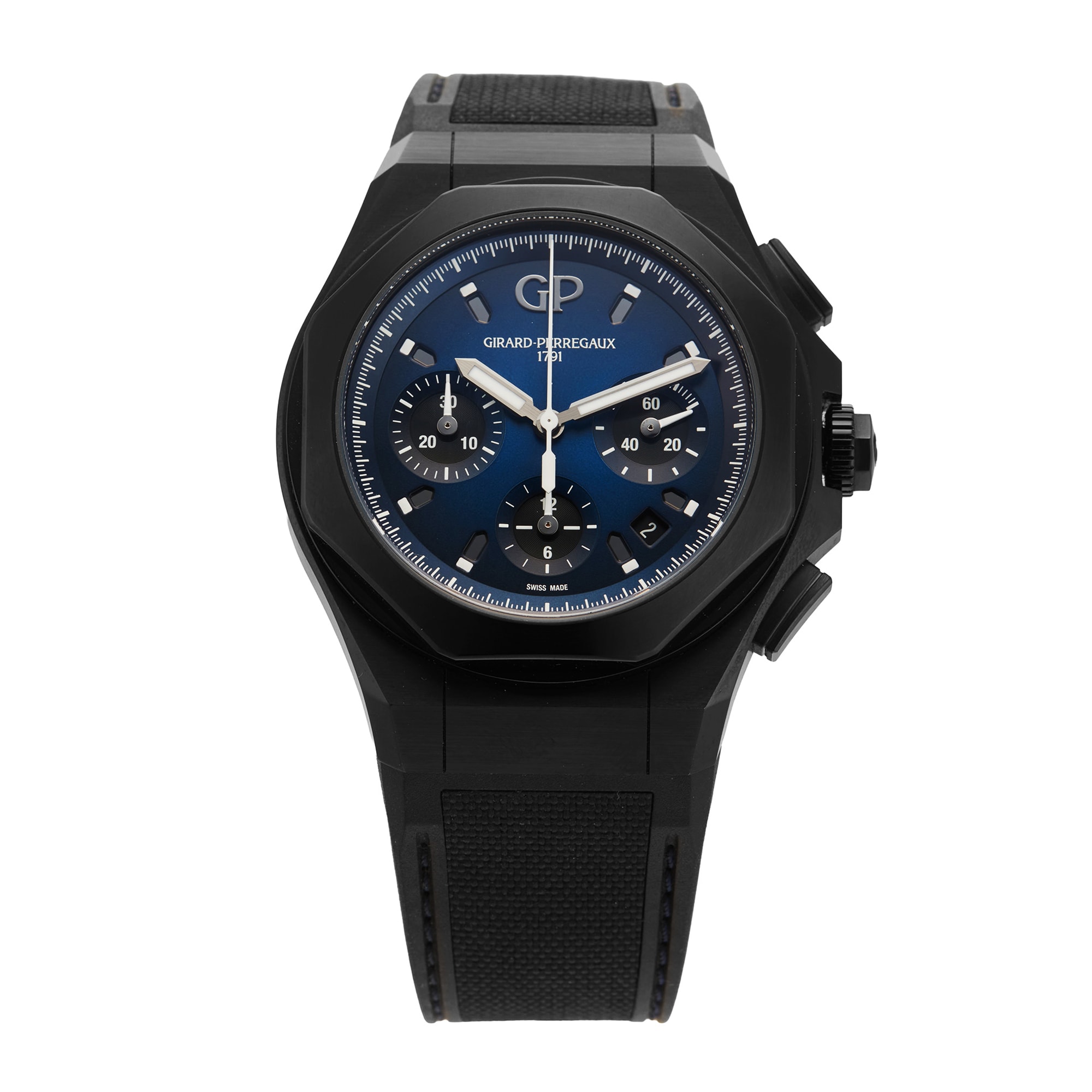
Girard-Perregaux
Laureato Absolute Chronograph 44mm Titanium PVD
£13,950
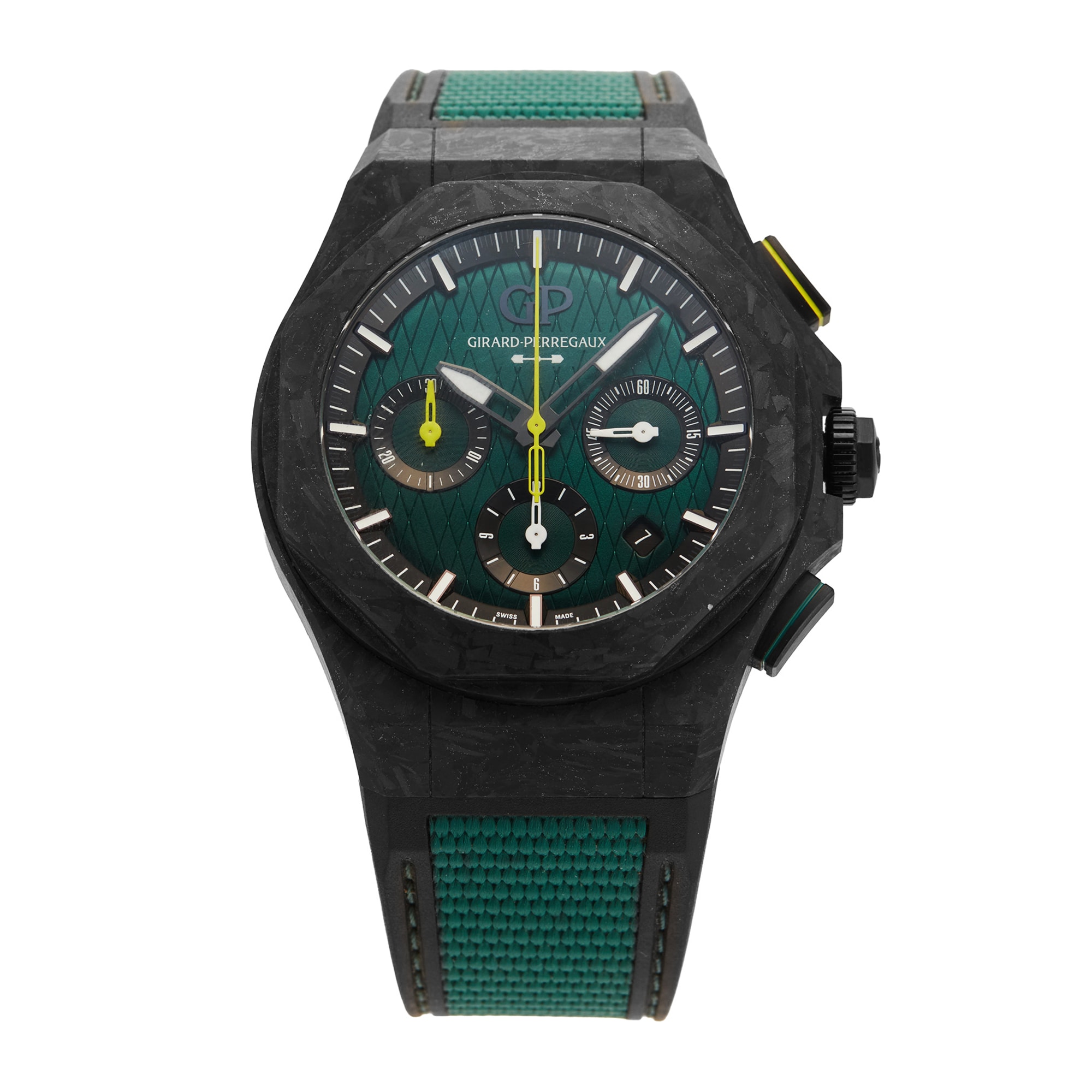
Girard-Perregaux
Laureato Absolute Chronograph Aston Martin F1 Edition 44mm Titanium and Carbon
£17,050
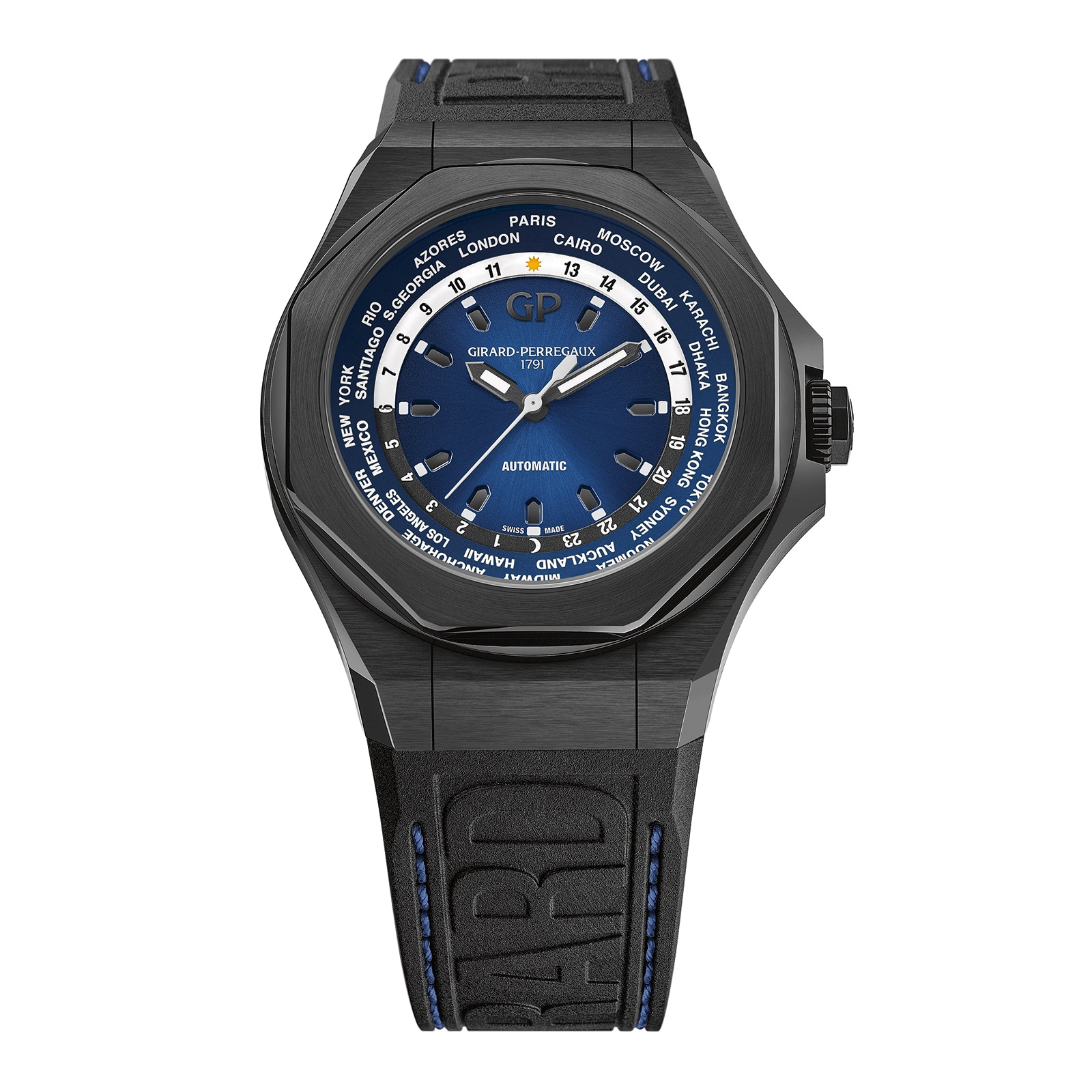
Girard-Perregaux
Laureato Absolute WW.TC
£14,300

Girard-Perregaux
Laureato Aston Martin Limited Edition 42mm Green Ceramic
£20,450
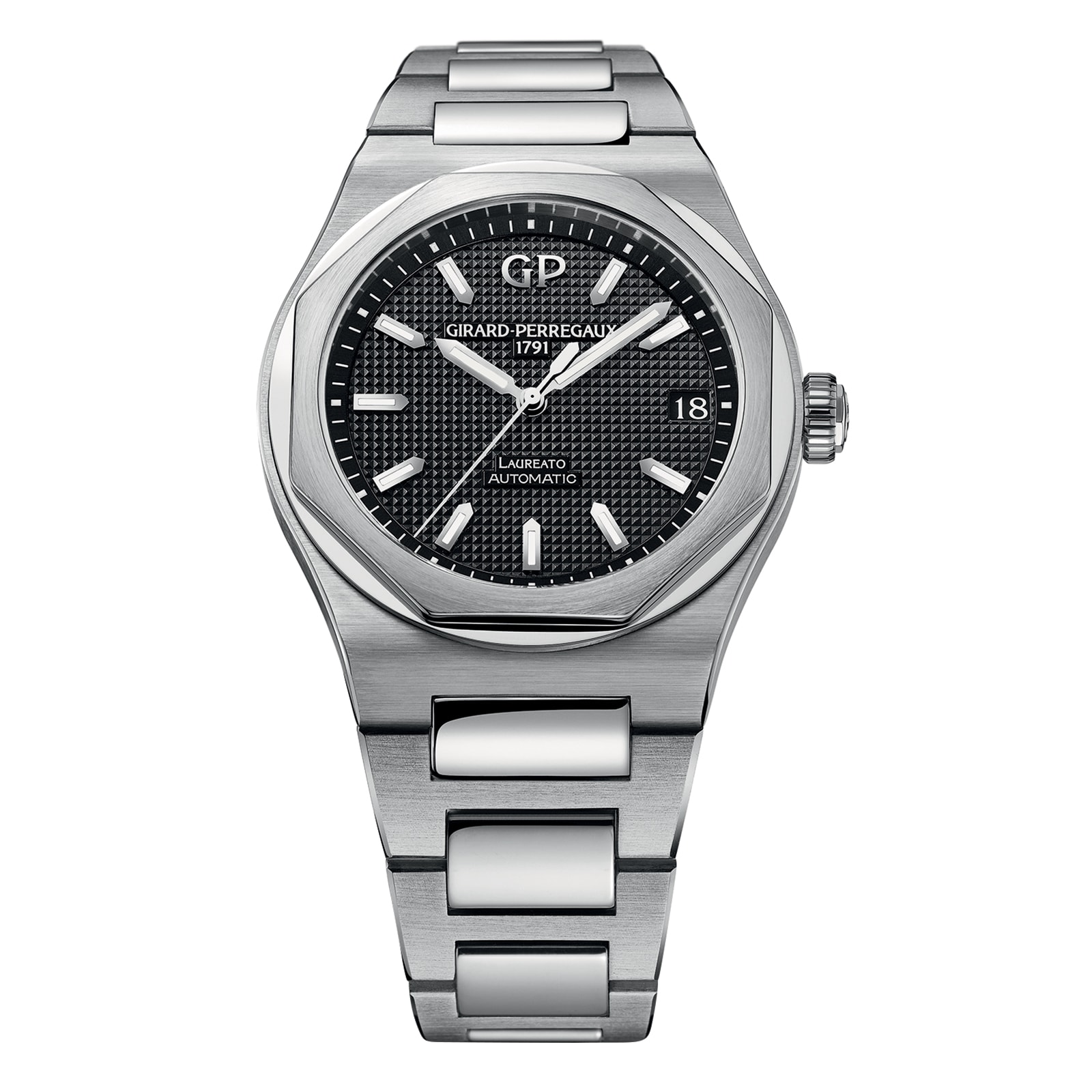
Girard-Perregaux
Laureato Black 42mm
£12,300
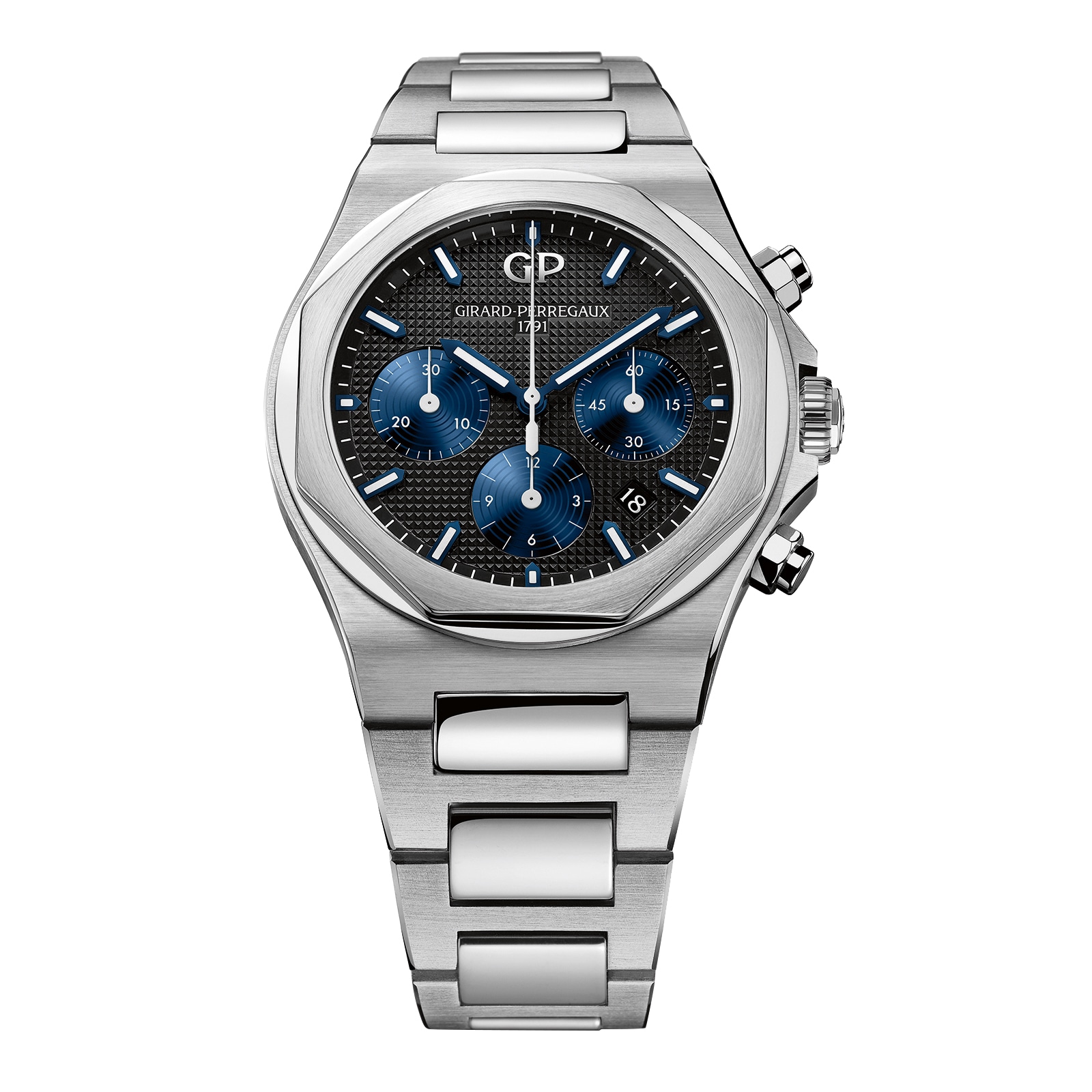
Girard-Perregaux
Laureato Black Chronograph 42mm
£15,800
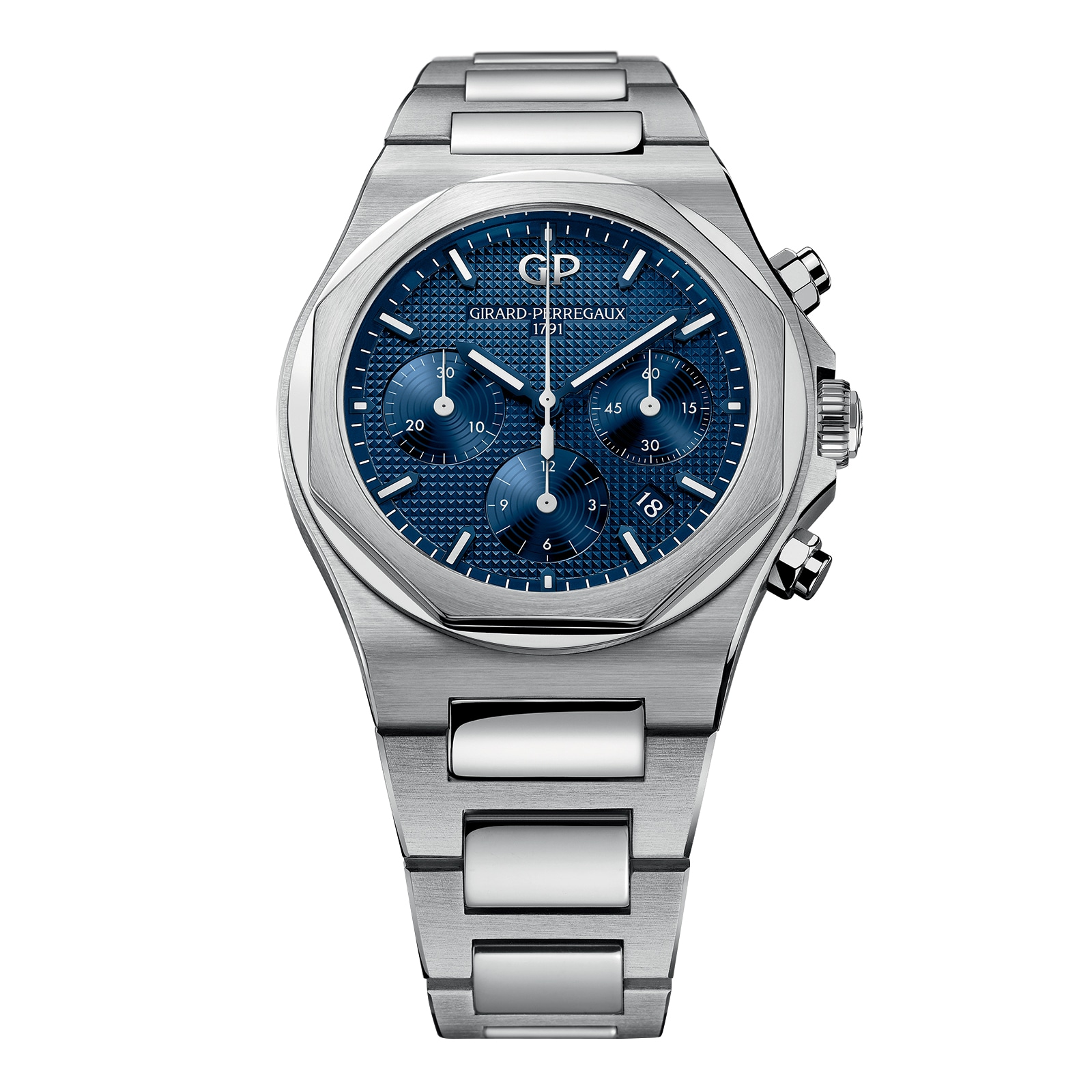
Girard-Perregaux
Laureato Blue 42mm Chronograph
£15,800
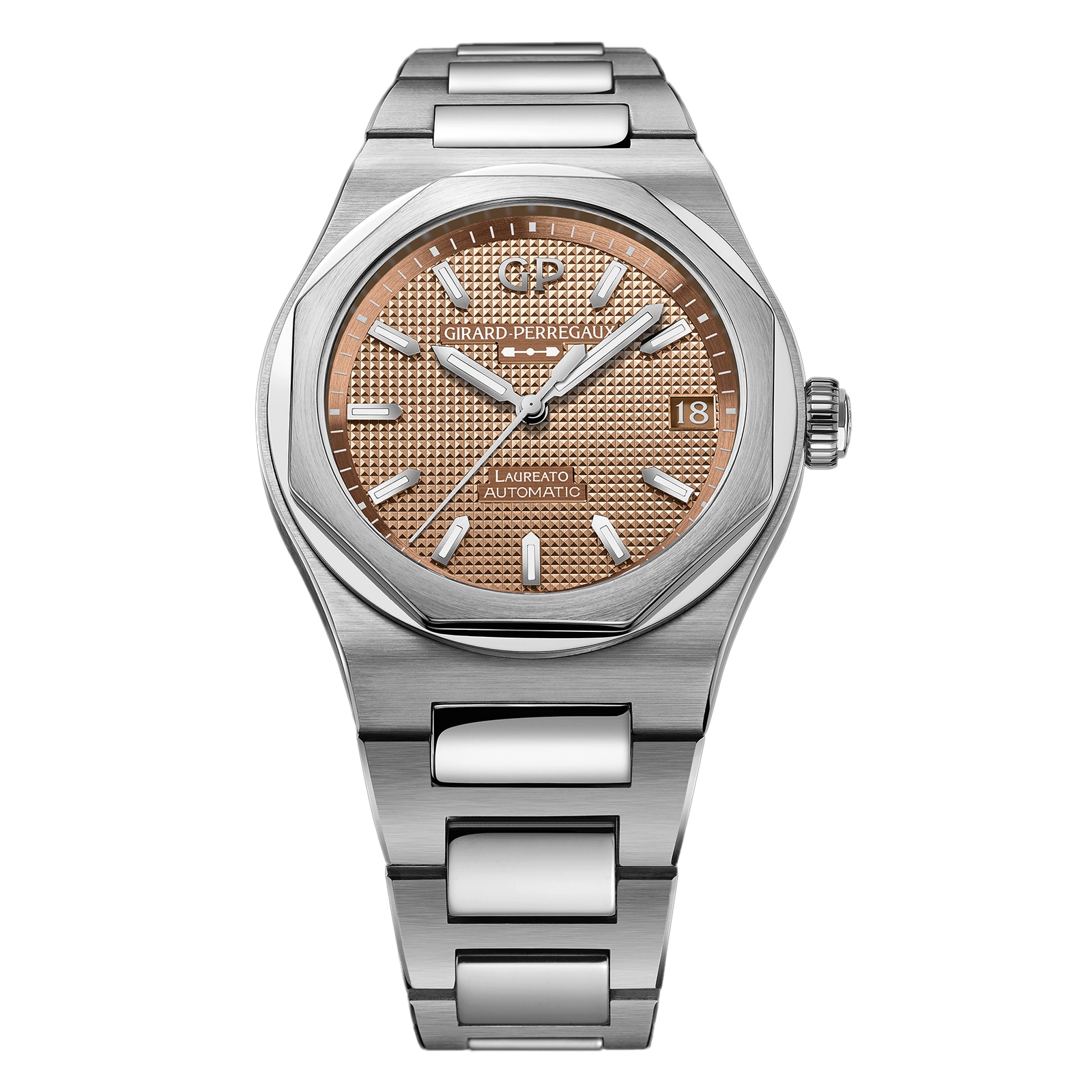
Girard-Perregaux
Laureato Centenary 42mm Mens Watch Gold The Watches Of Switzerland Exclusive
£15,400
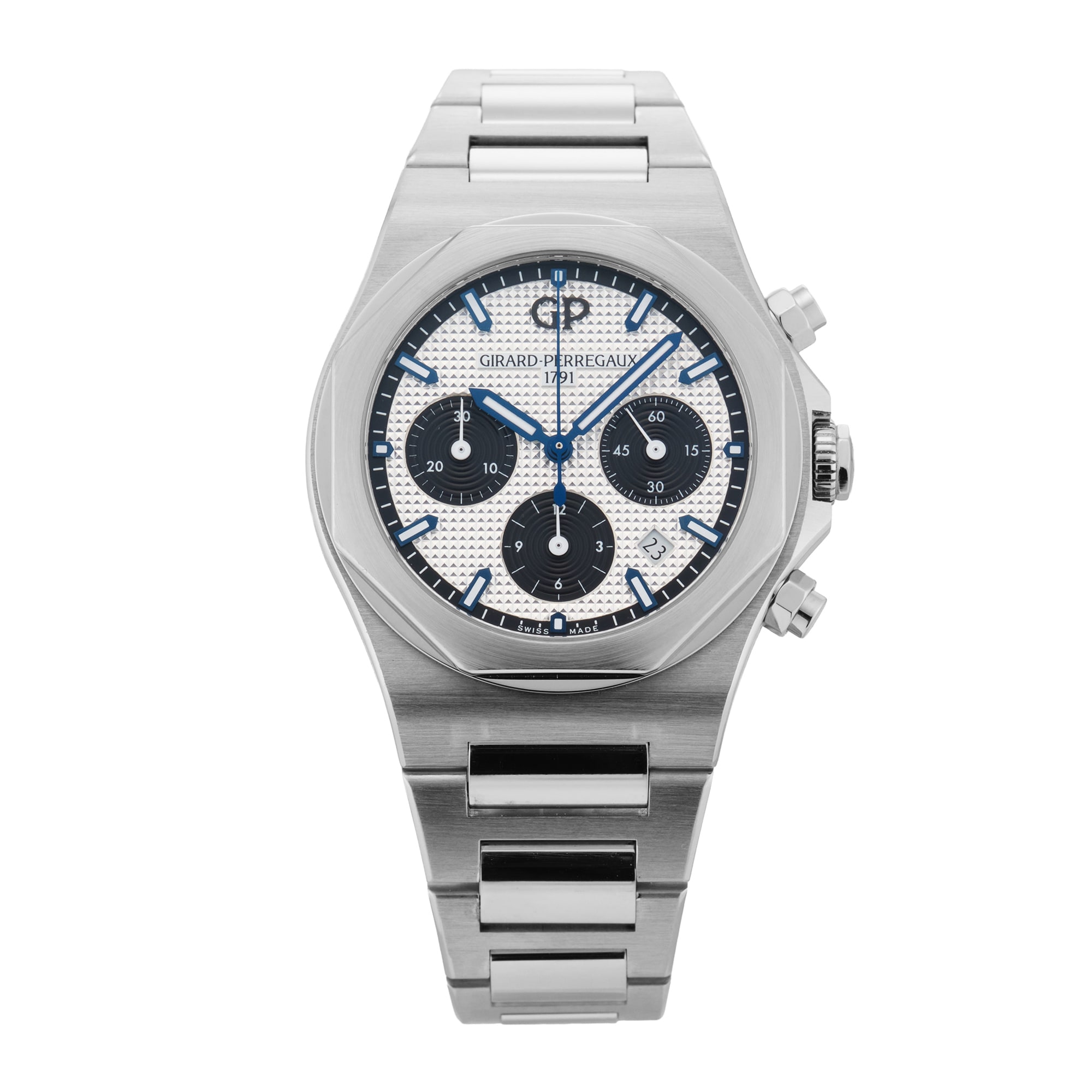
Girard-Perregaux
Laureato Chronograph 42mm Stainless Steel
£11,050
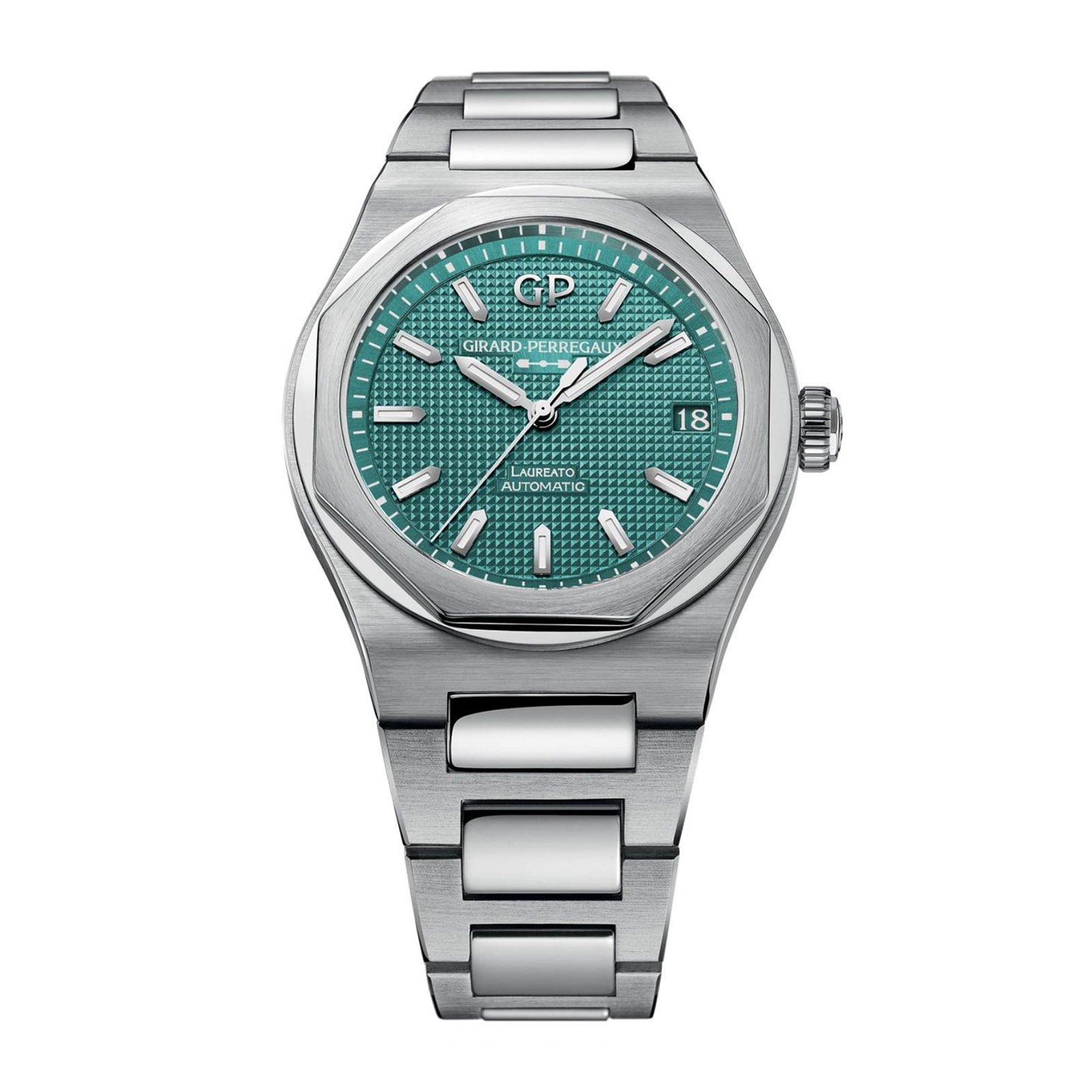
Girard-Perregaux
Laureato Fifty 42mm Limited Edition Mens Watch Turquoise The Watches Of Switzerland Group Exclusive
£12,600
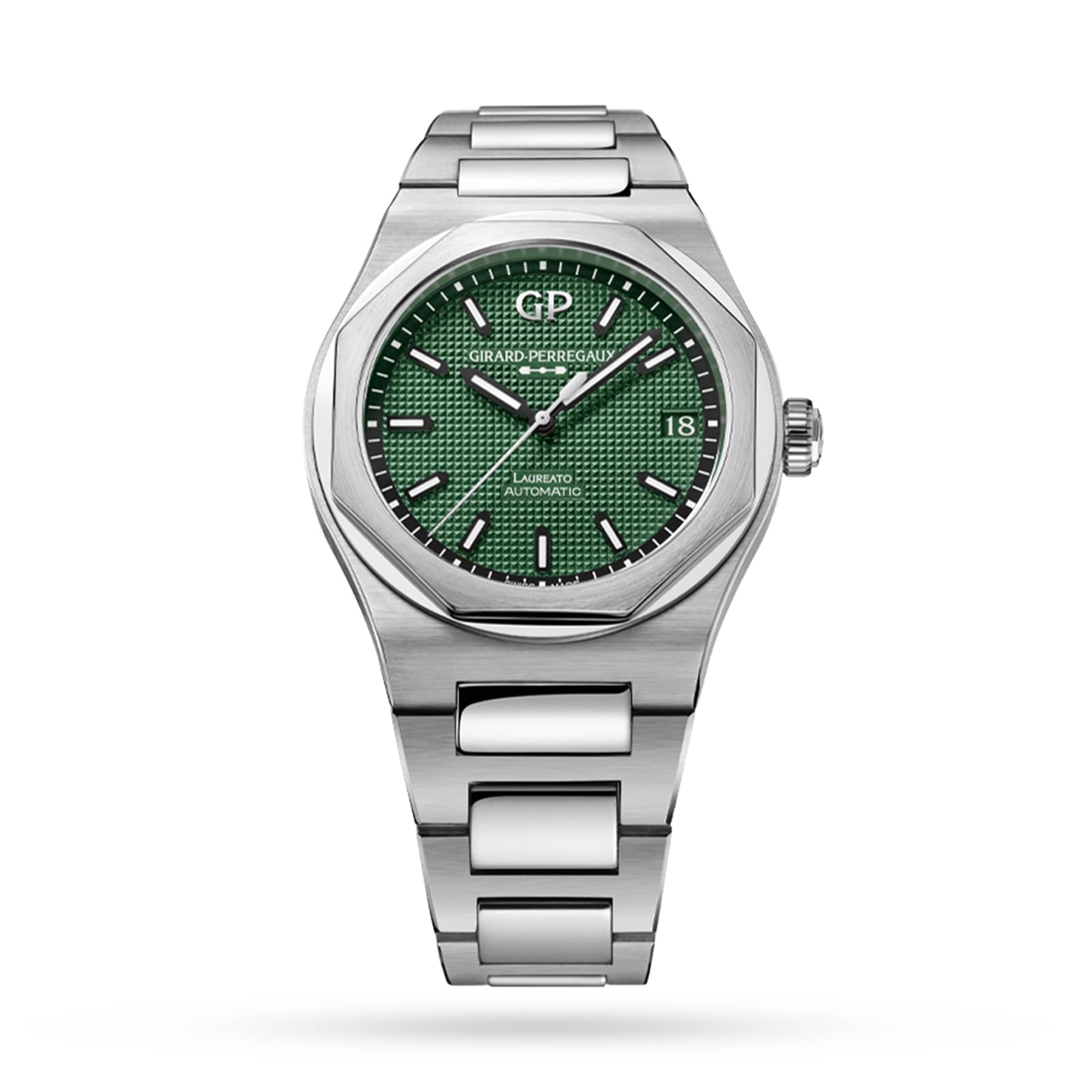
Girard-Perregaux
Laureato Green 42mm
£12,300
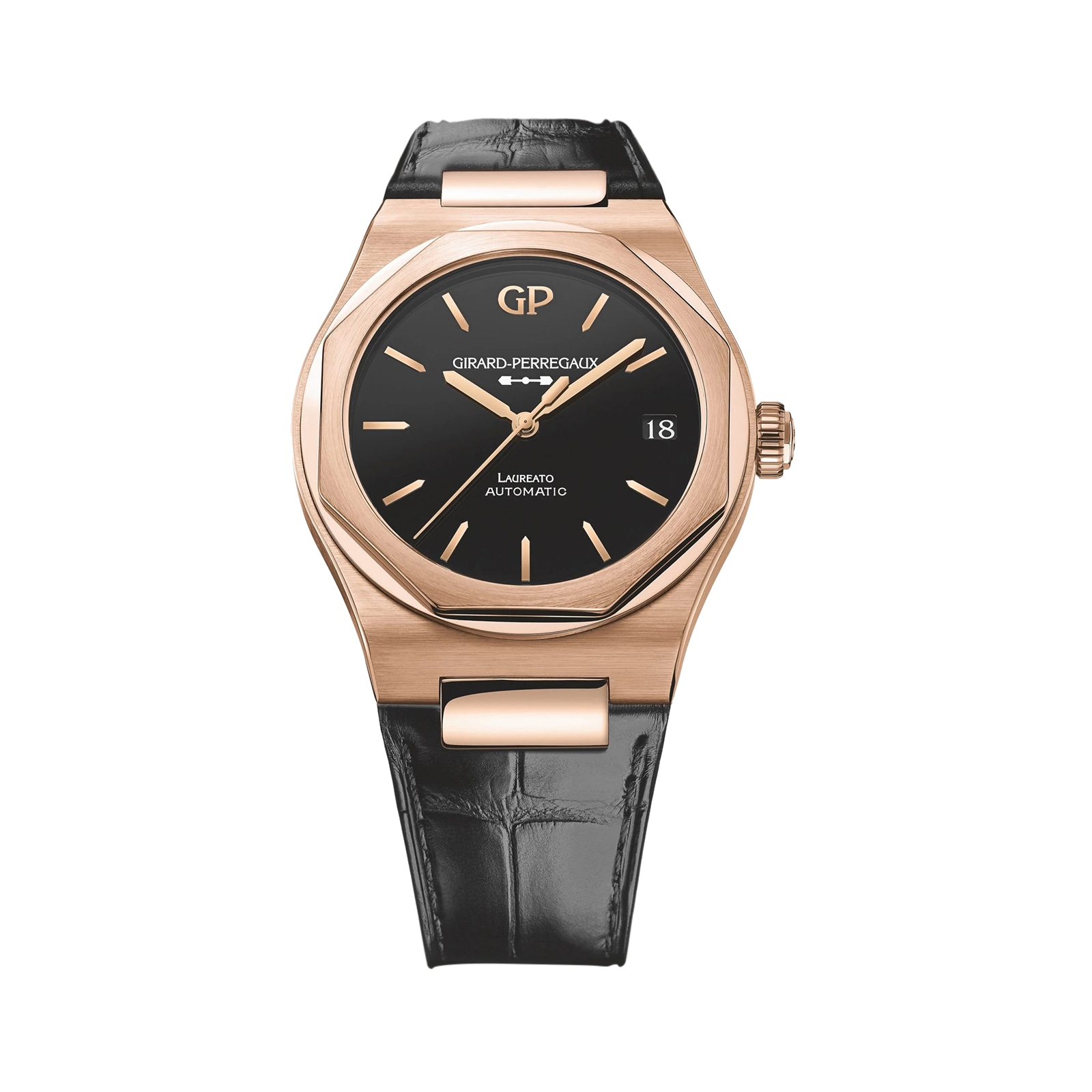
Girard-Perregaux
Laureato Rose Gold 42mm
£33,000
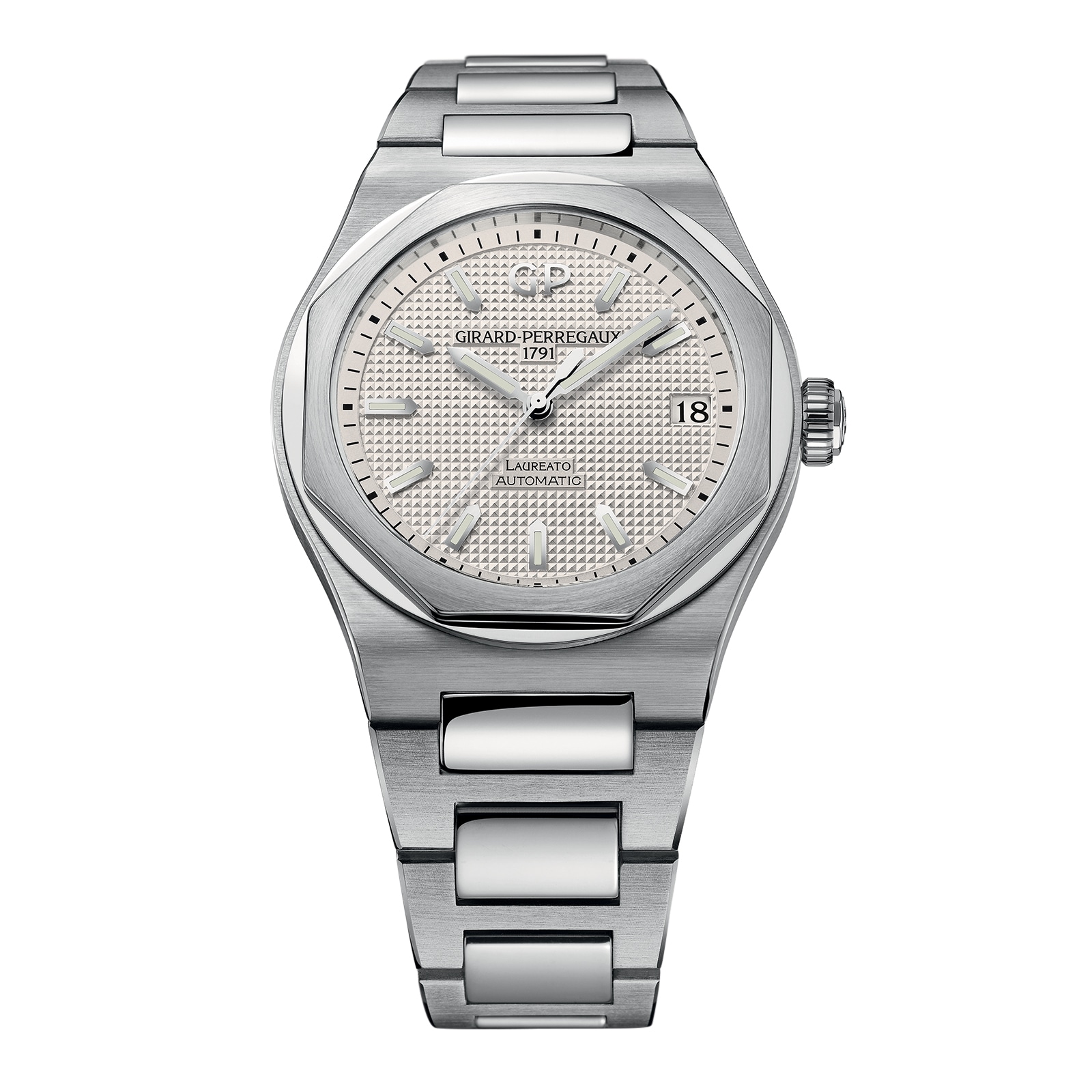
Girard-Perregaux
Laureato Silver 42mm Mens Watch
£12,300
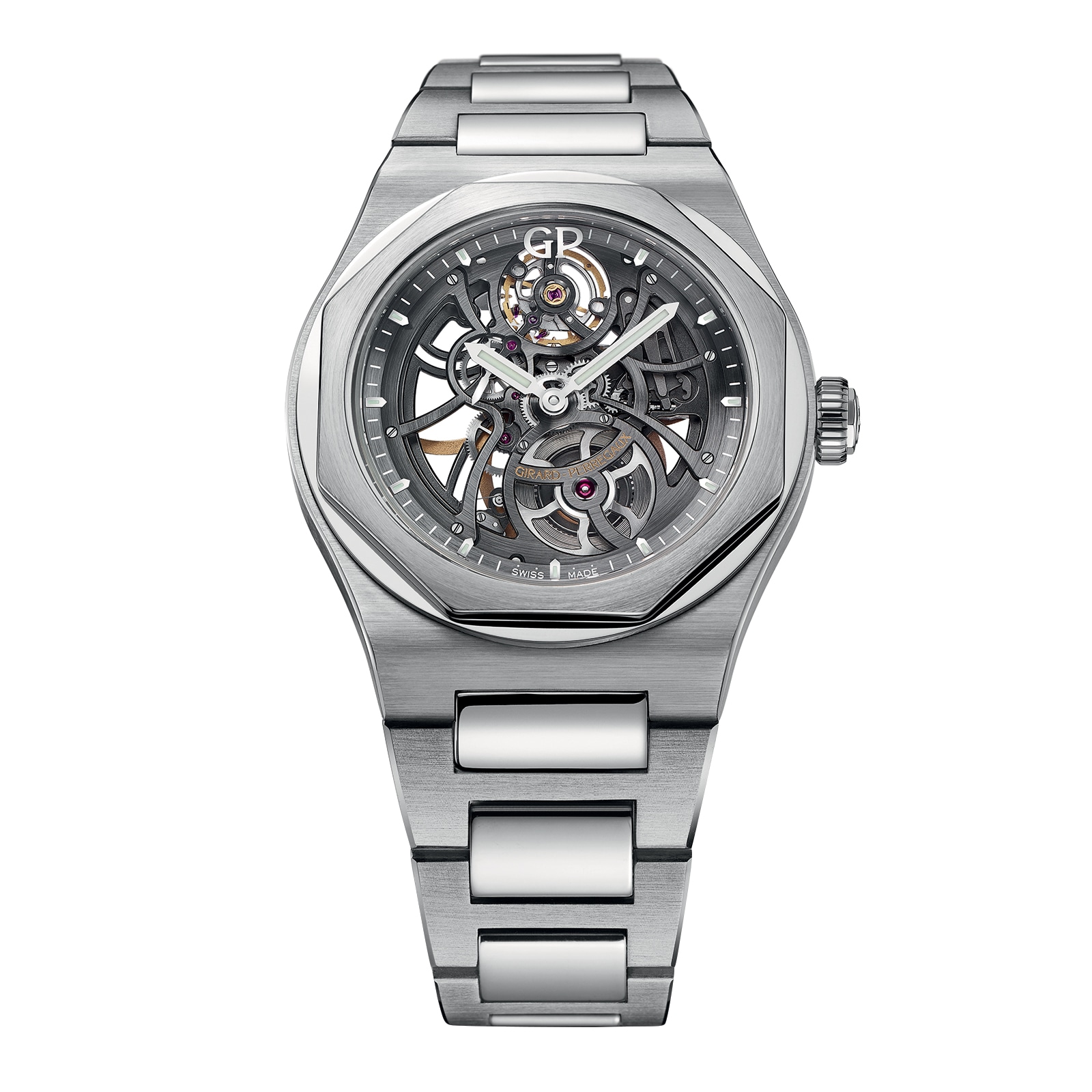
Girard-Perregaux
Laureato Skeleton 42mm
£27,825
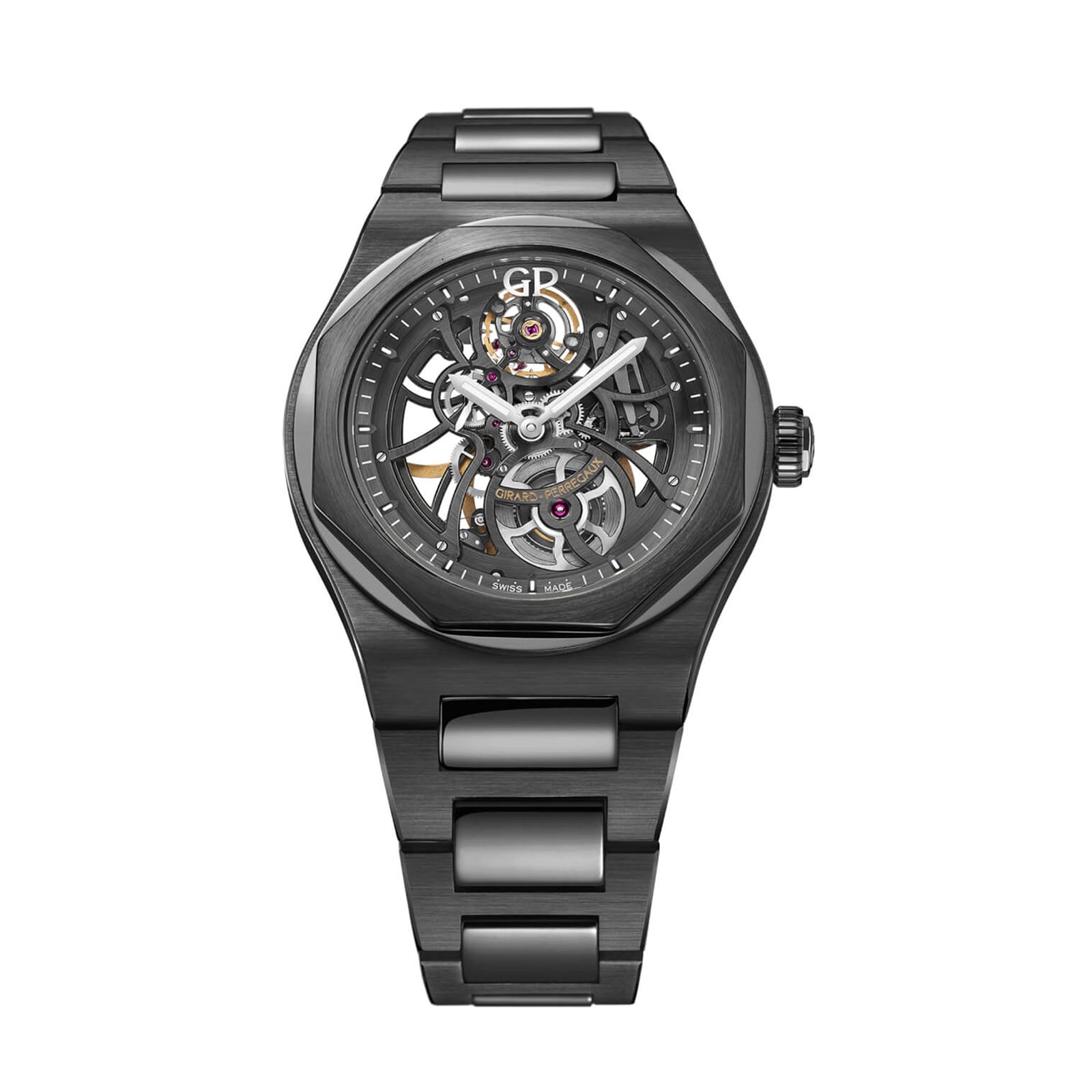
Girard-Perregaux
Laureato Skeleton Ceramic
£42,500
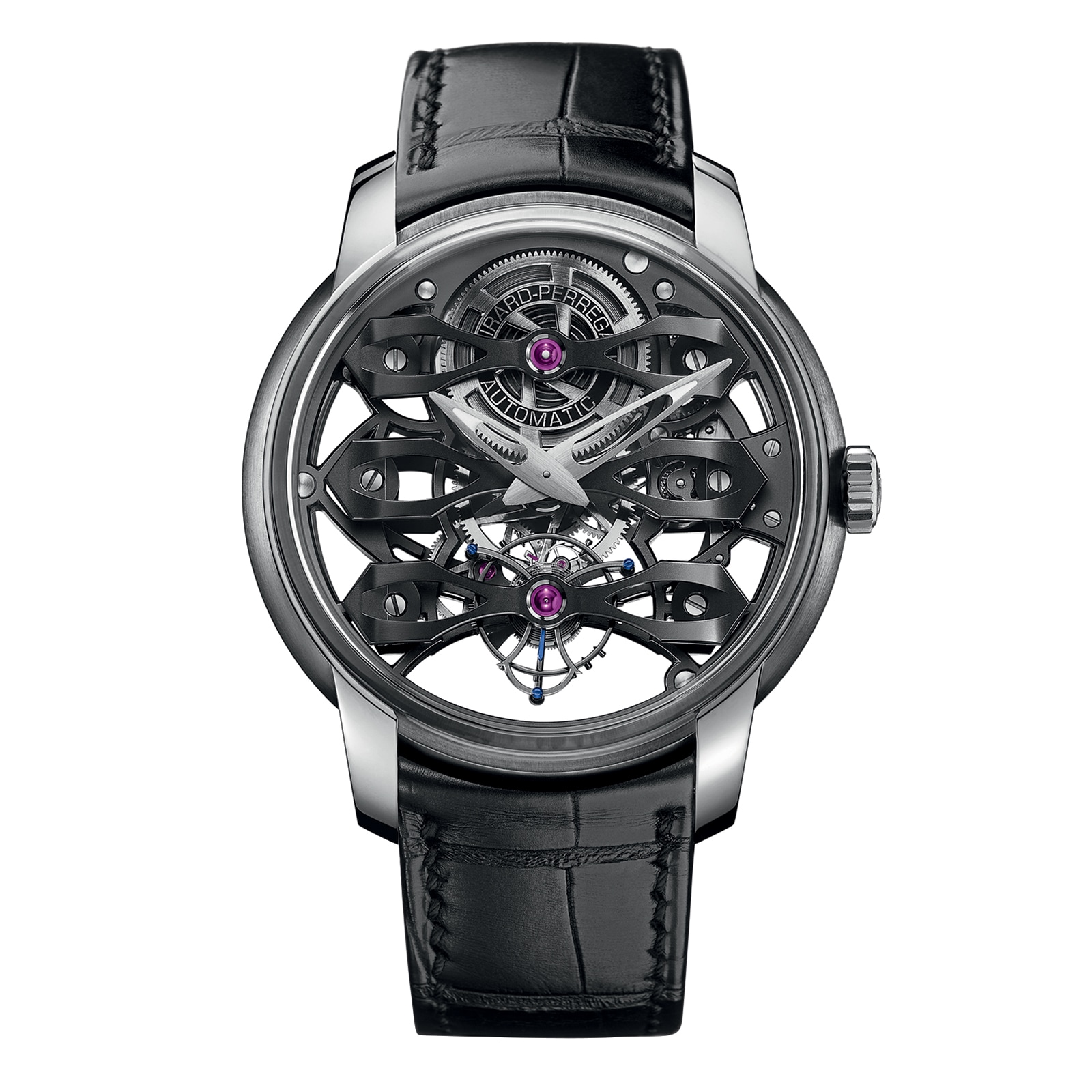
Girard-Perregaux
Neo-Tourbillon with Three Bridges Skeleton
£146,000
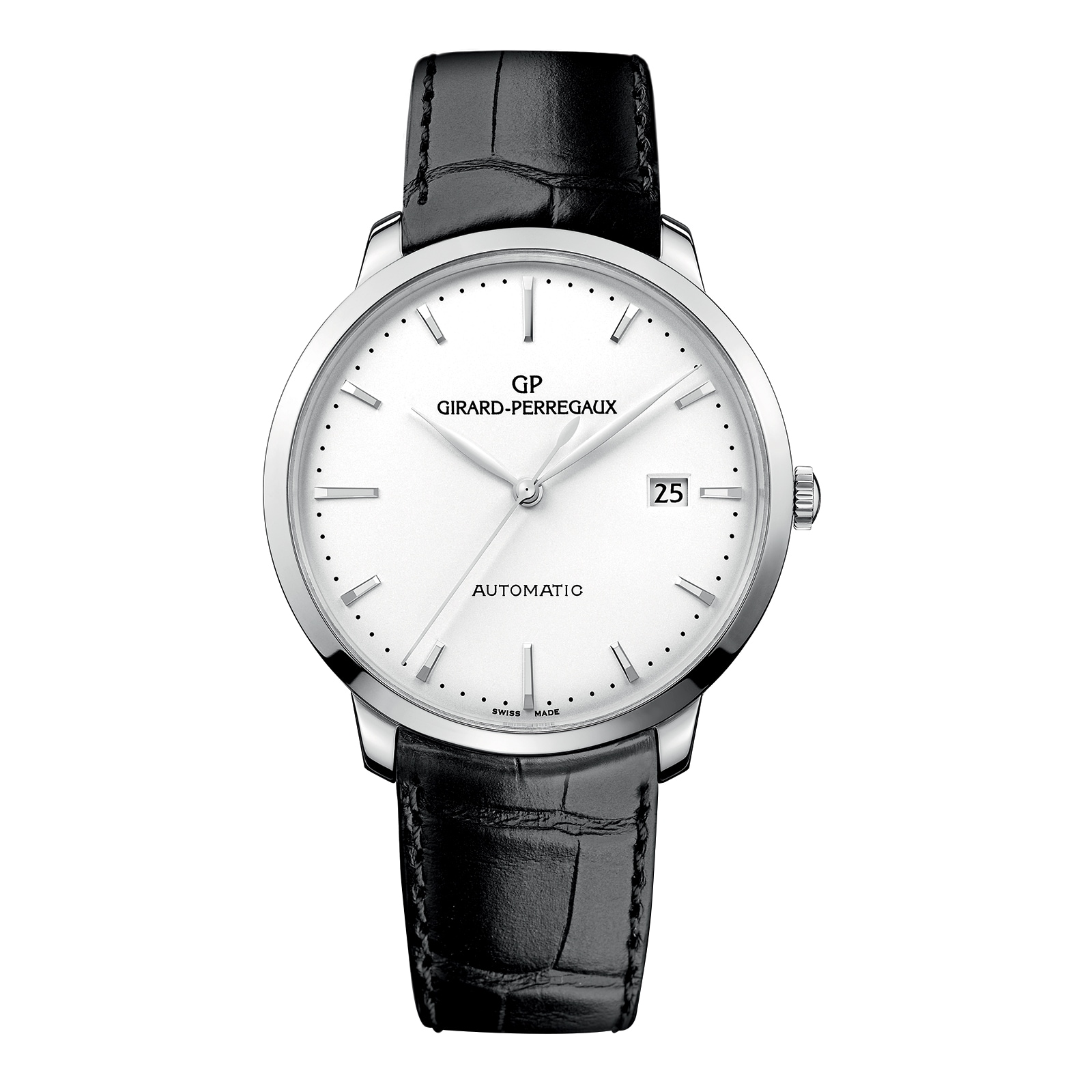
Girard-Perregaux
1966 Silver 40mm Mens Watch
£7,900
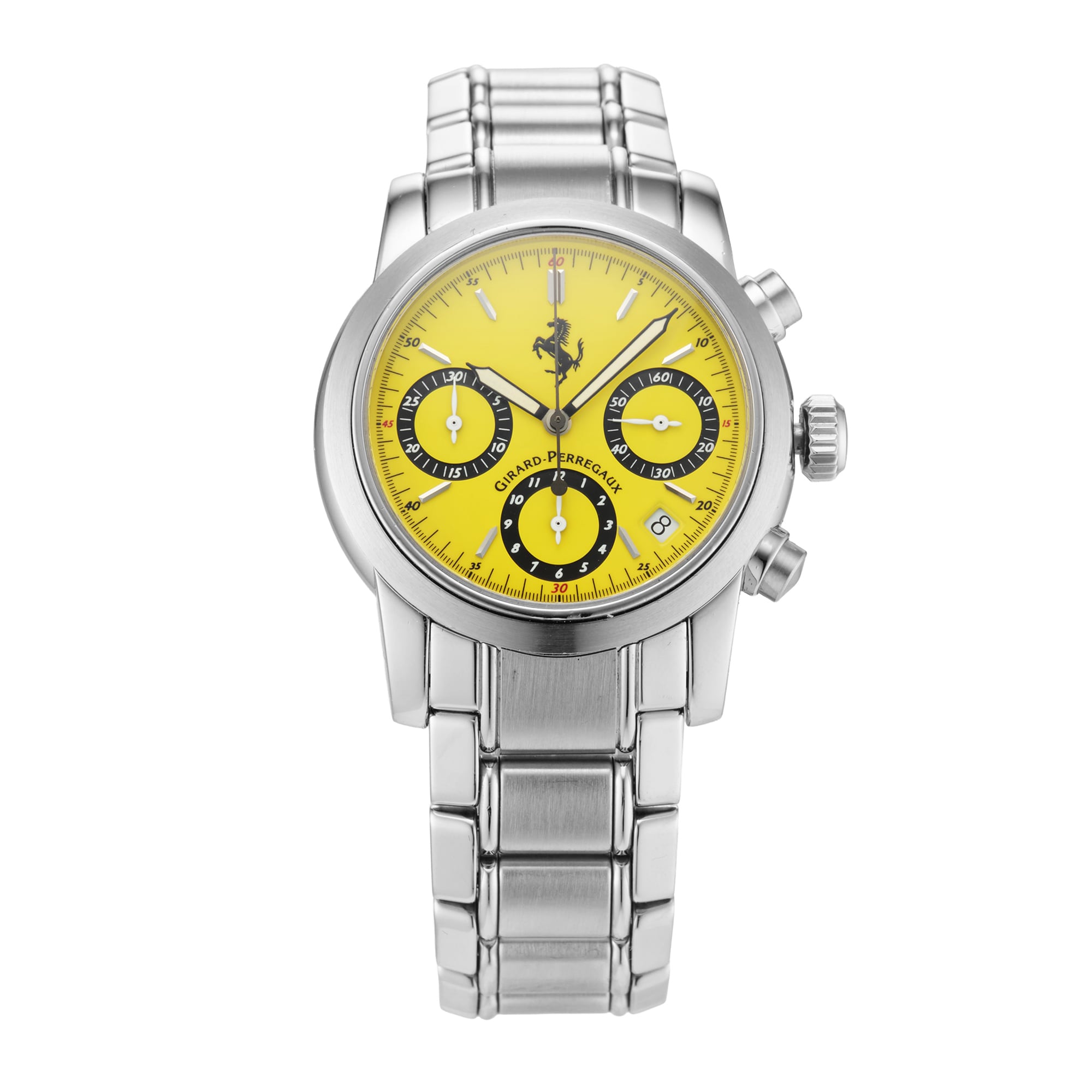
Girard-Perregaux
Ferrari Chronograph 37mm Stainless Steel
£3,450
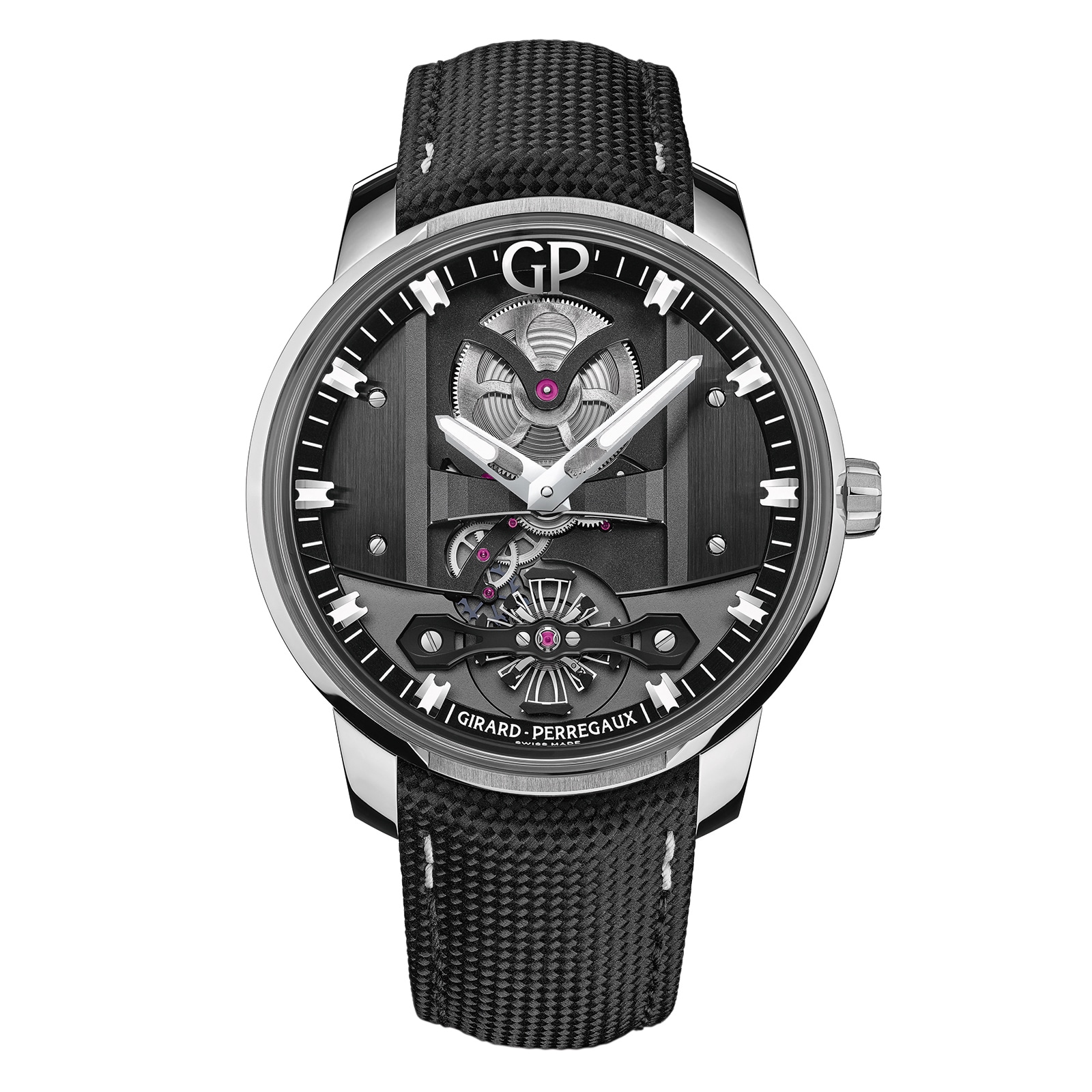

Girard-Perregaux
Laureato 38mm Midnight Blue Unisex Watch
£12,800